

NEGOTIATIONS AND CONTRADICTIONS
Any chance for peace four years after Russian war against Ukraine?
Author: Natig NAZIMOGHLU
It's been four years since Russia invaded Ukraine, and there's a chance things might be starting to calm down. Kiev, Moscow and the Western powers involved in the conflict are all working hard to make the negotiations successful. This includes the United States, which is helping to organise the talks. But there has been no progress on the main issue of territory, so it seems unlikely that peace will be achieved in the near future.
Geneva "progress"
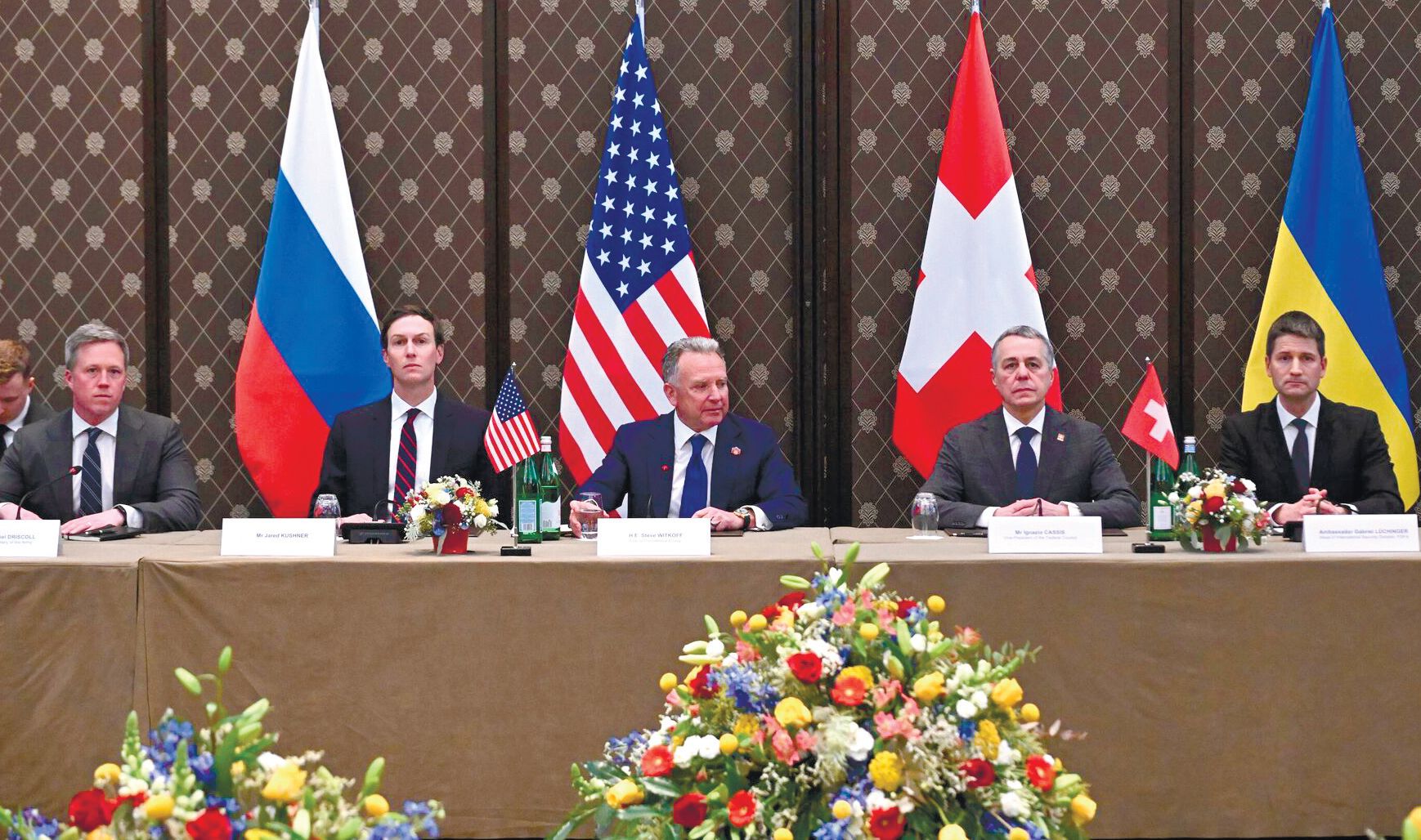
Since the start of 2026, there have already been three rounds of talks between Ukraine and Russia, with the United States helping to organise them. Two of them took place in Abu Dhabi on 23-24 January and 4-5 February. The third meeting was in Geneva on 17-18 February and it seems that this was the most productive one in terms of reaching any serious agreements.
The American and Ukrainian groups at the Geneva talks were the same as in the first two rounds in the UAE capital. The US was represented by Special Presidential Envoy Steve Witkoff, President Donald Trump's son-in-law Jared Kushner, Army Secretary Dan Driscoll, and NATO Supreme Allied Commander Europe Aleksus Grinkevicius. The Ukrainian delegation was led by Rustem Umerov, who used to be the Defence Minister, and included Kirill Budanov, who is the Head of the President's Office, Sergei Kislitsa, who is the leader of the Servant of the People faction in the Verkhovnaya Rada, and Vadym Skibitsky, who is the Deputy Head of the Main Intelligence Directorate of the Ministry of Defence.
There were also changes in the Russian delegation's leadership. In Abu Dhabi, the head was Igor Kostyukov, who is in charge of the Main Directorate of the General Staff of the Armed Forces. In Geneva, the main Russian negotiator was Vladimir Medinsky, who works as an aide to the President. He had already negotiated with the Ukrainian side, and he was in a strong position. The Russian delegation was joined by Deputy Foreign Minister Mikhail Galuzin.
After the Geneva talks, the parties were cautiously optimistic. Umerov called them 'intensive and substantive'. Medinsky said the talks were 'difficult but businesslike'. Witkoff even said they were making 'significant progress'. What exactly does this progress consist of?
According to information that was leaked to the media from various 'sources', the people in the talks were divided into two groups. One of these meetings was about politics and the future of Donbas, security guarantees, and how to stop the war. The second group talked about military issues, like the specific technical possibilities for putting political decisions into action. This included things like pulling out troops and watching out for possible violations.
While the politicians talked about how to end the war and achieve peace, the military was working on a plan to end the fighting as quickly as possible. The reason for the progress made in the talks in Geneva is that the participants have reached an agreement on the second 'military' case. The Ukrainian President Vladimir Zelensky said that the talks were helpful and that there had been important progress. This is because 'they have agreed on almost everything there' and 'monitoring will definitely involve the American side'. In terms of politics, as Zelensky said, 'there has been progress, but the positions are still different, and the negotiations have not been easy.'
The negotiations are difficult because the two sides have very different ideas about the political part of the conflict. Most importantly, this is about the question of which country Donbas belongs to.
A foggy outlook
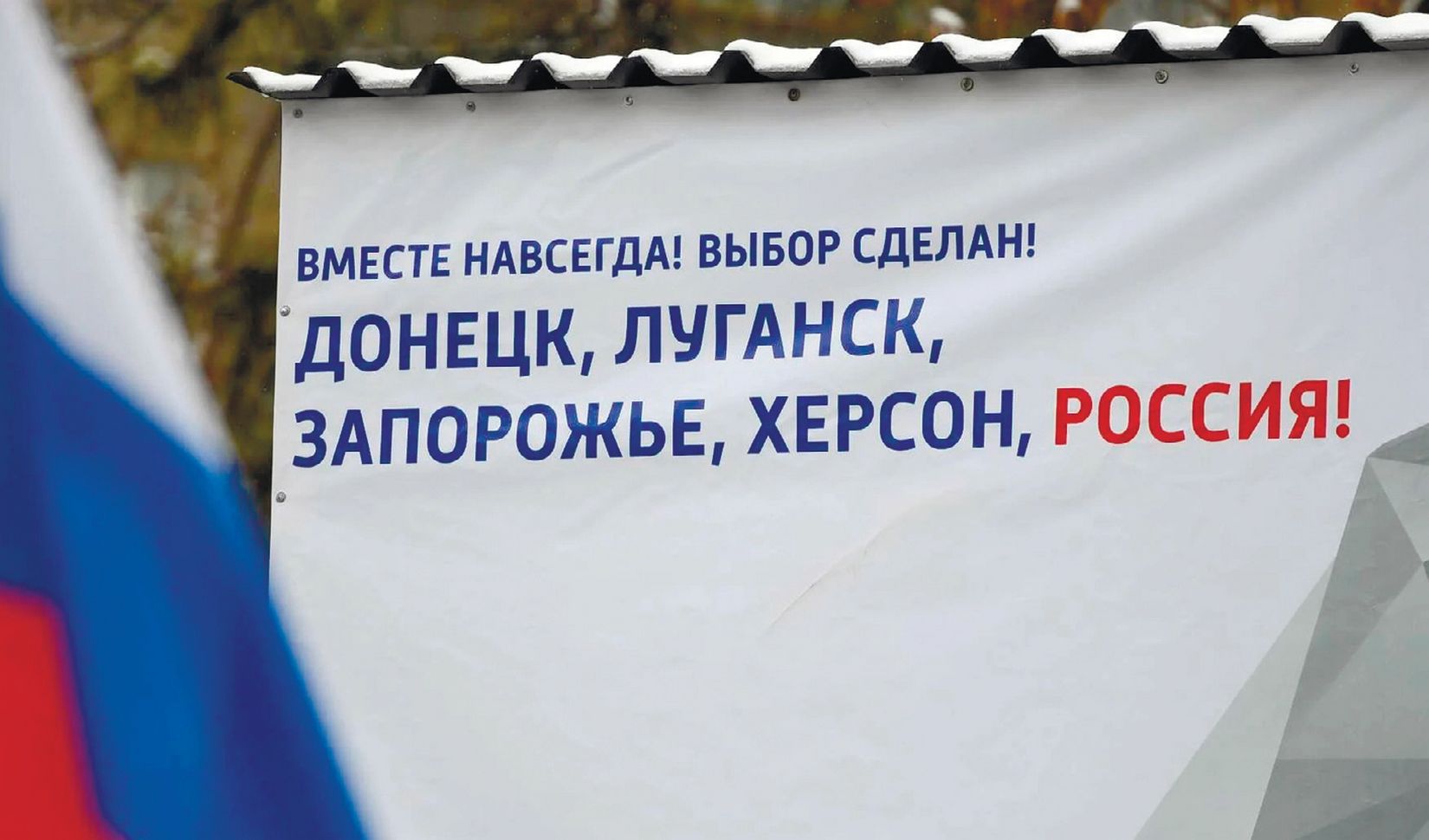
Russia has made a list of conditions. These include a number of issues relating to the so-called 'root causes of the conflict'. These include the status of the Russian language in Ukraine, Kiev's rejection of the basic foundations of Ukrainian statehood, which Russia considers to be 'Bandera's', and the subordination of the religious life of Ukrainians to the Moscow Patriarchate... But the most important thing is the demand for territory. Namely: Russia has said that Donbas is part of Ukraine. At the same time, Moscow says that the Ukrainian army must leave the area of Donetsk that is controlled by Russia. Russian President Vladimir Putin has made it very clear that Russia will keep using its military power until it achieves its goal.
The Trump administration seems ready to accept Moscow's demands regarding territory and is therefore putting pressure on Kiev 'to achieve peace as soon as possible'. Washington wants Ukraine to give up the 20% of Donbas territory it still controls. At the same time, it is showing the Kremlin's agreement to keep the current lines of contact between troops in the Zaporozhye and Kherson regions of Ukraine, which Russia took over on a 'constitutional' basis, as a concession.
However, Kiev does not accept Russia's claims to Ukrainian territories, including Crimea, which was taken over by Russian forces in 2014. Ukraine also wants the current front line to be kept frozen. On the eve of the fourth anniversary of the Russian invasion, Zelensky gave a long interview to the BBC. In it, he said that he thinks Ukraine will win the war. When asked what this meant, the Ukrainian leader replied: 'It means Ukrainians can get back to normal life and the killing will stop.' At the same time, Zelensky thinks that it is only a matter of time before the Ukrainian territories that Russia captured are returned. He said that if they did this now, they would lose millions of people because the Russian army is so big. Zelensky also doesn't want Ukrainian troops to leave Donbas because he says that would cause division in his country.
So, the Ukrainian president said that the country and its people have not been threatened with freezing to death, even though there have been more Russian attacks on Ukrainian cities and energy facilities this winter. They aren't going to accept any deal that America tries to make. Kiev is standing its ground, and the US, which says it is neutral and so won't use the terms 'aggressor' and 'victim', is working on new ways to get Russia and Ukraine to agree with each other.
According to reports in the Ukrainian media, during the last round of negotiations, Kiev and Moscow discussed a proposal from the US to get both Russian and Ukrainian troops out of Donbas and to set up a joint Russian-Ukrainian civil administration to manage the demilitarised zone. But Moscow and Kiev were not happy with this idea. Moscow wants to keep its military control over part of Donbas, and Kiev does not want to give up its territory.
Any chance for peace in 2026?
Ukraine and the West are still focusing on putting more economic pressure on Russia. European countries are using sanctions against Russia to try to force it to end the war. But the European Union is not all the same in the things it wants, as was made clear at the latest meeting of foreign ministers in Brussels. Hungary and Slovakia don't like how much support the EU is giving to Ukraine, as they think it's hurting the economies and security of other European countries. Because of this, they stopped the 20th group of anti-Russian sanctions from being agreed.
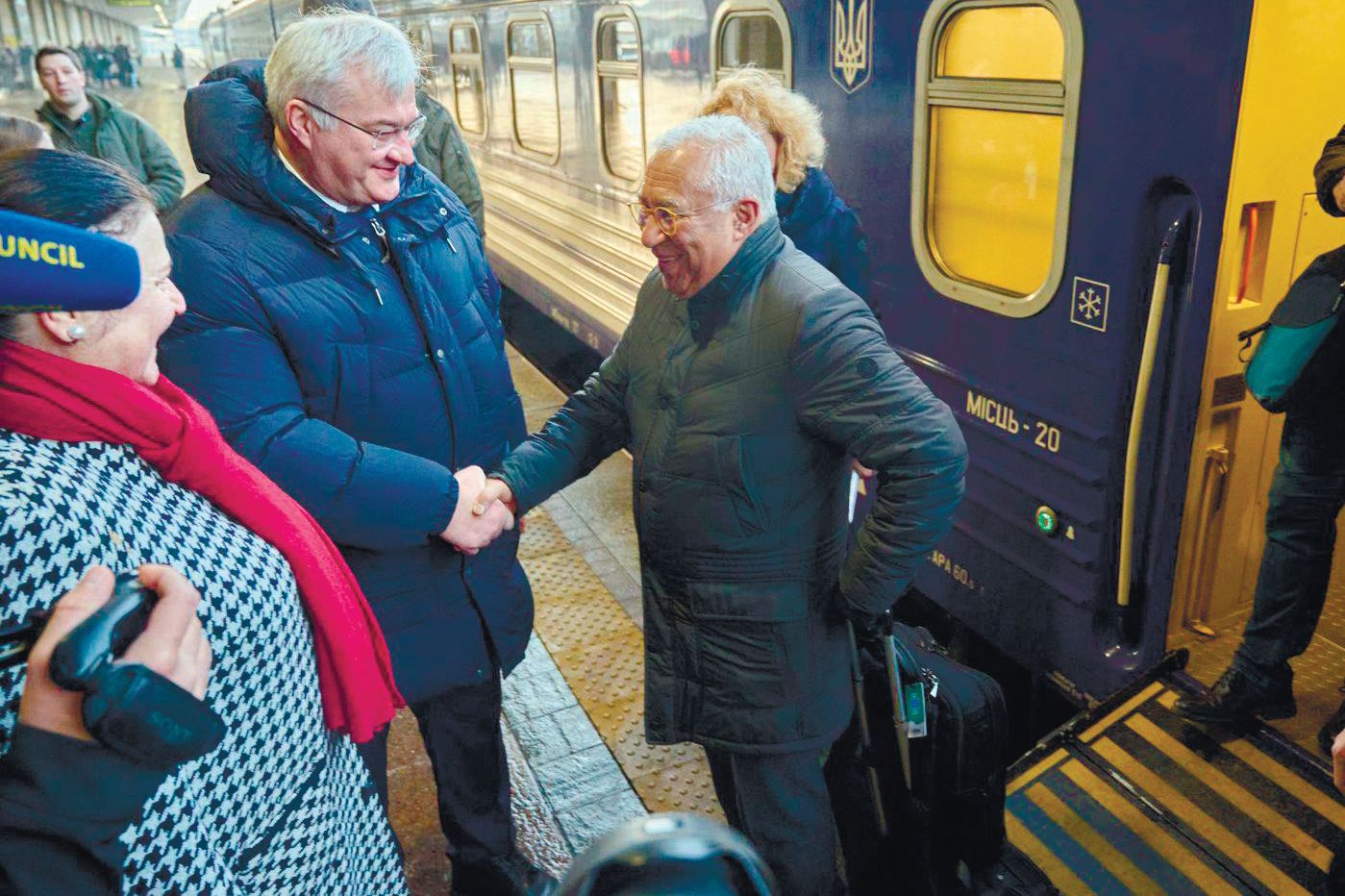
But the EU leaders have said that they do not plan to reduce the support they have given to Ukraine in recent years. On 24 February, which was the fourth anniversary of the Russian invasion, Ukraine was visited by the President of the European Council, António Costa, the President of the European Commission, Ursula von der Leyen, and the leaders of the Scandinavian and Baltic countries, as well as Croatia. This was a show of solidarity. On the same day, there was a meeting between Ukraine and the countries of Northern Europe and the Baltic states. There was also a meeting of the 'Coalition of the Willing.' NATO Secretary General Mark Rutte and leaders of more than 30 countries, including British Prime Minister Keir Starmer, French President Emmanuel Macron, and German Chancellor Friedrich Merz, joined the second event online. Ukraine's allies have confirmed that they are ready to promise to keep Ukraine safe after the war is over. This could include putting international forces in Ukraine, with support from the United States.
At the same time, how the military operations go will clearly be affected by how much the West continues to supply Ukraine with weapons. Zelensky says Ukraine does not have enough weapons. He also said that the situation depends not only on us, but also on our partners. This suggests that the US and the EU are not providing enough military support. Since Trump became president, the US has almost completely stopped sending military aid to Ukraine. European Union countries are buying American weapons for Ukraine. At the same time, they are talking about whether to give Ukraine weapons, including European ones. These weapons would be able to protect Ukraine's airspace and make its armed forces stronger.
So, it's hard to say what will happen if there is military or economic pressure on Moscow. This makes people think that American diplomacy has a lot of potential. Many people think that Trump is the only world leader who can make Putin and Zelensky want to make peace. Special Envoy Witkoff has announced a new meeting involving Ukraine, Russia and the US. This meeting will take place in the next few weeks. There is even talk of a possible meeting between Putin and Zelensky in person, with Trump joining them. This could result in a meeting between all three leaders. The result of these talks between the US, Ukraine and Russia, at whatever level and in whatever format, will show if there will be an end to the war soon.
RECOMMEND:
 174
174

