

TRUMP LAUNCHES 'NEW WORLD'
Board of Peace presented in Washington, with Baku’s participation, as a new security architecture
Author: Ilgar VELIZADE
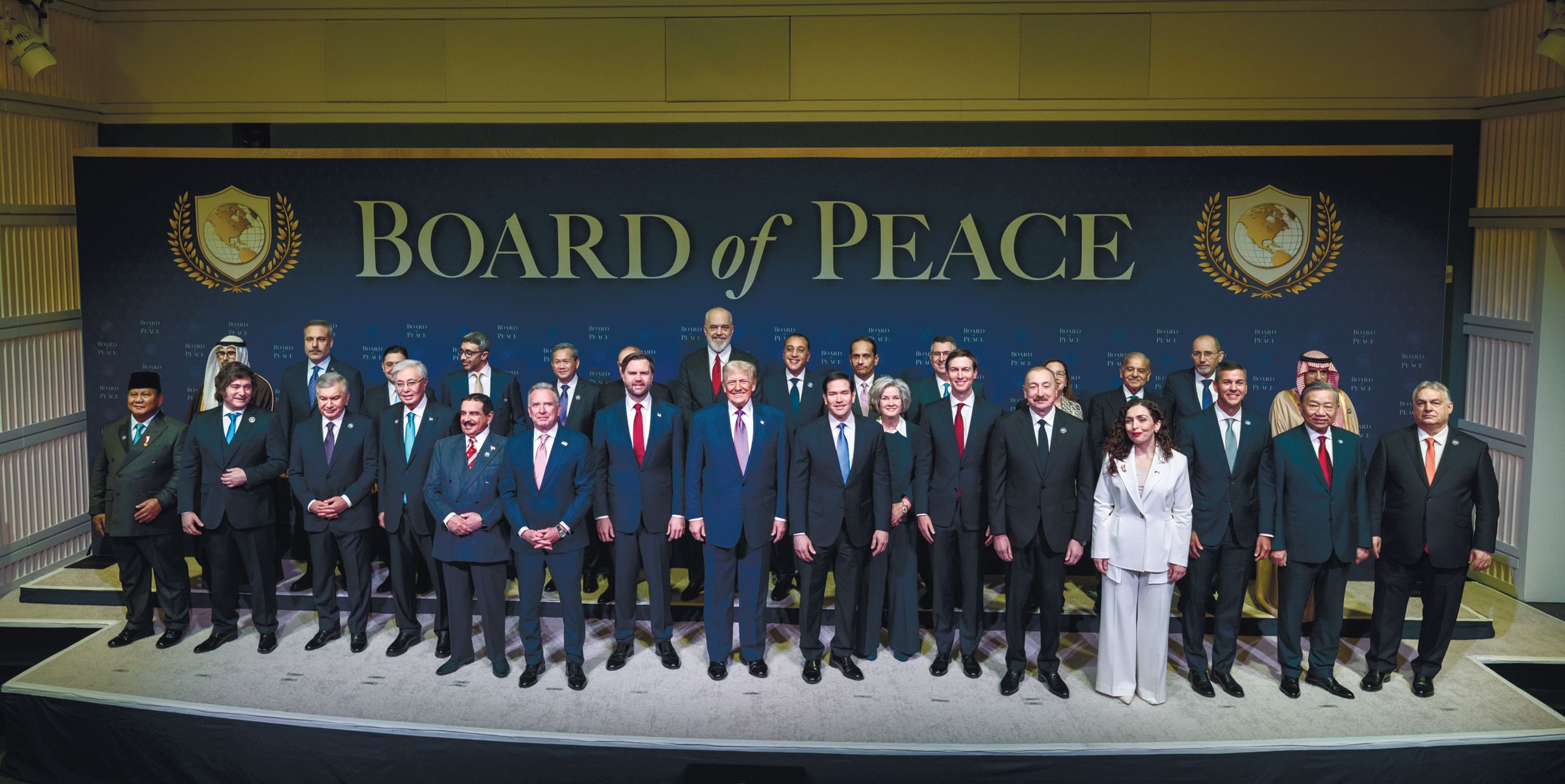
The much-anticipated inauguration of the Board of Peace has finally occurred. February 19, 2026, now stands as a pivotal moment in the annals of modern international relations, one that could shape the very framework of global security moving forward. With leaders from nearly two dozen nations in attendance, US President Donald Trump and his core team outlined the key features and underlying rationale of this groundbreaking initiative.
Role of Baku in the new balance of forces
As is widely recognised, the global order has been undergoing a profound shift in recent years, highlighting a growing disconnect between established governance structures and the evolving geopolitical and humanitarian landscape. Long-standing international bodies are showing clear limitations in addressing today’s threats, especially amid persistent armed conflicts and escalating humanitarian emergencies. With over sixty flashpoints of unrest—including the crisis in Gaza and the ongoing Russian-Ukrainian conflict—the sense of a deep-rooted breakdown in peace and security mechanisms is intensifying.
In this environment, the United Nations faces mounting scrutiny. Critics argue that it lacks the bold political will and essential resources needed to resolve disputes swiftly. Furthermore, the dilution of the UN Charter’s fundamental tenets is eroding confidence in the current global governance model, prompting nations to explore more adaptable and efficient avenues for collaboration.
This is the context in which the Trump administration has proposed the Board of Peace as an alternative or complementary tool for fostering peace. The project’s political groundwork was established at the Sharm El-Sheikh summit, attended by Azerbaijan’s President Ilham Aliyev. From the outset, Baku has been a staunch advocate for the endeavour.
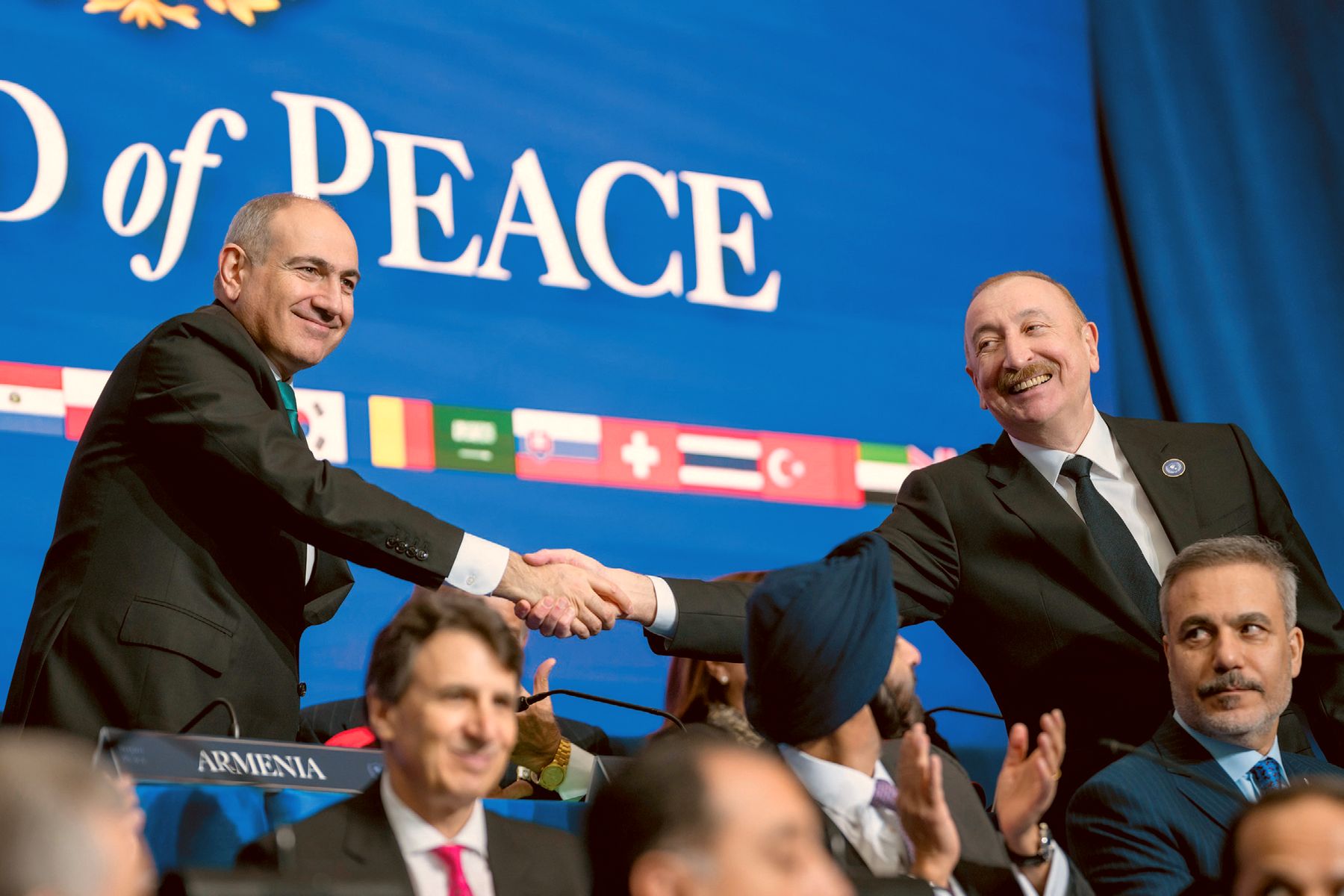
Azerbaijan’s entry into the Board of Peace as a founding member underscores the initiative’s political importance and mirrors Baku’s rising stature on the world stage. Bolstering this is Azerbaijan’s ongoing push for peace with Armenia, increasingly viewed as a model for resolving post-conflict issues through respect for sovereignty and international norms. Against this backdrop, Ilham Aliyev’s invitation to the Board’s inaugural session in Washington highlights his global standing and Baku’s contributions to peace-building efforts.
Especially striking was Donald Trump’s remark during the ceremony, spotlighting Azerbaijan as a key contributor to the new body. The US leader noted that Azerbaijan, alongside Kazakhstan, the UAE, Morocco, Bahrain, Qatar, Saudi Arabia, Uzbekistan, and Kuwait, had pledged over $7 billion in aid for Gaza. Washington, he added, stands ready to commit around $10 billion to Board of Peace initiatives there. Yet, the precise connection between these pledges and the Board’s membership dues or targeted programmes remains unexplained publicly, opening the door to various interpretations of its financial setup.
To dispel any speculation or ambiguity, Azerbaijan clarified its stance through a post on social network X by Presidential Assistant Hikmet Hajiyev. It affirmed that, as a founding member, Baku endorses the Board’s aims and might explore involvement in Gaza reconstruction investments down the line. However, it stressed that Azerbaijan is not part of the $7 billion Gaza aid package highlighted at the Board’s meeting.
That said, Azerbaijan’s hard-won expertise in extensive post-conflict rebuilding in Garabagh and Eastern Zangezur positions it as a valuable asset for international forums. Baku has previously extended humanitarian aid to Palestine via UN channels and bilateral arrangements, so future engagement by Azerbaijani entities in commercial investment projects cannot be discounted.
Tested by Gaza
The inauguration itself served not just as a ceremonial kickoff for the new entity but also as a forum to unveil a detailed US peace proposal for Gaza. Donald Trump emphasised that the Board’s scope could transcend the Palestinian situation, offering solutions for other disputes worldwide. The United States aims to transform Gaza into a “very successful and secure” region, he declared, suggesting that this model could be adapted with relative ease to other trouble spots.
European nations, though, have greeted this broad ambition with considerable reserve. While the Board of Peace concept gained some traction internationally after a UN Security Council resolution formalised the Israel-Hamas ceasefire, the majority of EU members have opted to stay on the sidelines for now. Lingering concerns in European capitals centre on the Board’s structural framework and its enduring authority.
An undercurrent of political envy might also colour Europe’s stance, given that the project bypasses conventional European frameworks, sidelining their influence in setting the terms and priorities.
Trump’s sharp response to the hesitancy of certain invitees was noteworthy. Acknowledging that roughly half are holding back from membership, he voiced optimism about their eventual inclusion while bluntly denouncing efforts to “play at a distance”. Such forthright language has only deepened reservations in some European hubs. For instance, French Foreign Ministry spokesperson Pascal Confavreux explained Paris’s absence by citing ongoing uncertainties over the new body’s scope and details. Reports indicate that Canada and several other Western allies share these qualms.
All the while, Gaza’s predicament continues to be dire, serving as a crucial proving ground for the platform’s viability. The area is split de facto between Hamas and Israeli forces, with vast humanitarian demands unmet and economic life in the enclave grinding to a halt. Here, the Board of Peace seeks to prove it can shift from lofty statements to tangible outcomes.
At the heart of the gathering was Trump’s pledge of $10 billion from the US for Board of Peace efforts in Gaza. Funds from all sources are slated to flow through a dedicated World Bank vehicle—the Gaza Reconstruction and Development Fund. World Bank President Ajay Banga explained that the Board would steer allocation decisions, with the Bank overseeing transparency and accountability, including via a dedicated financial overseer.
The meeting’s security discussions were equally charged. Disarming Hamas remains pivotal to a lasting ceasefire. Trump conveyed assurance in the group’s compliance but cautioned of a “very tough confrontation” if it falters.
Israel, via Cabinet Secretary Yossi Fuchs, signalled its preparedness to restart hostilities should disarmament miss the deadlines. Meanwhile, Palestinian technocratic committee chair Ali Shaat depicted Gaza’s on-the-ground realities as “extremely complex”, citing widespread devastation, pressing aid requirements, and precarious public order.
UN or Board of Peace
Trump’s comments on how the Board of Peace might interface with the UN sparked particular debate. He formally endorsed partnership with the United Nations but hinted that the new entity could eventually act as an evaluative watchdog over the global body’s performance. These implications partly explain why the European Union and various members rebuffed invitations, citing vagueness in the Board’s remit and potential overlap with UN roles.
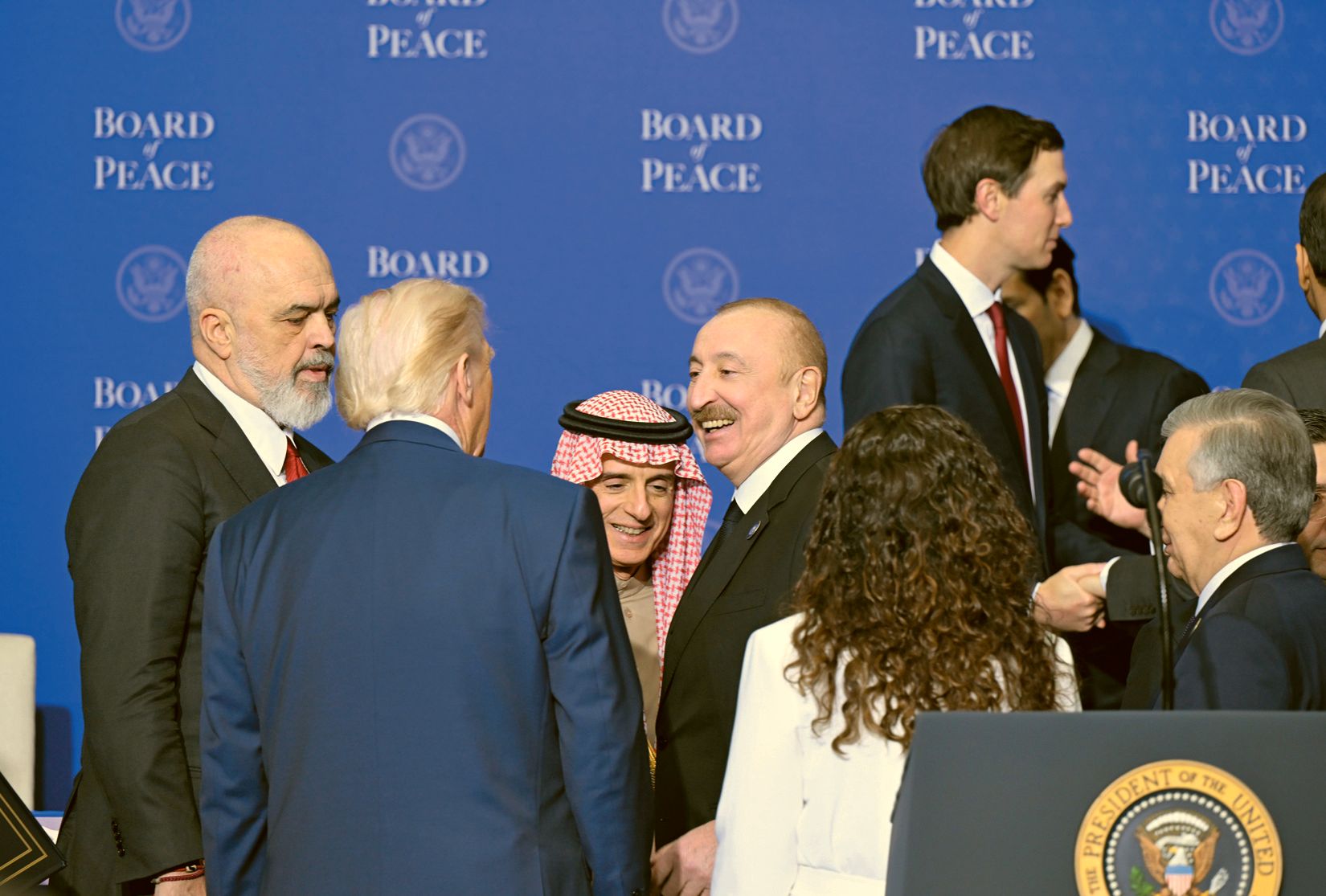
On the flip side, supportive voices emerged among attendees. Albania’s Prime Minister Edi Rama, a key Trump ally, clarified that he sees the Board not as a UN substitute but as a catalyst to “shake up” entrenched peacemaking approaches.
Other figures seized the opportunity to voice strong backing. Pakistan’s Prime Minister Shehbaz Sharif commended Trump’s diplomatic impact in the region, and Hungary’s Viktor Orbán reiterated his affinity for the US leader.
Taken together, the inaugural session exposed the Board of Peace’s ambivalent character: ambitious in finance and politics with backing from select countries, yet met with entrenched doubt from much of the world community. Thus, real-world progress in Gaza over the next few years will likely decide if the Board can solidify its place in the international peace framework.
Beyond that, the Board’s debut meeting addressed forming international stabilisation forces to oversee borders, uphold security, and demilitarise Gaza. Indonesia, Morocco, Kazakhstan, Kosovo, and Albania committed troops, with Egypt and Jordan agreeing to train police personnel.
The true efficacy of these forces—and the broader Gaza recovery strategy—will unfold in practice over the coming years. Ultimately, it could be this track record that seals the initiative’s destiny: the Board of Peace.
RECOMMEND:
 225
225

