

RAISING THE STAKES…
The Middle East on the brink of a major storm: a war reshaping the global order

Author: Samir VELIYEV
Since 28 February, the US–Israeli–Iranian confrontation has persisted. During this period, numerous forecasts have been made regarding the timing and manner of its conclusion.
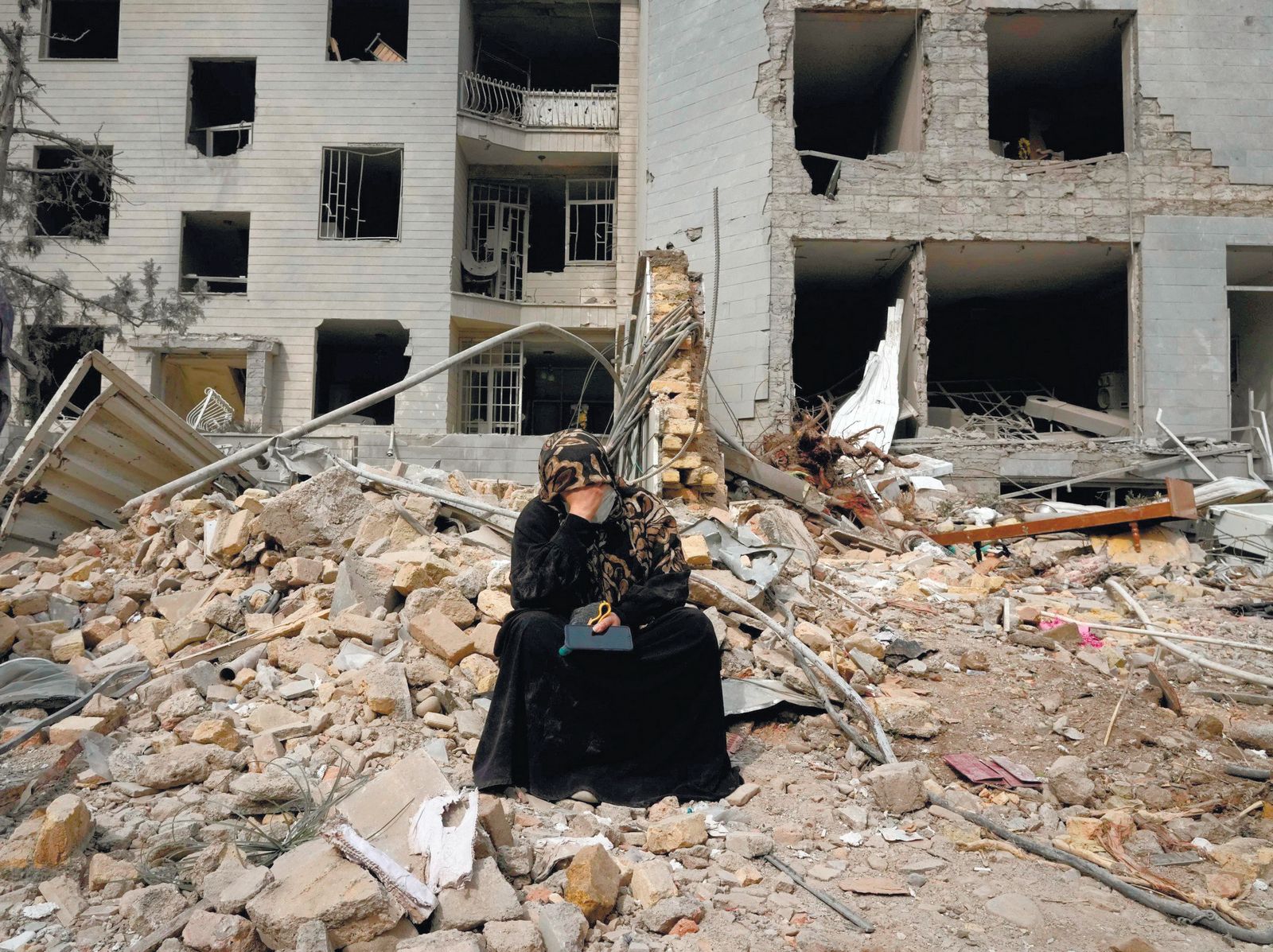
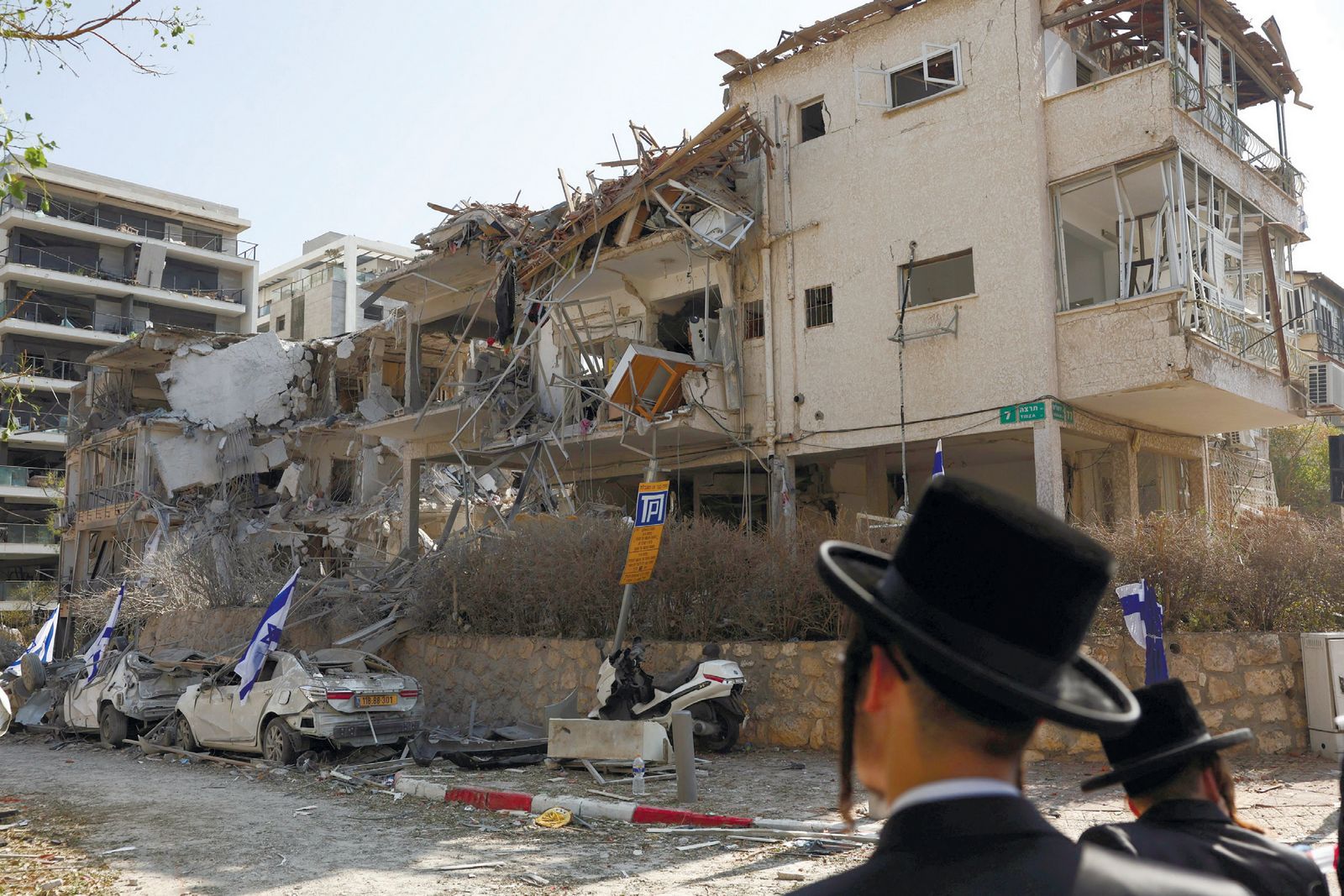
The war continues to escalate, resulting in a significant loss of life and a rapid deterioration in economic conditions. The region has not previously experienced a conflict of such magnitude, and this is the only point on which almost everyone agrees.
New wars, old rules
According to reports from the US and Israel, Iran has suffered significant military losses during this period. The primary strikes have been directed at the country's air defence system, aviation infrastructure and naval facilities. Western analytical centres estimate that approximately 200 air defence systems were destroyed in the initial days of the campaign, enabling the US and Israel to establish effective control over a substantial portion of Iranian airspace within the first 24 hours of the operation.
Iran's naval forces have also suffered significant losses. According to US command, more than 60 Iranian vessels, including major warships and auxiliary craft, were neutralised during strikes on bases and port infrastructure. It should be noted that certain episodes involved direct naval engagements. For instance, a US submarine sank the frigate Dena, resulting in the deaths of more than one hundred sailors.
The attacks also targeted aviation infrastructure. Military airfields, pilot training centres and weapons depots were subjected to bombardment. Consequently, a substantial proportion of Iran's aircraft was either destroyed on the ground or rendered unable to take off due to damage to airfields and logistics. Concurrently, strikes were executed against missile and drone production facilities. According to statements made by the Pentagon, this has resulted in a significant decrease in Iranian missile launches by approximately 90% and drone usage by 95% compared with the initial days of the war.
It is estimated that there are significant numbers of human casualties. According to various sources, more than 1,300–1,400 people have been killed in Iran since the start of the confrontation, including military personnel and members of the security forces, while the number of wounded runs into the tens of thousands.
As for US and Israeli tactics, they largely follow the model of modern high-tech campaigns. In the first hours of the war, so-called “blinding” strikes were carried out against radar stations, air defence systems and command centres, enabling rapid air superiority. This was followed by a second phase—systematic destruction of military infrastructure: missile launchers, depots, airfields, naval bases and defence industry facilities.
Thus, the operation unfolded according to a pattern typical of contemporary conflicts: first depriving the adversary of the ability to defend its airspace, and then degrading its capacity to conduct organised military operations.
Die hard
However, even such significant losses have not resulted in a swift resolution of the conflict. Iran's military strategy has historically focused less on direct confrontation with a technologically superior opponent and more on the ability to extend the conflict and increase the cost of war for the adversary. In accordance with this logic, even substantial losses of fleet, aviation and air defence systems do not necessarily result in a loss of capacity to resist.
Despite assertions to the contrary by the US military, Iran continues to actively utilise its missile capabilities and unmanned systems, which remain integral components of its military doctrine. Despite strikes on production and storage facilities, part of the mobile launch systems and underground infrastructure remains operational, allowing Tehran to carry out periodic retaliatory strikes. A substantial proportion of missile arsenals is usually situated in subterranean complexes, which makes them challenging to eliminate rapidly even in circumstances of complete enemy air superiority.
Furthermore, a key component of Iran's strategy involves the utilisation of regional proxies. Over many years, Tehran has systematically built and supported a network of allied armed groups across the Middle East. These groups are capable of opening additional fronts of tension, thereby expanding the geography of the conflict. This effectively establishes a mechanism for exporting the war to other regions. These tactics enable the Iranian leadership to partially offset losses in its regular armed forces and increase the cost of the conflict for its opponents by drawing in ever more arenas and actors.
Finally, the political factor must also be taken into account. Confrontations of this kind rarely end purely through military means. As economic costs rise, pressure on energy markets intensifies, and humanitarian losses grow, diplomatic channels become increasingly important. For this reason, despite the intensity of the fighting, experts are more frequently expressing the view that the decisive phase of the conflict is likely to be linked not to military operations, but to the search for a new political configuration of security in the region.
In the orbit of the conflict
In the context of the ongoing escalation, the risks for neighbouring states are becoming increasingly evident. Iran has already carried out missile and drone strikes on the territory of several countries in the region, and such incidents continue to occur. Consequently, the conflict zone is gradually extending beyond the initial theatre of operations, which increases the probability of further escalation of the crisis.
This dynamic creates the risk of drawing an increasing number of states in the Middle East and adjacent regions into the confrontation. Even isolated strikes on neighbouring territories have the potential to escalate tensions, as governments are compelled to respond both militarily and politically. Consequently, the conflict is gradually acquiring a regional dimension, in which each new attack may trigger a chain reaction of retaliatory actions.
Such incidents are also heightening concern among the states of the South Caucasus and Central Asia, which are located relatively close to the zone of hostilities. For them, the risks are associated not only with the military dimension, but also with potential disruptions to trade, logistics and the functioning of energy routes passing through the region.
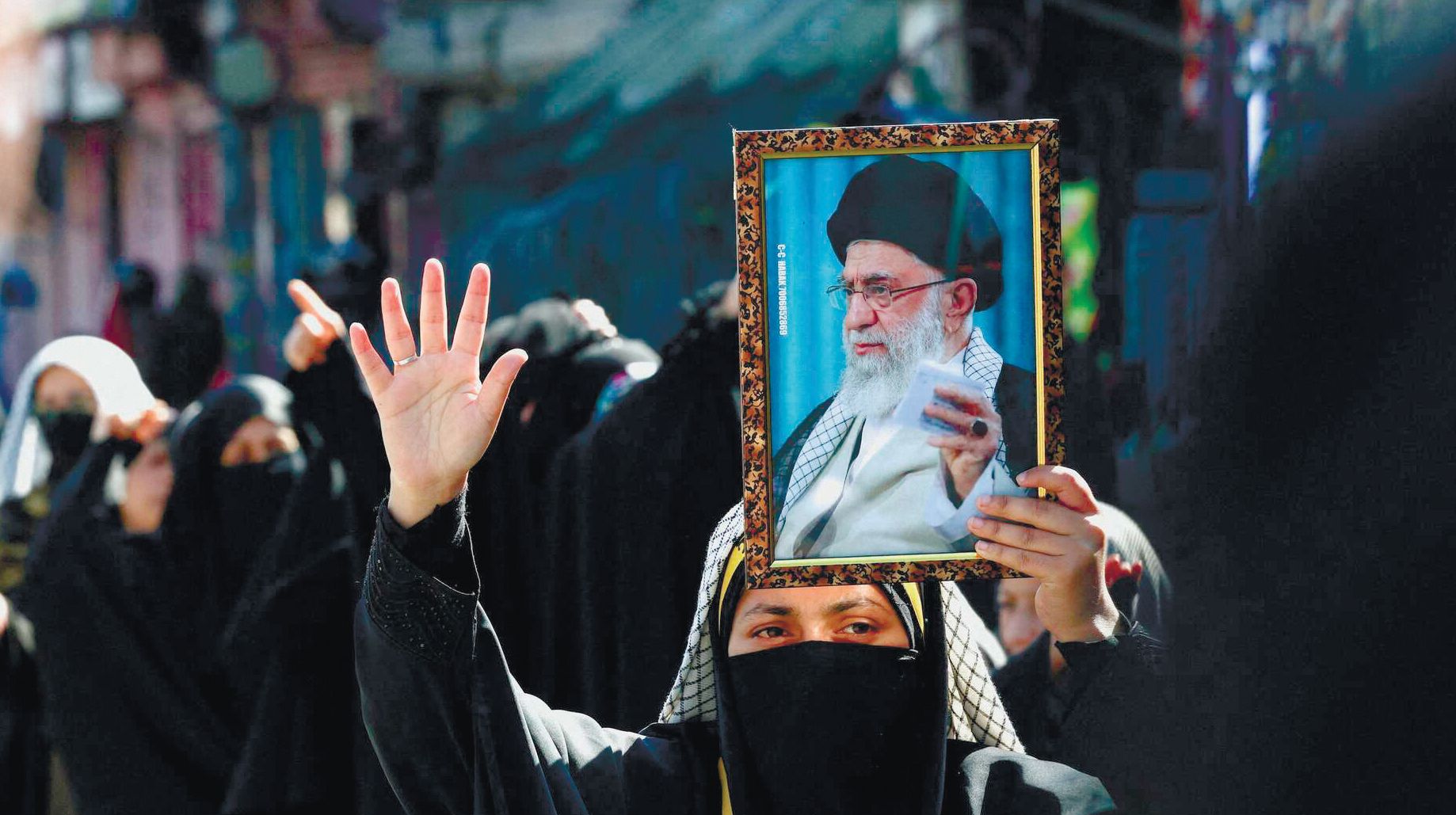
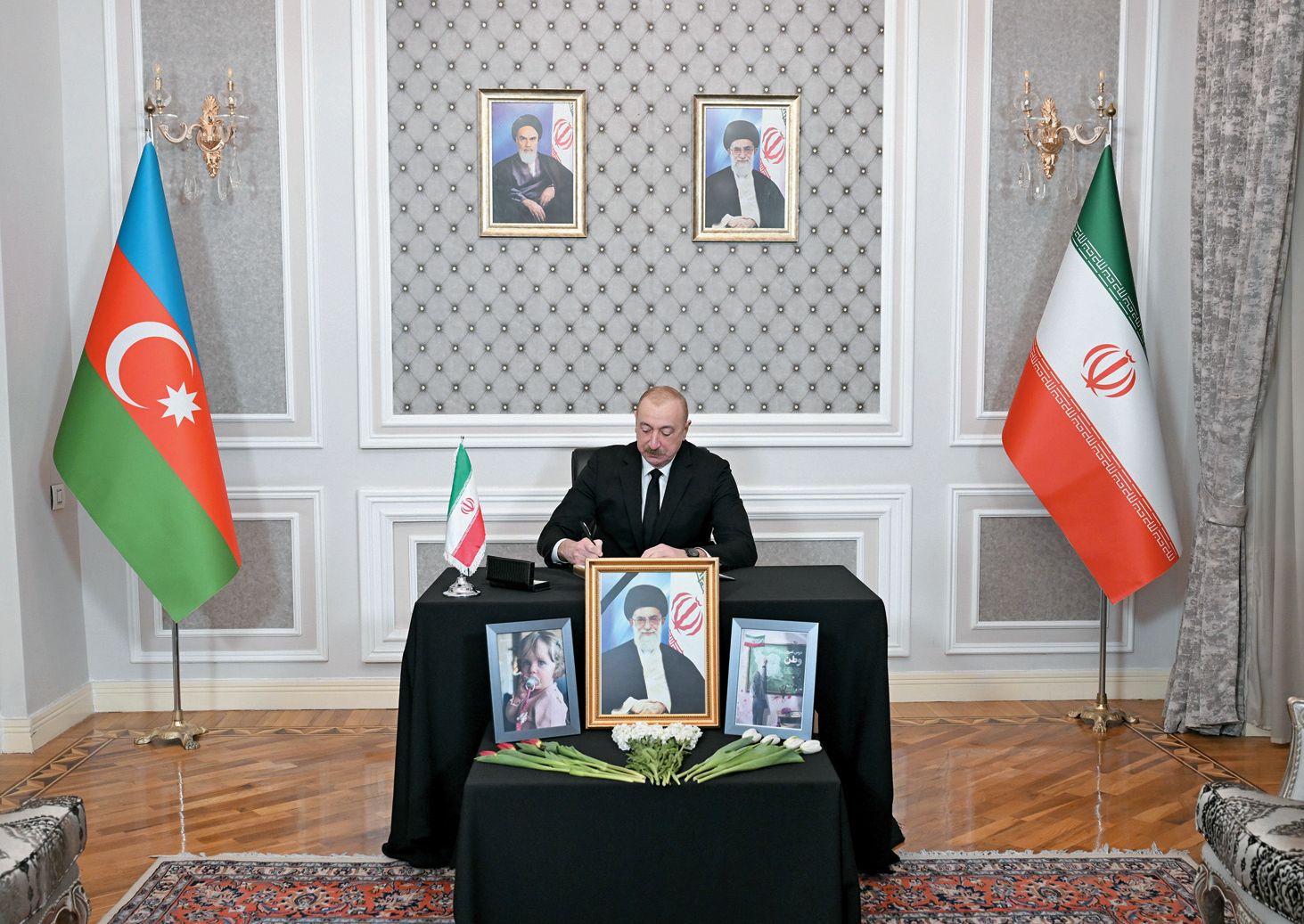
The risks of the conflict's expansion have been particularly acute in relation to Azerbaijan. Despite President Ilham Aliyev's expression of condolence to the Iranian side following the death of Iran's Supreme Leader Ali Khamenei, and his reassurance to Tehran, at the highest level, that no threat to the neighbouring state could emanate from Azerbaijani territory, tensions remain unresolved.
In the early days of the conflict, Nakhchivan International Airport, a key transport hub of Azerbaijan's exclave, was struck by drones. This incident has led to significant challenges for Baku, representing one of the most serious episodes since the start of the war. In response, a decisive action has been taken, resulting in temporary restrictions on air travel and enhanced security measures.
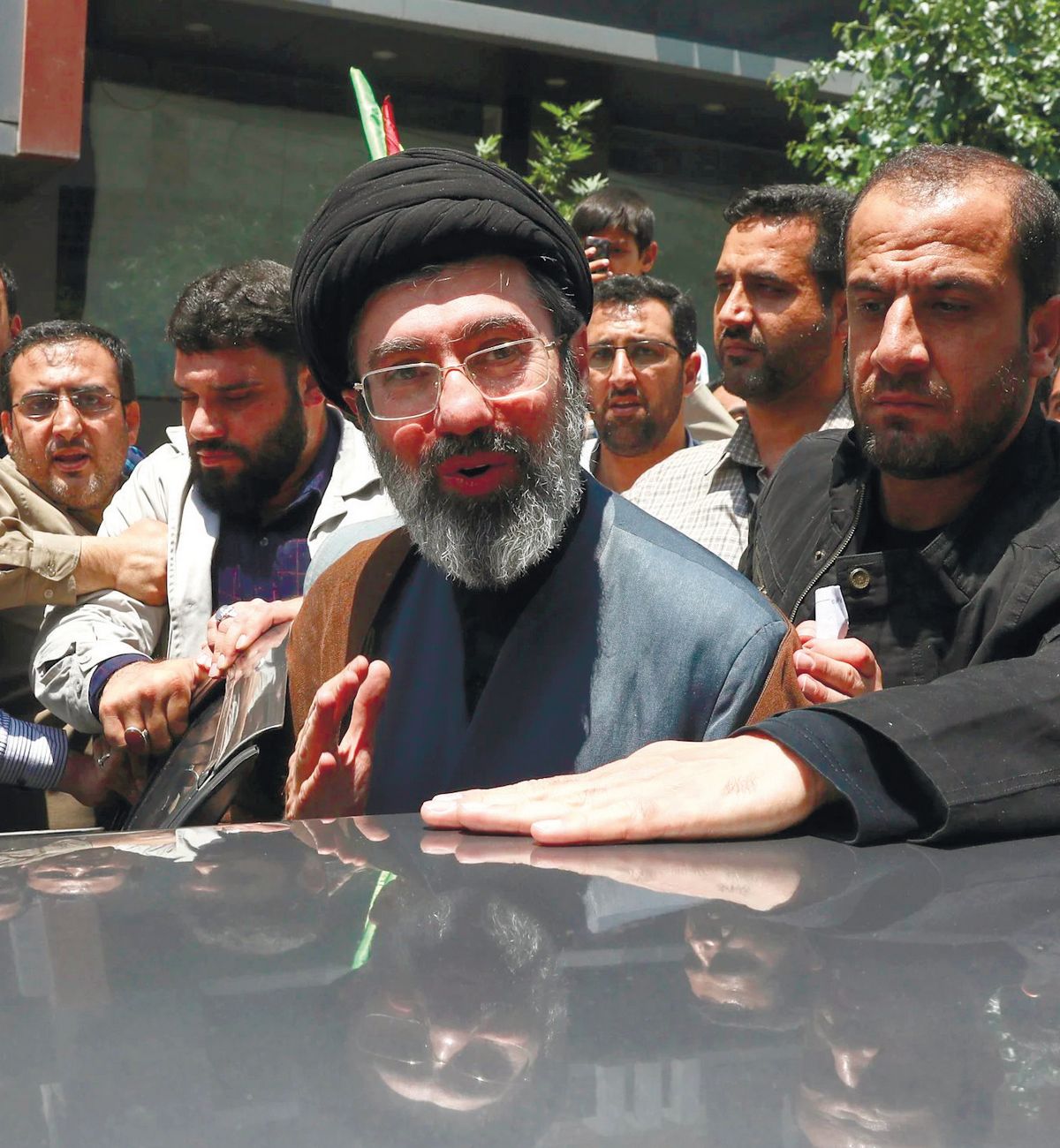
Tensions were partially reduced following a telephone conversation between Presidents Ilham Aliyev and Masoud Pezeshkian, held at the initiative of the Iranian side. Tehran provided assurances that such incidents would not be repeated, which enabled a gradual restoration of air traffic and transport movement in the region.
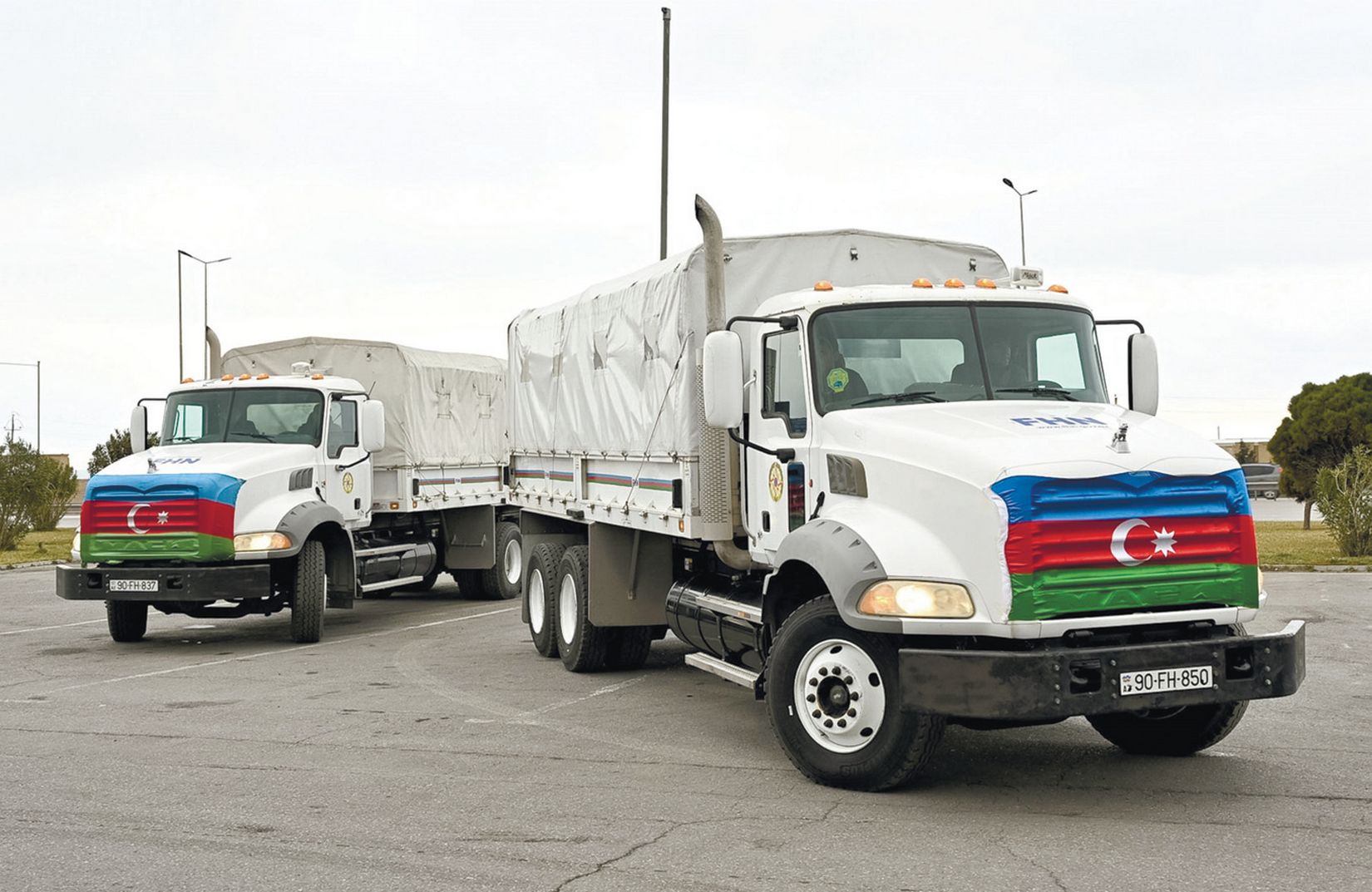
It is also noteworthy that on 10 March, just a day after the conversation between the two leaders, the President of Azerbaijan ordered the dispatch of humanitarian aid to Iran. The shipment included essential food supplies and medicines needed in the conditions of a military crisis.
This step was significant both humanitarian and politically. It is evident that Baku is committed to pursuing an independent regional policy while also seeking to reduce tensions with its nearest neighbour, where tens of millions of Azerbaijanis reside.
At the 9th Summit of the Organisation of Turkic States in Samarkand, Ilham Aliyev had already emphasised that the Turkic world is not confined to the borders of independent Turkic states and that the countries of the region must take into account the situation of compatriots living beyond their borders.
In this context, the decision to provide aid assumes added significance. It demonstrates Baku's commitment to a pragmatic foreign policy, complemented by a humanitarian dimension of regional responsibility. At the same time, this step can be interpreted as a signal to those forces within Iran that continue to view Azerbaijan with suspicion, and to speak of an alleged threat emanating from its territory. In the context of ongoing shipments of food and medicines, such allegations appear particularly unfounded.
The strait is closed—oil prices rise
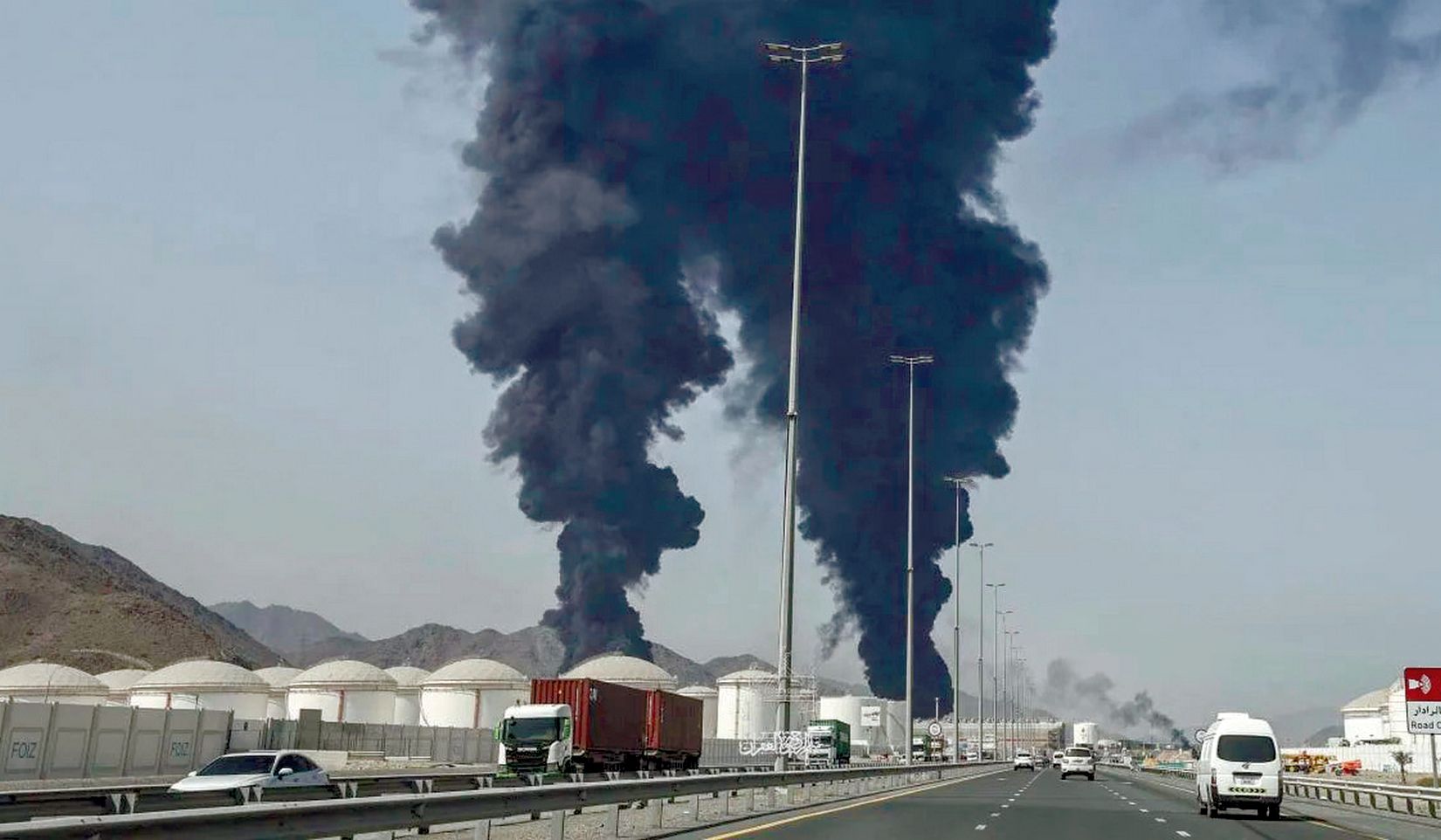
The economic consequences of the war are becoming increasingly evident. One of the most sensitive issues is the situation surrounding the Strait of Hormuz, a key artery of the global energy market. Approximately 20% of global oil supplies pass through this narrow maritime corridor, making it one of the most critical transport hubs of the world's energy system.
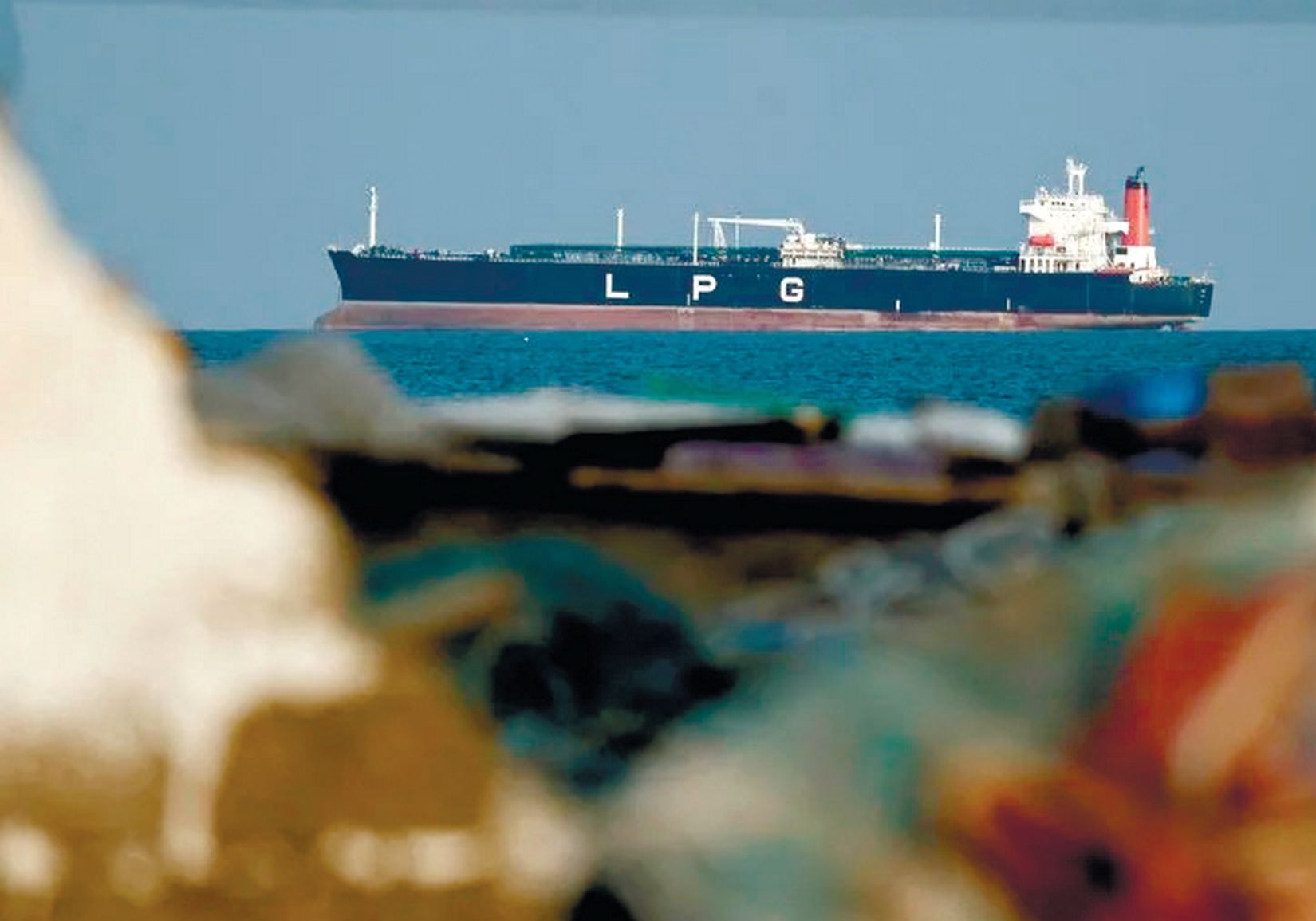
According to the latest data, there has been a sharp decline in shipping traffic in the area, as tankers and container vessels seek to avoid the region due to the threat of attacks. It is reported that since the start of the war, at least sixteen commercial vessels have been attacked in the waters of the Persian Gulf and the Strait of Hormuz.
Furthermore, due to the inherent risks associated with military operations in the region, insurance companies have started to decline providing coverage for vessels transiting the Persian Gulf, leading to a significant increase in the cost of maritime transport.
In the early days of the crisis, Brent crude prices exceeded $100 per barrel. In the event of further escalation, some forecasts are predicting a rise to $120–130. Consequently, the situation around the Strait of Hormuz is now regarded as a pivotal factor in determining not only the economic cost of the war, but also the pace of finding pathways to its resolution.
It is possible that Tehran is, to some extent, counting on precisely such an outcome. Prolonging the conflict, increasing its economic cost and intensifying pressure on global markets may gradually generate international demand for an end to hostilities and the search for a political compromise.
RECOMMEND:
 189
189

