

PERSIAN KNOT
Hormuz and Kharg become the epicentre of a global crisis
Author: Samir VELIYEV
More than one month after the start of the war in Iran, US President Donald Trump said in an interview with the Financial Times that what he most wants is to gain control over Iran’s oil industry, as was done in Venezuela. In this context, the question of possible external control over Kharg Island is gradually shifting from hypothetical scenarios to the realm of practical politics.
One way or another, it is already clear that even without implementing such plans, the consequences of the conflict have extended far beyond the regional framework. They have already affected global energy, influenced the dynamics of the war in Ukraine, and set in motion a redistribution of power in world politics. This is not just a conflict, but a process of restructuring the international system. Against this backdrop, on March 26, the G7 countries, at their latest meeting of foreign ministers, reached a principled agreement to ensure the safety of shipping in the Strait of Hormuz. The launch of this mission, however, has been postponed until hostilities between the US, Israel and Iran have completely ceased. The G7 countries have agreed to coordinate their efforts, but European members are for now refraining from sending warships, awaiting stabilisation of the situation in the region.
At the same time, the war continues—so stabilisation cannot be expected any time soon. The longer the conflict remains at high intensity, the deeper and more irreversible its consequences become.
Main intrigue—timing
In these conditions, the main intrigue is when and on what terms the war will end. The answer to this question is becoming increasingly uncertain, because each new stage of the conflict does not bring a resolution closer but, on the contrary, complicates it, expanding the circle of involved actors and raising the price of any potential settlement.
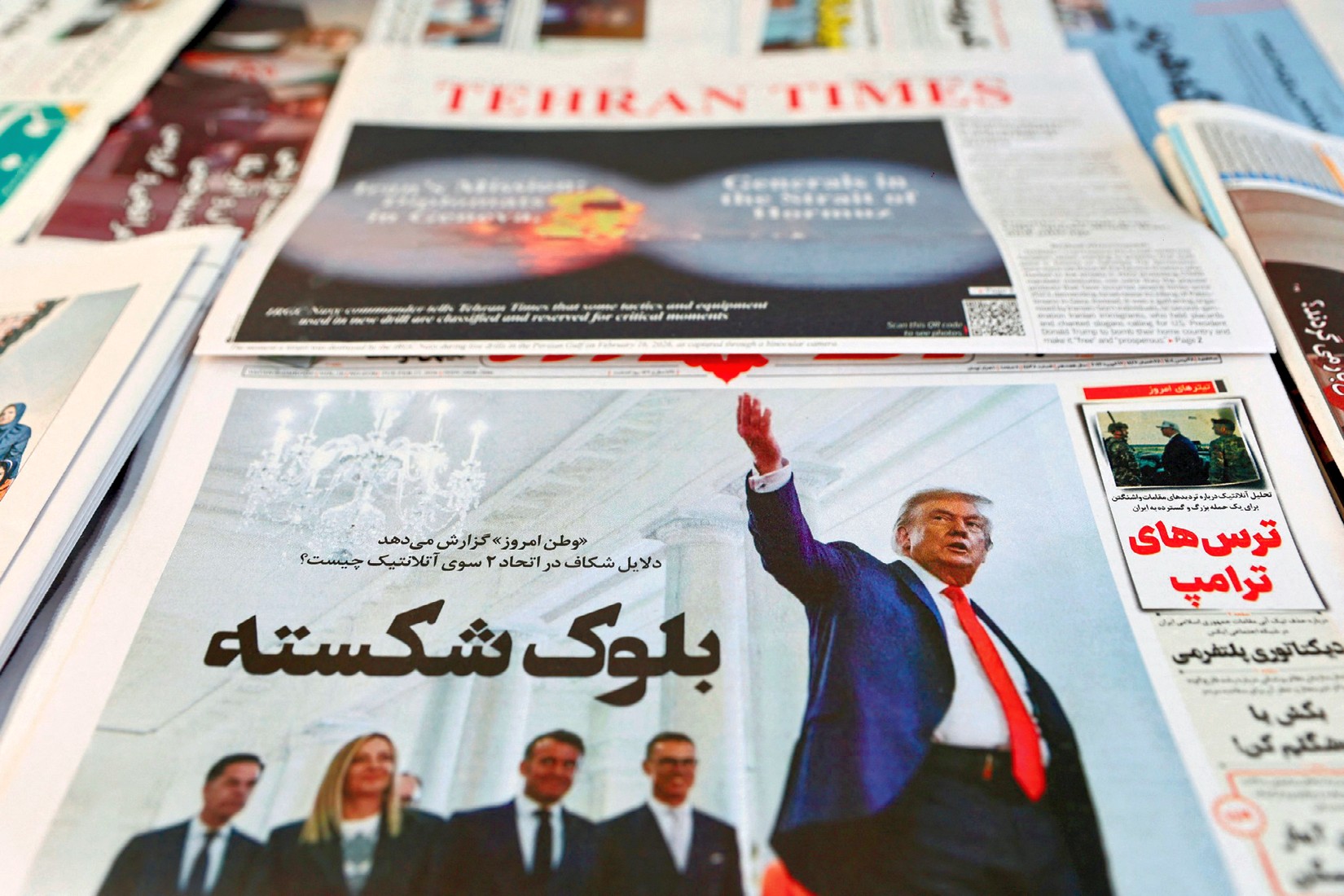
Statements and actions by the parties to the conflict also do not provide clarity. While US President Donald Trump repeats his talking points about ‘productive negotiations’, Iran’s foreign ministry says something completely different—that no negotiations are taking place, because after two attacks in nine months, Tehran no longer trusts American diplomacy.
Moreover, apparently seeking to give his statements more weight, Trump is entertaining the possibility of a truce with Tehran, within the framework of which the parties could reach a final agreement. This may also be done in the hope that Iran will acknowledge the existence of contacts with the Americans—which, it seems, do exist—and confirm this fact publicly. Washington needs this at least to show its war-weary public that the crisis is close to being finalised and that the US does not intend to be drawn into a long-term confrontation.
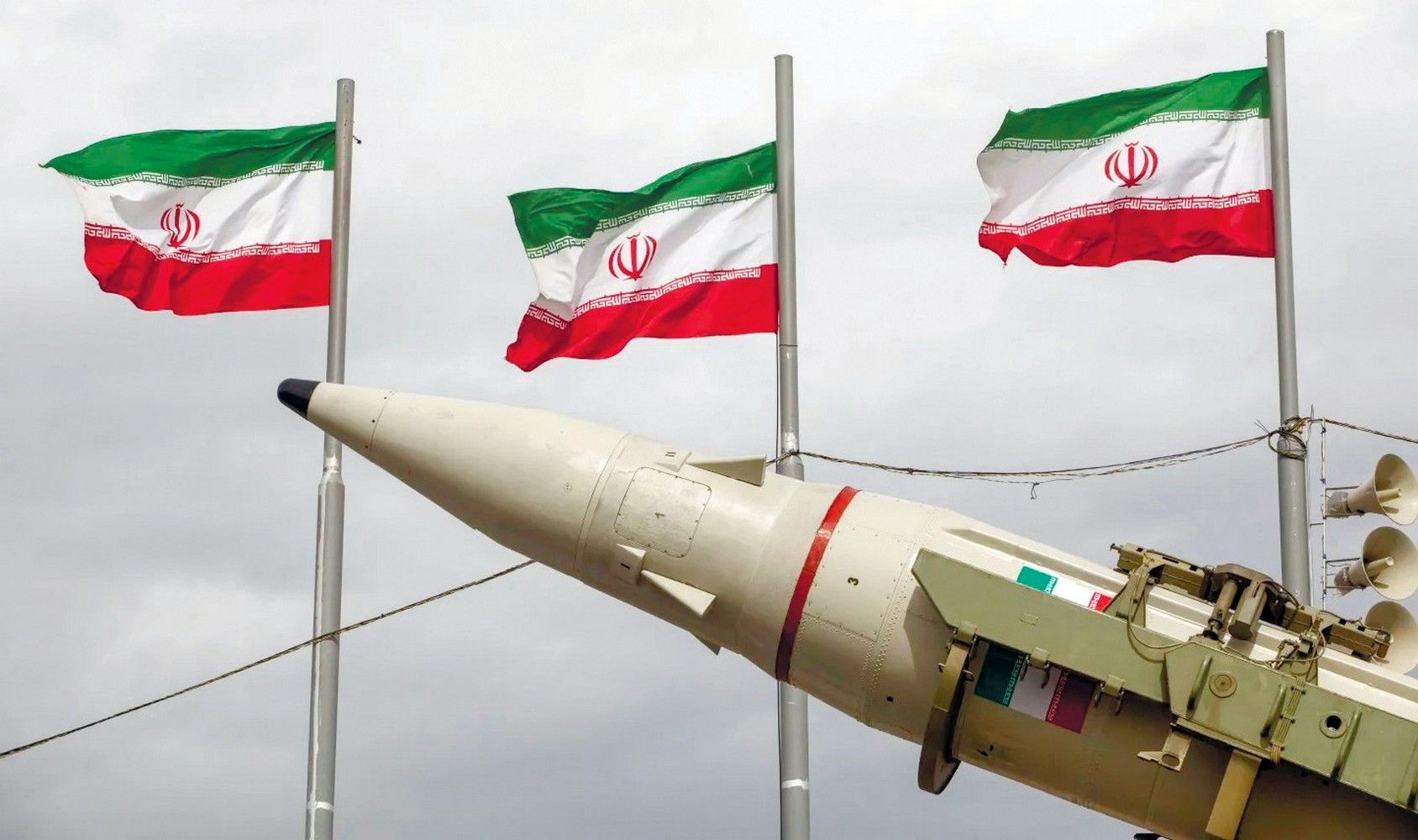
But why Iran would need this is a big question. Especially since it has little trust in the current US administration and still has plenty of capacity to resist. According to a Reuters report citing ‘five sources close to US intelligence’, only about a third of Iran’s missiles have been destroyed during the war. Another 30% are probably damaged or buried under rubble in underground tunnels and bunkers. This means that the current intense nature of hostilities could stretch on for many more weeks. And the consequences for the region will be even more severe.
Furthermore, the end of the military campaign in Iran is directly linked to the goals that the US and Israel originally set for themselves. One of the key tasks outlined by the US president was the destruction of Iran’s missile potential and ‘razing the missile industry to the ground’. Given that the country’s missile infrastructure is hard to access, and according to some estimates missile production still continues, it is reasonable to assume that a few weeks will not be enough to achieve these goals. Combined with another task—the complete destruction of Iran’s nuclear potential—this could conceivably take months.
Perhaps to hasten the denouement, the US side, judging by incoming data, is increasing the presence of its special forces, while the media space is increasingly filled with reports of a possible US ground operation on Iranian territory.
Potential targets include key points of Iran’s infrastructure—above all Kharg Island, through which a significant portion of the country’s oil exports pass, as well as the Isfahan area, where the main elements of Iran’s nuclear programme are concentrated.
US officials, meanwhile, publicly deny such scenarios, but their statements only heighten suspicions. Donald Trump, commenting on the situation, constantly hints that the conflict could end at any convenient time because the US has achieved its main objectives. Secretary of State Marco Rubio, for his part, indicates that any military campaign should be short-term—‘weeks, not months’—and not involve a large-scale ground presence. US Vice-President JD Vance generally avoids specifics and says the war will continue ‘for some time’ until the Iranian threat is neutralised.
It must be acknowledged, however, that a prolonged war cannot be part of the White House’s plans, especially ahead of the midterm elections in the autumn of this year. The Republicans’ approval ratings are extremely low, and if things continue in the same vein, they risk losing control of Congress. In these circumstances, it is critically important for the administration to keep the conflict within manageable boundaries and prevent it from turning into a protracted and costly campaign with unpredictable consequences.
Do the ends really justify the means?
Herein lies the key contradiction between the objectives and the actual state of affairs. Destroying Iran’s missile and nuclear capabilities takes time and a deeper level of engagement than Washington is ready to admit. It is proving impossible simultaneously to demonstrate resolve and avoid escalation.
The political logic of the US demands a swift end to the conflict, while the military logic, on the contrary, leads to its prolongation. It is this gap that will determine the further course of events.
Contradictions also remain over the issue of Iranian power. The US claims to have achieved regime change, but the facts suggest otherwise. The role of the IRGC has strengthened, the political system has not weakened but, on the contrary, consolidated, and the change of supreme leader has effectively not altered the general course—Khamenei was succeeded by Khamenei.
Against this backdrop, the US, through Pakistan, has presented Iran with a 15-point plan to end the war. In broad terms, it includes an immediate ceasefire and mutual renunciation of strikes, the launch of direct or mediated negotiations, and a phased lifting of some sanctions in exchange for strict restrictions and control over the nuclear programme.
Separate points concern the missile component—envisaging its limitation and a freeze on production, as well as enhanced international monitoring. The document also touches on regional issues, such as reducing the activity of proxy structures and providing security guarantees for the countries of the region.
At the same time, according to the plan, each step by Iran must be matched by mirror actions from the US. The problem is that the level of mutual distrust calls into question the feasibility of these agreements. It is no coincidence that Iran almost immediately rejected these proposals. Iranian sources were quick to state that Tehran will end this war only when it deems fit. And in response, Iran put forward its own, much shorter plan. It envisages the complete withdrawal of US military bases from the region, compensation for damage caused and, crucially, the provision of firm guarantees that the US will under no circumstances strike Iran in the future.
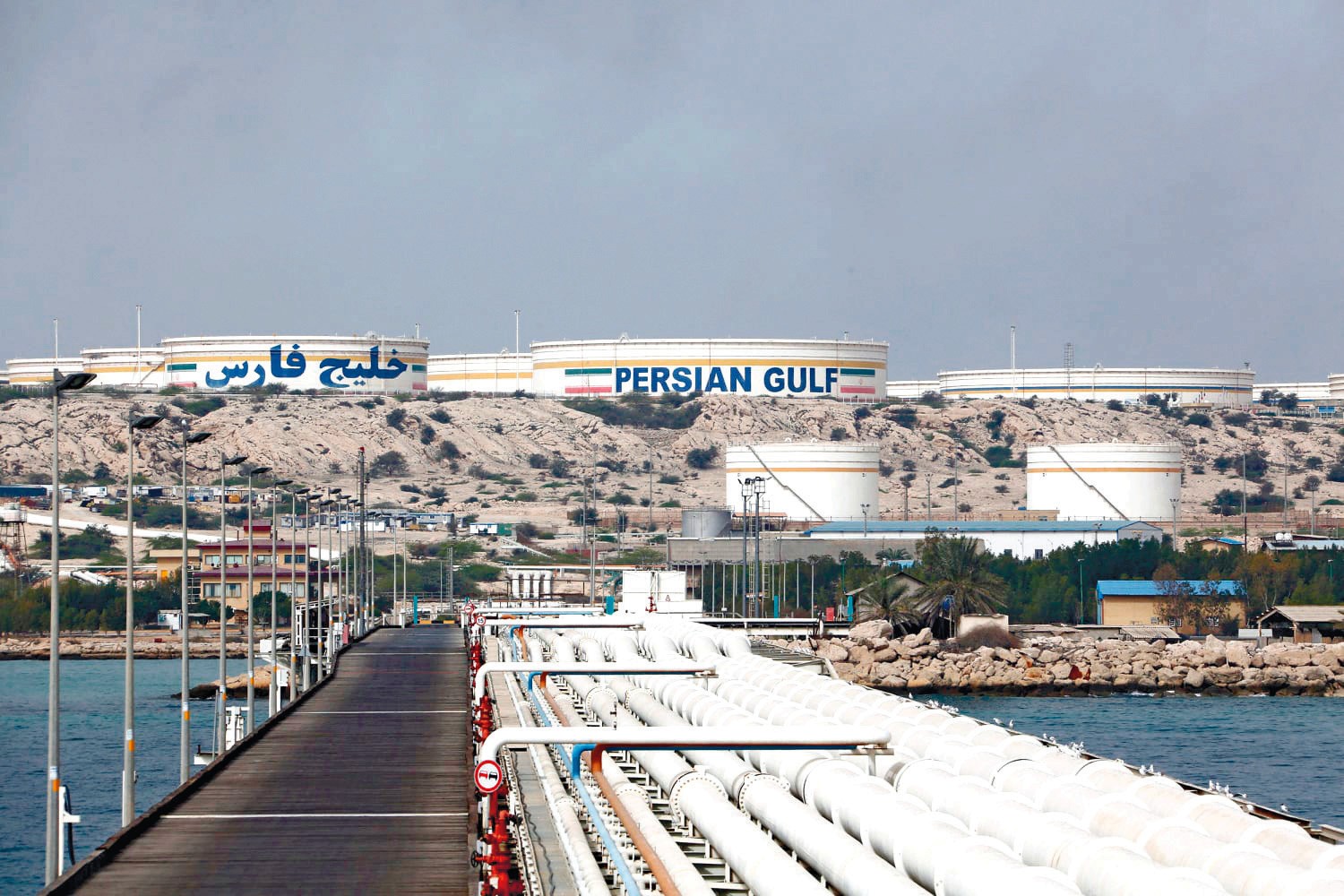
Meanwhile, the war is not only not abating, but is entering a more dangerous phase. Strikes are being carried out on critical infrastructure—primarily the oil sector. The key point is Kharg Island, through which up to 85-90% of Iran’s oil exports pass (about 1.3-1.5 million barrels per day under sanctions). Even a partial disruption of transportation is immediately reflected in the market.
No quick solution
In parallel, the geography and form of the war are expanding, increasingly involving drones, cruise and ballistic missiles. Strikes are being carried out not only directly but also through regional proxy structures. There is no front line, so strikes can occur simultaneously in different places—from the Persian Gulf to neighbouring territories.
A separate dimension is strikes on nuclear infrastructure. The Isfahan area, where the main elements of Iran’s nuclear programme are concentrated, is seen as a potential target. This is no longer just military escalation, but a risk of the conflict shifting to a qualitatively different level with unpredictable consequences.
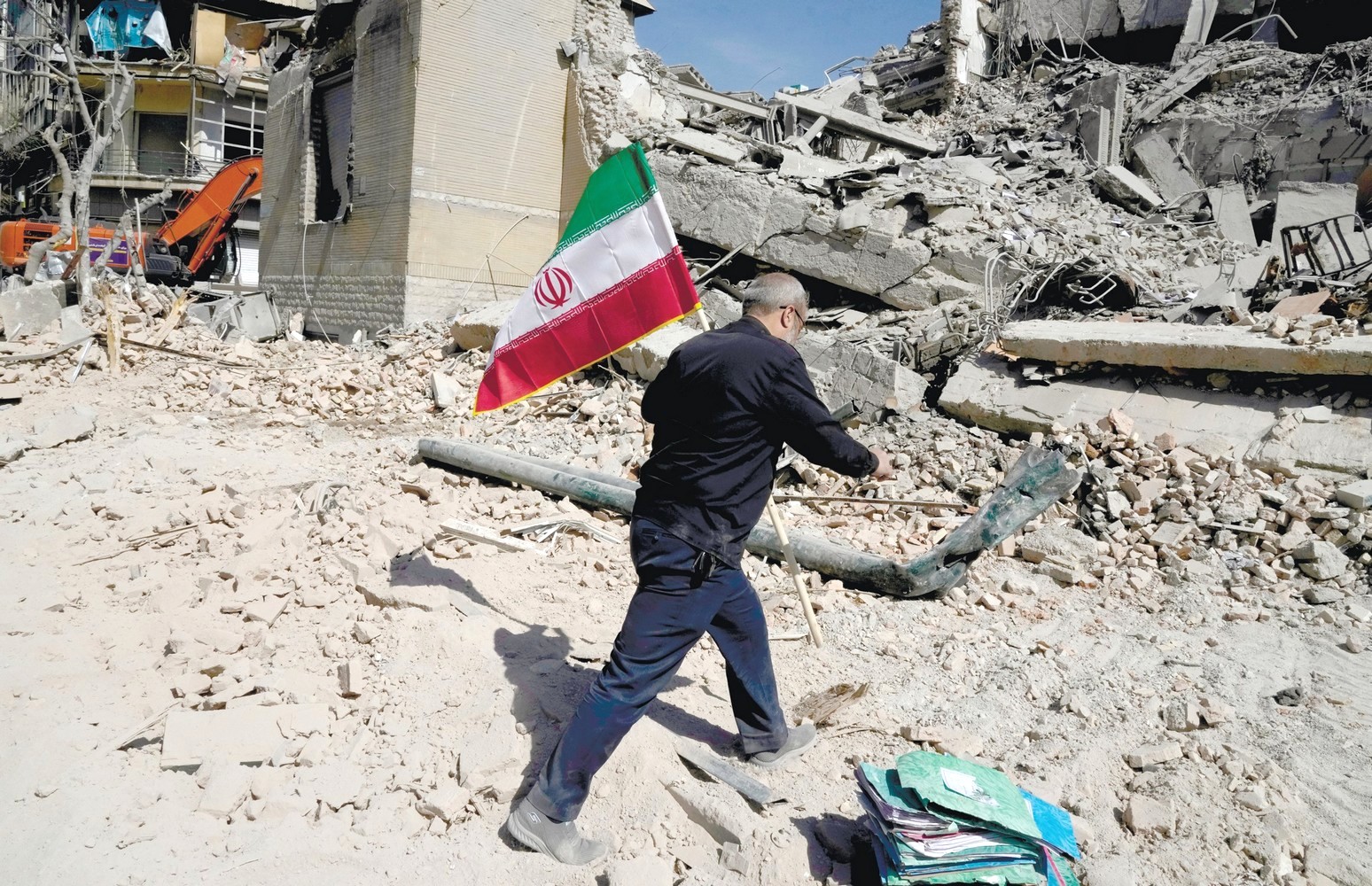
Inside the country, the consequences are also mounting. Disrupted logistics, fuel and electricity shortages, rising prices—all this is hitting the economy. Even without a full-scale ground operation, the economy is beginning to operate in crisis mode.
Social problems are also growing. In these circumstances, humanitarian aid to the country is becoming increasingly sensitive and significant. Azerbaijan is becoming one of the most important donors of such aid—by supporting its neighbour, it is also creating opportunities for other countries to help millions of people who have become hostages to a large-scale, bloody conflict.
For all that, Iran is not only defending itself but also actively retaliating. It is already striking at the infrastructure of the Gulf states—primarily oil facilities, ports and logistics. Even if the destruction is not always large-scale, the effect is serious: export disruptions, rising prices and a jump in the cost of shipping insurance.
Furthermore, Iran applies pressure through the sea. This includes attacks or threats to tankers, incidents in the Gulf, and the use of drones. Sometimes the threat alone is enough—shipping becomes nervous, routes change, and the market reacts with price hikes.
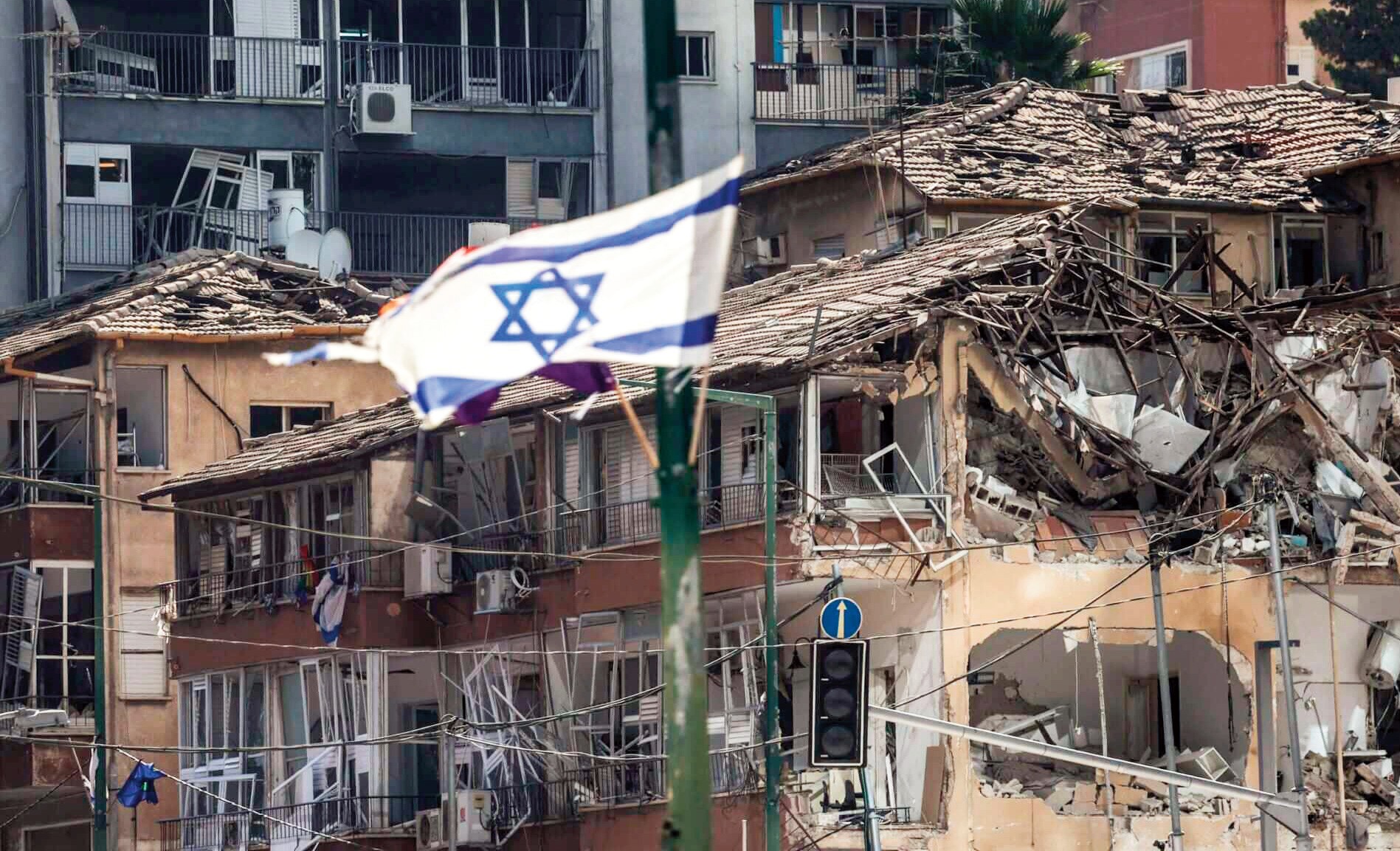
Iran is also striking Israel. Its missiles are in some cases penetrating air defence systems and reaching their targets. This confirms that Tehran still has a significant stock of missiles and drones. It is using medium-range ballistic missiles, cruise missiles and attack drones.
The tactic consists of launching large numbers of munitions at different targets simultaneously. Drones go first, then missiles—air defence systems become overloaded, and some strikes still get through.
In addition, Iran actively uses its allies in the region. Through them, it puts pressure on its opponents without engaging in direct confrontation everywhere at once. A particularly sensitive spot is the Bab el-Mandeb Strait, through which about 10-12% of world trade passes.
If attacks or even just increased risk occur there, ships go around Africa—adding 10-15 days to delivery and sharply increasing transport costs. As a result, Iran is not simply absorbing strikes—it is itself creating problems in several places at once: on oil, on logistics, on regional security. And that is what makes the war more dangerous and expensive for everyone—first and foremost for Tel Aviv. It is no coincidence that Israel’s state budget for 2026 is considered the largest in the country’s history. The defence ministry’s budget alone exceeds 142 billion shekels ($45.3 billion), which is a record. This indicates that the Jewish state is preparing for a long and drawn-out campaign—in other words, the war will not end any time soon.
RECOMMEND:
 191
191

