

LUNAR BARGAIN
The US and China entering new phase of rivalry for prestige and setting rules of space games
Author: Irina KHALTURINA
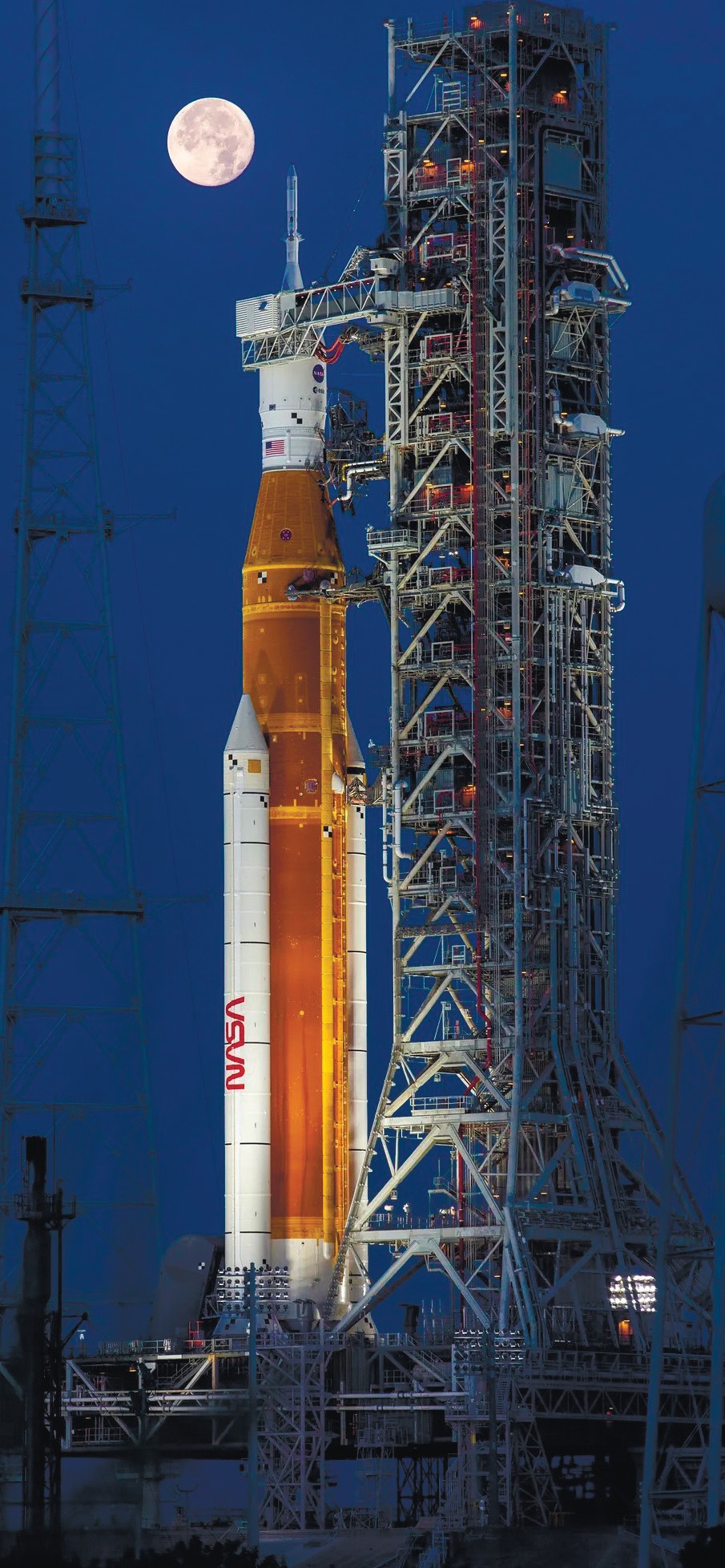
Since December 1972, when Apollo 17 made the sixth—and so far final—human landing on the Moon, we haven't made much real progress when it comes to flying to other planets. Therefore, the Artemis II mission, which launched on April 2, 2026, has become a true landmark event over the past fifty-plus years, essentially kicking off a new lunar race. The goal is no longer just to reach the Moon, but to stay there. The country that manages to sort of tame Earth's satellite, tap into its resources, and set up an infrastructure foothold will end up defining the technical standards for the next phase of space exploration.
What makes the Artemis II mission so valuable
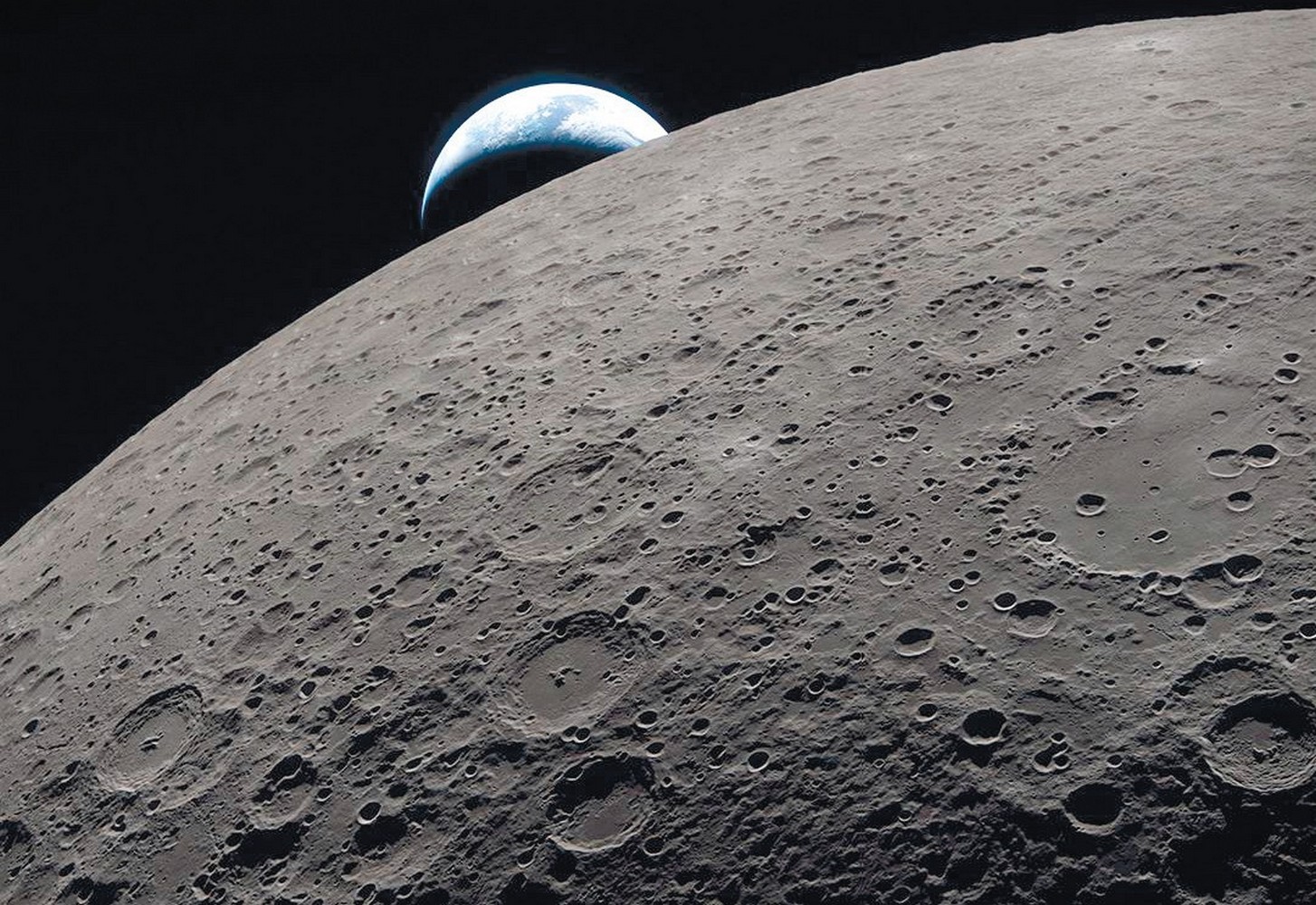
It was genuinely impressive. Artemis II travelled 406,771 km from Earth—farther than any mission in the history of space exploration—and flew over the far side of the Moon. In doing so, NASA astronauts Reid Wiseman, Victor Glover and Christina Koch, along with Canadian Space Agency astronaut Jeremy Hansen, beat the record set in April 1970 (400,171 km) by the crew of Apollo 13.
According to experts, both the rocket and the spacecraft performed well, while the crew showed outstanding professionalism and confidence in running onboard systems. A huge amount of scientific data was collected, covering lunar geology, crew health in deep space, radiation conditions, and communication tech. For the first time ever, humans got to directly observe certain areas on the far side of the Moon up close—like low-altitude aerial surveying. The astronauts took thousands of photos using 32 onboard cameras, documenting about 30–35 geological formations.
All this data will directly help with preparations for a lunar landing in 2028–2030, as well as future missions to Mars. The information gathered will help figure out, for instance, which slopes might be risky, which areas can support the weight of landing modules, and where resources might be located down the road.
There's particular interest in helium-3. This isotope is extremely hard to get on Earth and is seen as a potentially very efficient fuel for fusion-based engines. Helium-3 is incredibly rare on our planet, with production limited to nuclear reserves, whereas on the Moon it has built up over billions of years under the solar wind. Its main advantages are its safety and environmental friendliness, plus its essential role in cooling equipment to extremely low temperatures—which is critical for quantum computers to work.
Big hopes are also pinned on the Moon's polar regions. Some deep craters there are thought to stay in permanent shadow and might hold water ice, which could be used for drinking, making oxygen, and producing rocket fuel. That opens up the possibility of creating many resources on-site instead of hauling them from Earth. In short, what's at stake is control over humanity's future beyond its home planet.
The US vs. China competition
Notably, while the space race in the twentieth century was between the USSR and the US, today the main competition to get humans back on the lunar surface is between the US and China. NASA and President Donald Trump are aiming for a lunar landing as early as the start of 2028. The results of Artemis II suggest that this timeline is broadly realistic.
In 2027, as part of the Artemis III mission, plans include testing rendezvous operations with lunar landers built by Elon Musk's SpaceX and Jeff Bezos's Blue Origin. In 2028, NASA intends to land astronauts at the Moon's South Pole under the Artemis IV and Artemis V missions. If the Artemis program goes smoothly, NASA expects to build a base near the lunar South Pole by the mid-2030s, at a cost of $20 billion. That would then pave the way for Mars exploration, since launching from the Moon is much easier. It's worth noting that Artemis isn't just an American effort—it also involves Canada, EU countries, Japan, and others. It's a complex network of commercial and international partners under US leadership.
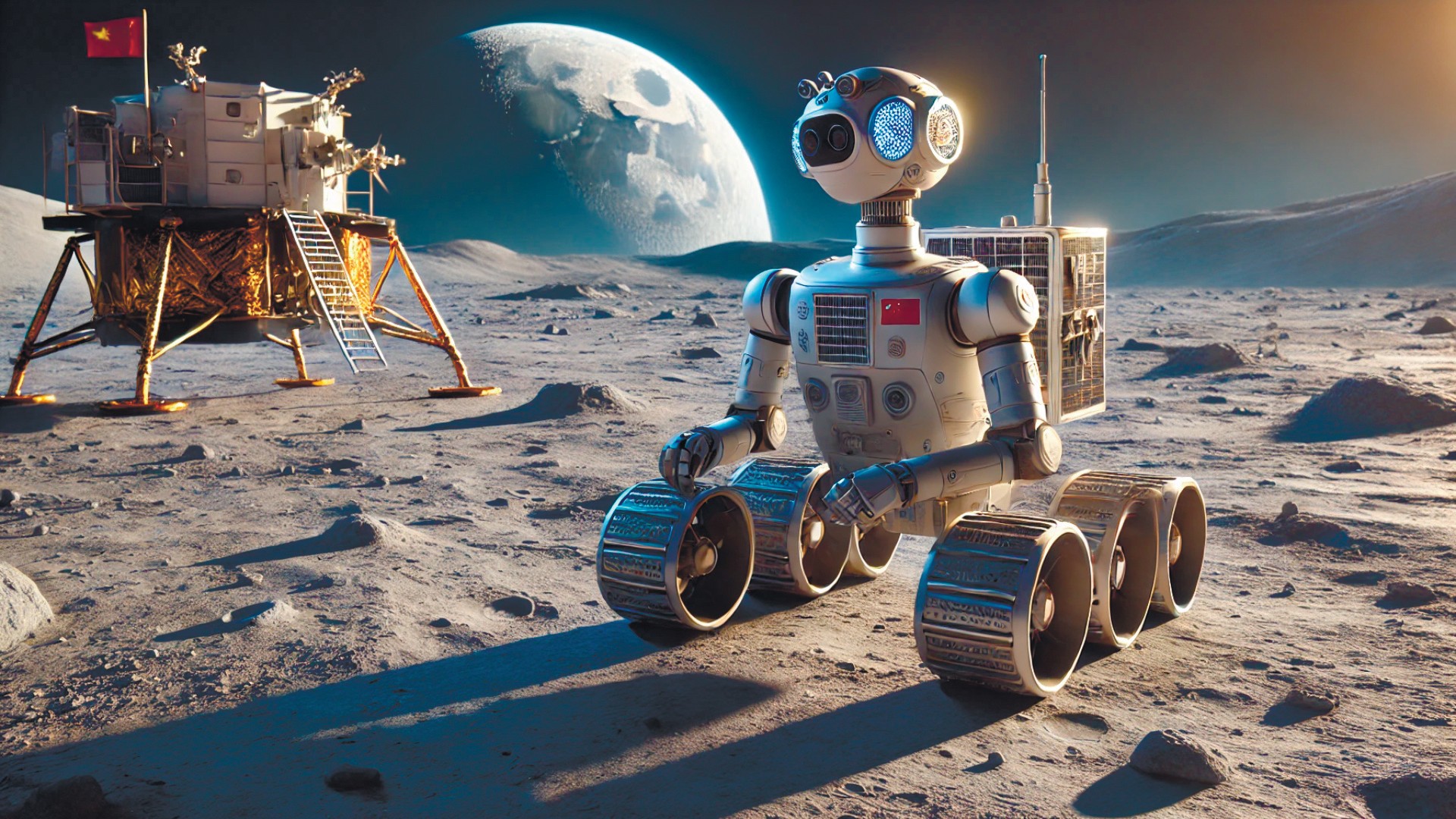
Meanwhile, China is making its own major strides toward sending astronauts to the Moon. Its timeline is broadly similar to that of the US—around 2030. Beijing has already tested a key component that the US is still developing: landing equipment. The crewed lunar lander Lanyue conducted landing tests last year using propulsion systems under conditions that simulate lunar gravity. A full-scale prototype successfully completed all stages: descent, landing, engine shutdown, ascent, and coordination between the main and control propulsion systems. Construction of new launch facilities in Wenchang to handle the Long March 10 rocket is also nearing completion.
There's also the Russian-Chinese International Lunar Research Station (ILRS) project, under which Moscow and Beijing announced joint plans in 2021 to build a shared research station on the lunar surface. The basic model of the station (at the lunar South Pole) is expected to be finished by 2035, with an expanded version by 2040. Already, 17 countries and international organizations, along with more than 50 research institutes, have joined the project, with particularly active participation from the Middle East and Latin America. China presents the ILRS as an "open platform"—a kind of "lunar Silk Road."
An expensive Moon
It's clear that when it comes to space—especially building bases on other celestial bodies—money is the deciding factor. The US Congress is currently discussing allocating up to $10 billion for lunar exploration projects in 2026. China's spending is estimated at roughly similar levels—$8–12 billion per year. Moreover, in China this isn't just one-off funding but part of a defined five-year plan (2026–2030), in which space has been designated a "pillar sector of the economy."
Overall, analysts estimate that by 2050 the global space economy could reach $10–20 trillion. Over the past five years, average annual investment growth in lunar start-ups has ranged between 45% and 50%—many times higher than in the space sector as a whole. This is despite the fact that no clear timelines for returns on investment have been set yet, since the vast majority of market participants are still in the research and development stage. These are projects with horizons of 50–100 years.
In the near future, the Moon is likely to become a routine—and possibly the most profitable—destination for business, while also developing its own "zones of influence." While China's program is based on long-term state planning, strong government support in the US is combined with private investment. Which approach ultimately works better will become clear soon.
NASA, for instance, works with Elon Musk's SpaceX and Jeff Bezos's Blue Origin, which are locked in intense competition with each other. Some experts warn that this makes NASA dependent on companies it doesn't control. Either way, private companies have already transformed the economics of getting to space by lowering launch costs, while at the same time making regulation and oversight more complicated. States, on the one hand, strive for "space sovereignty," yet on the other hand increasingly rely on global supply chains and commercial providers.
Russia: advantages but no funding
As for Russia, only 5% of its private SpaceTech companies are developing solutions for the orbital and lunar economy. In other words, funding in this sector lags far behind, even though the country still has notable competitive advantages in nuclear energy, materials science, and achievements in fundamental science, as well as more than 60 years of continuous human presence in space.
According to experts, on this foundation Russian space exploration could, in theory, even aspire to crewed missions to Mars. Some time ago, there was talk of a breakthrough by Russian scientists in developing a plasma propulsion system, though it has yet to be tested under real conditions. Such an engine could significantly cut the travel time to the Red Planet. However, turning these developments into working programs would require large-scale and sustained investment—something extremely hard to secure given the sanctions pressure Russia's space industry has faced since 2022. As Roskosmos head Dmitry Bakanov noted, for Russia space has always been more than just a sector of activity—it has effectively been part of the national idea and a source of inspiration for society as a whole. The question, though, is whether Moscow will manage to convert its accumulated scientific potential into tangible assets before Western players finally close the technological gap.
Thus, it's clear that amid rising global geopolitical tensions, competition among the world's major powers has sharply intensified in the space domain as well. In effect, space is ceasing to be a "neutral territory" for scientific progress. It's no longer just about "rockets and stars," but rather a complex mix of technology, vast financial resources, law, economics, and strategy.
At the same time, it's clear that all participants in the space race will ultimately have to develop common approaches to key aspects of lunar and deep space exploration—particularly regarding safety and compatibility. Without at least minimal shared rules, the competition in space risks turning not only into a theatre of fierce political rivalry, but also into a source of accidents and conflicts that could threaten all of humanity.
RECOMMEND:
 136
136

