

BUDAPEST SPOILS THE GAME
The opposition’s sensational victory shifts the balance of power in Europe and calls Hungary’s previous course into question
Author: Samir VELIYEV
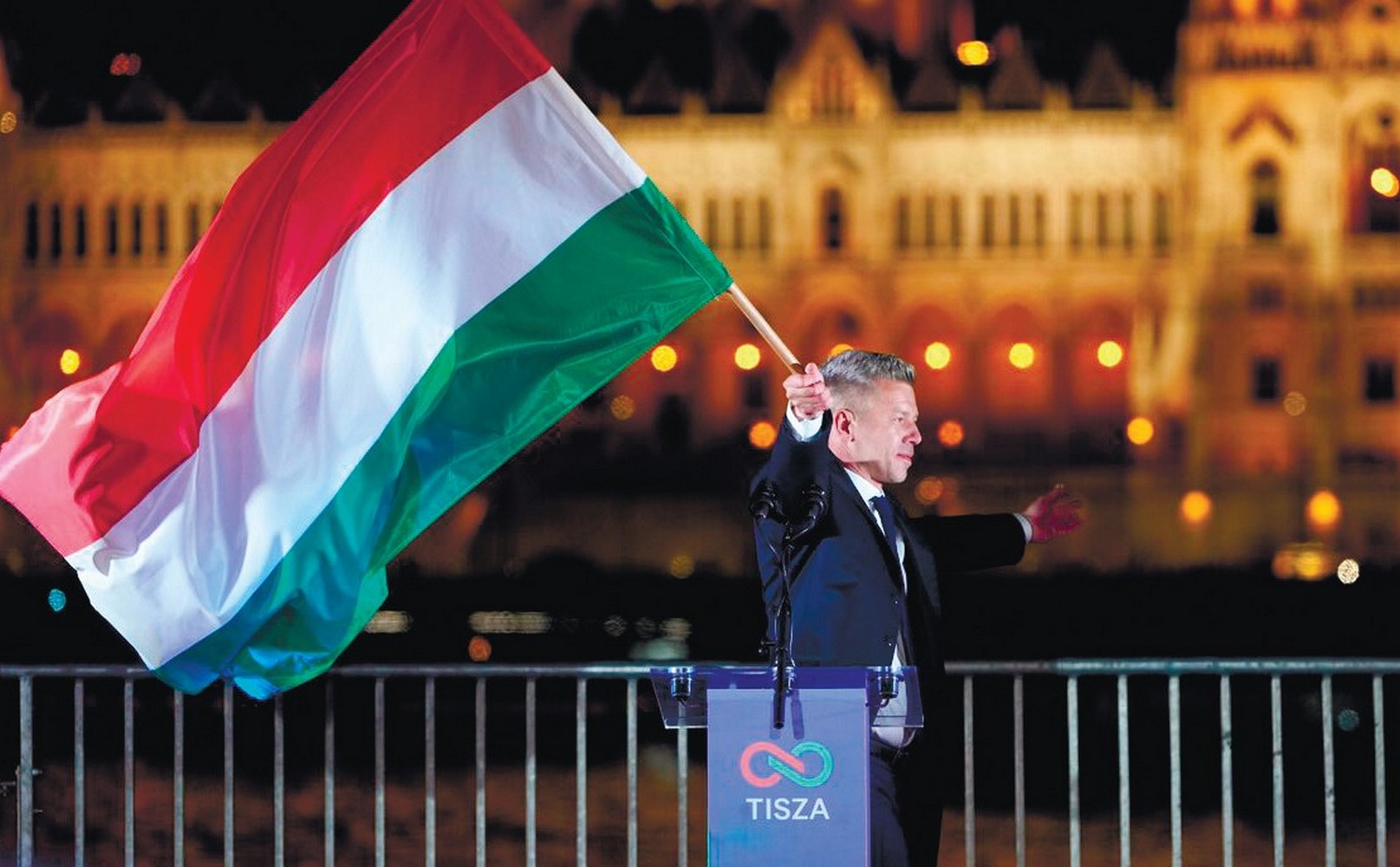
This could mark the conclusion of one of the most significant periods in the history of the modern Hungarian state. We are currently in an era that can rightly be termed the 'Orban era'. In the recent parliamentary elections held in the country, the party led by opposition politician Peter Magyar secured a convincing victory under the name 'Tisza'. This name is both familiar and dear to every Hungarian. The Tisza is a river that, like the Danube, runs through the entire country from north to east. However, in contrast to the Danube, it traverses regions predominantly inhabited by Hungarians. It serves as a unifying symbol for Hungarians residing in neighbouring countries, fostering a sense of national unity.
Elections with a key protagonist
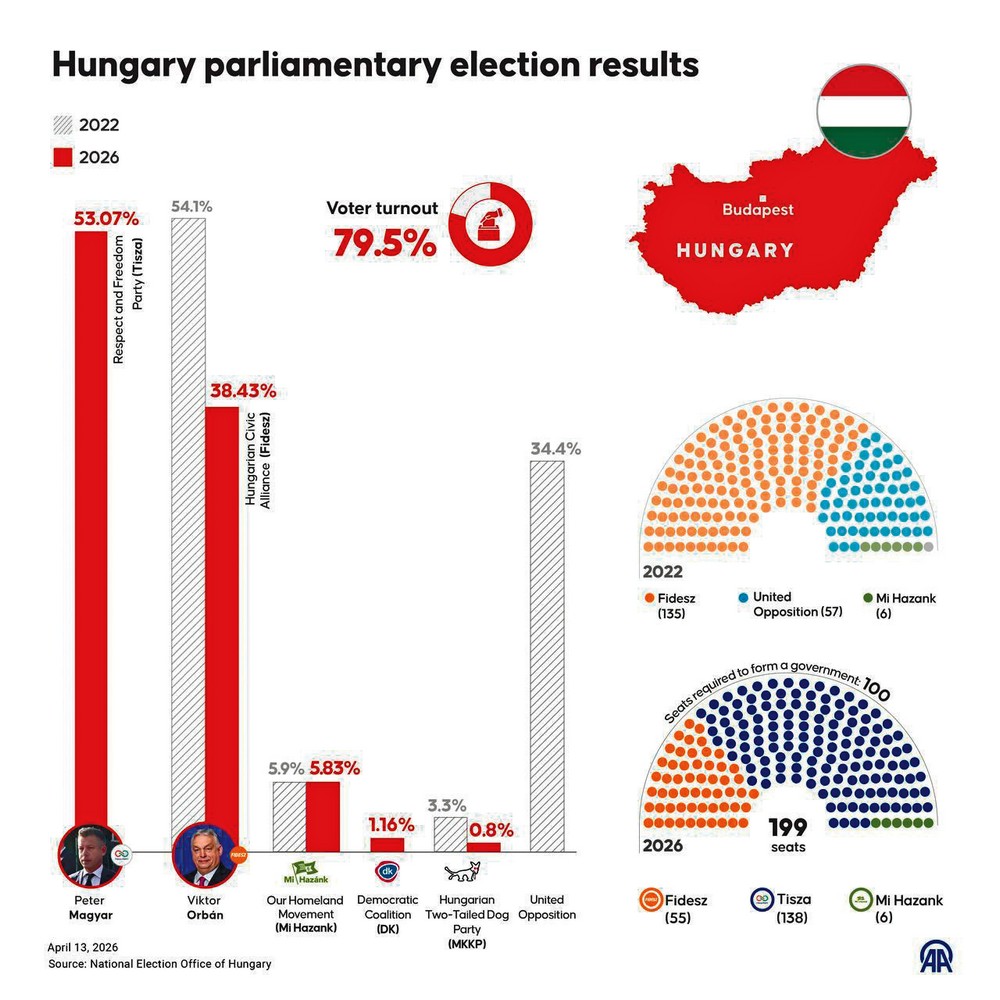
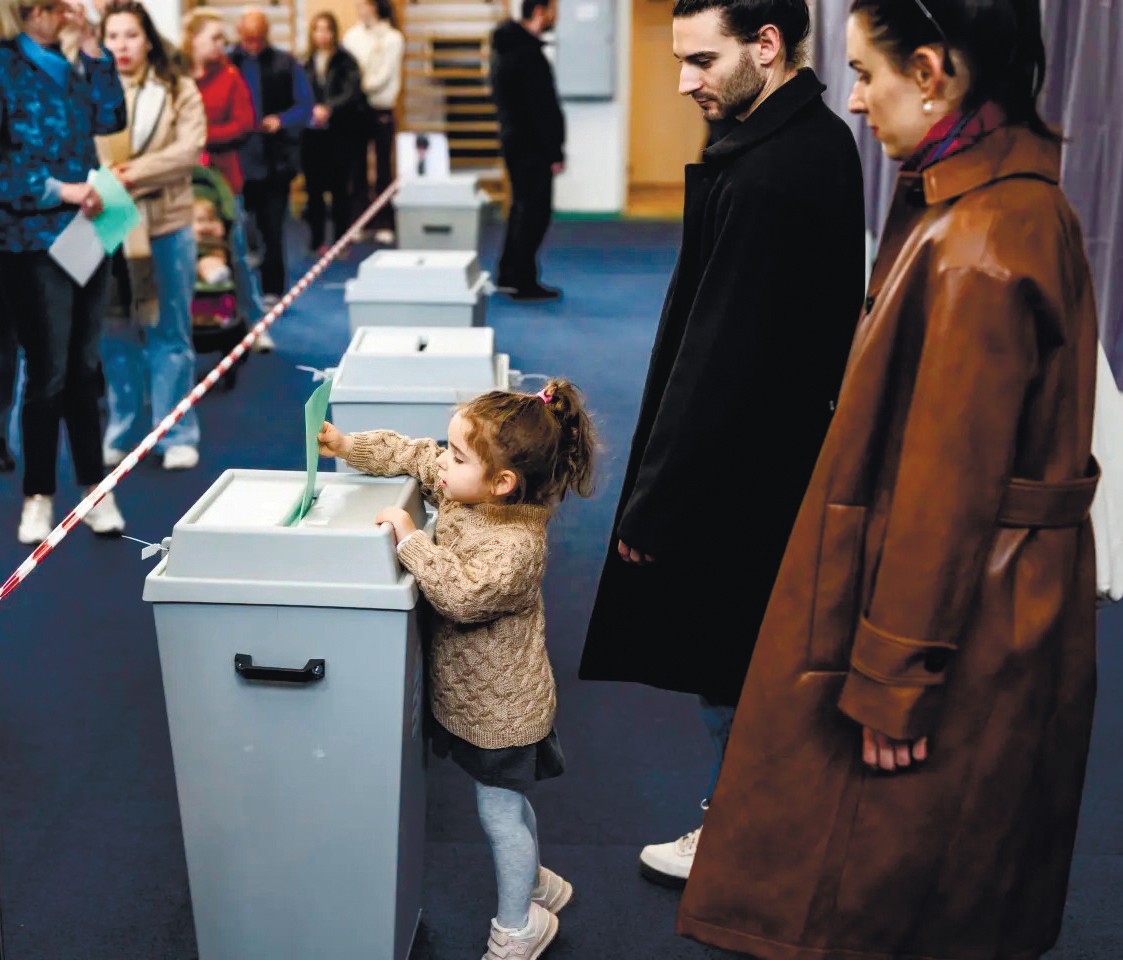
In these elections, Hungarians demonstrated impressive unity once again: voter turnout was almost 80%. This is an unprecedented development in the history of the country's election campaigns. With almost 99% of the votes counted, it is clear that the majority of citizens have voted for the opposition party Tisza. This means that Tisza will secure 138 of the 199 seats. This outcome is predicted to result in the formation of a constitutional majority within parliament. It is notable that the country's incumbent Prime Minister, Viktor Orban, acknowledged the results within the first few hours after the election and congratulated his rival on his victory.
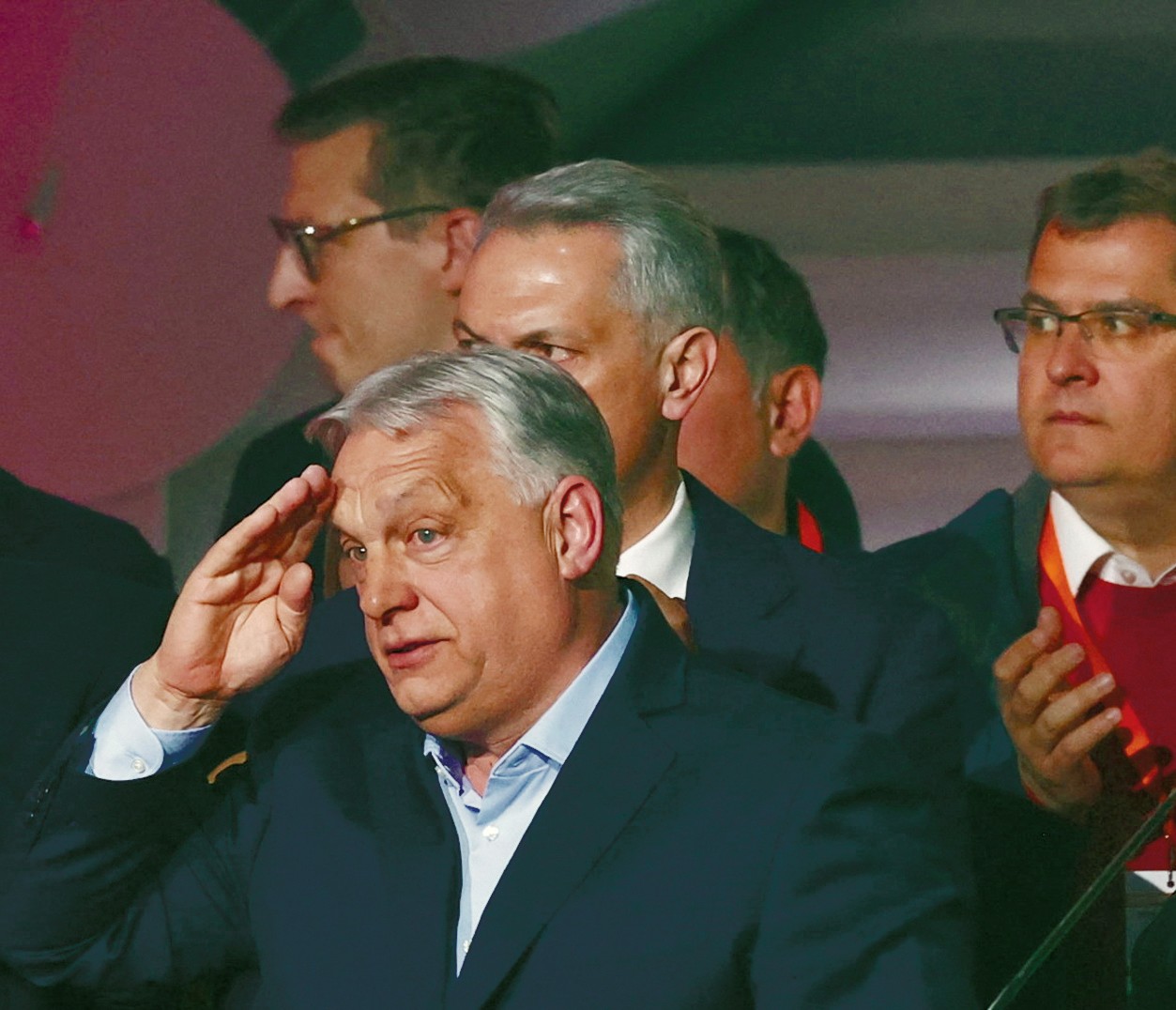
Despite Magyar's victory, the main figure on whom the attention of both the Hungarian and international public was focused was Orban. Many speculated about the future of the Hungarian political landscape and the continued influence of the current Prime Minister. He has already won elections on four occasions in his career—a feat not every European politician can boast of.
Under Orban's leadership, Hungary has made significant progress, transitioning from a candidate for EU membership to a prominent player on the international stage, influencing the bloc's policies.
During Viktor Orban's inaugural term as Prime Minister, Hungary successfully established its position within the Euro-Atlantic community. At that time, the fundamental foreign policy guidelines were established, laying the foundation for accession to both NATO and the EU. EU membership was formally confirmed after he vacated his position, but a substantial portion of the negotiations and institutional framework were established during the initial government's tenure.
Subsequently, under Orban, a model emerged in which participation in European structures was combined with an emphasis on national sovereignty, a strengthened role for the state and an independent foreign policy. For a considerable period, this structure was underpinned by economic growth, which was largely driven by European investment. Concurrently, Budapest initiated a proactive approach to fostering relations beyond the EU, establishing connections with major global players such as China, Russia, and the Gulf states, in addition to participating in the Organisation of Turkic States.
However, this policy of independence has proven to be a source of tension with Brussels, particularly in the wake of the war in Ukraine. Hungary adopted a more measured approach, opposing the transit of arms, insisting on the need for negotiations and avoiding decisions that could potentially compromise its own energy security. Orban himself has repeatedly emphasised that relying solely on military support without diplomacy merely prolongs the conflict.
This approach is not an accident, but rather was largely dictated by the structure of the economy. The high degree of reliance on Russian energy resources means that a sudden and unexpected halt to trade would incur significant costs and could lead to a number of unpredictable consequences for both the economy and the social sphere. Consequently, Budapest's approach appeared more pragmatic than ideological, aiming to minimise domestic costs while navigating pan-European pressures on Moscow.
The EU's hardline stance has led to an escalation in tensions with Budapest. The freezing of approximately €18 billion, officially linked to issues of the rule of law, was perceived in Budapest as part of broader political pressure, which had intensified against the backdrop of disagreements over Ukraine.
Voting for change
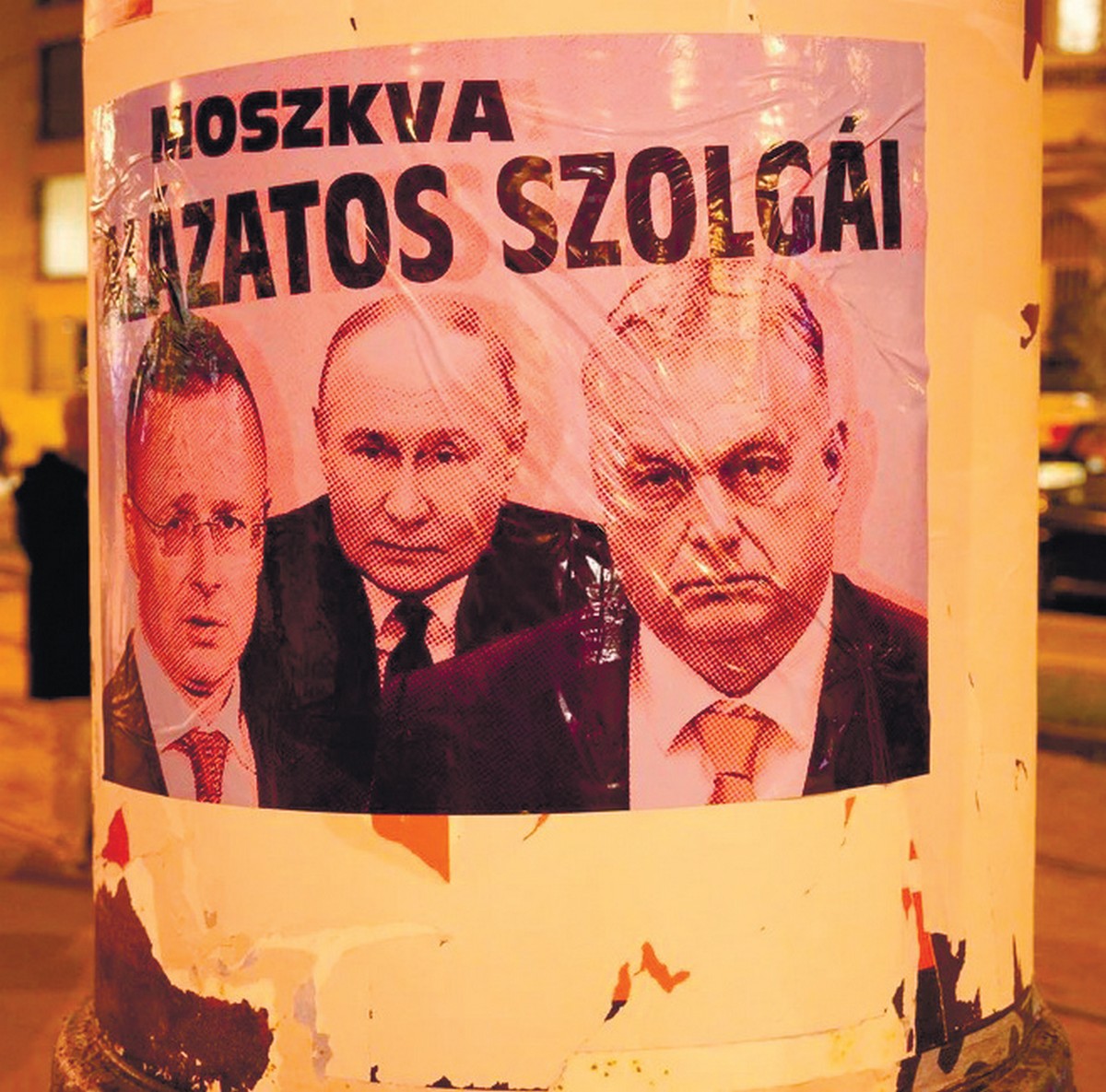
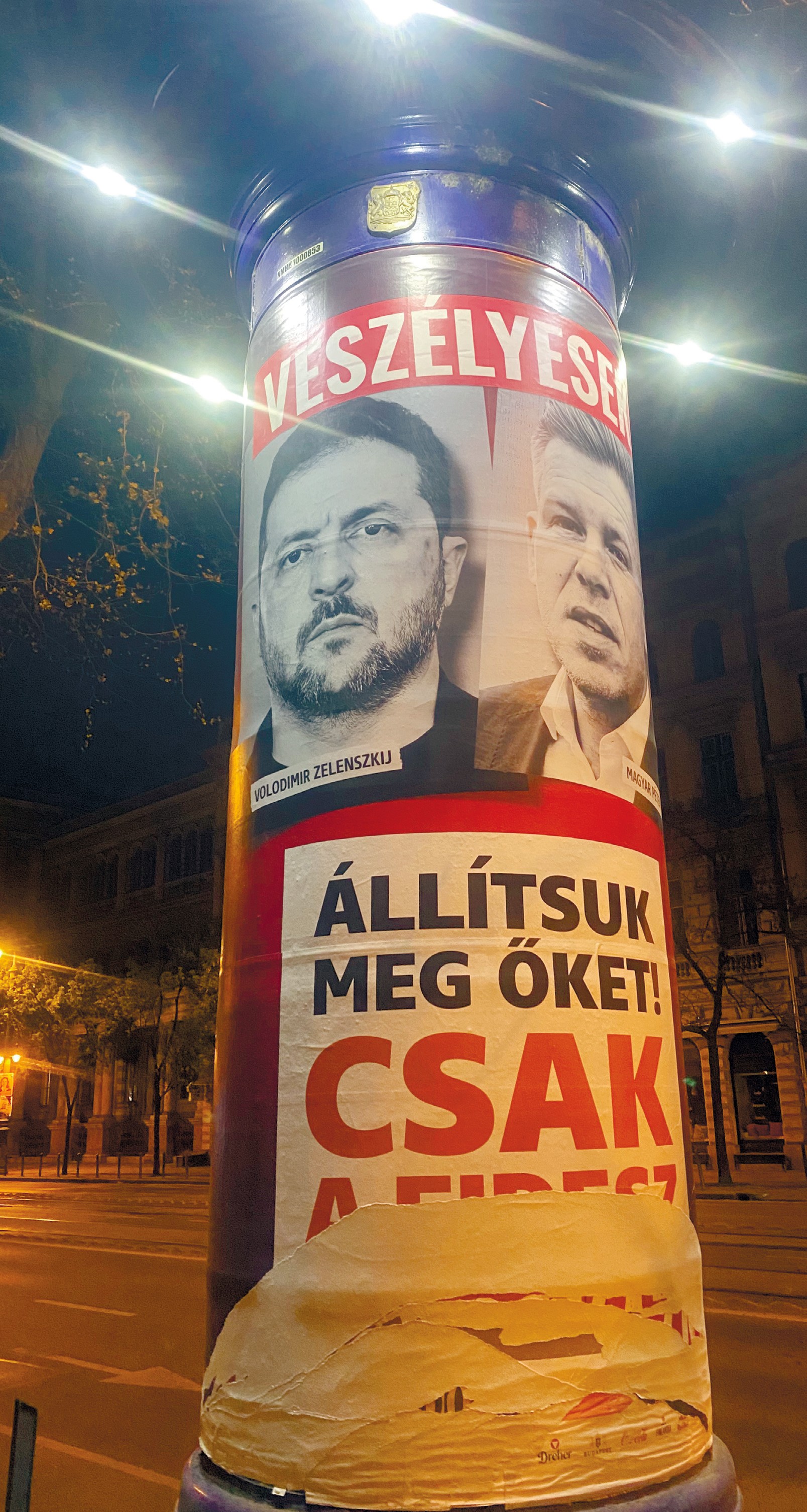
As criticism of Orban and his policies intensified in the European political arena, support for his main opponent, Peter Magyar, also grew. The manner in which this support was orchestrated gave the impression of a meticulously coordinated information campaign against the sitting prime minister. It is important to note, however, that the level of involvement by external actors in the internal political process of an EU country is a rare occurrence. This gives rise to the issue of political competition as well as actual interference in the internal affairs of a sovereign state.
Indeed, Peter Magyar himself emerged on the Hungarian political scene precisely as a figure who built his identity on opposing Viktor Orban's course. From the outset, his political project was shaped around criticism of the existing model of governance—ranging from issues of institutional structure and resource allocation to the country's foreign policy priorities.
This included substantive criticism and the proposal of an alternative development framework, with a focus on restoring trust in institutions, normalising relations with the European Union, and reducing confrontation with Brussels. In this sense, the Hungarian government is responding to a demand for renewal that has gradually built up within Hungarian society against the backdrop of the prolonged dominance of a single political force.
However, as he transforms from an opposition politician into a potential leader of the country, he will inevitably face the task of rethinking his own rhetoric. The approach of using criticism as a tool for mobilising the electorate is superseded by the necessity to formulate a balanced and pragmatic policy. In this new paradigm, previous harsh assessments must be weighed against objective constraints, including economic, energy-related and foreign policy-related factors.
This is precisely why we can expect that, despite the harshness of his pre-election rhetoric, Magyar's actual course will prove to be more moderate and pragmatic. He will seek to adjust and adapt the system established under Orban to new conditions, primarily through closer integration into European mechanisms, whilst maintaining those external ties that have already proven their practical significance.
Expectations from Baku
These considerations also apply to the country's foreign policy. Peter Magyar's own statements indicate a shift in Hungary's foreign policy towards closer ties with the West. The primary objective is to enhance the relationship with the EU, to restore frozen funds and to re-establish our credibility as a reliable partner within the Union. Budapest will gradually shift its position to become a more collaborative and coordinated partner.
It should be noted that this strategic shift towards the West does not signify a significant departure from the East. While a cautious approach is likely to be adopted towards Russia—namely, less politics and more energy cooperation—relations with Ukraine, on the contrary, may improve significantly. It is likely that dialogue will be restored and revitalised. However, even in this context, Hungary is unlikely to relinquish its commitment to safeguarding its interests, including on energy matters. As a result, the prospects of a completely seamless relationship appear slim.
While the focus on China may temporarily recede, the longevity of this policy remains uncertain. Economic projects will at least continue, albeit with reduced political clout.
With regard to the Turkic vector, its continued existence is assured; its approach will simply become more pragmatic. Hungary remains the only EU country integrated into this framework, and given Europe's interest in Central Asia, this may even work in its favour.
It is evident that Hungary has successfully established an institutional presence in the Turkic world, as evidenced by its participation in the Organisation of Turkic States. In light of Brussels' growing interest in Central Asia, with regard to energy, raw materials and transport corridors, the concept of an 'integrated channel' assumes a high degree of practical importance. Budapest can serve as an intermediary or entry point, facilitating the adaptation of European initiatives to regional specificities.
In addition, the Turkic direction is directly linked to key EU priorities, namely the diversification of energy sources and the development of transit routes. This issue encompasses not only gas, but also broader logistics, such as the Middle Corridor connecting Europe to the Caspian Sea and further on to Central Asia and China. In this context, Hungary's participation in the Turkic format no longer constitutes an 'alternative' to European policy; rather, it begins to complement it.
This is precisely why, in the case of Budapest, this vector could become a kind of diplomatic asset. In terms of the advantages of this situation, it is clear that Hungary's position within the EU is strengthened, and this allows the country to offer Brussels additional opportunities for engagement with the region. Conversely, it safeguards Hungary's own access to rapidly evolving markets and infrastructure initiatives.
In the case of Azerbaijan, no drastic changes are anticipated. Energy and transportation are of such significance that they cannot be subject to review. It is highly likely that cooperation will continue, albeit now as part of a broader European energy policy. This is particularly relevant in the context of the Southern Gas Corridor, where Azerbaijan is a major gas supplier to Europe. In view of the ongoing uncertainty surrounding conventional energy routes, Brussels has a vested interest in diversifying such channels. This development signifies that cooperation with Baku transitions from a bilateral arrangement to a component of the EU's broader energy security framework.
It is vital to emphasise that cooperation in the transport and logistics sector is equally crucial. The development of transport routes through the Caspian Sea and the South Caucasus, including links with Central Asia, is gradually becoming one of the key priorities for Europe. Azerbaijan plays a pivotal role in this regard, not only as a supplier of resources but also as a vital logistics hub. For Hungary, as the terminus of several of these routes, this opens up additional opportunities—ranging from participation in infrastructure projects to the potential strengthening of its own role in regional logistics.
Consequently, it is anticipated that Budapest's approach will become more streamlined and pragmatic under the new prime minister. The focus should be on economic considerations rather than political ones. Whilst the course will undergo some changes, it will not be a departure from previous versions. Instead, it will be a reworking of what was built under Viktor Orban to suit the new circumstances. The groundwork laid down over these years is simply too substantial to be so easily dismissed.
RECOMMEND:
 130
130

