

THE CASPIAN CHOICE
Caspian littoral states seeking a formula for sustainable oil exports
Author: Mahmud KHALILOV
In the context of the rapid transformation of global energy markets, the Caspian and Central Asian regions are confidently transitioning from the category of 'promising' to that of systemically important elements of global energy security. Until recently, discussion of the Middle Corridor was confined to the conceptual stage. However, it is now emerging as a tangible and in-demand route for the transportation of oil, petroleum products and petrochemicals, linking East and West.
A key condition for its effectiveness is 'integrated thinking', i.e. the coordination of actions by all participants in the chain, from production companies to transport operators and financial institutions.
This concept was the focal point of the second forum on logistics and oil trade in the Caspian and Central Asian regions, which was held in Baku.
Appropriate risk-taking measures
As S&P Global Energy manager Wesley Monteiro observed at the forum, the Caspian region is gradually becoming part of a new global configuration against the backdrop of growing tensions in the Middle East. The current situation is already leading to a reassessment of investors' approaches to the risk-return ratio, particularly given the instability of traditional supply routes. In this context, Monteiro believes that regions capable of ensuring relative stability of supplies regardless of the situation in the Strait of Hormuz are coming to the fore.
Meanwhile, as was revealed during discussions at the forum, despite the overall strategic direction, the region faces a number of systemic constraints.
Sergey Revzin, CEO of AGB Energy, emphasised the issue of tariff instability experienced by traders. "We frequently purchase goods at set rates, but these can increase during transport. This has a detrimental effect on business profitability. Our proposal is for fixed rates for a single freight year."
Kuanysh Keskinbaev, representing KMG Kashagan, has confirmed the growing role of the Middle Corridor as an important alternative for oil exports. However, he has also noted that its development is being hampered by infrastructure constraints and higher transport costs.
At the same time, he emphasised that 80% of Kazakhstan's oil is still transported via the Caspian Pipeline Consortium (CPC). The remaining volumes are routed via the Russian ports of Novorossiysk and Ust-Luga, as well as via other routes, including the Druzhba pipeline.
"There are certain political issues currently arising regarding the Druzhba pipeline, which are limiting the diversification and transit of supplies. This may contribute to an increase in the volume of oil transported via the Middle Corridor," he said.
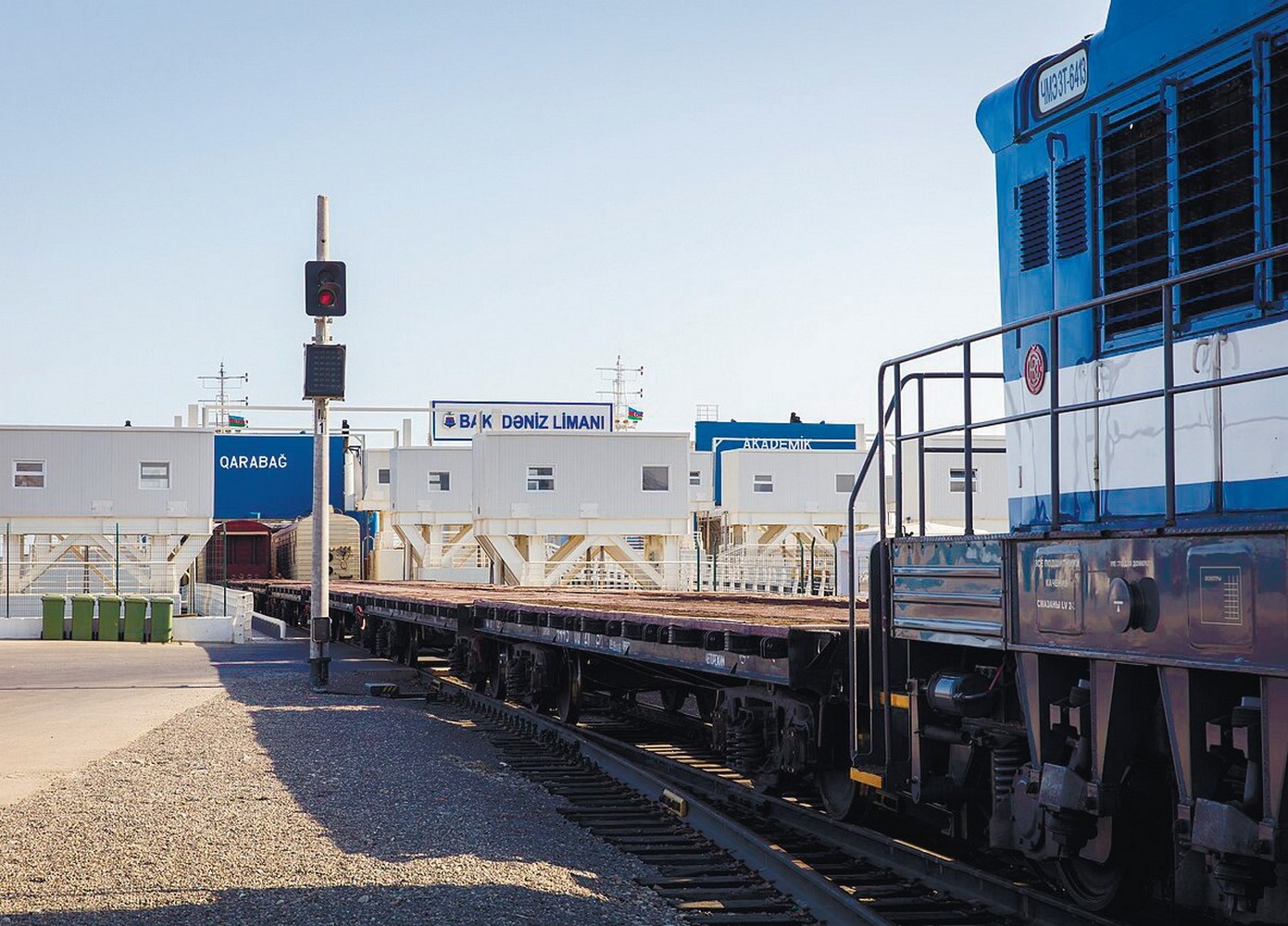
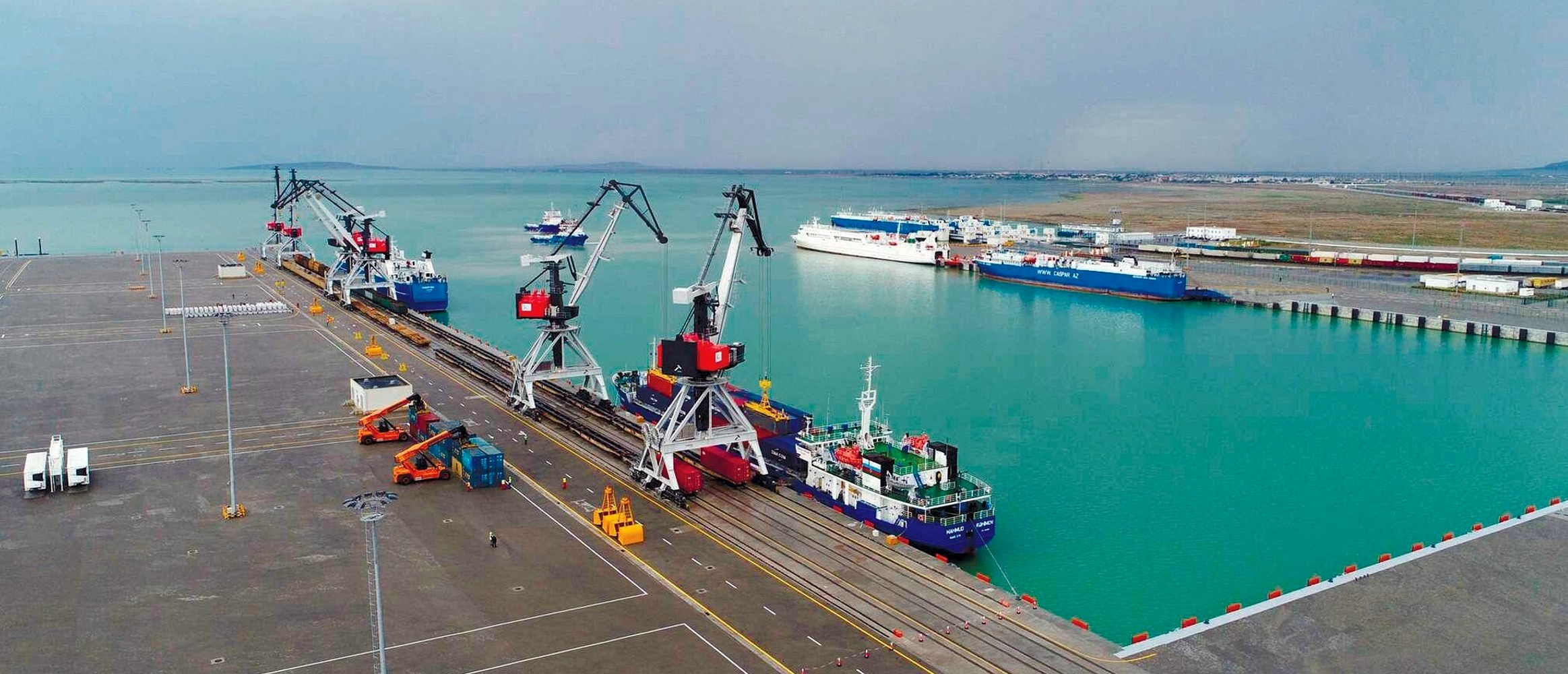
The Middle Corridor currently has a capacity of up to 5 million tonnes of oil per year. Should it be necessary to increase investment, this will be focused on Aktau's port infrastructure, the tanker fleet and associated facilities.
Keskinbaev also noted that transport via this route incurs higher costs. However, this is partially offset by the higher price of Azerbaijani oil compared to the CPC blend. Consequently, the discrepancy in net revenue is not substantial, although the CPC remains the more expedient option.
Tagi Taghizade, SOCAR Trading's Commercial Director, also emphasised that, despite the relatively high cost of transport, the Baku-Tbilisi-Ceyhan pipeline remains competitive. "According to estimates by our Kazakhstani partners, transport costs average around $90. This is due to the stages of transport across the Caspian Sea, inland transport and subsequent delivery to the port of Ceyhan," said Taghizade.
However, it should be noted that not all sections of the route are developing at the same pace. Mirza Shavgulidze, Head of the Commercial Department at SOCAR Georgia Petroleum, reported that the key challenge for Georgia's transport and logistics development remains the limited capacity of the railway infrastructure and insufficient storage facilities for petroleum products. Georgia is therefore advised to resolve a number of logistical issues, primarily those related to the availability of railway wagons – currently the main bottleneck. Mr. Shavgulidze is of the opinion that it would be premature to discuss increasing transport volumes until these constraints have been addressed.
Unconventional ideas
Colin Nesbitt, founder of Central Asia Marketing, suggested viewing the development of new routes not as a replacement for existing ones, but as a strategic addition. "Azerbaijan, Kazakhstan and Turkmenistan need to create alternative routes for oil exports. This is a matter of the stability of the entire system."
He stated that this would require significant investment in railway and port infrastructure on both sides of the Caspian Sea. One potential solution is the implementation of floating docking units (FDU). "FDU are positioned at sea, 2–3 km from the shore. Specifically, along the coastlines of Baku and Kurik, the SAL system promoted by APL could be utilised. In contrast to traditional FDUs, where tugs are required to secure the tanker, SAL technology enables us to operate without them," said Nesbitt.
Another key concept was that of 'contingency contracts'. According to Nesbitt, even relatively small volumes of oil can be made available as an alternative. For example, a volume of 5 million tonnes of oil per year out of a total production of 40 million tonnes would ensure the availability of a reliable alternative route.
The subject of financial instruments has become increasingly significant. Anar Habib, a trader at SOCAR Trading, proposed establishing a regional commodities and raw materials exchange, which could become a key instrument for hedging risks and developing regional trade in energy resources.
He observed that the CPC maintains operations in the context of rising geopolitical risks, which periodically impact the stability of oil supplies. Consequently, producing companies must adjust their production volumes to ensure the necessary level of transportation.
"The establishment of an effective hedging mechanism is a subject that has been a long-standing point of discussion among traders, sellers and buyers in the Caspian region. While this may seem like a futuristic concept today, it is important to recognise that every idea has its own time-frame for implementation.
Habib emphasised that the launch of an exchange platform in Baku would achieve two key objectives. Firstly, it would increase pricing transparency. Secondly, it would establish a regional benchmark for oil and petroleum products from the Caspian Basin.
He believes that such a platform could offer futures and options contracts, thereby increasing the region's investment appeal and facilitating the interaction of producers, traders and consumers.
A potential 'Baku Energy Exchange' could operate in a similar manner to leading global exchanges, offering futures and options contracts for the supply of oil, petroleum products and, possibly, gas. This, in turn, would enhance the region's investment appeal and facilitate Azerbaijan's integration into the global energy trading system.
Furthermore, the creation of such a platform could stimulate the development of related infrastructure – from clearing systems to logistics hubs – and strengthen Baku's role as an energy and trade hub between Europe and Asia.
The forum in Baku became not merely a platform for exchanging views, but an indicator of the profound processes taking place in the region, within which the Caspian Sea is gradually becoming one of the key hubs on the new global energy map. The success of this transition, however, depends on the countries’ ability to act in concert. Without a unified strategy, harmonised rules and synchronised infrastructure, even the most promising routes risk remaining unrealised.
RECOMMEND:
 128
128

