

FRUITFUL REFORMS
Accelerated modernisation of agricultural sector in Azerbaijan to counter climatic and global risks

Author: Aghasaf NAJAFOV
The Food and Agriculture Organisation of the United Nations (FAO) forecasts a global rise in prices for cereals and a number of other food commodities this year: this is due to reduced crop yields caused by drought in the US, as well as the war in the Persian Gulf, which has increased the cost of fertilisers and fuel.
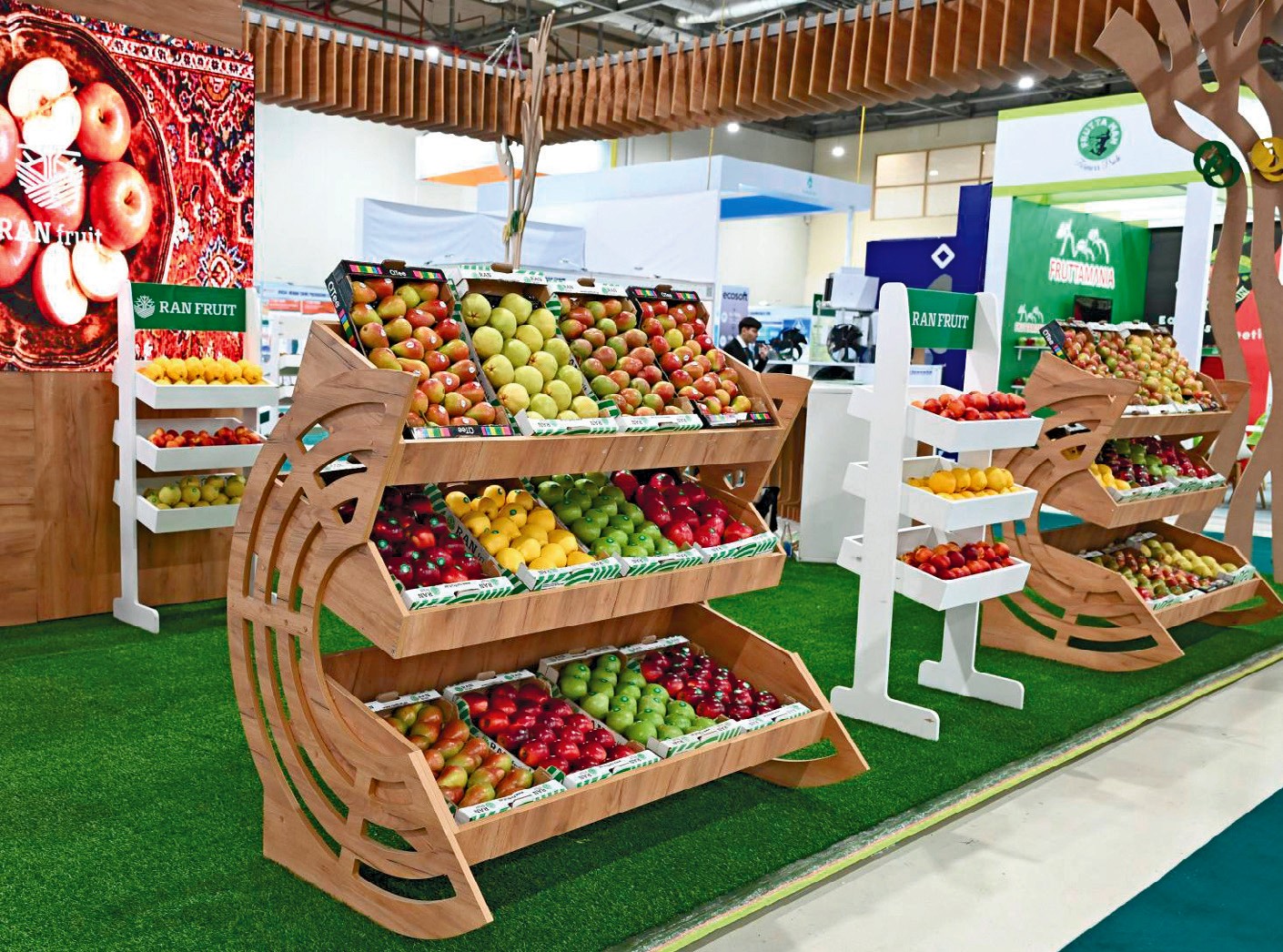
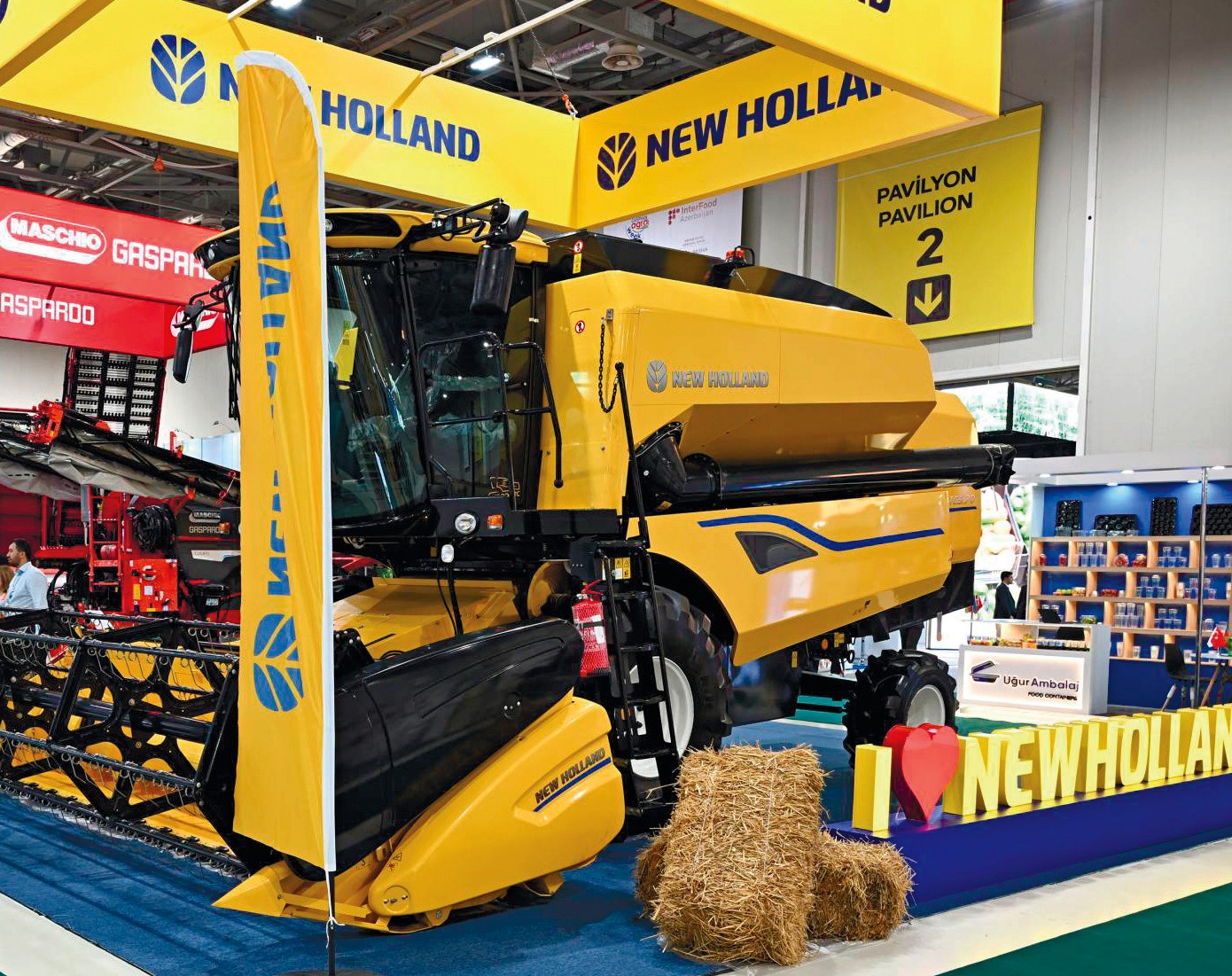
Adverse weather conditions, as well as the growing impact of imported inflation, are also affecting Azerbaijan’s agro-industrial complex (AIC). The prospects for the development of the domestic agro-industrial complex and global trends in this sector were discussed on 11–14 May in Baku during Caspian Agro Week, which included the Azerbaijan International Exhibition and Forum ‘Agriculture’, as well as the exhibitions ‘Food Industry’, ‘Everything for Hotels, Restaurants and Supermarkets’.
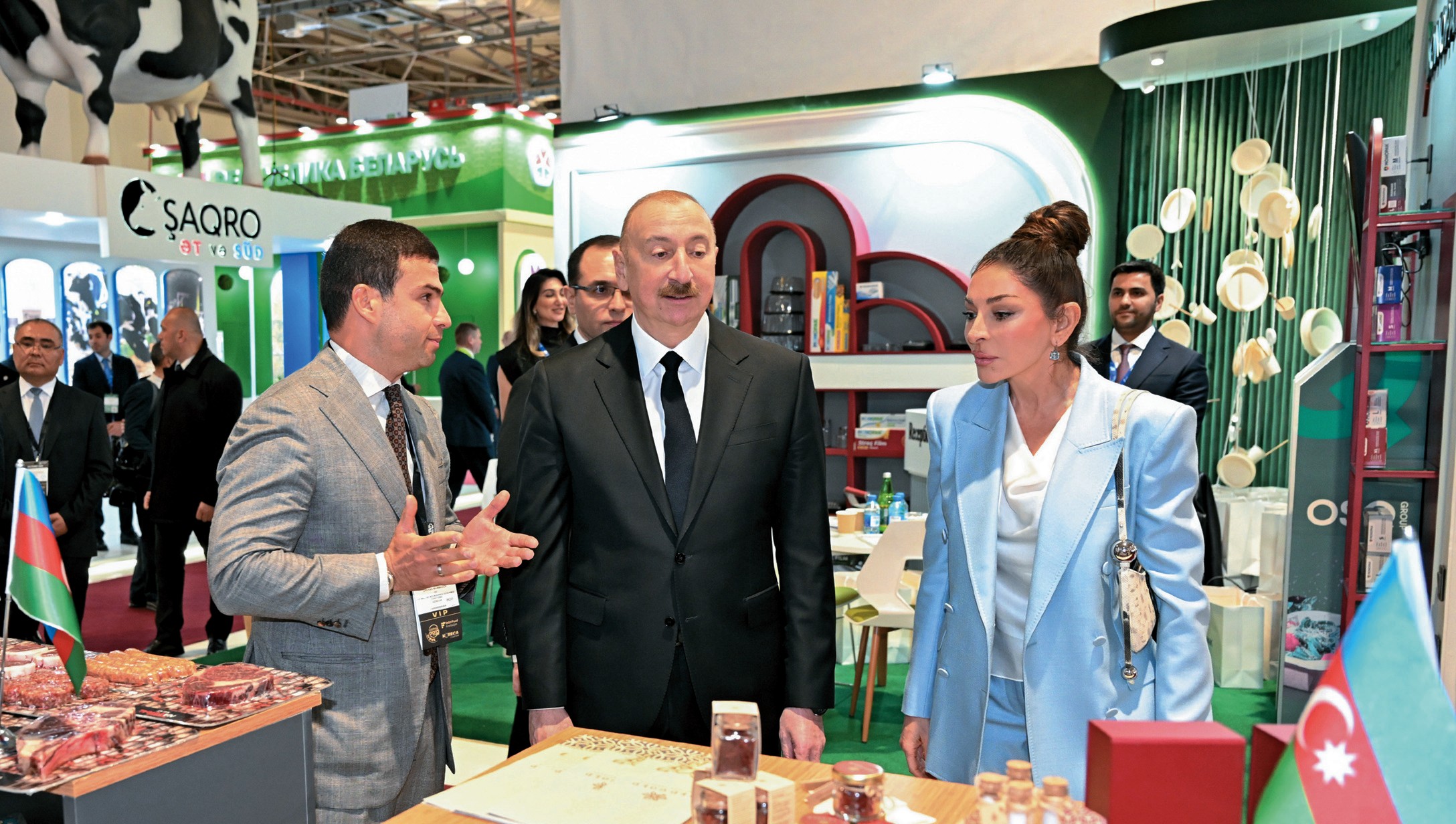
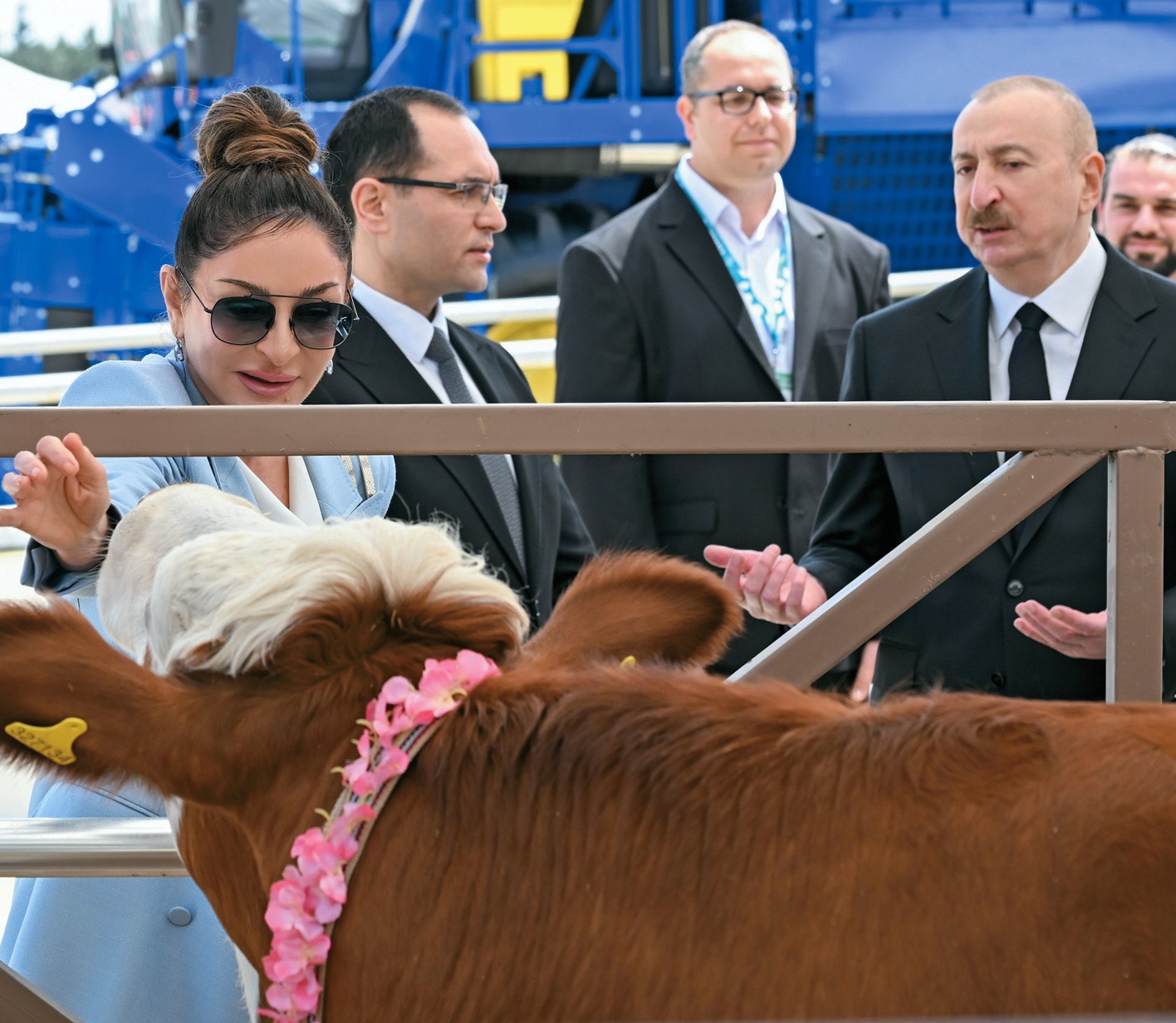
Azerbaijani President Ilham Aliyev also toured the extensive displays at these exhibitions, underscoring the importance of the agricultural week’s forums.
A global problem
According to data from the World Meteorological Organisation, over the past 50 years the number of natural disasters linked to weather and climate factors has increased approximately fivefold. Floods and mudslides are now among the most common and destructive natural disasters. Over the past 30 years, more than 4,700 major mudslides have been recorded in 168 countries, affecting over 3.2 billion people. During the reporting period, drought and desertification affected around 40% of the planet’s land area, with the proportion of arid regions increasing from 37.5% to 40.6%, leading to reduced crop yields, mass migration of rural populations and an annual loss of up to 5% of global agricultural GDP.
Overall, over the past three decades, natural disasters have caused damage to the global agricultural sector amounting to more than $3 trillion—with annual losses exceeding $100 billion.
These figures confirm once again that climate risks are no longer merely an environmental problem but pose a serious challenge to food security and economic stability.
“In recent years, climate and weather patterns around the world have undergone significant changes: whereas such phenomena were previously mainly local and seasonal in nature, today their scale and consequences have increased markedly. Stronger hurricanes, prolonged droughts, large-scale floods and other extreme weather events have become more frequent and are affecting a wider geographical area,” said Mukhtar Babayev, the Azerbaijani President’s representative on climate issues, at the Agribusiness Development Forum. According to him, climate change not only increases the intensity of such natural phenomena but also affects the timing and duration of their occurrence, which complicates the planning process in the agricultural sector and increases risks for farmers.
“One of the main challenges facing Azerbaijan’s agricultural sector is linked to adverse climate impacts: the sector is facing serious problems due to the reduction in water resources and the deterioration of soil quality as a result of climate change,” said Muhammad Nasar Hayat, FAO Resident Representative in Azerbaijan. “In Azerbaijan, the use of innovative technologies to mitigate the effects of climate change in agriculture has become a key priority. In this regard, we are working with the Ministry of Agriculture of the Republic of Azerbaijan, as well as with local communities and the scientific community, to find solutions for the sustainable development of agriculture in the country.”
The FAO representative added that a significant increase in the world’s population is expected by 2050, and to ensure food security, all countries must learn to produce more agricultural output using fewer resources.
Challenges and solutions
It is essential that the primary objective in the process of transitioning domestic agriculture from extensive to intensive production methods is to reduce costs through technological innovation.
Azerbaijan is implementing a number of measures to achieve these goals. These include the introduction of efficient irrigation systems, the promotion of sustainable management of land and water resources, and the training of farmers in advanced technologies using digital tools.
However, this work must be accelerated, as the domestic agricultural sector has demonstrated very weak growth dynamics in recent years. According to the State Committee on Statistics, agricultural output in the country increased by just 1.5% in 2024, following a fall to 0.9% the previous year. In the first quarter of 2026, the growth rate of agriculture, forestry and fisheries, having increased slightly, stood at 1.2%, which can hardly be described as significant growth.
A significant proportion of the problems is attributable to the limited agricultural resources, including arable land and a shortage of irrigation water. At the same time, there are still a considerable number of small-scale farms in the country (some estimates put the figure at 200,000), which are inadequately equipped and face difficulties in accessing preferential financing. Such farms, with less than 7–8 hectares of land, face difficulties in accessing modern machinery and agricultural techniques; they have a low level of chemical use and almost no equipment for water-efficient irrigation. Consequently, these small farms are unable to increase yields due to the slow transition to intensive agricultural production methods.
"At present, modern irrigation technologies are used on approximately 10–14% of the country's irrigated arable land, which amounts to around 130,000 hectares," said Minister of Agriculture Majnun Mammadov during a panel discussion. “By 2030, we plan to expand the area where modern irrigation technologies are used, bringing it up to 300,000 hectares.”
According to the minister, monitoring water consumption will be one of the main priorities in the coming years: “Despite the fact that 70% of the water used is consumed in the agricultural sector, there is virtually no measurement mechanism in place in this area. To address the existing problem, measures are being taken in various areas; in particular, Azerbaijan will draw on Türkiye’s experience in water resource management.”
M. Mammadov noted that the construction of new small, medium and large reservoirs is underway in the country. There will also be a phased transition from open-channel irrigation systems to concrete canals and piped water supply, which will prevent water losses, create conditions for the efficient use of groundwater and increase productivity in the agricultural sector.
An important contribution in this regard could be made by harnessing the substantial water potential of the territories of Azerbaijan liberated from occupation, as well as by bringing fertile land in Garabagh and Eastern Zangezur, which is being cleared of mines, into agricultural use. “Over the past year, two tenders have been held in the liberated territories, following which contracts have been signed with business entities for the provision of agricultural land for use. A third tender is currently underway, under which 21,000 hectares are earmarked for use,” said Ilhama Gadimova, Deputy Minister of Agriculture and a participant in the agricultural week.
Reform priorities
On the other hand, it is necessary to expand the localisation of production to meet the needs of the domestic processing and food industries. Unfortunately, Azerbaijani enterprises continue to be dependent on imports of raw materials, components, containers and packaging, pesticides and phosphate fertilisers, food additives, vitamins and other preparations used in the production of animal feed for livestock and poultry farming. Import dependency is particularly critical during periods of global inflationary growth. Thus, against the backdrop of the conflict in the Persian Gulf, many countries around the world are seeing rising prices for fuel and nitrogen fertilisers, which has an extremely negative impact on the agricultural sector, increasing production costs. Fertilisers account for around 20% of production costs in crop farming, including in grain production. At the same time, around a third of global exports of urea and the raw materials for its production are supplied by Qatar, Saudi Arabia and Iran, which are rich in natural gas. The blockade of the Strait of Hormuz has led to a shortage of nitrogen fertilisers. Fortunately, Azerbaijan has its own urea production plant, so our country is not dependent on imports and is able to fully supply farmers with this resource.
Nevertheless, the main priority of Azerbaijan’s agricultural reforms remains strengthening the process of expanding the processing of agricultural raw materials. “The key objective for the development of the agricultural sector is to deepen the value chain, and the main focus here is on processing: increasing the processing of meat, milk, fruit, vegetables and grapes, as well as the formation of production and processing clusters, can directly contribute to growth in productivity, export revenues and regional development,” said Deputy Minister of Economy Azer Bayramov at the Agribusiness Development Forum. “Important elements of this work include expanding the network of cold stores and grain silos, as well as developing milk collection infrastructure; the location of such infrastructure must be planned taking into account the geography of production, logistics routes and promising export markets.” The Deputy Minister emphasised that, given limited land and water resources, a more professional approach to the sector’s development and expanded access to resources are essential.
According to Yusif Abdullayev, Executive Director of the Export and Investment Promotion Agency, work is currently underway on a number of investment projects with foreign companies to establish enterprises in the cotton and textile industries, including a project with an Austrian firm to localise the production of tomato paste and ketchup in our country.
According to Deputy Minister of Economy A. Bayramov, Azerbaijan needs to expand its agricultural insurance system, risk maps and insurance coverage, which will create conditions for farmers to make more sustainable use of state support. It is equally important to maintain the subsidy system and develop a cooperation model that will help address the problems of small-scale producers by facilitating their entry into the market.
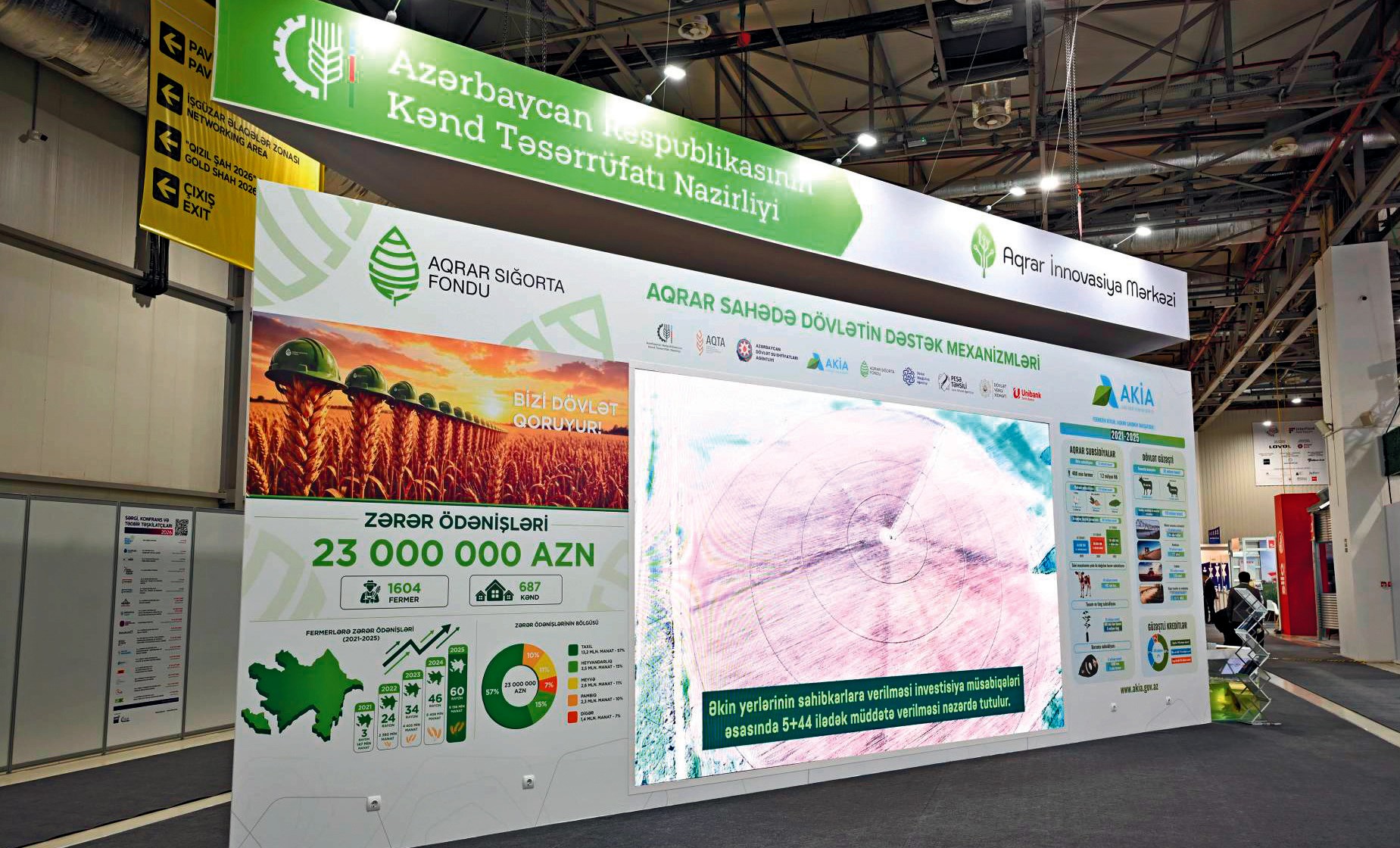
Work in this direction is underway. In 2025, local farmers received over ₼280 million in sowing subsidies, and over ₼100 million were invested in the agricultural sector through preferential lending and leasing schemes. The agricultural insurance system has also been revitalised. The Agricultural Insurance Fund, the organisation responsible for the scheme, has been increasing payouts on an annual basis. The state covers 50% of the insurance premium, a benefit that is especially relevant for small farmers. In 2025, the fund made record insurance payouts of ₼9.2 million. This represents a 44% increase compared to 2024 and more than double the figures for 2023.
It is important to note that the development of subsidy schemes and agricultural insurance in the country is being driven by the realisation of the potential of the electronic information system (Elektron Kənd Təsərrüfatı İnformasiya Sistemi—EKTİS) established by the Ministry of Agriculture, which has now been in operation for six years. Mr Mammadov has stated that digitalisation and innovation remain a priority for Azerbaijan's agriculture. The expansion of e-services, the introduction of data-driven decision-making systems and the development of artificial intelligence-based solutions are aimed at increasing the productivity and sustainability of farms. The EKTİS electronic database contains information on more than 600,000 local farmers. It provides a clear picture of the volumes and structure of crops grown, as well as harvest forecasts, enabling farmers to be informed about current supply and demand and helping them to select the most promising and profitable crops for the current season. With the support of EKTİS, we are transforming unused land into productive agricultural assets and enhancing their fertility. Furthermore, the electronic information system has helped to optimise state mechanisms for subsidising farms. This has simplified access for agricultural entities to the insurance sector and banks, and increased the availability of loans for farmers. Since the end of 2024, all agricultural issues have been be recorded on a digital agricultural map, and a decision has been taken to prepare a roadmap for integrating 33 modules into the EKTİS system. It is planned to have 21 modules ready by the end of 2026.
Thus, the sustainable development of Azerbaijan’s agricultural sector is directly linked to the acceleration of technological modernisation, effective water resource management and the expansion of support mechanisms for farmers. In the face of climate risks and global food instability, it is digitalisation, agricultural insurance and the development of processing that can ensure the long-term sustainability of the domestic agro-industrial complex.
RECOMMEND:
 100
100

