

FIGHT FOR MINERALS
Central Asia to become the major battleground in the global race for rare-earth metals
Author: Irina KHALTURINA
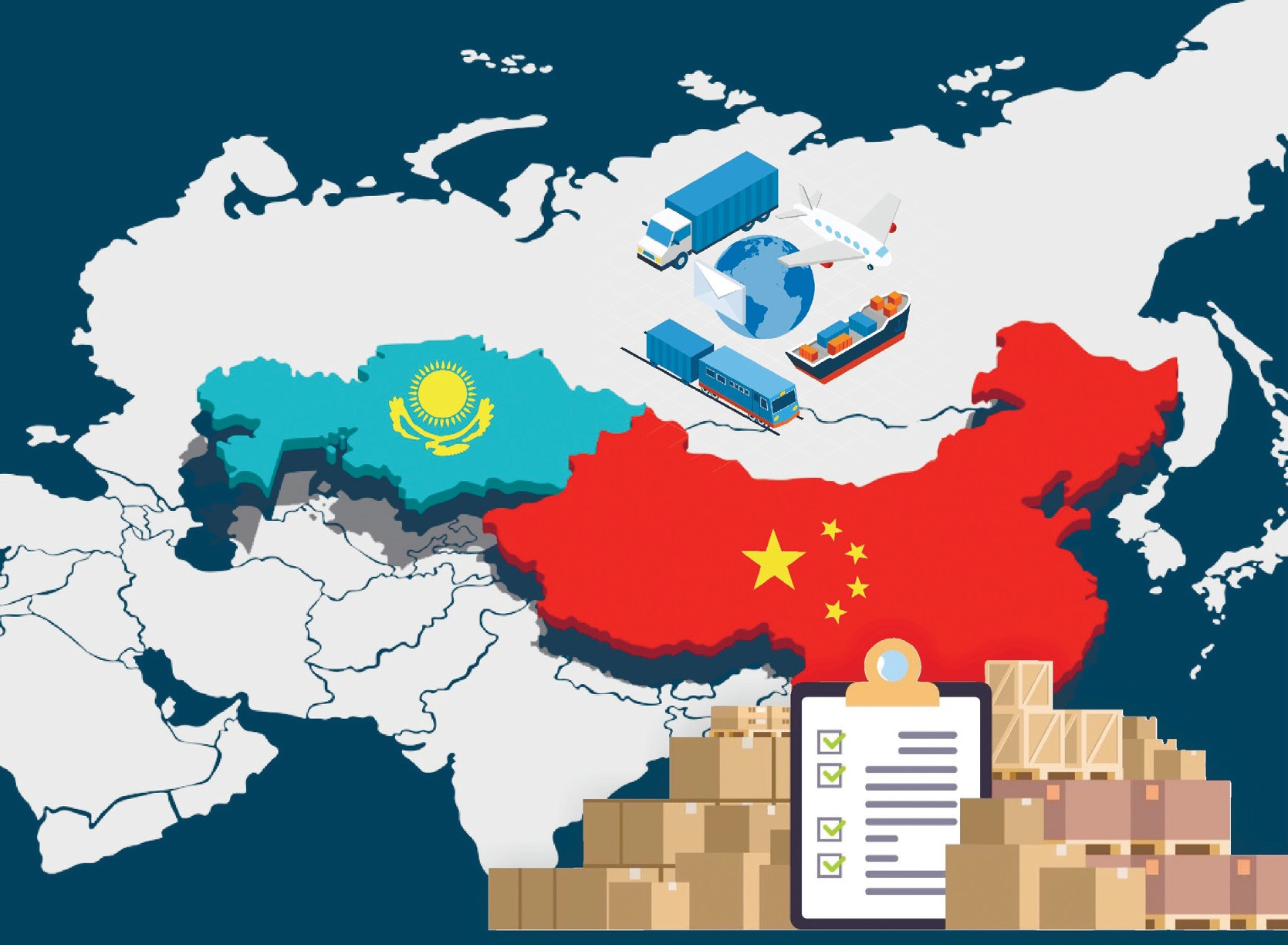
The intense competition between Washington and Beijing for control of critical minerals creates a significant opportunity for Kazakhstan to establish itself as a key strategic partner for one of the world's dominant powers. Concurrently, the Trump administration has undertaken significant initiatives that have substantially elevated Astana's geopolitical importance and practical potential in the eyes of the US leadership.
Kazakhstan possesses an impressive array of resources: of the 50 types of minerals that Washington classifies as critical, 21 can be mined in the country. The region's mineral wealth is significant, with substantial reserves of uranium, copper, chromite, gold, titanium, tungsten and rare earth elements. At present, the United States' share of Kazakhstan's exports of critical minerals is 5 per cent, whilst China accounts for 27 per cent and Russia for 16 per cent.
Kazakhstan's 'progress' towards the centre of a mineral battle
It is evident that the expansion of the American presence in Kazakhstan's mineral sector aligns with both US interests and Astana's long-term strategic objectives. By diversifying its partnerships in the critical raw materials sector, the Kazakhstani authorities are able to reduce their excessive dependence on the Chinese and Russian markets and strengthen their negotiating position on the global stage.
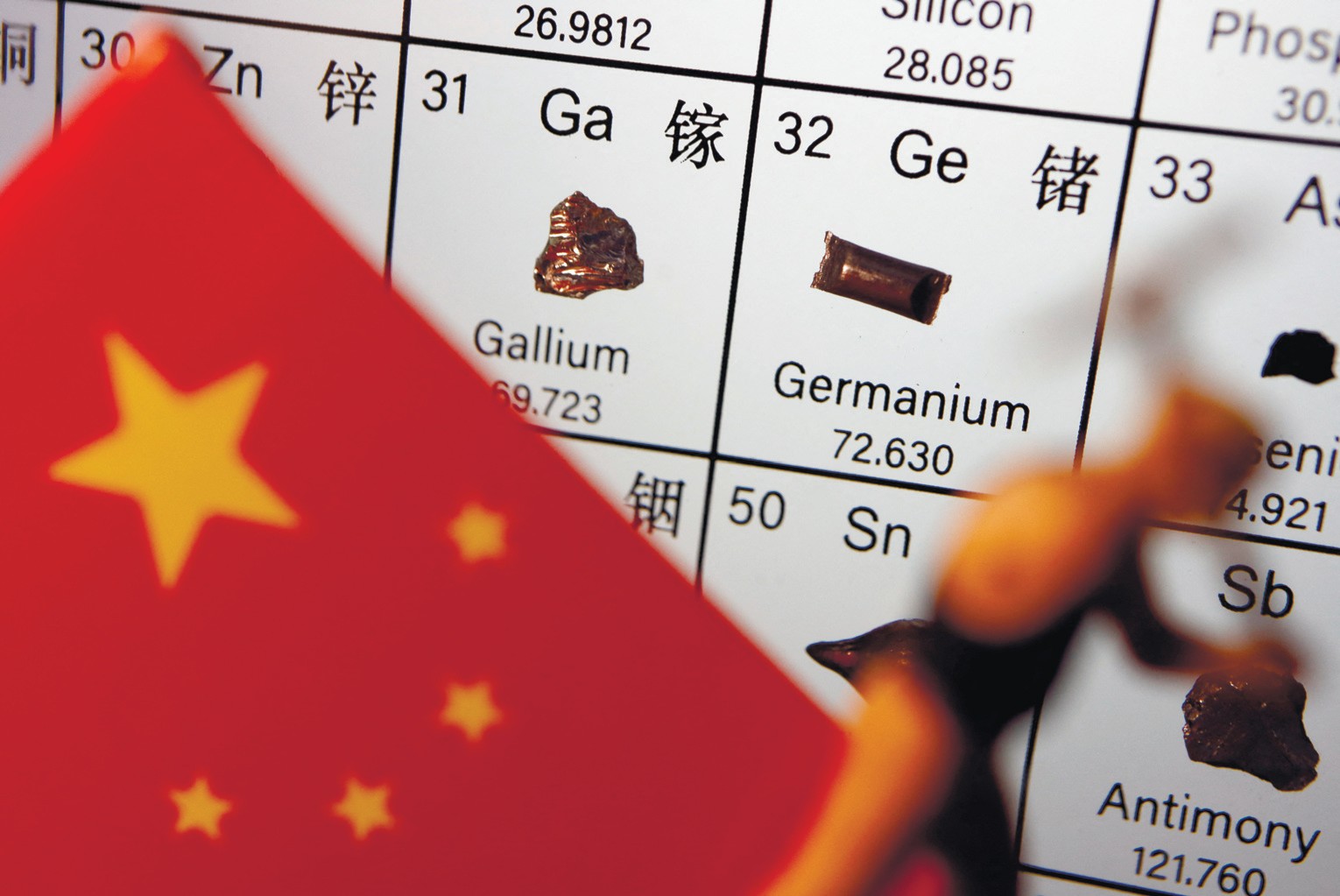
The trade war between Washington and Beijing, which began in 2018 during Donald Trump's first presidential term, not only continued under the Joe Biden administration but also escalated significantly during Trump's second term. In response to Washington's actions, China took a predictable step by imposing restrictions on the export of critical minerals and rare earth elements, showcasing its significant leverage. It is important to note that these materials have now become vital to modern economies and defence production; in other words, they are not merely commodities, but the foundation of technological sovereignty.
At present, China controls around 60% of global production and 85% of the processing capacity for these strategic resources. Beijing remains the largest supplier of critical raw materials to the US, meeting more than half of American demand for 24 types of critical minerals and around 90% of the demand for rare earth elements by 2024. Washington's heavy reliance on China poses a significant threat to its national security. In these circumstances, the White House has made securing reliable supplies of critical minerals a key priority of its foreign economic and technological strategy, actively building partnerships with resource-rich countries around the world.
Kazakhstan has emerged as one of the most promising areas for such cooperation—the largest and most developed economy in Central Asia, with significant and as yet untapped potential in the field of strategic raw materials.
In 2024, the United States launched the 'C5+1 Dialogue on Critical Minerals' initiative, with the aim of strengthening cooperation with Central Asian states in the mining sector. It is important to note that this dialogue encompasses the entire range of activities, from geological exploration to resource processing, with the objective of establishing integrated and sustainable supply chains.
Kazakhstan has also become a key partner for Washington within the framework of the US-Kazakhstan Strategic Energy Dialogue, organised by the US Department of State and the US Department of Energy. Astana's accession to the Mineral Security Partnership Forum was a significant development. This high-profile platform brings together leading global economies, including the US, the EU, Australia and Japan.
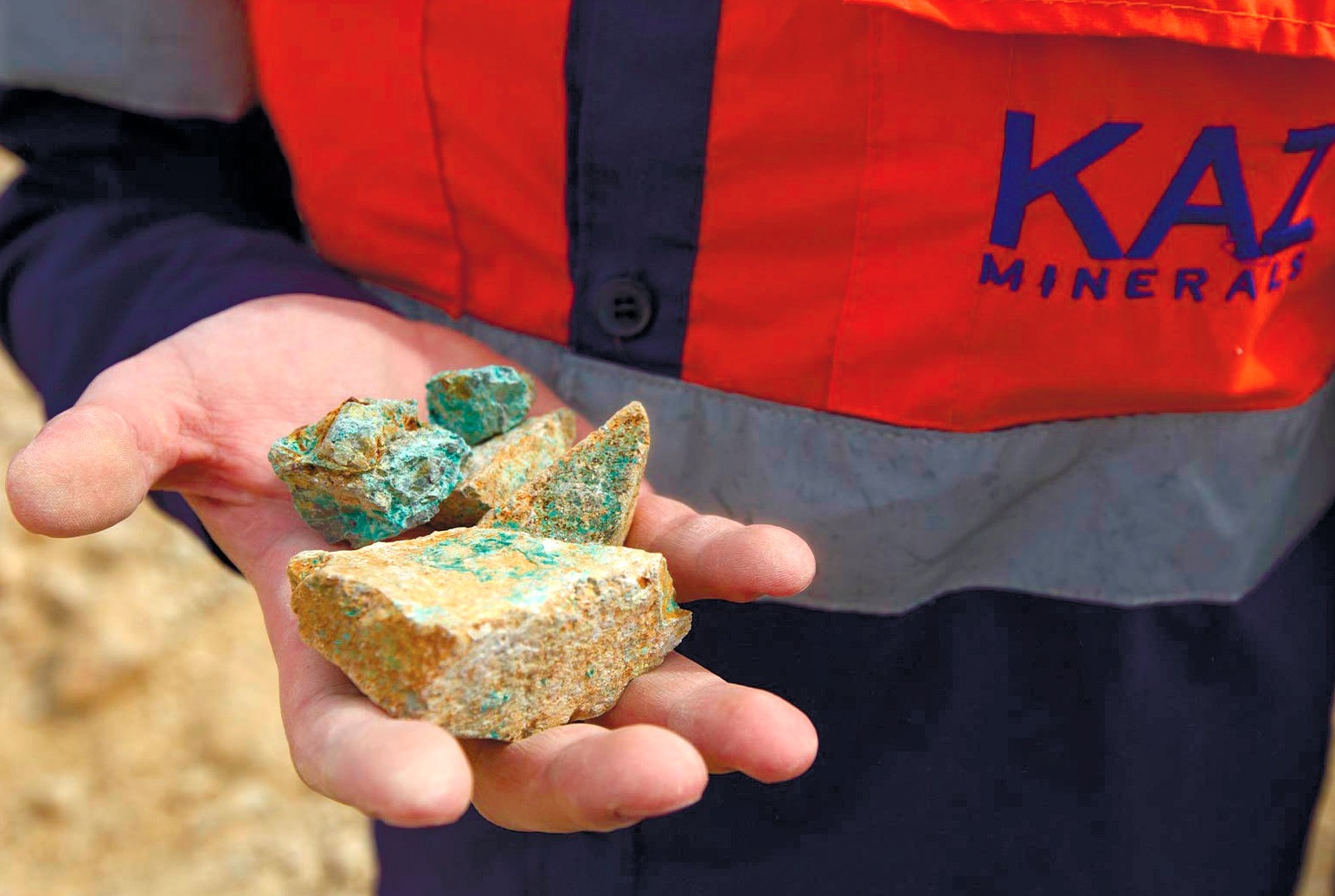
It is also noteworthy that links to the family of the current US president have been uncovered in connection with a large-scale project to develop a tungsten deposit in Kazakhstan. According to three sources cited by the Financial Times, Donald Trump Jr. and Eric Trump joined the construction company Skyline Builders Group Holding, which subsequently invested $20 million in Cove Capital, a subsidiary of the group. The merger of Skyline Builders and Cove Kaz Capital Group has resulted in the emergence of a new company, Kaz Resources. The project has received direct state support of up to $1.6 billion: $900 million from the Export-Import Bank and up to $700 million from the Development Finance Corporation.
It is important to note that this is a joint venture with obligations to process the ore domestically, involving the national company Tau-Ken Samruk, which holds a 30% stake. Collectively, 'Northern Katpar' and 'Upper Kairakty' represent one of the world's most substantial tungsten deposits, with reserves exceeding 410,000 tonnes.
In addition to tungsten, the deposits also hold potential for the extraction of molybdenum, copper, silver and other minerals. Once both deposits reach their designed capacity, Kazakhstan will become the world’s second-largest producer of tungsten products—behind China, which is currently the undisputed leader with reserves of 1.8 million tonnes.
Rare-earth metals reshape geopolitics
New opportunities have arisen for Astana to attract Western investment, technology and expertise in the field of infrastructure. This is particularly important given that, over the past decades, Kazakhstan's raw materials industry has focused primarily on mineral extraction, neglecting the stages of geological exploration and processing. Increased investment in projects aimed at modernising exploration work and developing processing capacity will enable the country not only to strengthen its position in the global market, but also to become a full participant in global efforts to ensure sustainable development and technological progress.
Implementing such a model, of course, requires a number of key conditions to be met. Firstly, there is a need to train qualified personnel, including mining engineers, metallurgists and processing specialists. Secondly, a reliable and affordable energy supply is required, given the significant energy demands of tungsten production. Thirdly, it is important to note that a stable institutional and business environment is a key factor.
The Government of Kazakhstan is already taking active steps in this direction. In 2025, it allocated a record $127 million for geological exploration. President Kassym-Jomart Tokayev regularly highlights the significant potential of rare earth elements in driving the country's long-term economic growth. In an article for the American publication The National Interest earlier this year, he emphasised the necessity to strengthen collaboration with the US in the extraction and processing of strategic resources. The President has stated that a partnership with the United States will be a key factor in the success of creating a sustainable and high-tech mining industry. This industry will be capable of meeting the demands of modern industry and the global energy transition.
According to expert forecasts, the successful organisation of a full industrial cycle—from extraction to the production of finished goods—will enable the rare-earth metals sector to contribute 7.1% of GDP to the country, which is comparable to current oil and gas revenues—7.3% of GDP.
Kazakhstan and other countries in the region possess significant reserves of precisely those materials that form the basis of modern energy, the defence industry and high technology. It is worth noting that Uzbekistan is adopting a comparable strategy to that of Astana. In March 2025, Tashkent unveiled a $2.6 billion initiative to develop mineral resources at 76 sites, attracting Western, Chinese and South Korean investors. The Uzbek government has stated that its objectives are not only the extraction of raw materials, but also the development of processing, the creation of technology parks in the Tashkent and Samarkand regions, geological exploration, staff training and the production of high value-added goods.
However, if we consider the situation within a broader geographical context—Central Asia plus the South Caucasus, with its primarily transit capabilities—the picture becomes even more striking. In the context of the global scramble for access to critical raw materials and the West's desire to reduce its dependence on China, the region is acquiring strategic significance in real time, a status it has never had before. China's presence in Central Asia is well-established. It has been achieved through direct investment, infrastructure development, long-term agreements and the gradual integration of Central Asian producers into its own processing chains. It has been suggested that while American projects are still in the conceptual phase, Chinese initiatives are already in operation.
Furthermore, China consistently emphasises the principles of mutual benefit, respect for sovereignty, joint development and a willingness to share technology within the framework of the 'Belt and Road' initiative, 'green' mineral cooperation and collaboration with developing countries. It is evident that the US should also align with this rationale, transitioning from resource extraction agreements to integrated projects encompassing on-site processing.
For decades following the collapse of the USSR, Central Asia and the South Caucasus existed in a context where major external players dictated the rules. Furthermore, the West's engagement was characterised by inconsistency, primarily manifesting as rhetoric surrounding democracy and human rights, without corresponding investment. Washington has historically viewed Central Asia through the lens of the Afghan issue or democratisation, rather than as an independent economic priority. The situation is changing fundamentally today, due to the fact that the US is now forced to compete. This means that it is no longer sufficient for the US to make declarations; it is now necessary for the US to offer tangible terms.
Competition between major powers, however, creates a structural advantage for small and medium-sized states that are rich in resources. The logic is simple: when several buyers are vying for an asset, the seller gains bargaining power that it did not have when there was a single player in the market.
It is clear that Central Asia and the Caucasus, when considered as a combined region, hold significantly more influence than each country would individually. If they can coordinate their policies in this area—and they are already making great strides in this direction—they will be able to offer investors comprehensive packages rather than isolated assets. For the first time in a long while, the rivalry between the US and China is creating a situation in which the countries of Central Asia and the South Caucasus can dictate some of the terms of the game, rather than merely accepting them. This is a historically rare window of opportunity that they must certainly seize.
RECOMMEND:
 154
154

