

TRIUMPH-LESS PARADE
No armoured vehicles during parade: a political signal about the state of the war
Author: Samir VELIYEV
The themes of the 9 May parade in Moscow and the fragile Russian-Ukrainian ceasefire have dominated the international agenda in recent weeks, largely overshadowing even the issue of the war in Iran. While this may not yet be considered a turning point, it could be seen as an indication of significant changes in the nature of the Russian-Ukrainian war.
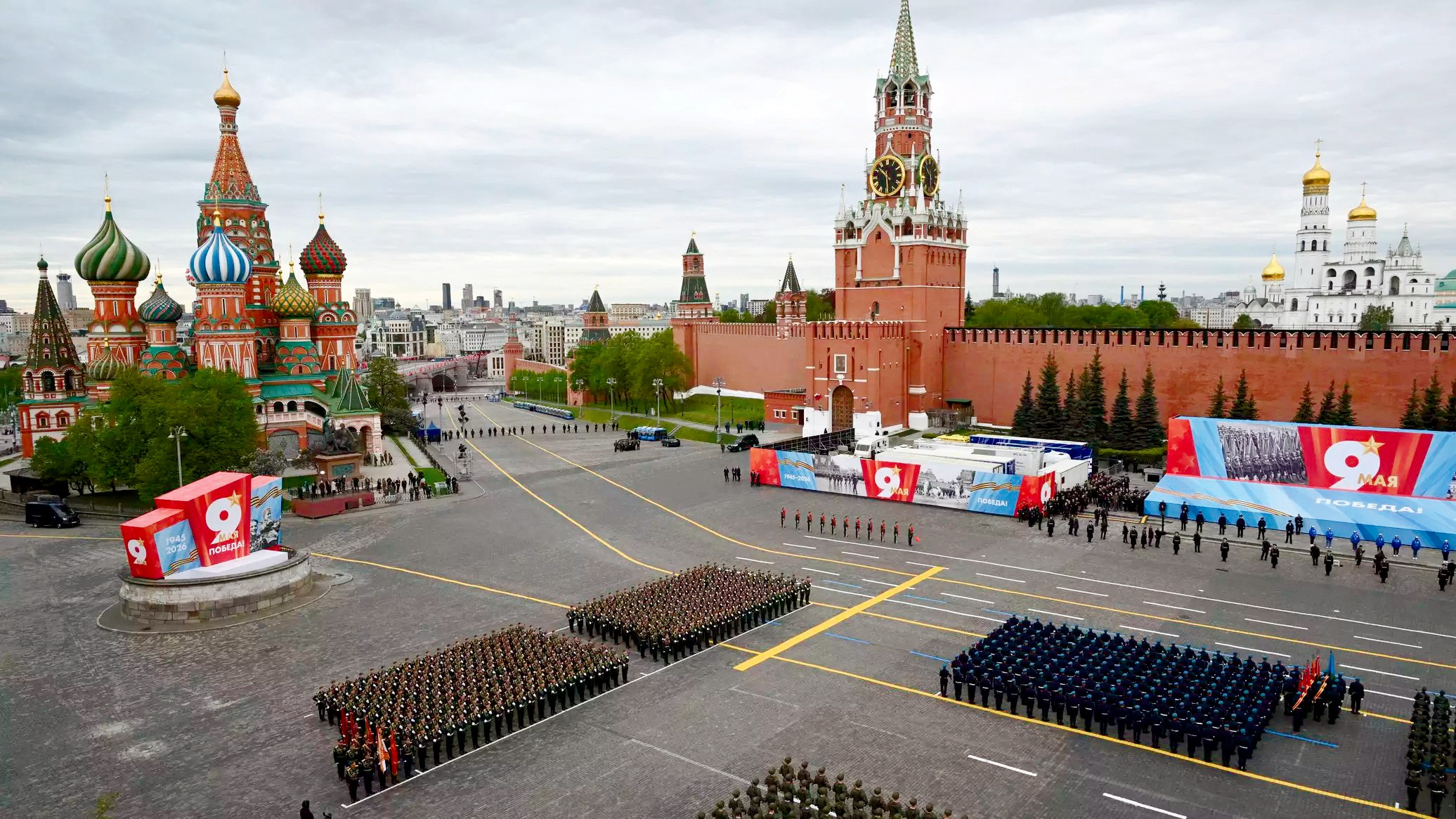
For the first time since 2008, no column of heavy military equipment passed through Red Square – there were no tanks, armoured personnel carriers, or missile systems in evidence. The Kremlin has previously described this as a matter of 'security measures' and the need to minimise threats, particularly in the context of potential attacks by Ukrainian drones. However, it appears that the underlying reasons are more extensive and profound.
A sign of serious vulnerability
It is evident that the security factor played a pivotal role in this matter. However, the fundamental question remains: how has the Russian side shifted its focus from major new acquisitions at the front to the imperative of safeguarding the very centre of decision-making – the Kremlin and Red Square – four years after the war's commencement?
It is evident that the critical economic and military infrastructure of Russia's key regions, including the Moscow area, has been subject to frequent drone attacks. Even those who until recently believed that the Russian air defence system remained effective and capable of repelling even the most complex attacks have begun to have their doubts. In light of the present circumstances, holding a conventional parade with an extensive column of military equipment would carry with it additional risks, not only in terms of military security, but also the potential for significant reputational damage if there were to be a mishap or attack.
The issue was most sensitive in terms of its reputational implications. Despite attempts by Russian propaganda to present the decision not to display military equipment as a rational step and a necessity to reduce risks to the population and the military, for many, the absence of armoured vehicles became a symbol of the changing nature of the war. The fact that Moscow – the capital of a nuclear power – was forced to hold the country's main military parade without military equipment due to the threat of strikes by Ukrainian drones was perceived as a sign of Russia's serious vulnerability.
This was particularly significant as, in 2025, more than 180 pieces of equipment were on display. The stark contrast between the two parades cannot be fully explained by security concerns alone.
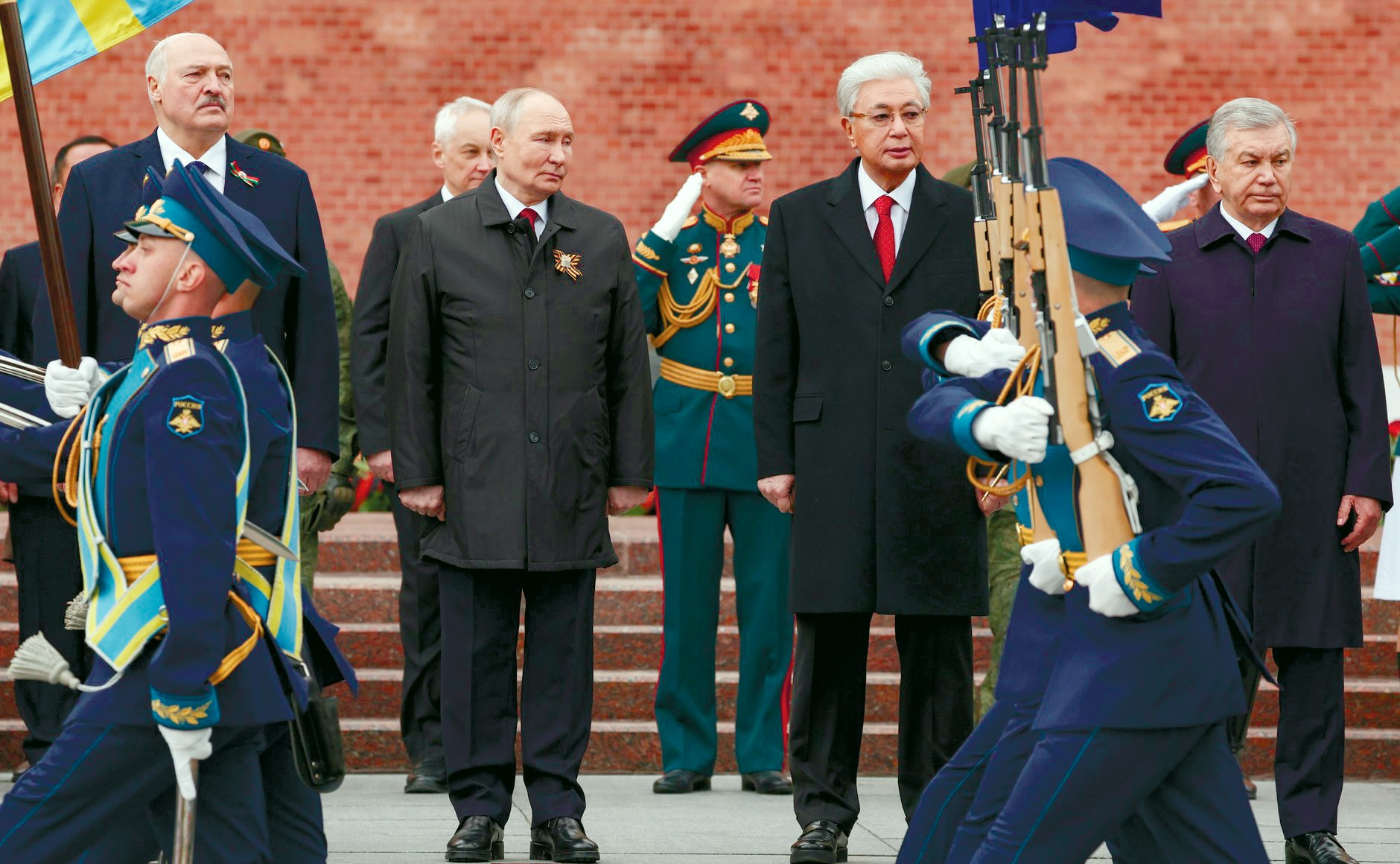
There was a noticeable absence of foreign guests in the stands, a stark contrast to the 2025 event, where Moscow sought to counteract the notion of Russia's international isolation. At that time, nearly three dozen foreign leaders arrived in the capital. On this occasion, the picture was considerably more modest. The event was graced by the presence of several distinguished guests, including the President of Belarus, Alexander Lukashenko; the President of Kazakhstan, Kassym-Jomart Tokayev; the Prime Minister of Slovakia, Robert Fico; representatives of the Republic of Srpska led by Milorad Dodik; as well as the leaders of Abkhazia, South Ossetia, Laos and Malaysia.
This list is very informative. In essence, Moscow's strategic approach entailed reliance on its closest military and political allies and partners across the post-Soviet space, as well as on politicians and states that traditionally adopt a more independent stance towards the West and anti-Russian sanctions. It is particularly noteworthy that Fico was in attendance. He is among a select group of European leaders who continue to voice their opposition to the EU's stringent approach towards Moscow in the open. However, he was careful to avoid any undue attention in relation to his participation in the parade itself. Although Fico visited Moscow, he did not attend the event on Red Square.
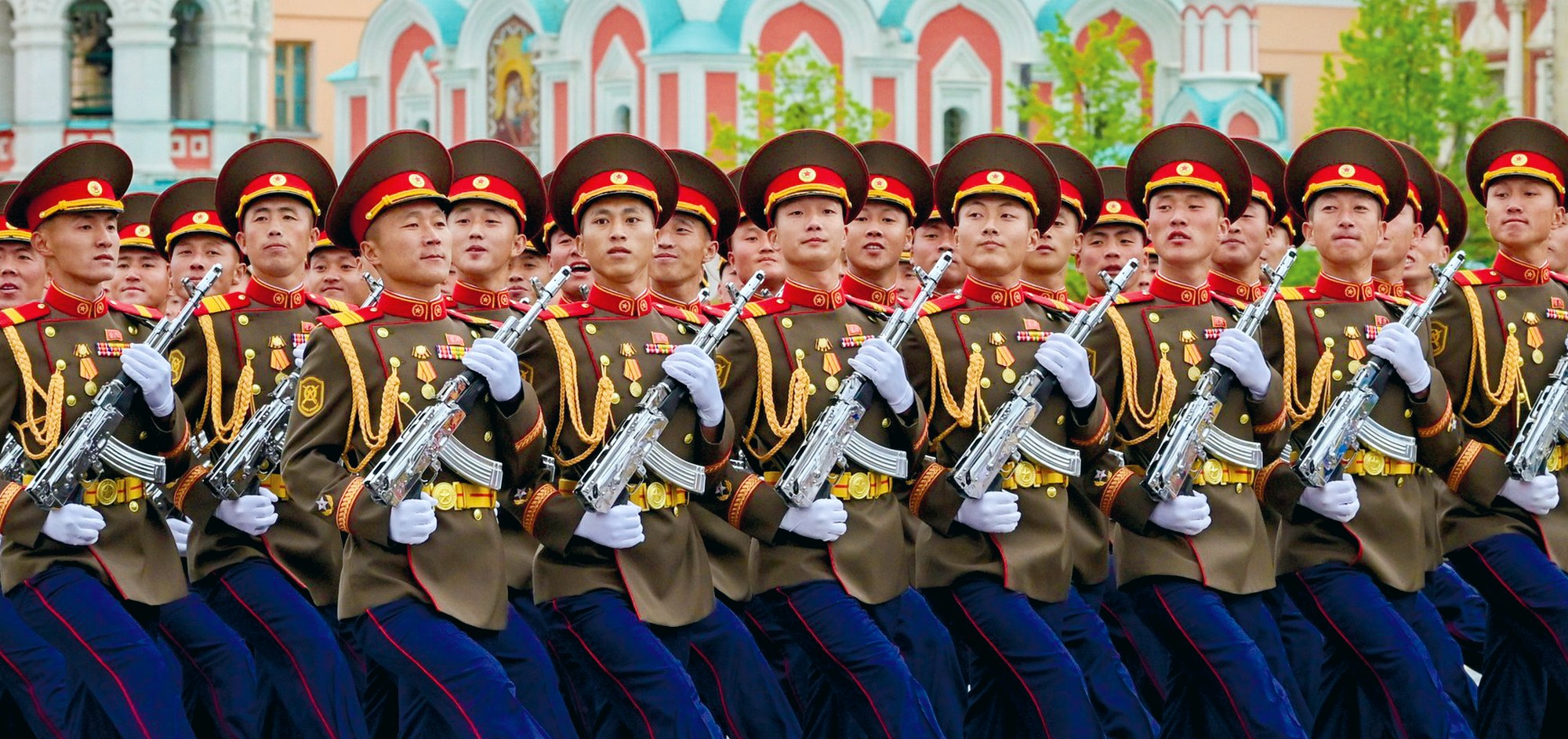
The participation of North Korean military personnel in the parade was a notable highlight. In the context of the growing military-technical cooperation between Moscow and Pyongyang, this appears to indicate not only a deepening of cooperation between the two countries in the military and military-technical spheres, but also a geopolitical partnership with far-reaching ambitions.
A speech of great significance
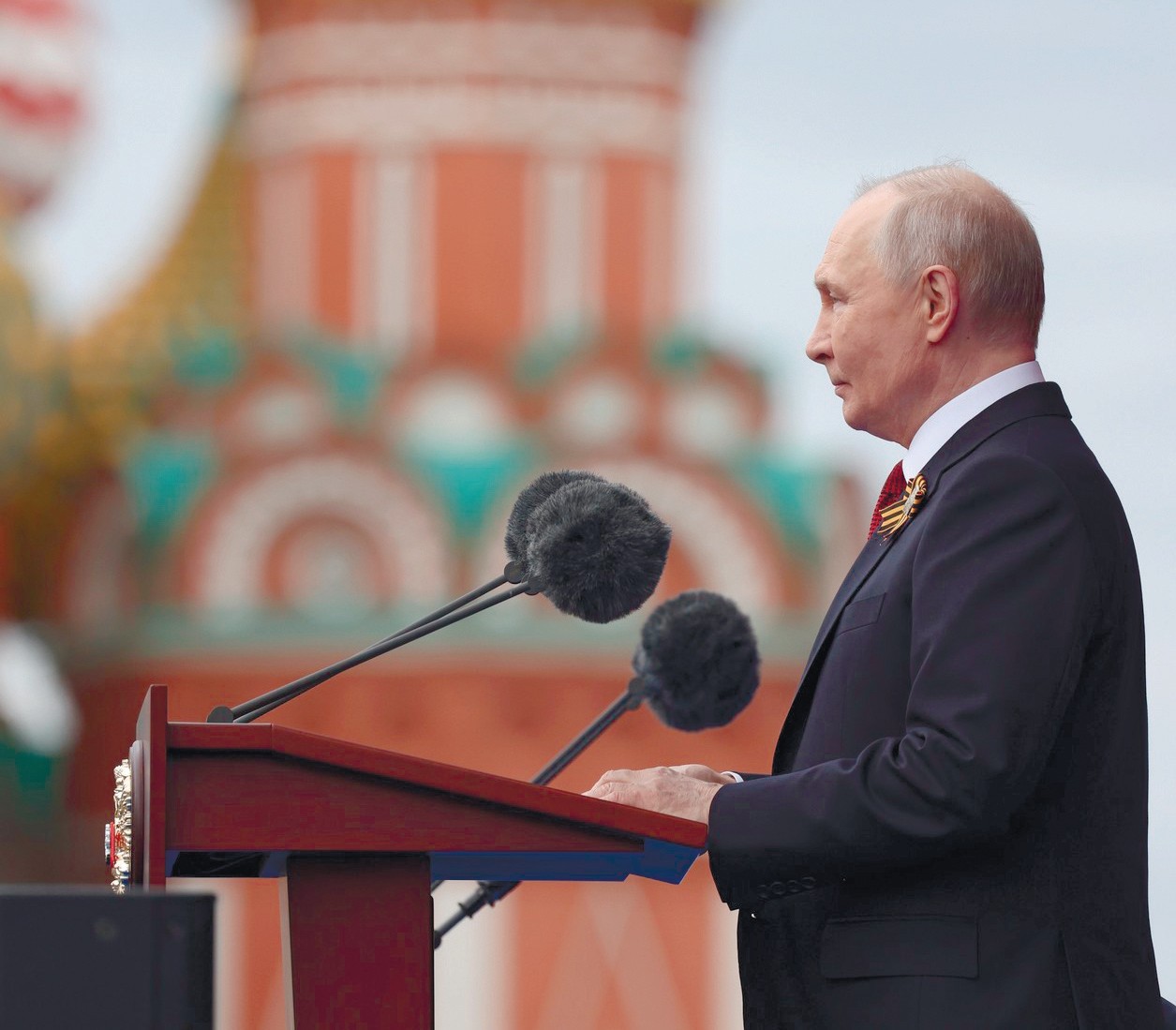
Vladimir Putin's speech was the highlight of the ceremony. The Kremlin had previously designated this event as 'very important'. Putin's approach appeared to be multi-faceted, with an apparent intention to address several objectives simultaneously.
Firstly, it adopted the customary approach of associating the present war with Ukraine with the historical narrative of the Great Patriotic War, and presenting the events as a continuation of Russia's struggle against external pressure and threats. Secondly, it was essential to demonstrate that Moscow remains committed to negotiations and the pursuit of a 'just peace', albeit exclusively on its own terms. At the same time, the Russian side made it clear that it is not prepared to abandon its key demands on Ukraine. Finally, the third objective was to demonstrate internal resilience. In the context of ongoing drone attacks, discussions regarding Moscow's security measures, and the streamlined nature of the parade, it was crucial for the Kremlin to demonstrate that the state apparatus maintains control of the situation and continues to function effectively.
However, the more the Russian side attempted to demonstrate stability and control, the more this contrasted with the reality on the ground. The absence of tanks and missiles on Red Square, heightened security measures, communication disruptions, airport closures and discussions of the threat of strikes on Moscow effectively proved the opposite.
Consequently, the 2026 parade became, arguably for the first time in many years, a distinctive marker of the atmosphere of a new era – an era of protracted conflict, threats of drone warfare, and a gradual shift from an information narrative of triumph to one of a besieged fortress.
The potential of diplomacy
In order to prevent the situation from escalating further, both Russia and Ukraine were compelled to request US mediation. Following a notable escalation in mutual threats and discussions of potential strikes on Kiev and Moscow, there was a significant increase in Russian-American contacts. Following two days of talks facilitated by Donald Trump's administration, the parties involved reached a consensus on a three-day ceasefire from 9 to 11 May, along with the largest prisoner exchange of the war to date, on a '1,000 for 1,000' basis.
From the Russian perspective, the ceasefire was considered to be a temporary pause in hostilities. No agreements were reached on extending the ceasefire or on a new round of negotiations. Furthermore, Moscow has once again linked the possibility of further negotiations to demands on Ukraine, including the transfer of the entire Donetsk region to its full control, which Kiev categorically rejects.
It is noteworthy that the parties and mediators have divergent assessments of the truce's outlook. Donald Trump has publicly expressed his desire for a more enduring ceasefire and the continuation of the negotiation process. However, the Kremlin has described such expectations as 'unfounded'.
In this context, statements regarding a possible meeting between Vladimir Putin and Vladimir Zelensky were seen as highly symbolic. Moscow has stated its readiness to hold talks only in the Russian capital, whilst Kiev categorically rejects such a format, referring to Moscow as 'the capital of the aggressor state'. This serves to reinforce the perception that the current cessation of hostilities is merely a tactical pause rather than the commencement of a comprehensive political agreement.
It is interesting to note that shortly after the announcement of the ceasefire, Vladimir Zelensky made a subtle remark directed at Moscow that was met with a degree of irony. The President of Ukraine has authorised a parade to be held in the Russian capital on 9 May. The document was published on the evening of 8 May on the official website of the Office of the President of Ukraine.
Following the receipt of numerous requests for humanitarian purposes, as outlined in the negotiations with the American side on 8 March, I hereby decree that a parade be held in the city of Moscow (Russian Federation) on 9 May. He also published the exact coordinates of Red Square, noting that this area is temporarily "excluded from plans to use Ukrainian weapons".
In light of these circumstances, it is challenging to consider the possibility of a comprehensive peace agreement. In the current circumstances, the most optimistic outlook would be to attempt to prevent the conflict from escalating further. The positions of the parties are too divergent, the level of mutual distrust is too high, and the very logic of war remains too rigid.
RECOMMEND:
 155
155

