

DOUBLE-TRAP SUMMIT
The price of the game between Europe and Russia
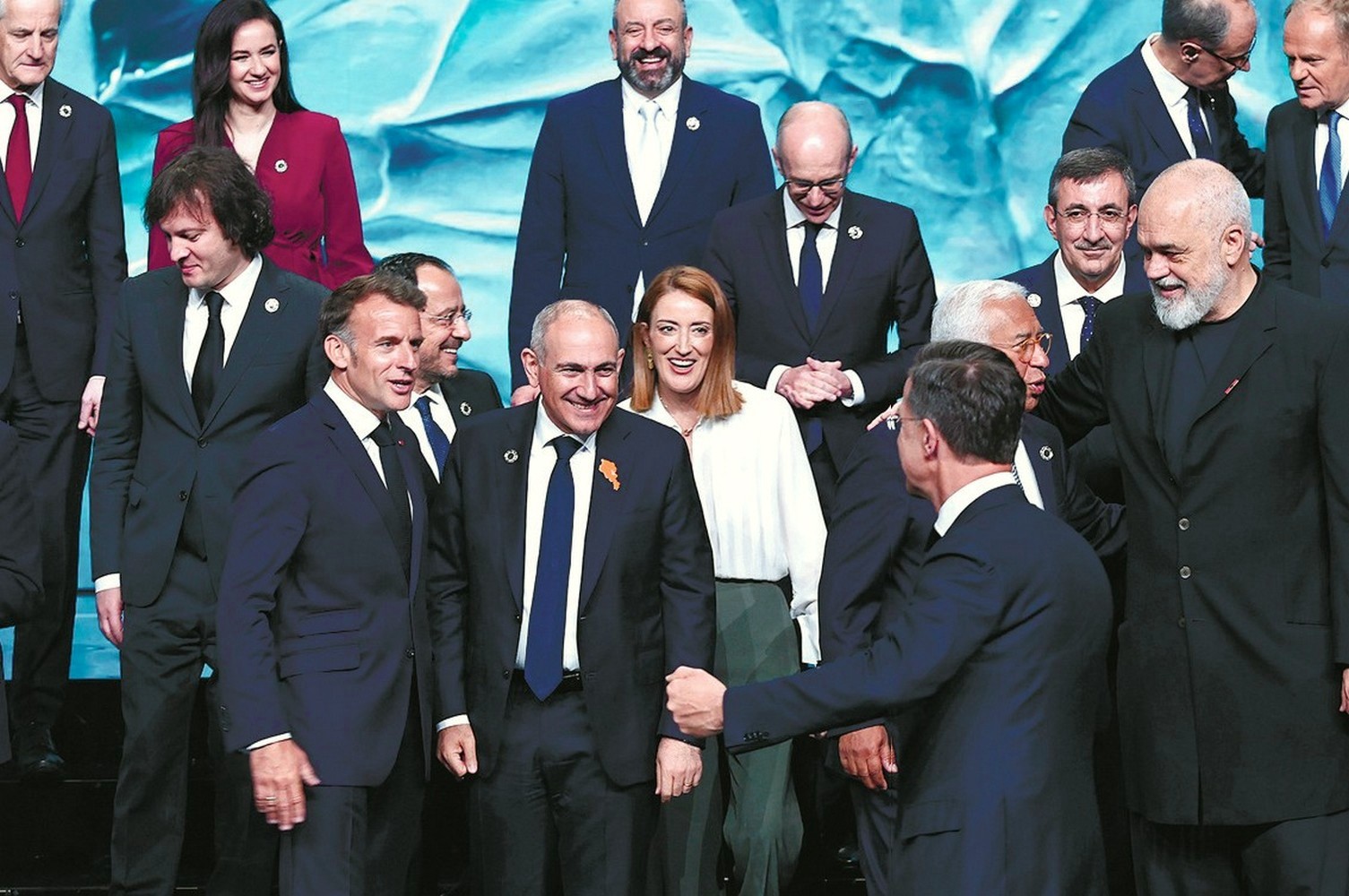
Author: NURANI
In Nikolai Cherkashin's novella "The Sign of Vishnu," one of the characters—or rather, antagonists—engages in a mental debate with those who liken war and politics to a game of chess, stating: "Fine chess it is, if a black bishop can unexpectedly turn into a white knight, a queen into a pawn, and the white square beneath your king suddenly turns treacherously black."
Indeed, in the intricate realm of politics, what recently appeared to be a triumph and a "golden ticket" can abruptly metamorphose into a perilous pitfall. One of the classic examples is the European Political Community (EPC) summit held in Yerevan.
For the office of the Armenian Prime Minister, the timing of this summit could not have been better, particularly as it took place just before the elections. The "European" summit was primarily intended to confirm Armenia's new political orientation – no longer towards Russia, but towards the West and Europe. The purpose of this initiative was to demonstrate that this is a two-way street and that Europe is ready to support Pashinyan's new course. Furthermore, Europe is the best source of technology, investment and political support. But...
The Azerbaijani dimension of the Yerevan summit
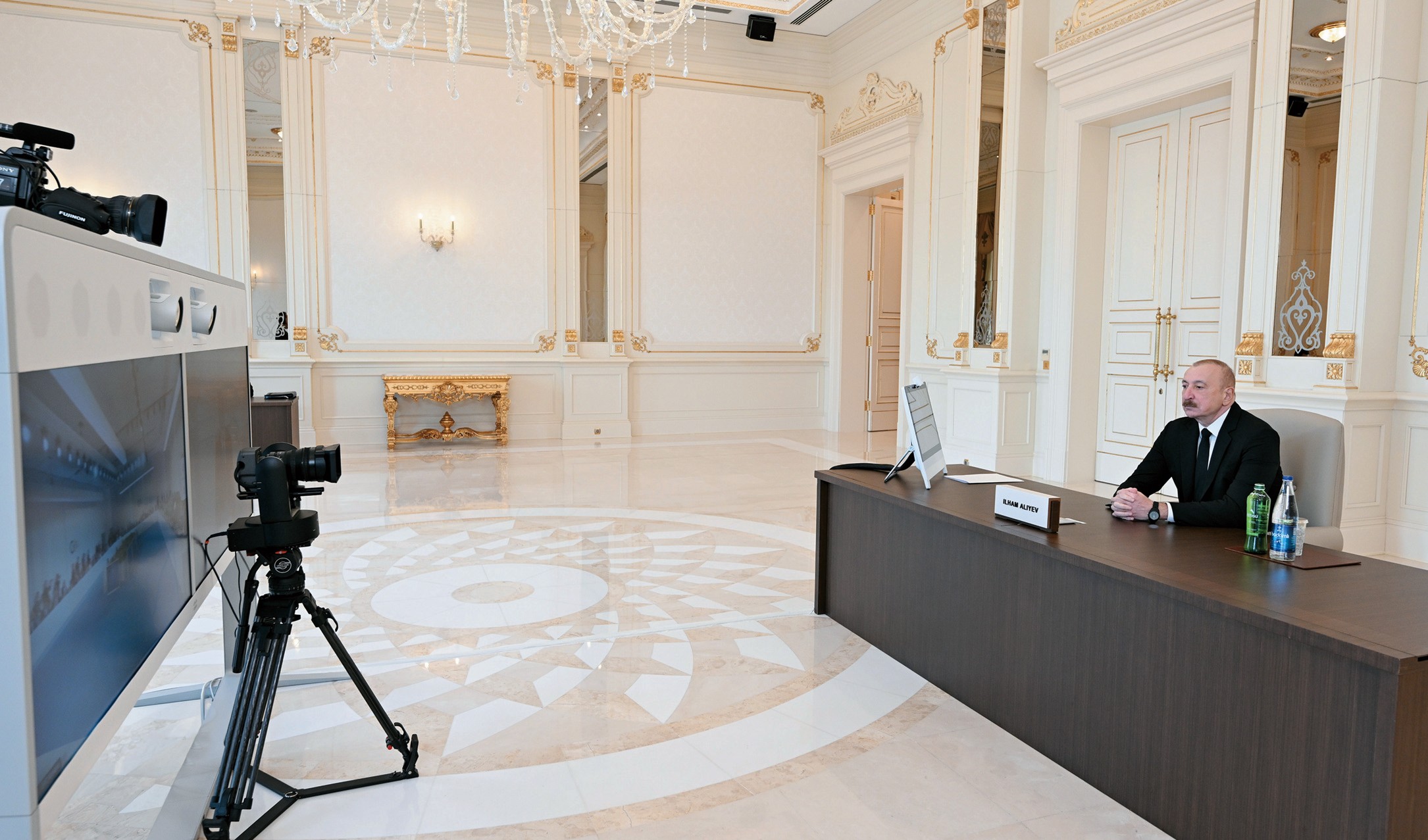
The President of Azerbaijan, Ilham Aliyev, addressed the participants of the EPC summit via video link. While the peace process between Baku and Yerevan is gaining momentum, the time for bilateral high-level visits has not yet arrived. And the President's speech left no room for doubt: the "Armenia-centric" policy of certain circles in Europe comes at a price, and a much higher one than many had anticipated.
Ilham Aliyev dedicated a significant part of his speech to the, to put it mildly, biased stance of many European institutions. He recalled that four months after the completion of anti-terrorist measures in Garabagh and the implementation of the 1993 UN Security Council resolutions, the Parliamentary Assembly of the Council of Europe (PACE) imposed sanctions against the Azerbaijani delegation.
The President also subjected the European Parliament to very harsh criticism: "Just imagine: 14 resolutions in five years—this already looks like an obsession. The latest one was adopted just four days ago, deliberately right before the summit. Instead of addressing the fundamental problems of certain member states, such as xenophobia, Islamophobia, antisemitism, migration, competitiveness, and homelessness, the European Parliament targets Azerbaijan, spreading slander and lies. The reason is that Azerbaijan has restored its territorial integrity and sovereignty, put an end to separatism, and held war criminals accountable."
In response, on May 1, the Parliament of Azerbaijan officially decided to suspend cooperation with the European Parliament in all areas, cease participation in the activities of the EU-Azerbaijan Parliamentary Cooperation Committee, and initiate procedures to terminate its membership in the Euronest Parliamentary Assembly. This statement was delivered on a platform where there was not even a theoretical possibility to assume it was intended for a domestic audience.
The summit in Yerevan followed a significant series of visits by European leaders to Azerbaijan. In early April, the Prime Minister of Lithuania, Inga Ruginene, visited Baku. In late April, the President of Latvia, Edgars Rinkevics, was the guest of honour. On the eve of the summit, the Prime Minister of the Czech Republic, Andrej Babiš, visited Azerbaijan. In an interview following the visit, he commented that a number of European leaders were planning to visit Azerbaijan. Without awaiting the official conclusion of the forum in Yerevan, the Prime Minister of Italy, Giorgia Meloni, arrived in Baku. Shortly after the meeting of EPC participants concluded, the visit of the European Commissioner for Foreign Affairs, Kaja Kallas, commenced.
The agenda of the talks included oil and gas supplies, European energy security, and logistics. Discussions regarding military cooperation have taken place with Italy and the Czech Republic.
In summary, two political directions and two factions have emerged simultaneously in Europe. Certain figures, such as Members of the European Parliament who have been bribed, and the President of the European Parliament, Roberta Metsola, demonstrate a clear anti-Azerbaijani course, not shrinking from blatant fakes and the violation of fundamental norms of international law and political etiquette. In contrast, leaders of European countries, most frequently the heads of state of Azerbaijan, make every effort to strengthen relations with the Republic of Azerbaijan.
Due to the ongoing instability in the Middle East and the sanctions imposed on Russia, Europe is reliant on Azerbaijani energy resources. In the context of the geopolitical shifts occurring in Central Asia, Azerbaijani logistics are playing a pivotal role. Despite the efforts of Armenia's supporters, relations between Baku and other parties are showing a positive trajectory.
Dashed hopes
What about Armenia? At first glance, everything went, if not perfectly, then at least without any monumental blunders, as was the case, for instance, during the visit of the notorious Nancy Pelosi. On the other hand, however, Armenia clearly did not receive the promised dividends.
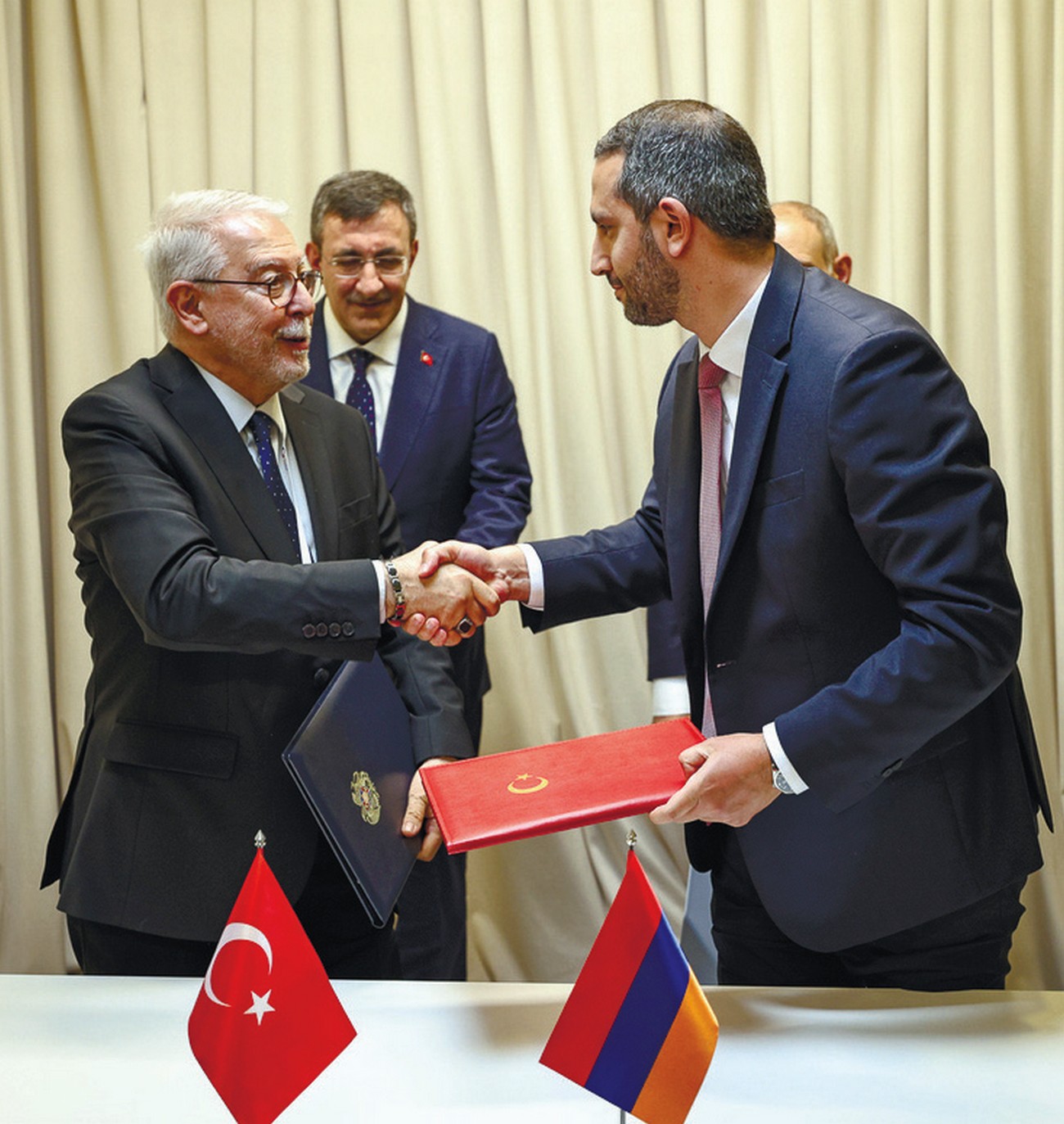
True, Europe ostensibly supported Yerevan's "European aspirations". At the same time, Armenia is in no hurry to withdraw from the EAEU, and it is impossible to be a member of two economic blocs simultaneously. Moreover, accession to the EU is an exceedingly lengthy process. Within Europe itself, a "moratorium on enlargement" has been in place for several years. The "Euro-barrier" is open in words, but in reality, alas, it remains lowered. Furthermore, Yerevan and Brussels have not even commenced negotiations on an association agreement or similar accords.
It is possible that Brussels is awaiting the outcome of the elections in Armenia. The theory that Europe expects concrete steps from Armenia, primarily its withdrawal from the EAEU, is also entirely plausible.
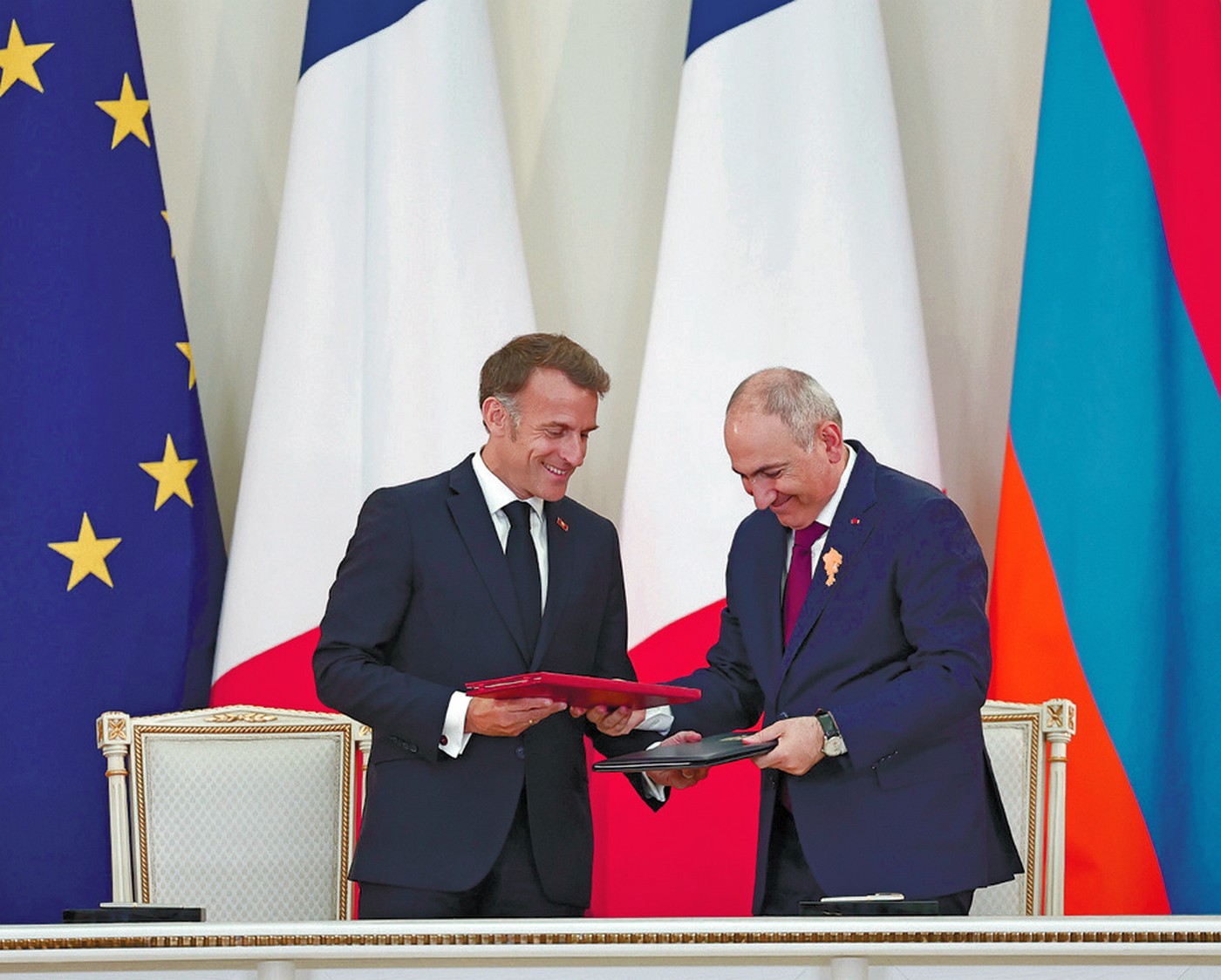
Support for defence and security initiatives? Yes, a further tranche within the framework of the European Peace Facility, totalling 30 million euros, has been unfrozen. However, this amount can hardly augment a military budget meaningfully. Emmanuel Macron reminded the summit that Russian border guards are stationed on Armenia's borders and urged the European Union to help bring the borders under its own control.
European representatives cited a figure of 2.6 billion euros in potential investments for projects like the "Crossroads of Peace". Yet these are merely projected investments, rather than hard cash or concretely signed projects. Even the "Crossroads of Peace" itself remains a highly vague prospect. During the years of war and closed borders, Azerbaijan established a transport infrastructure that bypasses Armenia.
A comparable event has previously transpired in Armenia's history. Prior to the 44-day war, Yerevan made the strategic decision to pursue the development of alternative energy sources. An international forum was even hosted in the Armenian capital, and the then US Ambassador, Richard Mills, cited a figure of $8 billion in potential investments for this energy sector. The news was initially met with jubilation in Armenia. However, the ambassador was speaking of theoretical possibilities rather than actual investment agreements for facilities producing biogas from pig manure.
Despite the conclusion of the summit, Armenia is still facing the same challenges. It is most frustrating for the country that, as in previous years, Europe is not yet showing any urgency to resolve the issues of its new friends.
Russian hints
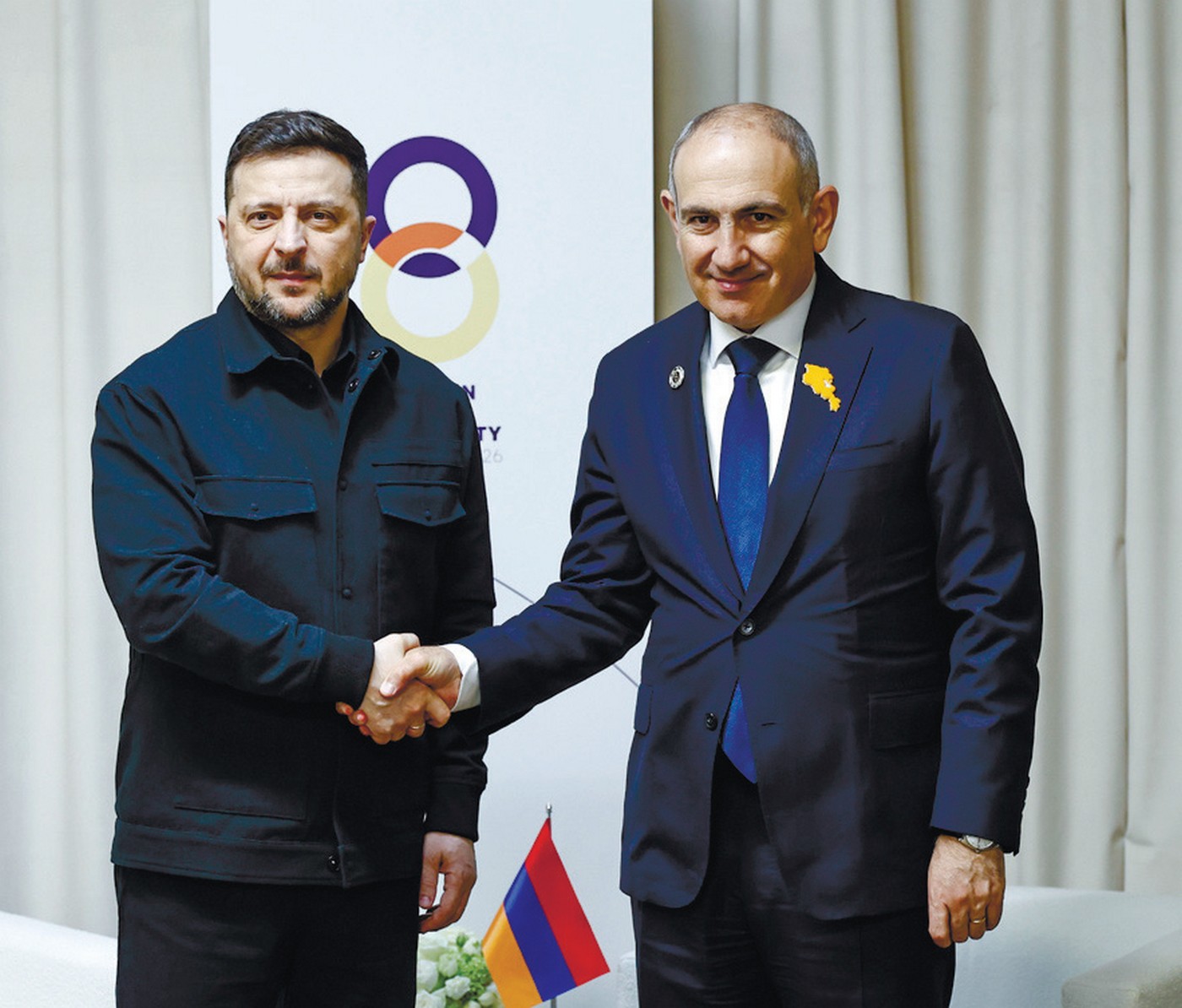
Perhaps the true geopolitical outcomes of the summit are only beginning to become apparent. Pashinyan has successfully managed to "tweak the Russian bear's whiskers". The fact that the European summit is being hosted in the Armenian capital is already a source of concern for Moscow. The arrival of Ukrainian President Vladimir Zelensky was particularly significant. And before the contrails of the European leaders' liners could even fade from the Yerevan sky, the Kremlin expressed its displeasure.
Maria Zakharova, the Russian Foreign Ministry spokesperson, stated that Yerevan had not honoured its commitment not to take any measures directed against Moscow. According to her, the current course of the Armenian authorities could potentially result in Armenia's involvement in the "anti-Russian line of Brussels". This is in reference to the commitment made by Zelensky, in which he stated that Ukrainian drones might "visit the parade" on May 9 in Moscow, and the "Russophobic atmosphere" of the meeting.
Russian Presidential Aide Yury Ushakov also commented on the situation, expressing a similar level of seriousness. Following the statement that Moscow had engaged in serious talks with the Armenian Prime Minister, Nikol Pashinyan, Ushakov continued, explaining that all the issues had been addressed. "Regrettably, Yerevan is still attempting to adhere to a policy of, as I would put it, sitting on two stools. I am unaware of the duration for which one can maintain this posture. However, it should be noted that these developments may have a negative impact on the growth of our bilateral relations, which are of significant benefit to both Russia and Armenia."
He then recalled that the favourable situation regarding Armenia's economic development is linked, in particular, to the republic's interaction with Russia within the EAEU. Armenia's purchase of oil, gas, and rough diamonds from Russia at domestic prices has resulted in a significant budgetary boost, amounting to several billion dollars. In theory, Europe is not prepared to financially compensate for them, even if it would be desirable to do so. The Armenian economy will face significant challenges in maintaining stability in the absence of such financial injections.
Additionally, Armenian exports, whether brandy, ajika, or anything else, cater primarily to the Russian market. Russia is Armenia's leading foreign economic partner, whereas the European Union occupies only the fourth place on this list.
And perhaps most importantly, just prior to the summit, Moscow implemented restrictions on the export of Jermuk mineral water to Russia. While it does not currently hold a leading position in Armenia's exports, this is a matter of concern.
This is not the first time that Yerevan has sought to engage with Western markets. In 2013, the then President of Armenia, Serzh Sargsyan, was preparing to sign an association agreement with the European Union at the Vilnius Eastern Partnership Summit. And just before the summit's opening, Sargsyan was asked to visit Moscow. It was made very clear to him that, in such a scenario, he would have to pay the global market price for gas. The situation was resolved by transferring full ownership of Armenia's gas networks to Russia's Gazprom and securing a promise from Yerevan to join the EAEU instead of the EU.
The principles of economics are irrefutable. The manner in which Moscow will proceed today is yet to be determined. However, it is clear that, prior to any adjustments being made to the Russian economy, it would have been prudent to thoroughly assess its economic resilience. I would like to inform you that we should not expect any particular assistance in this matter from Europe.
RECOMMEND:
 179
179

