

URBAN DILEMMA
The experience of Baku and the WUF13 discussions demonstrate that successful urbanisation is impossible without a single strategy based on multiple factors
Author: Kamilla BABAZADE
The modern city has evolved beyond the confines of a mere collection of housing estates and road junctions. In the current context, we are reaching a critical point in global urbanisation. The extensive growth of infrastructure is coming into direct conflict with the quality of human life. The World Urban Forum WUF13, held in Baku, represented a logical continuation of the global climate dialogue initiated at COP29. It demonstrated that the world's mega-cities are facing a range of hidden and overt threats, requiring a radical shift in the management paradigm.
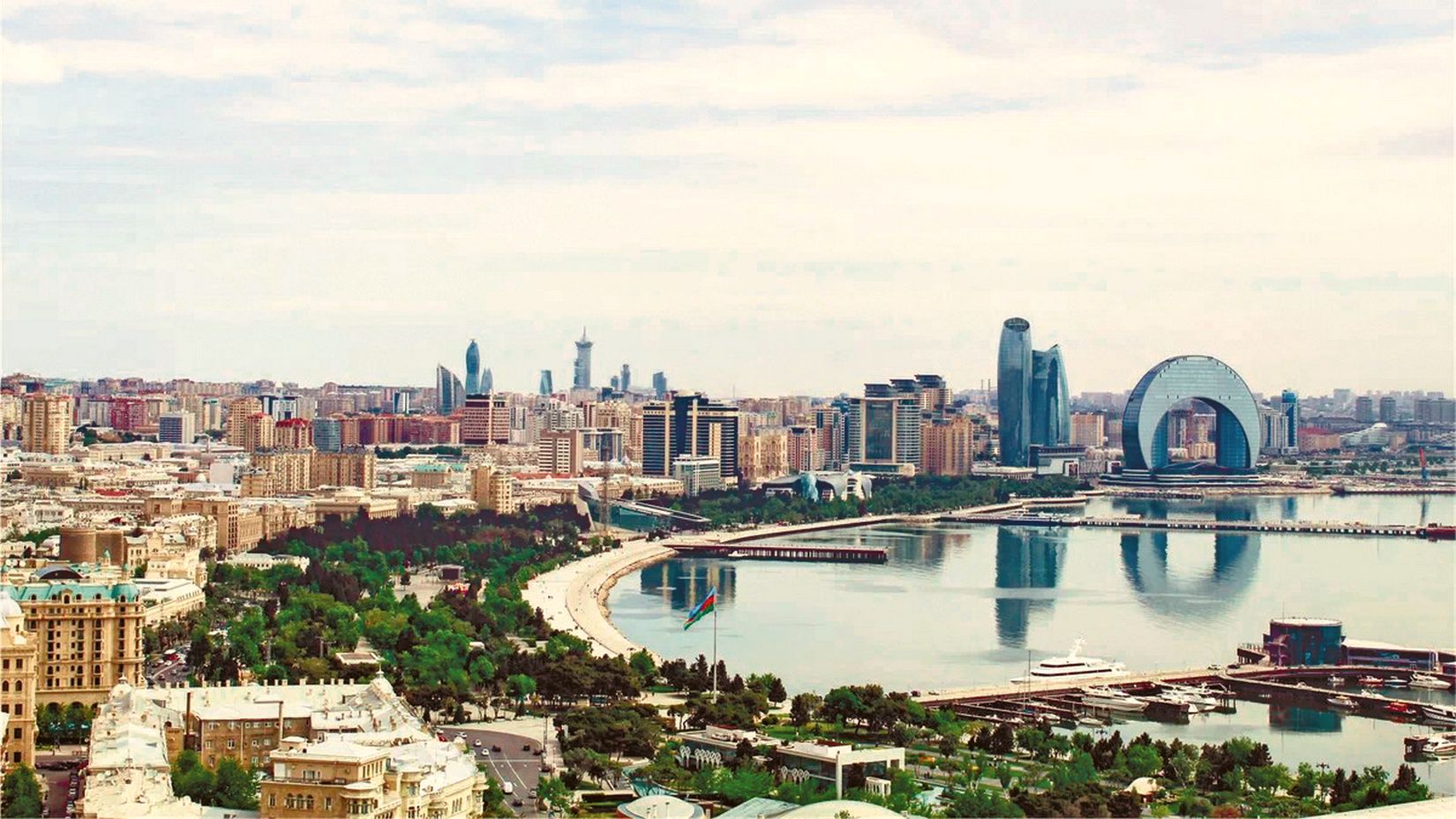
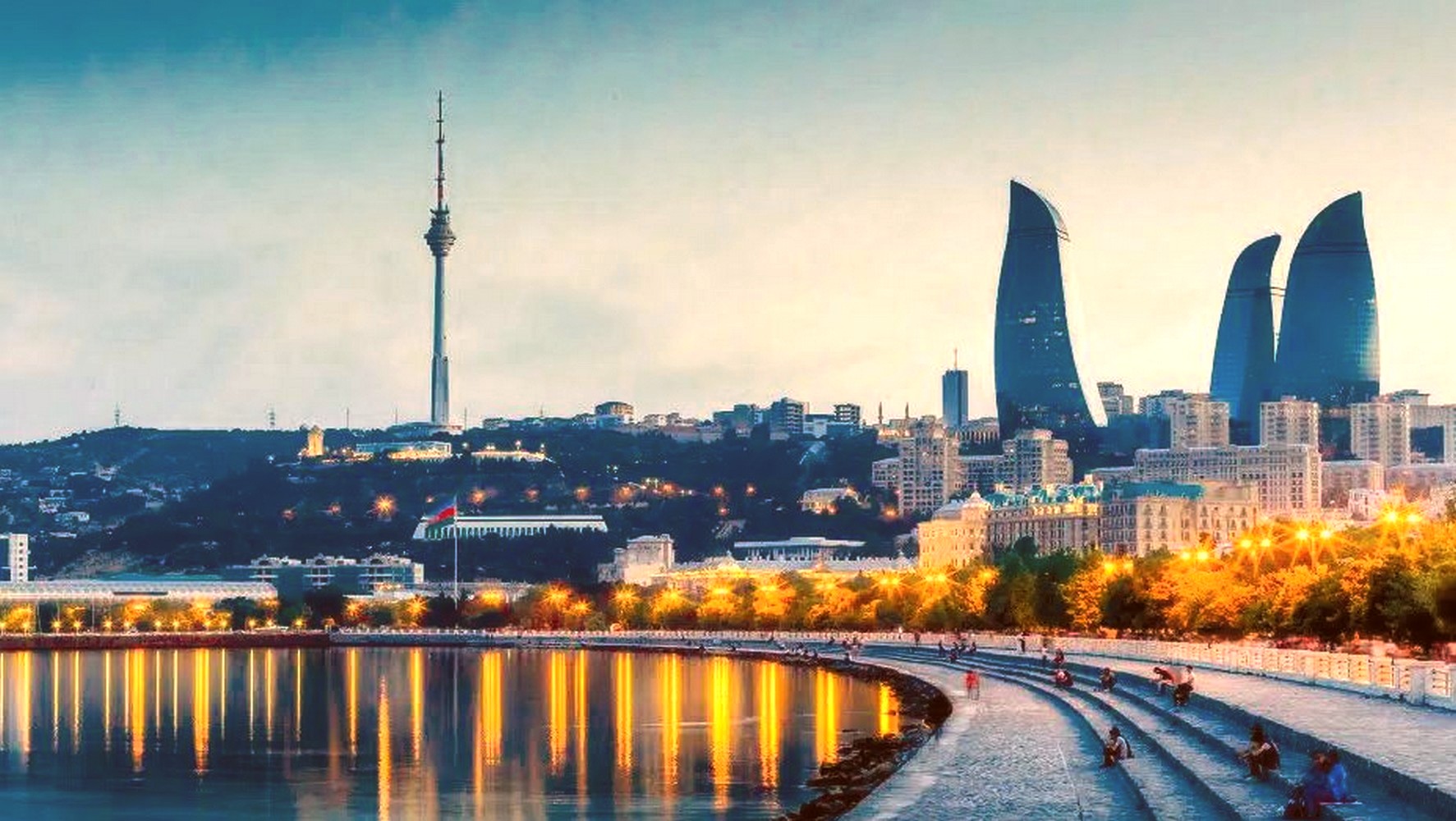
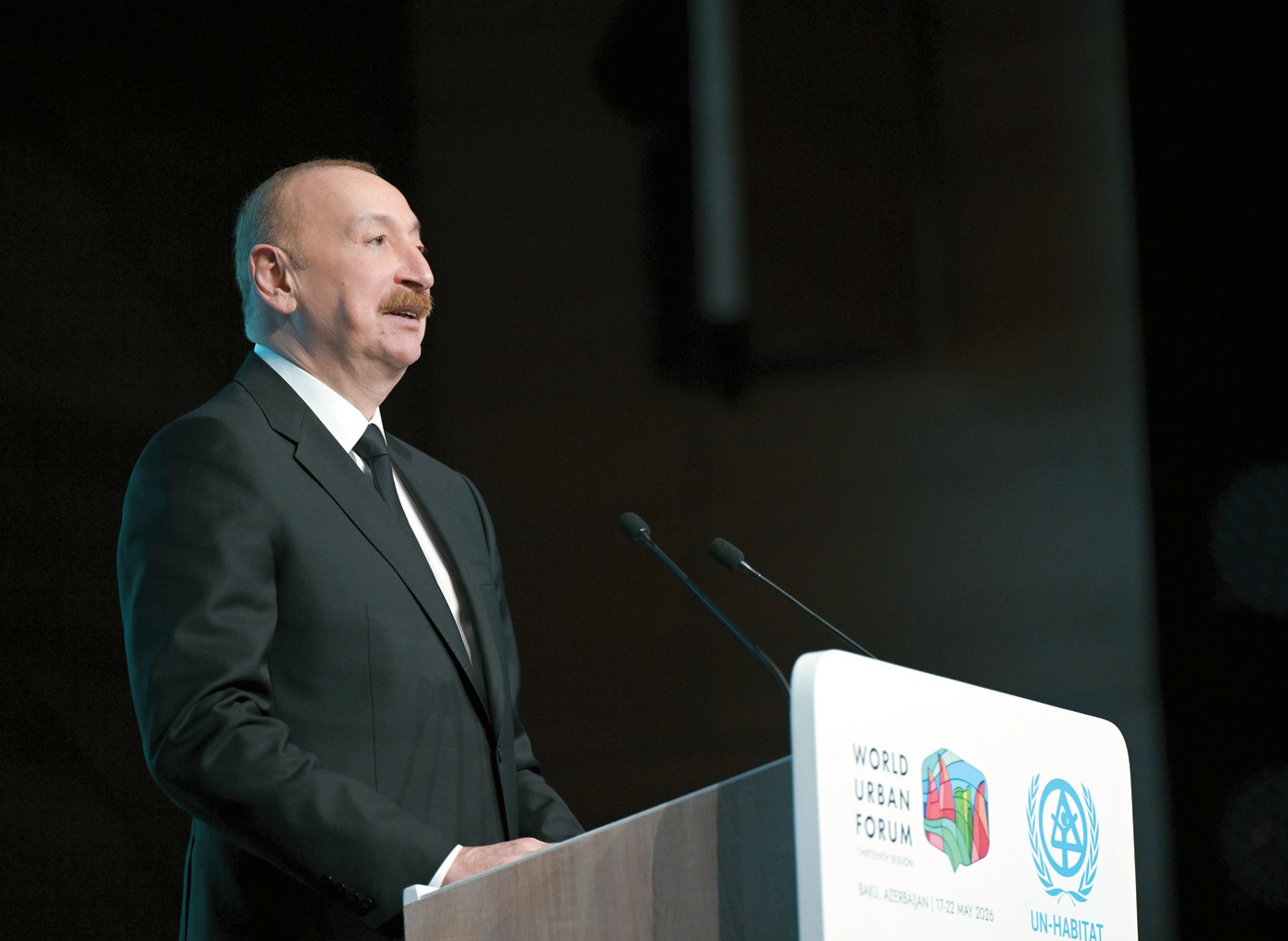
At the opening of the forum, President of Azerbaijan Ilham Aliyev emphasised that today, Baku is not merely hosting the world's leading urban platform, but is also demonstrating in practice a model of a city where carefully preserved historical heritage blends harmoniously with ultra-modern, environmentally sustainable infrastructure. The Head of State observed that the Azerbaijani capital has undergone significant environmental transformation over the past decades. The transformation of the former industrial 'Black City' into the modern, eco-friendly 'White City' district, as well as the extensive expansion of Baku Boulevard, which has become the city's main thoroughfare, are symbols of this large-scale work.
The President emphasised that today Azerbaijan is extending the principles of the 'New Urban Agenda' to the national level, implementing the unprecedented 'Great Return' programme. In the liberated territories of Garabagh and Eastern Zangezur, the country is carrying out a comprehensive post-conflict reconstruction using exclusively its own financial and technical resources. In this project, starting from the beginning and based on the advanced concepts of the 'smart city' and 'smart village', an inclusive, safe and digital living environment is being created for tens of thousands of returning citizens. This unique experience of Azerbaijan proves that modern urban planning must be based not on the chaotic development of spaces, but on the principles of carbon neutrality, alternative energy and absolute human comfort. Thus, from residents’ psychological burnout to a global shortage of skilled workers, the current agenda is forcing architects and politicians to seek fundamentally new approaches to designing living spaces.
For good housing
The direction set by the head of state regarding the priority of human well-being and the rectification of historical environmental mistakes was clearly evident in the forum's expert discussions. Indeed, one of the most alarming trends of recent times has been the mental overload of the urban population. Anar Veliyev, Associate Professor at ADA University and member of the Union of Architects of Azerbaijan, and Nani Zhgenti, author of the urban methodology 'Architecture of Attraction', draw attention to the fact that the modern urban environment has become a source of constant psychological pressure. If the principles of harmonious development articulated by the President are ignored when constructing new neighbourhoods, the fast pace of life and the avalanche of information begin to overload the nervous system, which has not evolved to cope with such stresses. In the post-pandemic period, it has become evident that poor architectural decisions and aggressive development can directly contribute to an increase in depression, stress and anxiety.
The urban environment is increasingly being viewed not as a protective space, but rather as a source of mental distress, underscoring the need to prioritise psychological well-being in neighbourhood design.
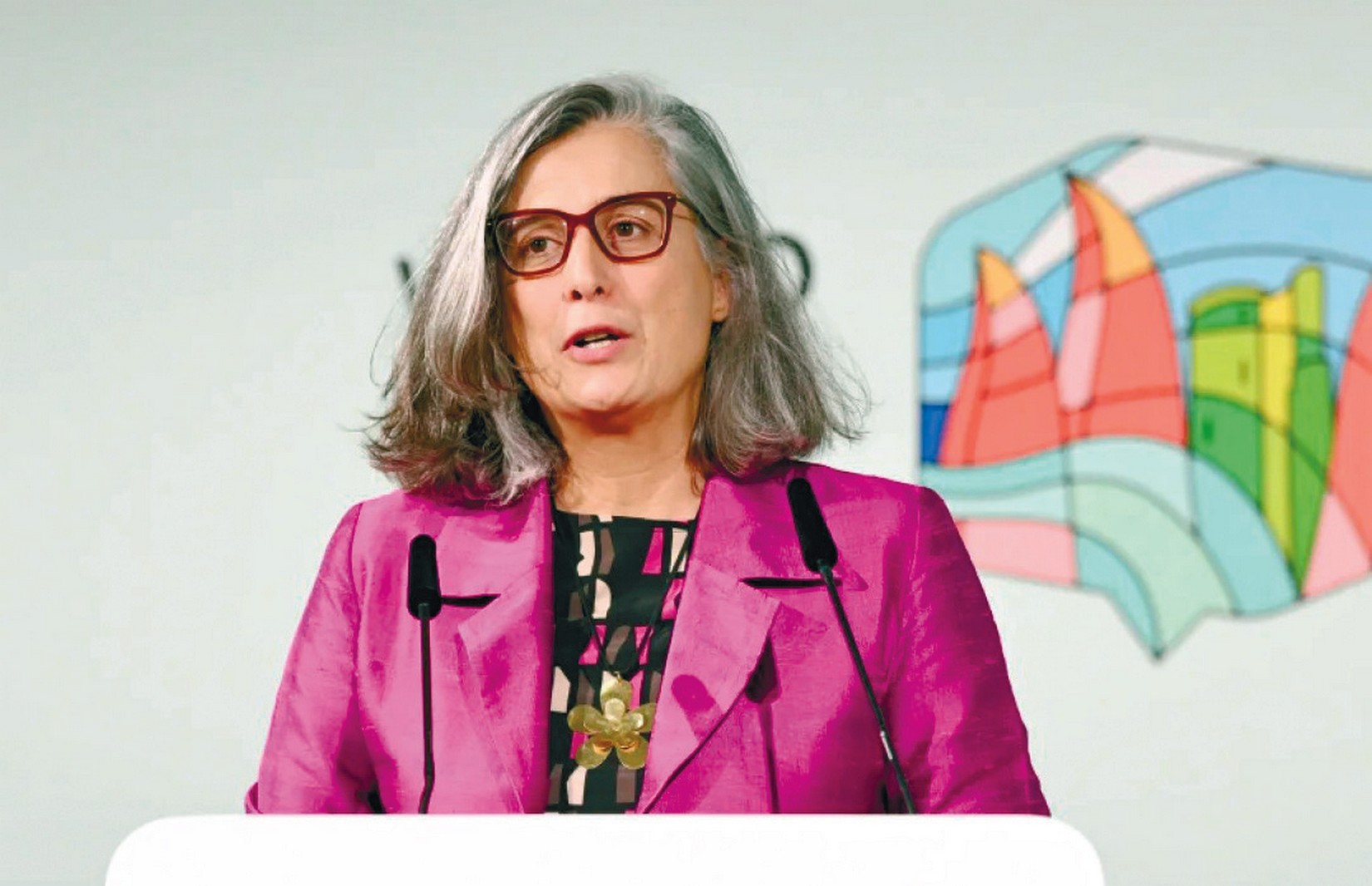
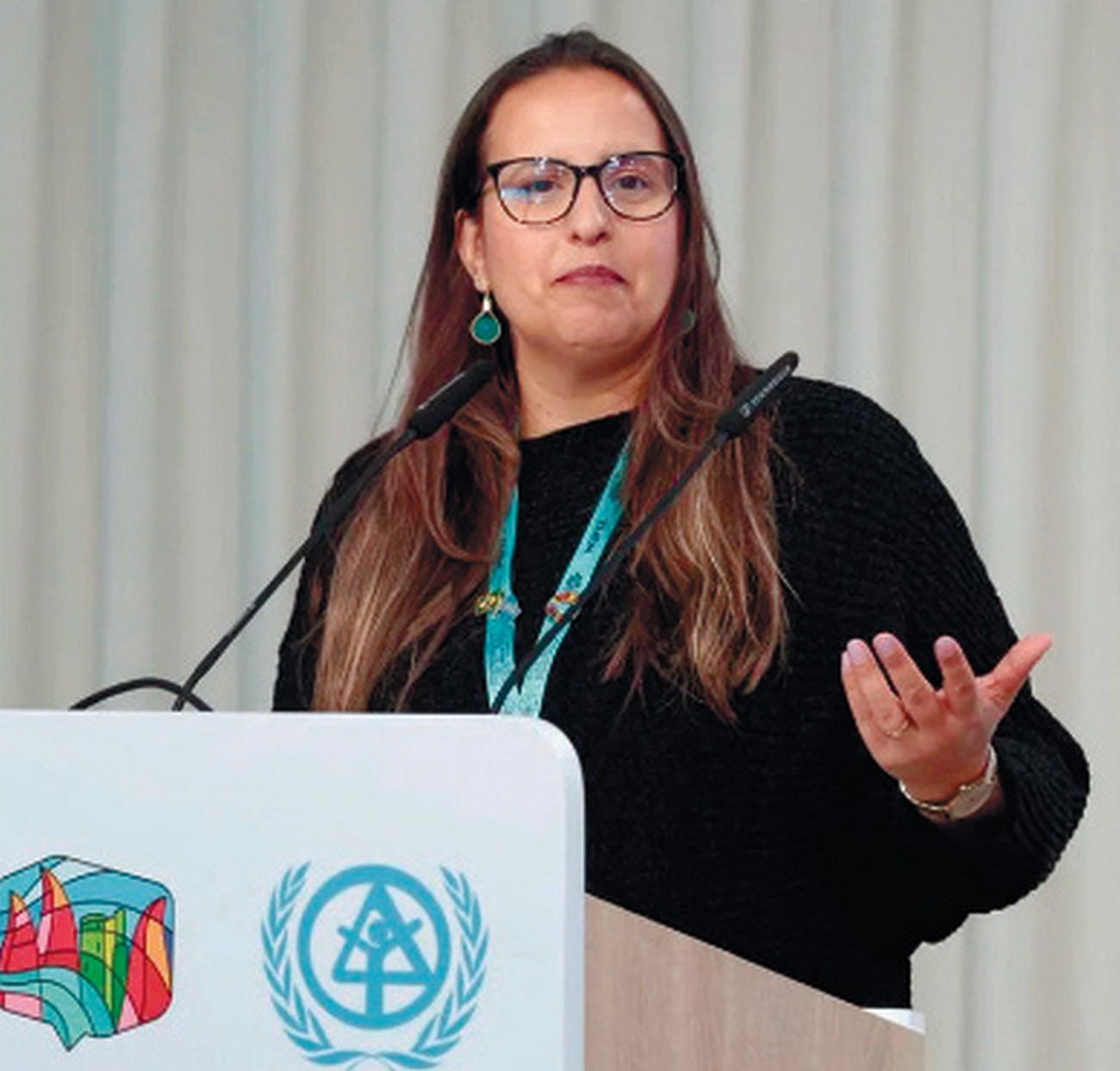
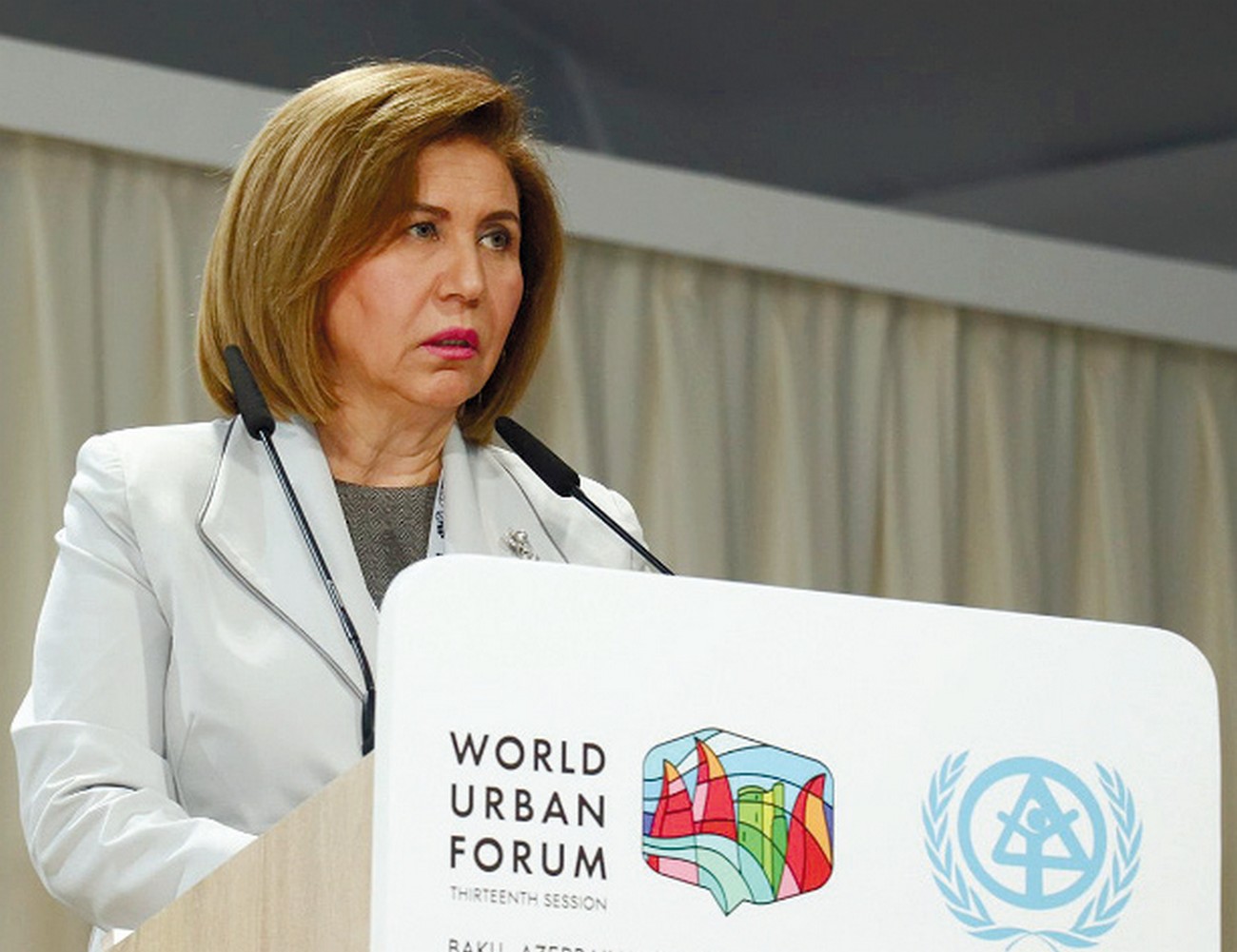
This problem is especially problematic in relation to the most vulnerable groups, i.e. children and young people. UN-Habitat Executive Director Anaclaudia Rossbach emphasises a critical issue of housing affordability, which is impeding the potential of the younger generation. The inability of young people to purchase or lease property can potentially compromise their access to education, career opportunities and the establishment of a stable future. Bahar Muradova, Chair of Azerbaijan's State Committee on Family, Women and Children's Issues, has noted that the concept of a home must extend far beyond four walls, as good housing must be child-centred. For their harmonious development, the city must provide a healthy social ecosystem with accessible areas for play, socialisation and care. Without integrating the needs of children and young people into urban master plans, it is impossible to build a viable society.
Urban planning, disability, urban water
At the same time, urban planners must tackle the challenges of inclusivity and environmental concerns, necessitating an interdisciplinary approach. Federico Batista Poitiers, an international speaker and expert on accessibility policy from the global organisation 'United Cities and Local Governments', which brings together over 250,000 municipalities worldwide, emphasises that the principles of the UN Convention on the Rights of Persons with Disabilities are still struggling to take root at the level of individual municipalities. He also notes that organisations representing people with disabilities remain poorly involved in urban planning decisions, a situation also observed in Azerbaijan. At the same time, Rain Ferretti, the head of the Brazilian office of UN-Habitat, and environmental expert Amin Mammadov, are highlighting the importance of addressing climate threats and the need to manage water resources effectively. The decision by architects to 'hide' or 'encase' rivers in concrete is having severe consequences in the form of catastrophic flooding. In the context of new urban planning, it is essential to adopt a water-centric approach, recognising water as a pivotal element and a fundamental component of planning.
The 20-minute city
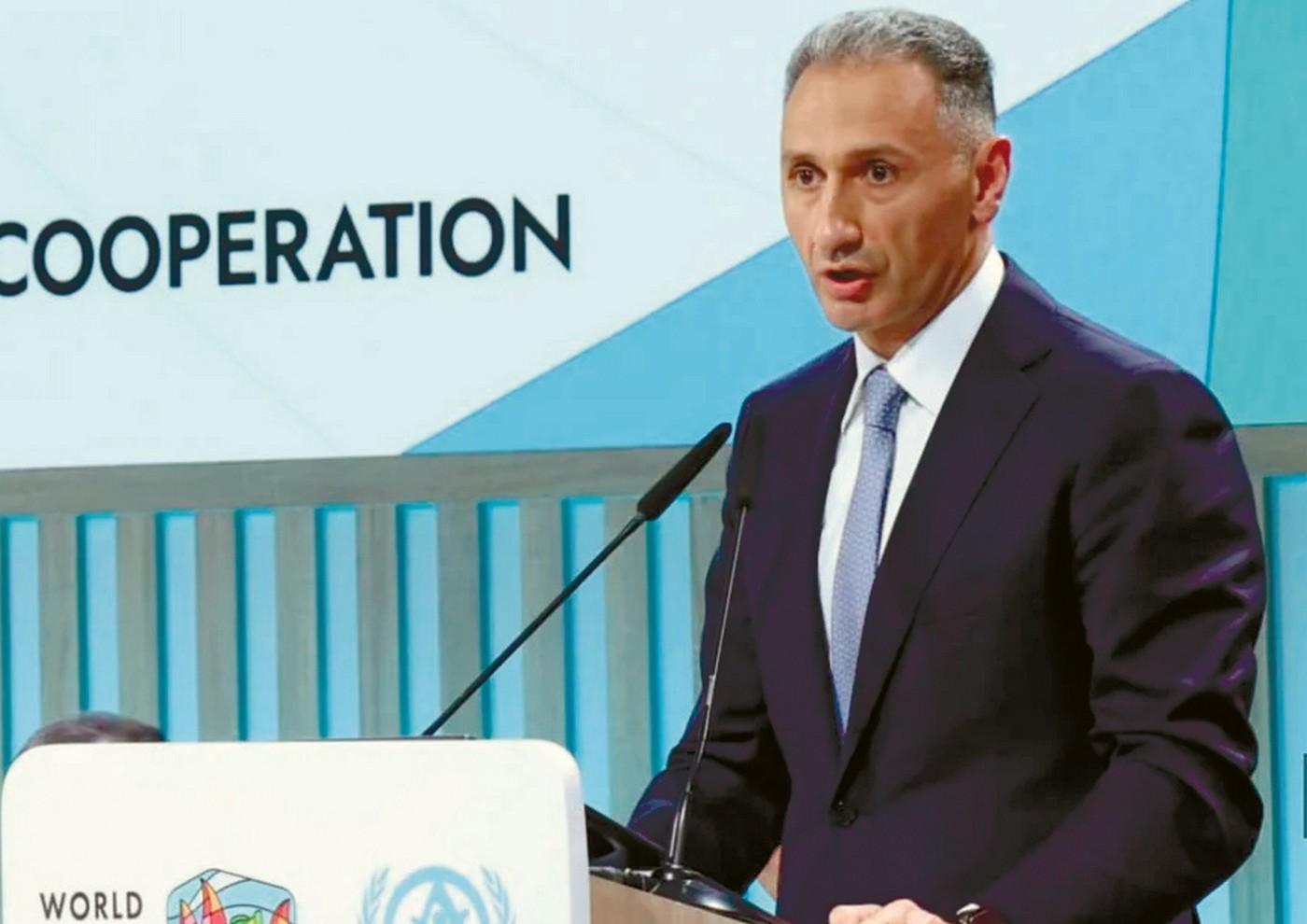
In this context, Azerbaijan is implementing pragmatic measures to modernise the transport and environmental infrastructure of its capital. Rashad Nabiyev, Minister of Digital Development and Transport, has announced that Baku is moving towards the concept of the '20-minute city'. The fundamental principle of this urban model is to liberate the metropolis from rigid centralisation, where residents of the outskirts must travel long distances every day to reach the historic or business centre for work, quality education, healthcare or leisure. In an ideal '20-minute city', every neighbourhood becomes a self-sufficient community where all basic human needs are met within easy walking, cycling or bus distance. Under this concept, the proportion of journeys made by car and taxi has already been reduced to 40%, and the aim is to bring this down to 30% by the end of the decade. This has been achieved through a large-scale expansion of the bus fleet to 3,000 vehicles and the attraction of private investment through a transparent system of gross contracts, which has simultaneously helped to reduce road fatalities. The decline in road fatalities from 9 to 7 per 100,000 inhabitants is attributable to comprehensive infrastructure enhancements, including junction optimisation, speed limit adjustment, and the establishment of pedestrian zones.
In contrast, a programme to scrap old cars is being successfully implemented in Baku. Etibar Abbasov, head of "Təmiz şəhər" OJSC, reported that over 26,000 unserviceable vehicles have been recycled, a process incentivised by a system of discount vouchers.
The primary challenge to implementing these large-scale changes is a staffing issue. Frank D'Ondt, a representative of the International Society of City and Regional Planners, has highlighted a significant global shortage of qualified urban planning specialists. There is a lack of accurate statistics regarding urban planners in the global market, and of the millions of workers in the urban development sector, only a small proportion possess the necessary skills to implement the Sustainable Development Goals. It is essential that this skills shortage is addressed and that international partnerships are established to train young people, if ambitious strategies are to be realised.
The concept of a comfortable city of the future encompasses more than just an efficient economic mechanism; it is a balanced, inclusive and safe ecosystem centred on people. It is evident from the experience of Baku and the discussions at WUF13 that successful urbanisation is only possible when psychological, environmental and social aspects are integrated into a single strategy. It is imperative that cities transition towards a more sustainable approach, characterised by water-oriented planning, the development of public transport, and the creation of an inclusive environment for all generations. The key to the successful implementation of this New Urban Agenda will be overcoming the staffing crisis in urban planning and uniting the efforts of the state, business and civil society to create spaces that do not overwhelm the psyche, but help people to thrive.
RECOMMEND:
 152
152

