
PASHINYAN REMAINS
The Armenian Prime Minister has once again outmanoeuvred his opponents, though numerous questions regarding these elections remain

Author: NURANI
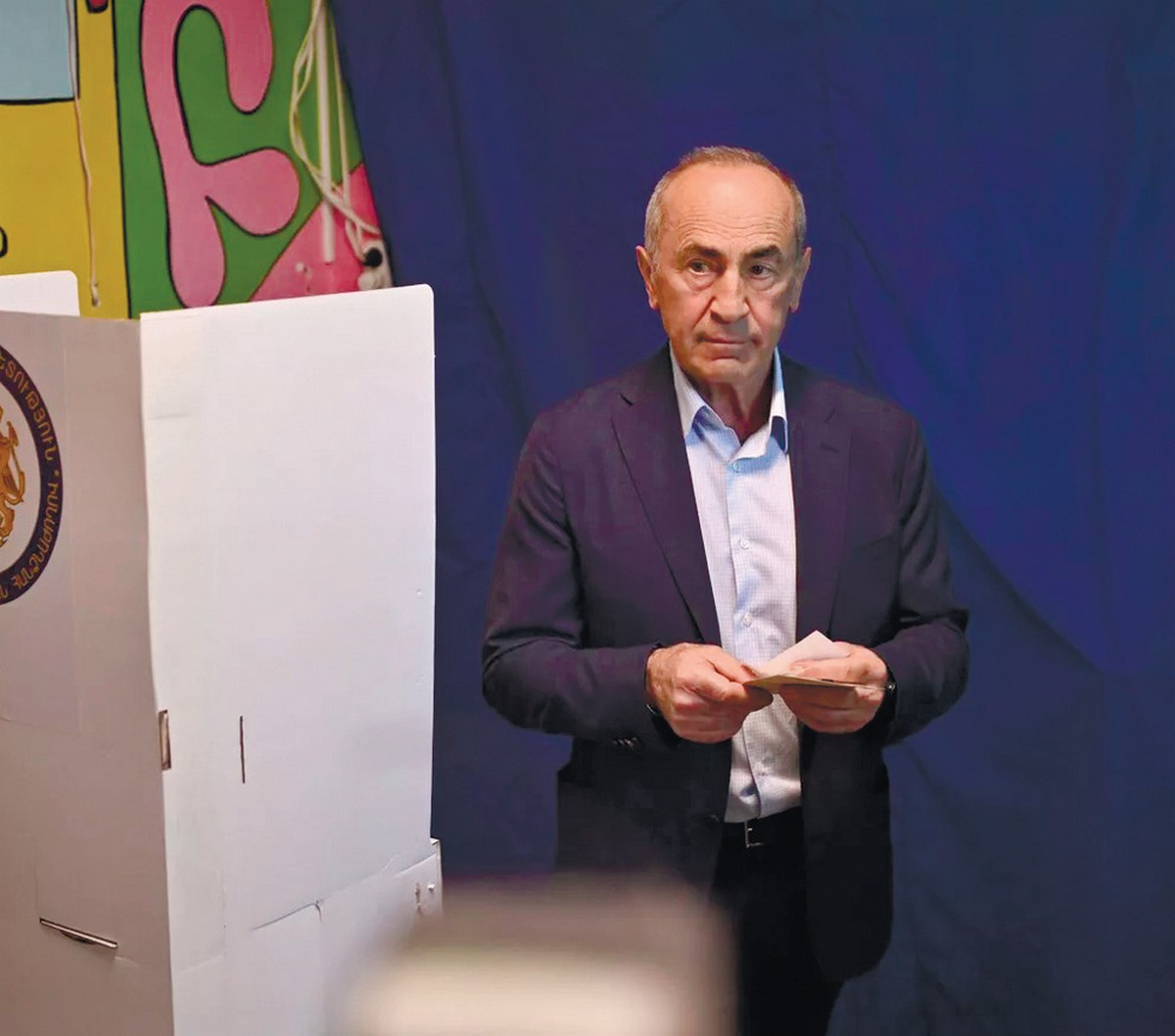
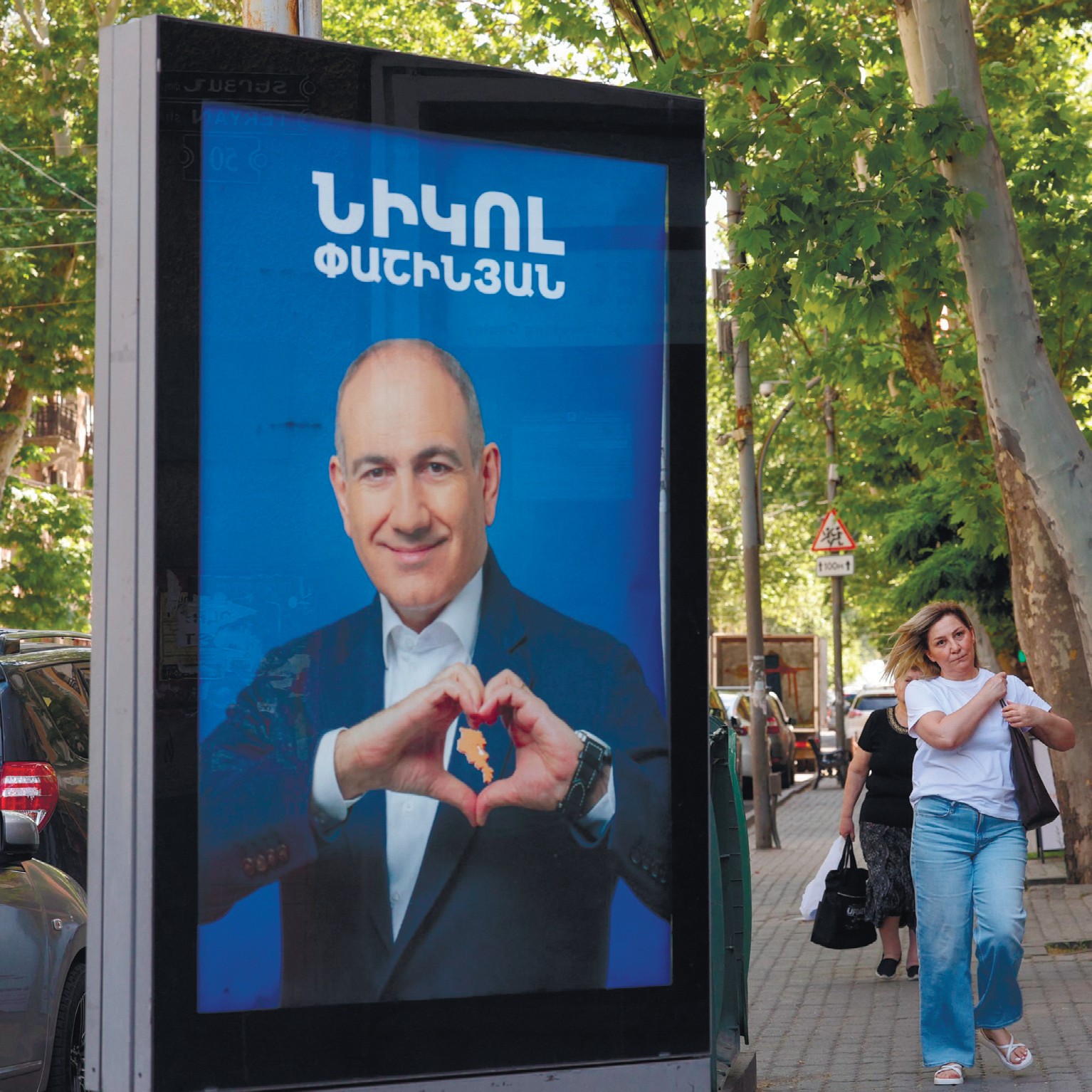
Nikol Pashinyan continues to demonstrate a miraculous capacity for political survival. The parliamentary elections held in Armenia on June 7 concluded with a victory for his Civil Contract party.
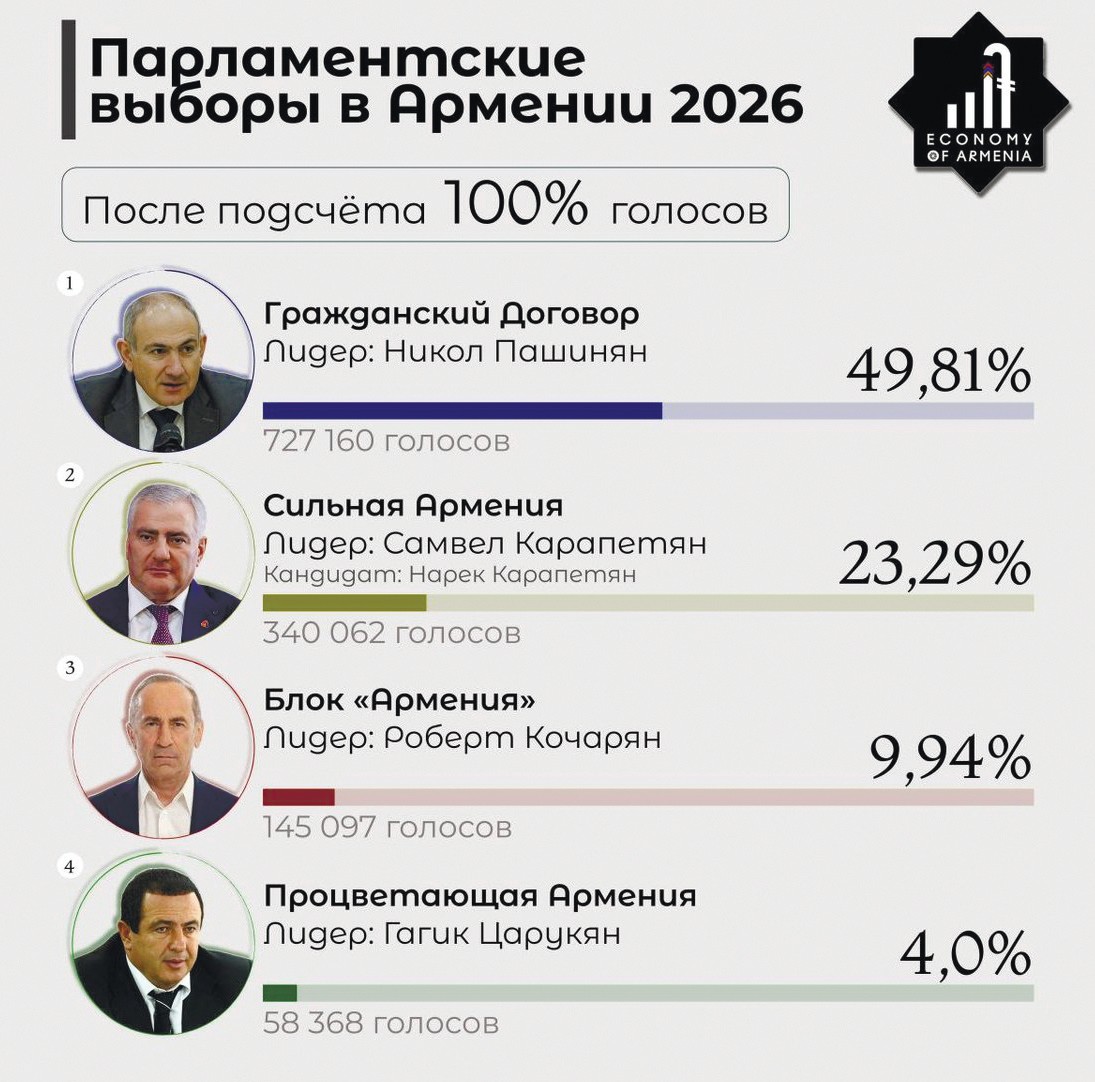
According to preliminary data from the Central Electoral Commission of Armenia, with 100% of the ballots counted, Civil Contract secured 49.81% of the vote, with a total of 727,160 voters casting their ballots for Pashinyan's party. The Strong Armenia bloc of Samvel Karapetyan finished the second—23.29% (340,062). In third place was Robert Kocharyan's Armenia bloc with 9.94% of the vote (145,097). Gagik Tsarukyan's Prosperous Armenia party took fourth place—4% (58,368)—and risks failing to enter parliament entirely.
Without waiting for official data, Pashinyan began accepting congratulations and issued a victory statement: "By casting their ballots, the people of Armenia have stood up in defence of the state, its independence, future, peace, and the Republic of Armenia," news agencies quoted him as saying.
"The three-headed war party has suffered a resounding defeat. This is a significant milestone, though not yet the final outcome. The people have also clearly articulated their will. The criminal-oligarchic system tied to this political force must be completely uprooted from Armenia."
Double standards with an Armenian accent
Whether this victory was entirely "clean" remains an open question, as do the precise electoral trump cards that aided Pashinyan.
Throughout his campaign, footage circulated widely on social media showing the incumbent prime minister munching on carrots, eating pastries, or staging a concert with the "Varchaband" music band (derived from Armenian varchapet for ruler), where he performed as a drummer.
This may have gone some way towards maintaining his "man of the people" image, even though Pashinyan had traded his signature T-shirt, backpack, and trainers for a suit and hat. But can an election be won by relying solely on such gimmicks?
There is a plausible argument that the European agenda played a role, even though European Union membership is nowhere in sight for Pashinyan in the foreseeable future. Conversely, strained relations with Russia, particularly in the economic sphere, could come back to haunt the country, and painfully so.
Long before the voting began, a veritable wave of political repression swept across Armenia. First, Vardan Ghukasyan—the mayor of Gyumri, Armenia's second-largest city—was arrested. His victory in the local elections was perceived as a sensation. Initially, it was Ghukasyan who was considered the opposition's candidate for the post of prime minister.
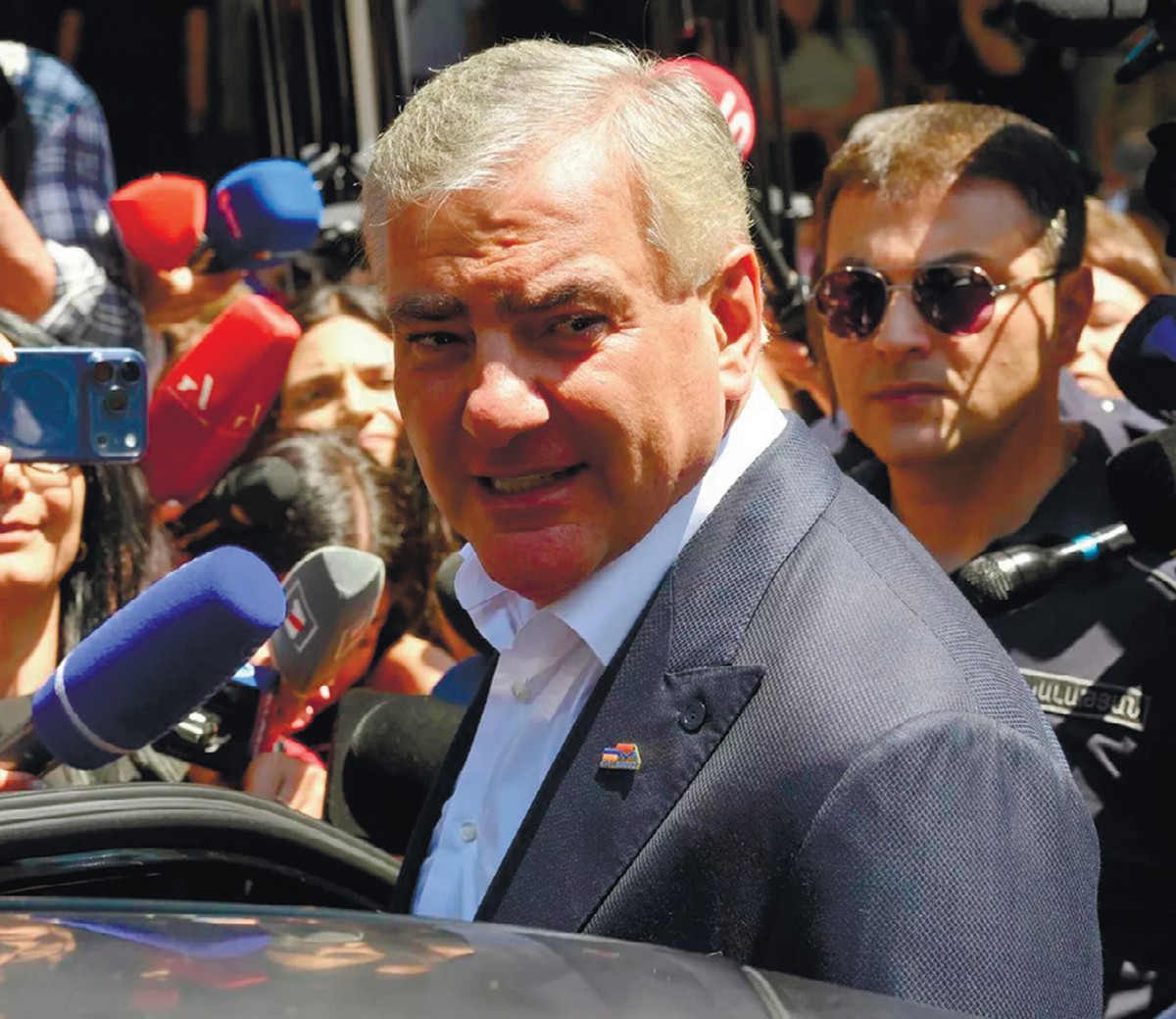
Just before the elections, Samvel Karapetyan, a Russian oligarch of Armenian descent and leader of the Strong Armenia electoral bloc, was detained. His arrest was later commuted to house arrest, but this did not alter the substance of the matter. Experts viewed Karapetyan as a candidate for the role of an "Armenian Ivanishvili". He was perceived as a potent and dangerous rival to Pashinyan, and so he was neutralised.
Right up until polling day, reports regularly emerged from Armenia regarding searches of opposition party offices, detentions of activists, and the like.
Vote-buying also occurred on a large scale; as locals ironically noted, proponents of the European path paid in euros, while the pro-Russian opposition paid in roubles. The so-called "Armenian carousel"—where a single voter casts ballots at multiple polling stations—was no exception either.
The repression continued even after the elections. For instance, Gagik Tsarukyan—whose Prosperous Armenia party fell just short of the threshold required to enter parliament—was barred from leaving the country.
Meanwhile, European observers chose to remain silent. Had such large-scale violations occurred in Azerbaijan, there would already have been emotional resolutions from the European Parliament, harsh statements from foreign ministries, and more. Yet here, there is only silence. This is hardly surprising, however, given that the European Parliament's observation mission is led by the notorious Armenian lobbyist Nathalie Loiseau.
When it suits Europe, it simply turns a blind eye to electoral violations. One only needs to recall how European observers highly praised the presidential elections in Armenia in February 2008, only to be left tongue-tied when protests erupted in Yerevan and army special forces summoned from Garabagh opened fire on demonstrators. Armenia's status as a "democratic country" has been granted in advance, and those in the corridors of European power do not lose much sleep over what actually happens during elections and on the streets.
Elections are over, but questions remain
Nikol Pashinyan has retained his post, offering significant hope for the continued implementation of the peace agenda between Baku and Yerevan. Ironically, it is said that Azerbaijan now dictates Armenia's domestic policy. Throughout the election campaign, Azerbaijani themes were dominant. A telling recording of the debates circulated widely on social media, in which Azerbaijan was mentioned more than 100 times! Given this backdrop, the failure of Armenian revanchists to gain the upper hand in Yerevan itself is undoubtedly a strategic success for Baku.
The lost war shattered the illusions of many in Armenia. There is also a growing realisation that the balance of power has shifted, leaving no prospect of military revenge in the foreseeable future. Granted, the prevalence of such sentiments in Armenia remains dangerously high, but the situation is changing quite noticeably.
This is particularly true given that throughout his election campaign, Nikol Pashinyan consistently emphasised the need to renounce territorial claims against neighbours and focus on the "real Armenia". Yerevan has already reaped the benefits of this peace agenda, with transport links restored through the territories of Azerbaijan and Georgia.
However, the next stage is approaching, and rhetoric alone is no longer enough—concrete steps are required. First and foremost, Armenia must cease the activities of organisations and institutions linked in one way or another to the occupying regime. This includes, for example, the Garabagh "parliament", whose "leadership" regularly appears in the news, lays wreaths at Yerablur cemetery, and acts as though it will return to Khankendi any day now.
Support for various "representations" of former Nagorno-Karabakh in third countries—such as Russia, the US, and France—must also be discontinued. Their ongoing operations with the backing of official Yerevan are fundamentally incompatible with a peace agenda and the recognition of Azerbaijan's territorial integrity. Finally, amendments must be made to the Armenian constitution as a matter of urgency, as it still contains territorial claims to Garabagh.
Admittedly, there are complications here. As revanchist leaders gleefully point out, Pashinyan and his supporters failed to secure a constitutional majority in parliament. Consequently, amending the constitution cannot be achieved by the will of a single party alone.
Furthermore, the publication of the new draft constitution has once again been postponed in Armenia. As the Armenian Minister of Justice, Srbuhi Galyan, stated, the text is not yet ready, and her ministry is awaiting feedback from colleagues. She noted that one or two more sessions would follow, and if all goes well, the revised constitution could then be published.
This is not the first time Yerevan has sought a delay regarding constitutional amendments. There are strong indications that Pashinyan's team is deliberately stalling the process of amending the Armenian constitution. In a sense, this reflects Yerevan's traditional tactic: offering optimistic promises and saying exactly what interlocutors wish to hear, while avoiding any decisive action.
Amending the constitution is not a matter of Pashinyan's personal agreements; Azerbaijan reached an understanding not merely with the Prime Minister, but with Armenia as a state. This means that assumed obligations must be fulfilled, even if they lack popular support.
For its part, Azerbaijan fulfils its commitments clearly and meticulously, whether they take the form of gentlemen's agreements, verbal promises, or signed documents. Baku does not engage in double-dealing, nor will it allow its counterparts to do so—regardless of whether they cite procedural issues, the balance of power in parliament, or any other pretext.
The peace process cannot be a one-way street, and Yerevan must understand this unequivocally.
RECOMMEND:
 131
131