

ABDICATION, BRITISH-STYLE
On Keir Starmer's resignation and Britain's expectations under Andy Burnham
Author: Irina KHALTURINA
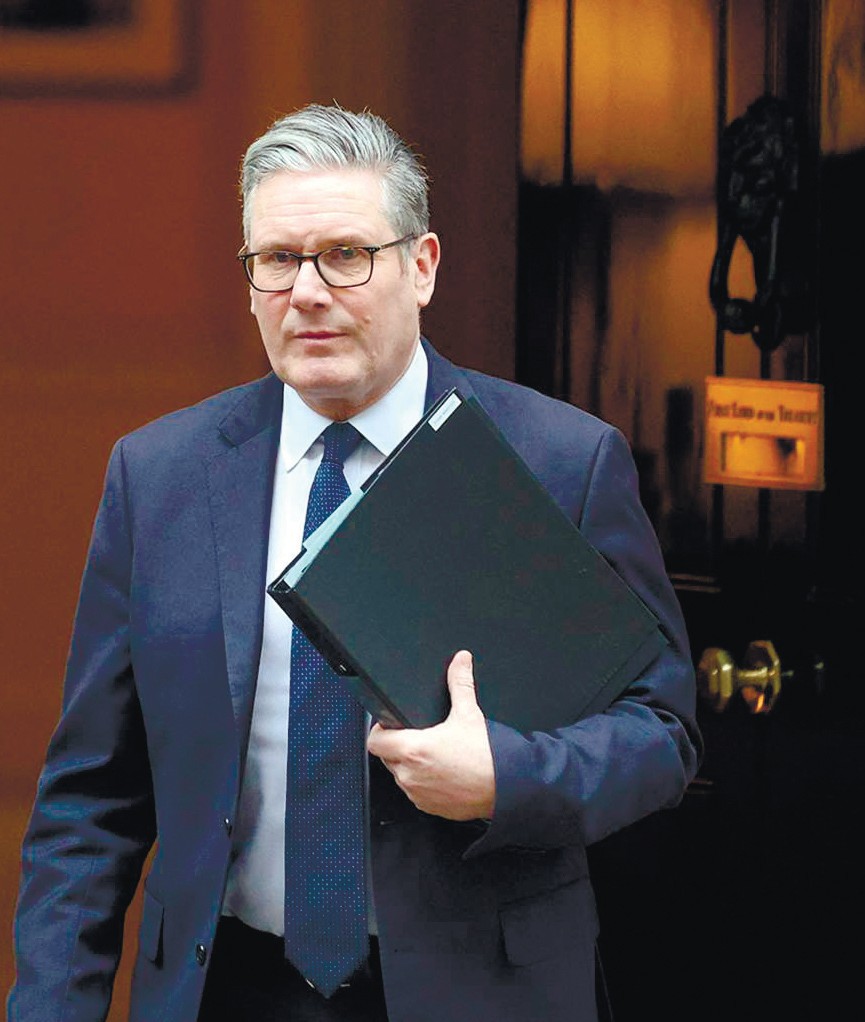
On June 21, the Prime Minister of the United Kingdom announced he would step down early. He informed King Charles of his decision and said he would remain in office until a new leader of the Labour Party is elected. Thus, Keir Starmer continued the run of British prime ministers in recent years who have left the post before completing a full political cycle.
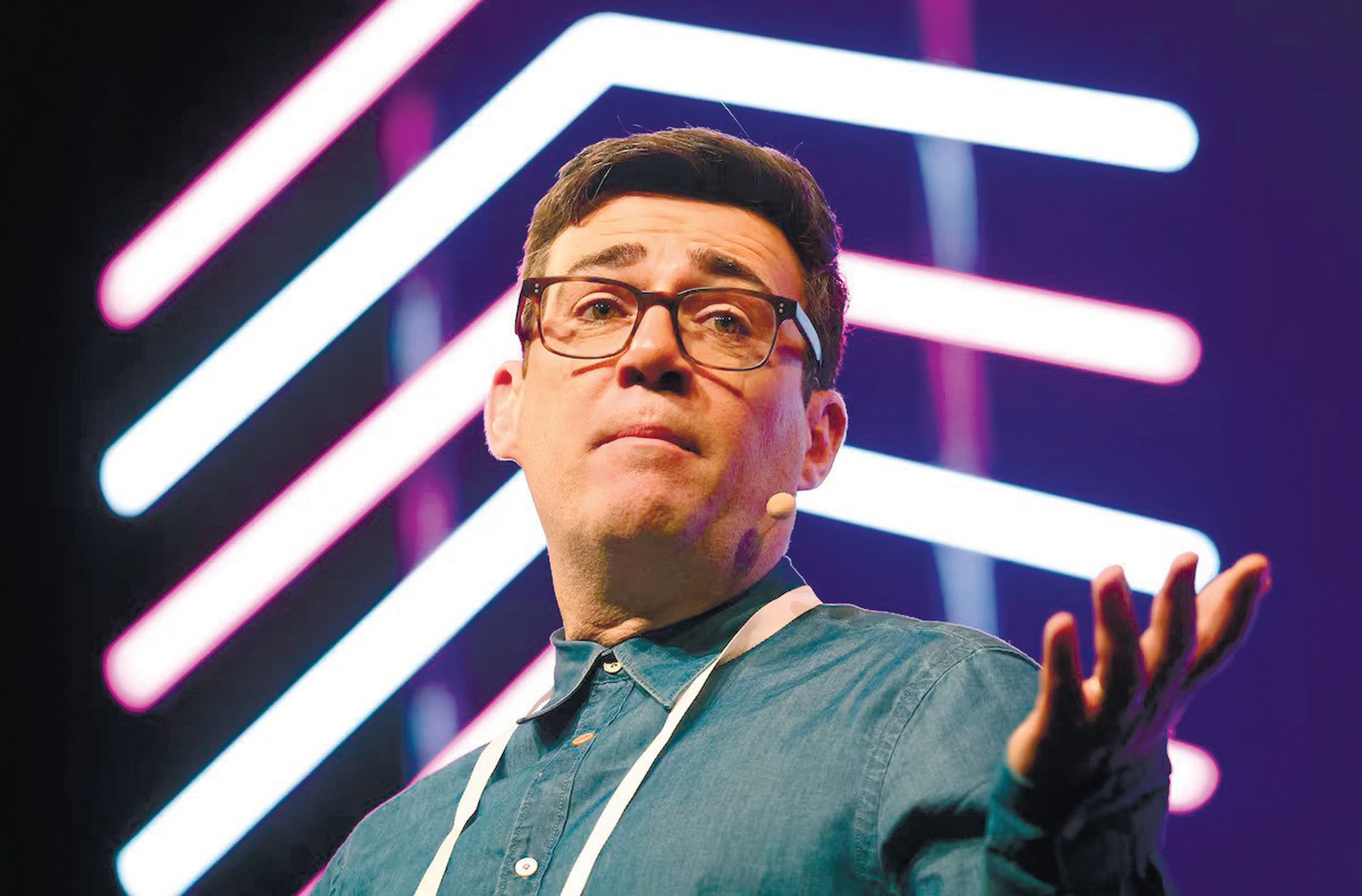
The most likely contender for his place is Andy Burnham—until recently the Mayor of Greater Manchester.
Is Starmer to blame?
The UK government, led by Starmer, assumed power following the general election of July 2024, in which the Labour Party emerged victorious over the Conservatives, who had been in power up to that point. However, just two years later, Starmer is leaving office against the backdrop of the local elections of May 7, which proved disastrous for Labour, which, much like the Tories, lost a significant share of the vote to Reform UK. It is worth noting that a proportion of the electorate who participated in the protest also opted to vote for the Green Party.
These results have led to a review within the party of the leadership's ability to retain voter support at the next national election. This followed a general decline in the government's approval ratings, and a growing number of MPs had begun to voice their concerns about the cabinet's policy direction more openly. Consequently, by mid-2026, polls indicated that Starmer had become one of the most unpopular British prime ministers in history.
It is important to establish what went wrong, given that even his own party has expressed a desire to see his departure. What errors were committed by the recently dismissed head of the British government? The crux of the matter is that economic growth formed the cornerstone of Starmer's political strategy and was a pivotal metric by which voters assessed his government. His programme also included developing renewable energy, tackling illegal migration, building 1.5 million new homes, and overhauling the National Health Service, among other things. Consequently, in the absence of significant economic achievements, there was a perceived lack of tangible improvement in voters' personal finances, leading to the view that the promise had not been fulfilled.
One could add to this his varied experience in a number of social policy areas. For instance, the winter fuel payments for pensioners, the tightened eligibility criteria for disability benefits, the introduction of a tractor tax, and so on. It should be noted, however, that the picture was not entirely negative. Following a period of high inflation, the pace of price growth slowed, financial conditions eased somewhat, and the public debt-to-GDP ratio stabilised and partly declined. From a political standpoint, this did not result in a notable increase in trust. Voices expressing concerns about the prime minister's team's indecisiveness and inconsistency have become increasingly audible.
According to several experts, the reason for this state of affairs is not so much that Starmer proved a "bad manager" as the systemic nature of the problems he had to deal with. First and foremost, this means political fragmentation and a lack of consensus, which limit the potential for long-term planning and, as a result, reduce the scope for economic experimentation and reform.
Each new British leader will face the same challenges that became evident after Brexit: low economic growth and low productivity growth, an ageing population and the resulting demographic pressure on the budget, strain on the healthcare system and public services, and a deficit of investment in infrastructure and housing. Among the challenges are also the regional imbalance between London and the rest of the country, rising energy costs, growing debt-servicing expenses, and, finally, geopolitical factors.
Consequently, Starmer's government assumed power during a period of heightened international turbulence. The ongoing US trade wars with multiple countries, the ongoing conflict in the Middle East that has paralysed the Strait of Hormuz, and other global events, have inevitably led to higher energy prices and rising inflation. Starmer also found himself in a delicate position, where both alliance obligations to Washington and caution in foreign policy were equally important. Ultimately, Trump referred to his British counterpart as "no Churchill". Observers took this caustic remark as a hint at Starmer’s lack of resolve, which also dealt a serious blow to his image.
On top of that, the prime minister managed to get caught up in several scandals, the most sensational of which was the appointment of Lord Peter Mandelson as UK ambassador to the US—given Mandelson’s exposure for ties to the notorious Jeffrey Epstein.
King of the North
By all appearances, the British government may now be headed by Andy Burnham—the former Mayor of Greater Manchester, who has just won a convincing victory in the parliamentary by-election for the Makerfield constituency in North West England. His return to the House of Commons thus removed the main formal obstacle to running for the leadership under the Labour Party’s rules. The Executive Committee is to organise the election process on July 9–16. According to the party’s rulebook, a politician wishing to become leader must, first, be a member of the House of Commons; second, secure the nominations of 20% of the parliamentary party; third, gain the backing of at least three organisations affiliated to the party, two of which must be trade unions.
It is worth recalling that the Labour Party was founded 126 years ago by trade unions and socialist organisations, and the unions continue to play a key role in its life. They pay affiliation fees into the party’s coffers and have institutionalised representation in its governing bodies. The 56-year-old veteran of Labour politics currently faces no serious rivals and has already confirmed that he wants to lead the UK government.
Burnham is a politician who, according to YouGov polling, is now the most popular in Britain. He has extensive experience—he served as an MP for 16 years and held various posts in the governments of Tony Blair and Gordon Brown. In 2017, he won the first election for Mayor of Greater Manchester, whereupon he stood down as an MP, and was subsequently re-elected twice more, each time with solid voter support. During the coronavirus pandemic, the British media even dubbed him the “King of the North”, because Burnham became one of the country’s most prominent regional politicians and openly clashed with the Conservative central government over lockdowns, regional funding, and measures to combat the pandemic’s consequences. In other words, during that period he effectively turned into one of the main public voices of Northern England.
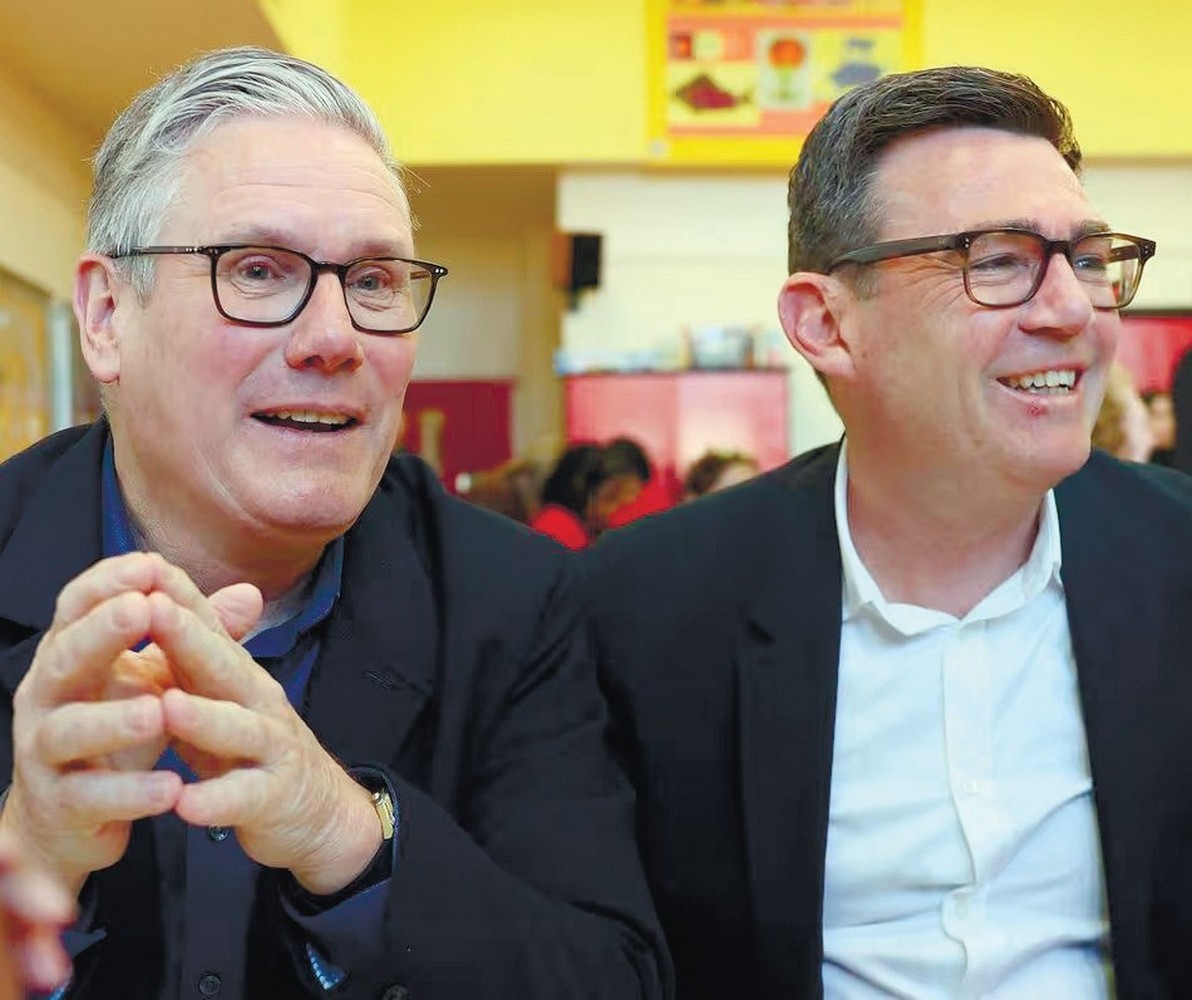
Now he is placing a clear emphasis on social policy and also on regional inequality, and in his rhetoric Burnham criticises even members of his own party. Incidentally, the politician thanked Starmer for his leadership and noted that “the country expects stability, seriousness and constant attention to the most important issues”. Yet, given all of the above regarding Starmer’s failures, it is hard to say how successful a future Labour cabinet under Burnham would be.
Furthermore, it is crucial to consider the emergence of new political parties as a significant development in the British political landscape. This shift presents a competitive environment for both Labour and the Conservatives, who have historically dominated the political landscape for nearly the entirety of the 20th century. First and foremost, this means Nigel Farage's right-wing populist Reform UK, which, according to pollsters, remains the most popular political force in the country. The latest polling data shows that 25% of voters are now ready to vote for them, while Labour and the Conservatives each command 18%, with the Greens in fourth place at 15%. The next general election in the United Kingdom must be held no later than August 2029, and many in the Labour Party are hopeful that Burnham will manage to overcome the challenge posed by Farage by that time. However, the situation is not as straightforward as it may seem. It is evident that Britain has transitioned into an era of multi-party politics with a first-past-the-post electoral system, which is inherently susceptible to chronic political instability and the potential for further early resignations.
In terms of foreign policy, Burnham is regarded as a pro-European politician, and it is anticipated that he will align closely with Starmer's approach on this matter. The future of relations with the US is uncertain, given the personal rapport between leaders as a key factor in this equation. It remains to be seen whether Burnham will prioritise domestic policy or geopolitical matters. For instance, he has committed to minimising his travel and prioritising internal issues. However, it should be noted that external factors may necessitate adjustments to these plans.
In any event, the new prime minister will face significant challenges, both domestically and in terms of foreign policy. The primary objective is to maintain the position and deliver positive results before 2029.
RECOMMEND:
 79
79