

THE COSTLY WAR
Attacks on energy and logistics infrastructure as key factors of economic exhaustion
Author: Ilgar VELIZADE
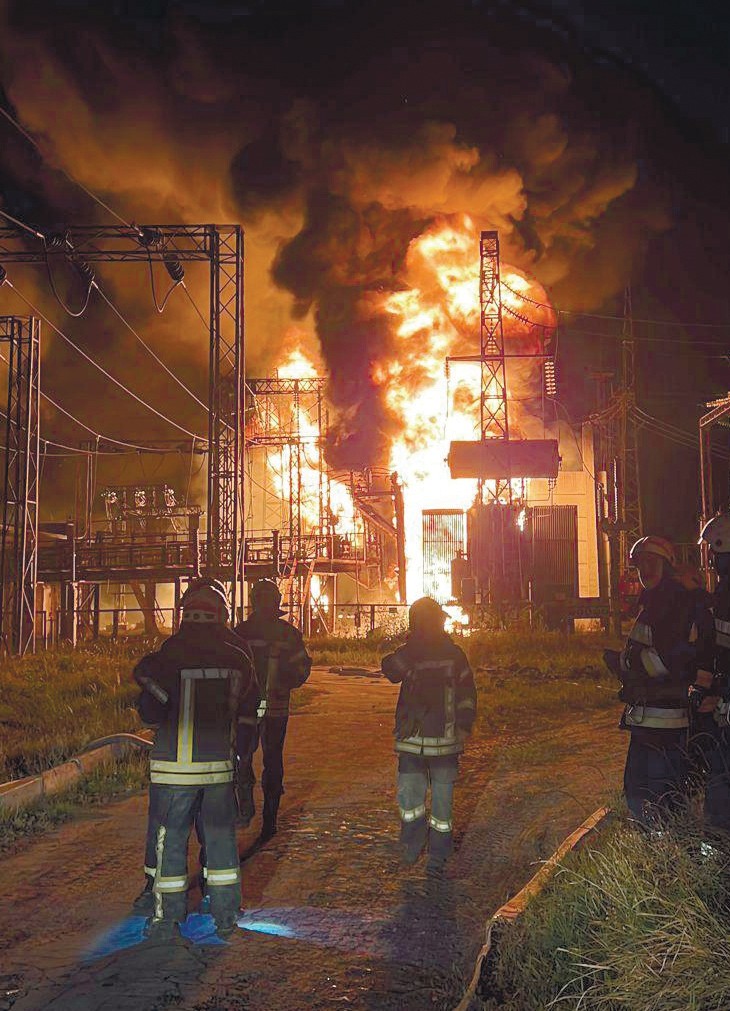
The course of the Russian-Ukrainian war has now changed significantly. This is more closely related to the increased frequency and precision of Ukrainian strikes against Russian energy and transport infrastructure, rather than the ongoing combat on the front line, where fighting is predominantly of a positional nature. Ukraine has effectively opened a second front against Russia, but not a territorial one, rather an economic one.
Refineries as primary targets
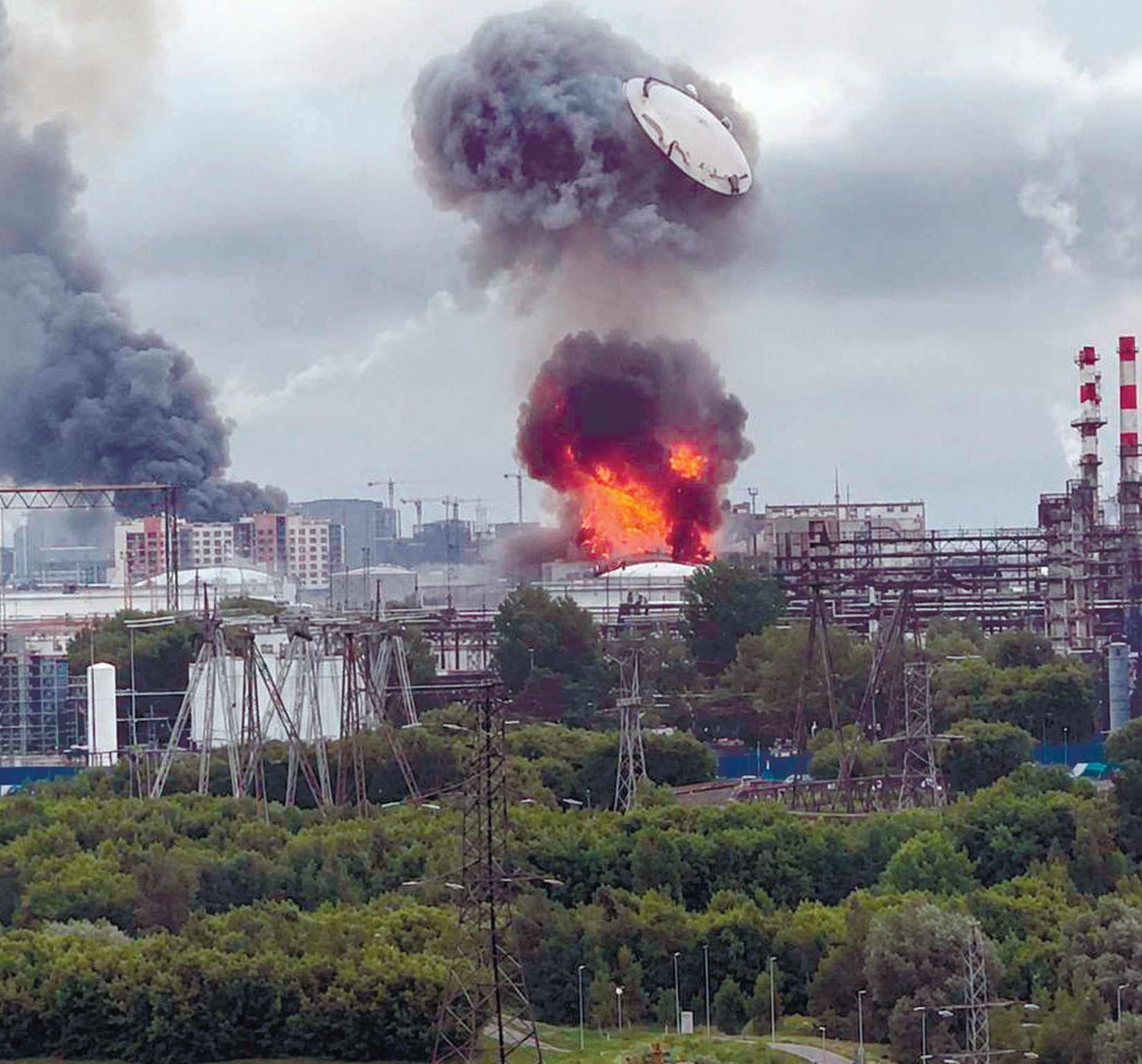
The oil refining sector has become the primary target of these pressures. It is imperative to acknowledge the significance of this matter, given Russia's ongoing status as one of the leading producers and exporters of oil on a global scale. The stable operation of refineries is crucial for generating export revenues and supplying the domestic market with petroleum products.
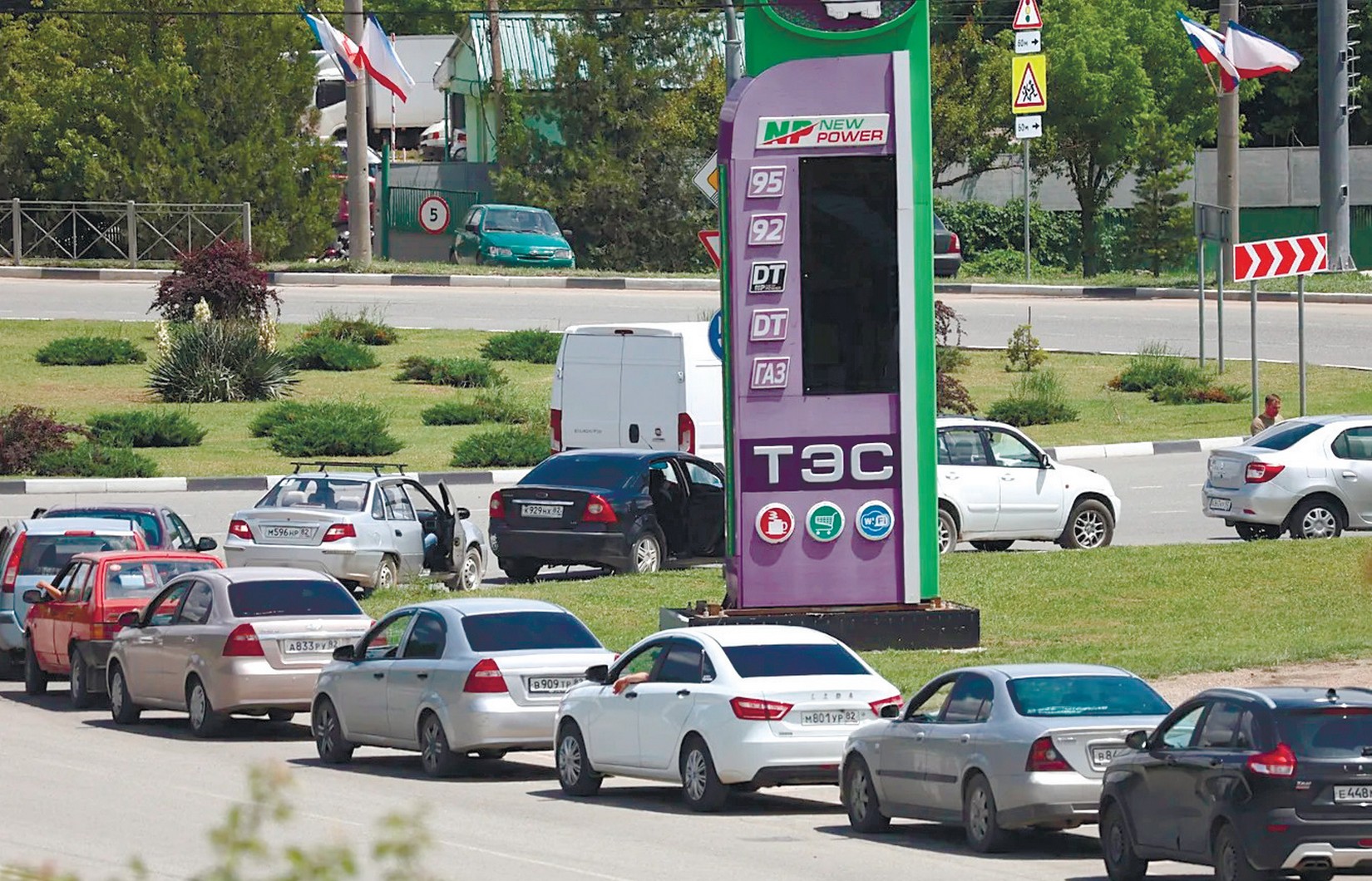
Regular attacks on refineries are gradually undermining the resilience of Russia's fuel system. The consequences of this are being felt not only in the economic sphere but also beginning to affect people's daily lives. In some regions, there are reports of fuel supply disruptions and rising prices for petrol and diesel. Queues are also being observed at petrol stations, which is placing an additional strain on transport infrastructure.
Furthermore, refineries rely on complex processing units, the repair of which takes months, requires imported equipment and cannot be quickly compensated for by simply reallocating resources.
According to reports, strikes by Ukrainian drones have led to a 25 per cent decrease in Russian petrol production in June compared to the same period last year. A further indication of the crisis is that Russia, a traditionally significant exporter of petroleum products, has initiated discussions regarding the potential importation of fuel. Moscow has requested approximately 50,000 tonnes of AI-92 petrol from Kazakhstan. While the volume is not of critical importance to the Russian market, the decision to seek external supplies is a politically and economically significant indication that an exporting country is having to stabilise its domestic market.
In parallel, the Russian authorities have already prohibited the export of petrol and aviation fuel, are contemplating a ban on diesel exports, are authorising the use of lower-quality fuel, are postponing refinery modernisation, and are introducing tax relief for the sector. It is evident that Ukraine's strategic offensive has initiated a shift in both the production environment and the economic policy framework of the Russian state.
The most telling effect is that Russia is being forced to divert some of its crude oil production for export rather than refining it domestically. According to industry sources, in June the volume of crude oil shipments via Russia’s western ports could reach 2.7–2.8 million barrels per day – a record level. This is because some of the crude that would normally have been sent to refineries is now being channelled to the external market due to damage to refining capacity.
As a result, Ukraine is dealing a blow not so much to Russian oil production as to the most profitable segment of the oil industry – refining. Russia retains the ability to produce and export oil, but it is finding it increasingly difficult to produce the petroleum products needed to supply the domestic market and the armed forces, as well as higher value-added products that generate greater export revenue.
This is precisely why the petrol crisis must be viewed as a symptom of a looming systemic crisis. Queues at petrol stations, sales restrictions, rising prices and talk of fuel imports are outward manifestations of the declining resilience of Russia’s oil refining sector. The problem is not that Russia is running completely out of petrol – rather, it is becoming increasingly costly for the state to maintain the normal functioning of the market.
Gains do not justify the means
Ukraine's strategy here is quite rational. It is not Kiev's intention to bring the Russian oil industry to a complete standstill. This is an extremely challenging task. The objective is to systematically increase the cost of the war for Moscow. Drones that are either cheap or relatively inexpensive are capable of striking targets that require multi-million-dollar investments to restore, as well as significant time, technical equipment and the diversion of air defence resources. Each successful strike has a number of simultaneous effects. Specifically, it reduces refining capacity, complicates logistics, triggers domestic shortages, forces the state to impose restrictions and increases the strain on the budget.
In essence, Ukraine is beginning to adopt a similar strategy of asymmetric attrition, similar to that previously employed by Iran. The fundamental principle of this model is to minimise the enemy's ability to sustain conflict through the strategic imposition of costs. However, Ukraine is applying this logic not as a tool for regional deterrence, but as part of a war against a state possessing significantly greater resources. Consequently, strikes on oil refineries evolve into a strategic counterbalance, a means of counteracting the imbalance of power.
Russia's capacity to counter this tactic remains intact, although these measures are predominantly of a compensatory nature. The city of Moscow has the authority to implement a series of measures to ensure the security of its energy supply. These measures include the prohibition of exports, the strategic reallocation of fuel resources among different regions, the augmentation of imports, the utilisation of supplies from neighbouring countries such as Belarus and Kazakhstan, the provision of subsidies to refineries, and the administrative establishment of price caps. However, these measures do not address the primary issue of the slow recovery of damaged capacity. Furthermore, it is evident that Russia's frequent use of administrative measures has led to significant disruptions in market functioning.
Ukraine is gradually shifting the war into the realm of economic attrition, where the cumulative effect of a series of precision strikes is more significant than a single major strike.
If the intensity of Ukrainian strikes continues, the consequences for Russia will mount. In the initial phase, this manifests as supply disruptions, queues, rising prices and fuel imports. In the next stage, stricter export restrictions are possible, along with increased pressure on the budget, worsening supplies to certain regions, and growing competition between the civilian market, industry, agriculture and military needs. For Russia, this is not an overnight catastrophe, but a slow erosion of the system’s resilience.
The key change is that Russia’s energy infrastructure is ceasing to be merely a source of funding for the war and is itself becoming a vulnerable target of the war. It is precisely this that is altering the nature of the conflict. Ukraine is no longer merely holding back the Russian offensive on the front line, but is also attempting to destroy the economic base that enables Moscow to sustain the war in the long term.
The front line is no longer the same
Noticeable changes are also beginning to take place directly on the front line, at least on the southern front. Ukraine is steadily stepping up strikes against the transport infrastructure supplying Crimea and the Russian forces in southern Ukraine. The Crimean Bridge, railway lines, motorways, warehouses, airfields and other military logistics facilities are under constant pressure. At the same time, operations by Ukrainian unmanned maritime platforms and strikes against Black Sea Fleet facilities have significantly limited Russia’s ability to use maritime supply routes. As a result, Ukraine is gradually turning Crimea into a kind of ‘logistical island’, making the supply of the peninsula and the Russian troops stationed there increasingly complex, costly and risky.
Consequently, Russia is forced to devote more time and resources to the transport of ammunition, fuel, equipment and reserves, to strengthen the protection of its lines of communication, and to divert additional air defence forces, engineering units and aviation to defend facilities deep in the rear. Even if supplies are not completely cut off, they become less effective, which gradually reduces the Russian army’s ability to maintain a high tempo of combat operations.
For many years, Moscow has regarded Crimea as the chief symbol of the shift in the balance of power in its relations with Ukraine and as confirmation of Russia's ability to alter the established regional status quo. Consequently, the regular strikes on the peninsula's infrastructure indicate that even this territory is no longer entirely secure. Ukraine's aim is to ensure that Crimea ceases to be a strategic asset for Russia and becomes an increasingly unsustainable burden for it, both in terms of its military and its economy. This is precisely one of the key features of the current phase of the war. Russia has not yet succeeded in devising an effective method of neutralising Ukraine's actions.
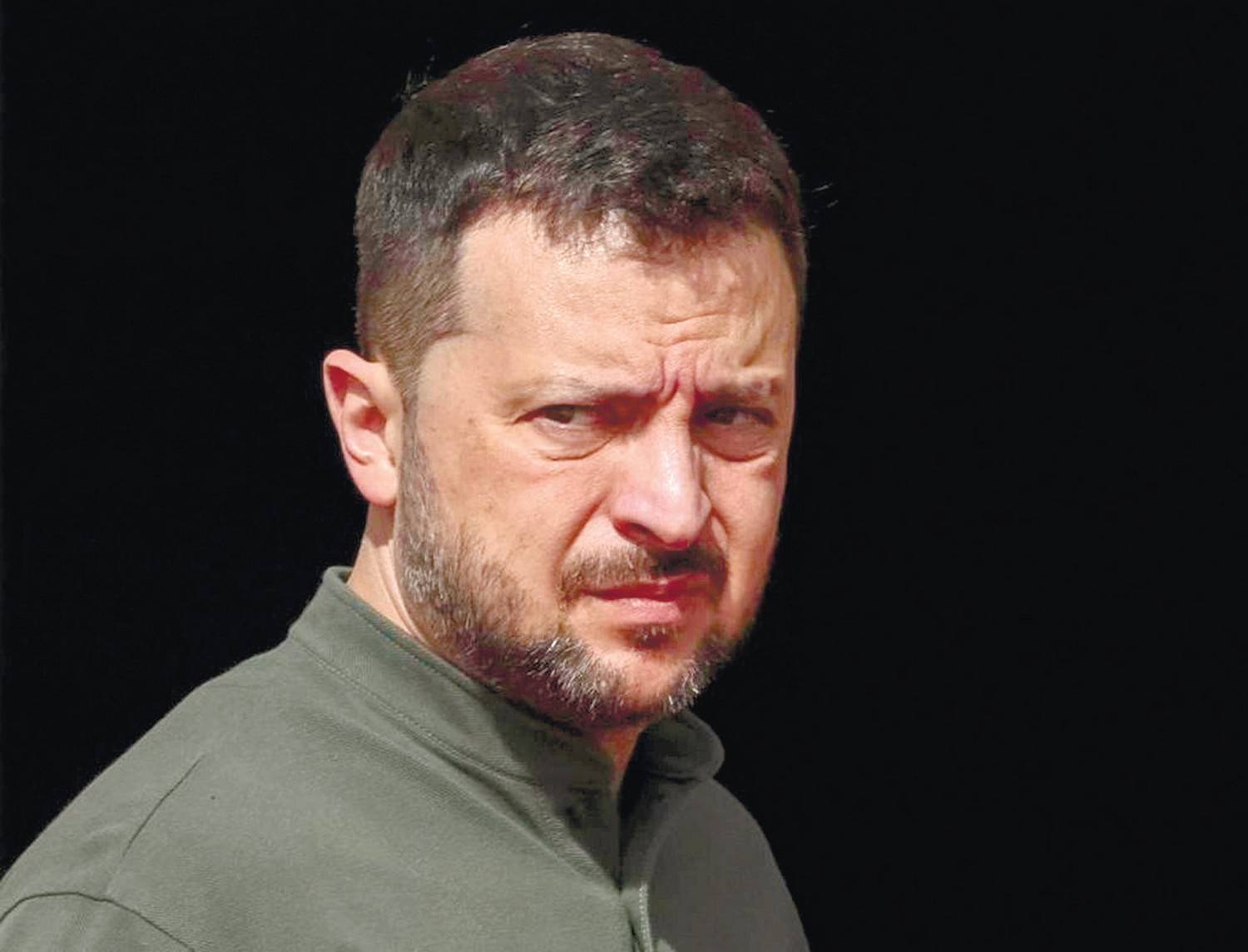
However, the Ukrainian side is proactively leveraging its strengths. Vladimir Zelensky has confirmed that repeaters on Belarusian territory have ceased operations; according to the Ukrainian side, these were being used to guide Russian drone attacks. Previously, Zelensky had publicly urged Lukashenko to switch off the repeaters, cautioning of potential repercussions should he decline. At this time, there is no independent confirmation that the operation was halted specifically by decision of the Belarusian authorities. However, should this information be confirmed, it would be entirely consistent with Minsk's overall line of conduct throughout the war. Despite its close military and political alliance with Moscow, the Belarusian leadership has consistently sought to avoid the country's direct involvement in the armed conflict. It maintains its support for Russia whilst at the same time refraining from taking steps that could turn Belarus into a full-fledged party to the war and significantly increase the risk of Ukrainian strikes on its territory.
Consequently, at this stage of the war, Moscow is increasingly left to face problems on its own that can no longer be resolved by military means alone. This is gradually bringing the conflict to a stage where it is not the use of force that is becoming increasingly important, but the parties’ ability to reach agreement at the negotiating table.
RECOMMEND:
 88
88

