

WHO'S THE BENEFACTOR?
The US-Iran memorandum failed, made the Middle East conflict even more complex
Author: Samir VELIYEV
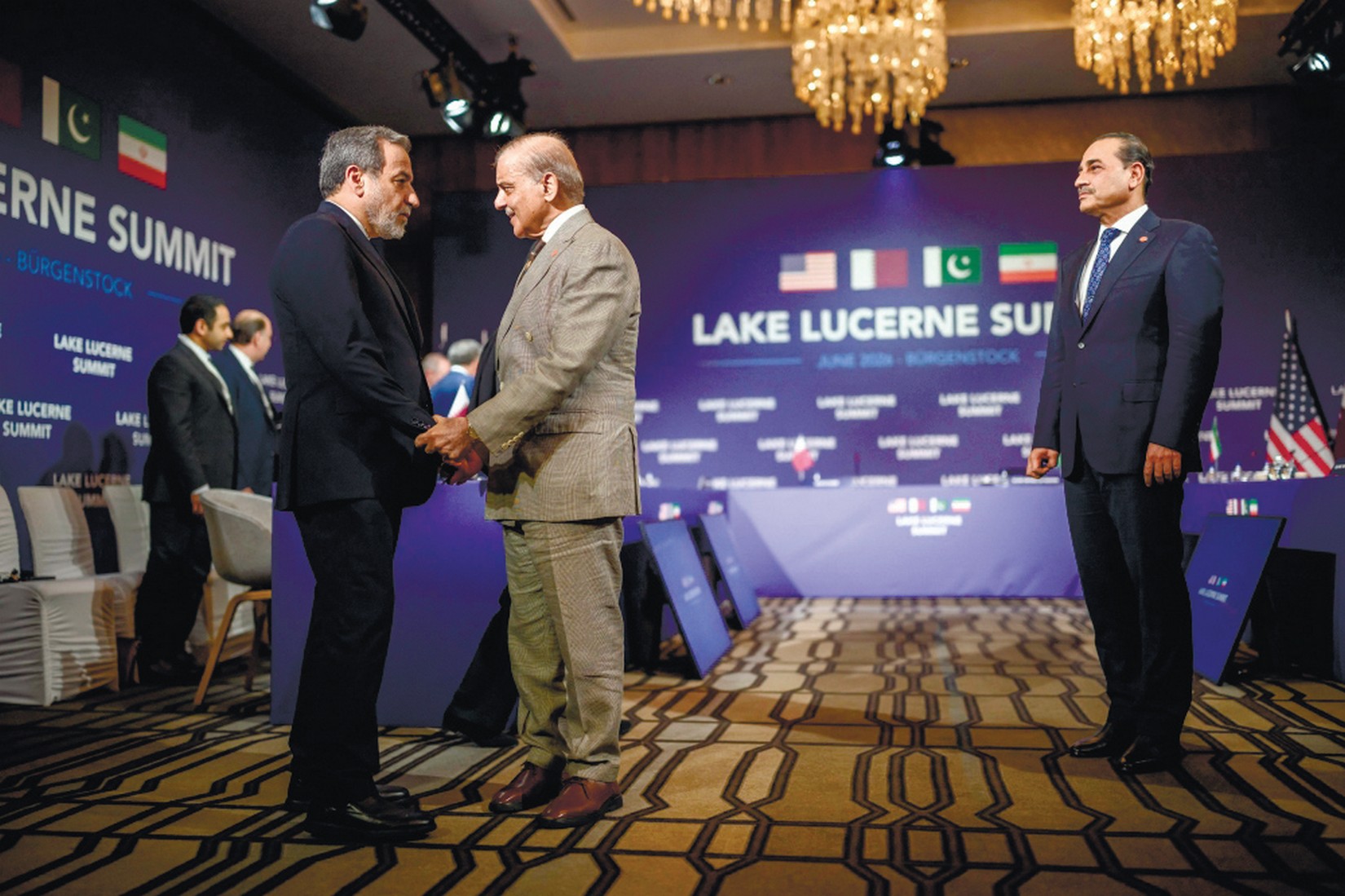
The Islamabad Memorandum of Understanding was signed on 17 June, and this should have resolved many of the long-standing issues. But the exact opposite has happened. The more statements the parties made, the more contradictory and confusing the overall picture of events became. It is clear that the US and Iranian leadership have been making contradictory statements about the start of the next round of talks between the two countries in Doha, which has caused confusion. The US insisted that these talks would take place on 30 July, but Iran was adamant that there would be no new round of talks. In Doha, only experts will gather, and even then, only to discuss technical issues. This is precisely what characterises the US-Iranian dialogue. The only thing that is clear is that nothing is clear.
Negotiation paradoxes
Speaking in Baku at the 20th session of the OIC Parliamentary Union at the end of June, the Speaker of the Iranian Parliament, Mohammad Bagher Ghalibaf, stated that the Islamabad Memorandum is irrefutable evidence of the United States' defeat. It is clear that such an assessment has a certain resonance within sections of the American political and expert community. Many influential Republican politicians, analysts and representatives of conservative circles are adamant: the document is Washington's capitulation, an unjustified concession to Tehran and a diplomatic victory for Iran.
It is crucial to remember that this is simply a memorandum of understanding at this point, not a fully-fledged international agreement. Many of its provisions remain framework-level, requiring further negotiation, and work on the final parameters of future arrangements is ongoing.
The current negotiation process is clearly paradoxical. The more belligerent President Trump's rhetoric becomes – including threats and personal attacks against the Iranian leadership – the less impact it has on the negotiation process itself. In Tehran, they have come to terms with this, although they respond to such statements with sharp comments, demonstrative gestures and diplomatic protests. At the same time, they are definitely returning to discussing the terms of future agreements. For them, the outcome of the negotiations is what matters, not the words used to accompany them.
It is clear that the Iranian side has included all the provisions that are of fundamental importance to it at this stage in the memorandum. This concerns not only the nuclear programme or de-escalation mechanisms with the US, but also regional issues, including the situation in Lebanon, which is not directly related to the US-Iran conflict. For obvious reasons, for Tehran, the security of ‘Hezbollah’ as a key regional proxy is no less important than the fate of its nuclear programme. It is precisely this network of such organisations that enables Iran to project its influence beyond its own borders and maintain its status as one of the leading regional powers.
It is hardly surprising that such a turn of events provokes sharp irritation and hostility from Israel—the US’s main ally in the region, which has effectively found itself excluded from agreements affecting its own security.
Between Israel and the Strait of Hormuz
This is the crux of the issue. Tehran's stance is clear: if we cannot agree on even a single point, we will not agree on any at all. Meanwhile, Israel has made it clear that it has no intention of complying with the provisions of the memorandum concerning Lebanon and the restriction of Hezbollah's military activities. Recent events show that Israel is continuing to exert military pressure on Iran's main ally, perhaps in an attempt to derail the negotiations.
Washington is not interested in such a scenario. For the current administration, the successful implementation of the agreements is of both practical and political significance. Trump's reputation as a politician capable of achieving results where his predecessors failed is well-founded. This explains the growing tension in relations between the White House and Benjamin Netanyahu's cabinet. If Israel's actions endanger the implementation of the memorandum, it will directly clash with the interests of the US administration.
The escalation of tensions between the US and Israel is clearly advantageous for Tehran. Washington and Tel Aviv are clearly diverging in their views on the implementation of the agreements with Iran. This is weakening Israel's position and giving Tehran more room for manoeuvre.
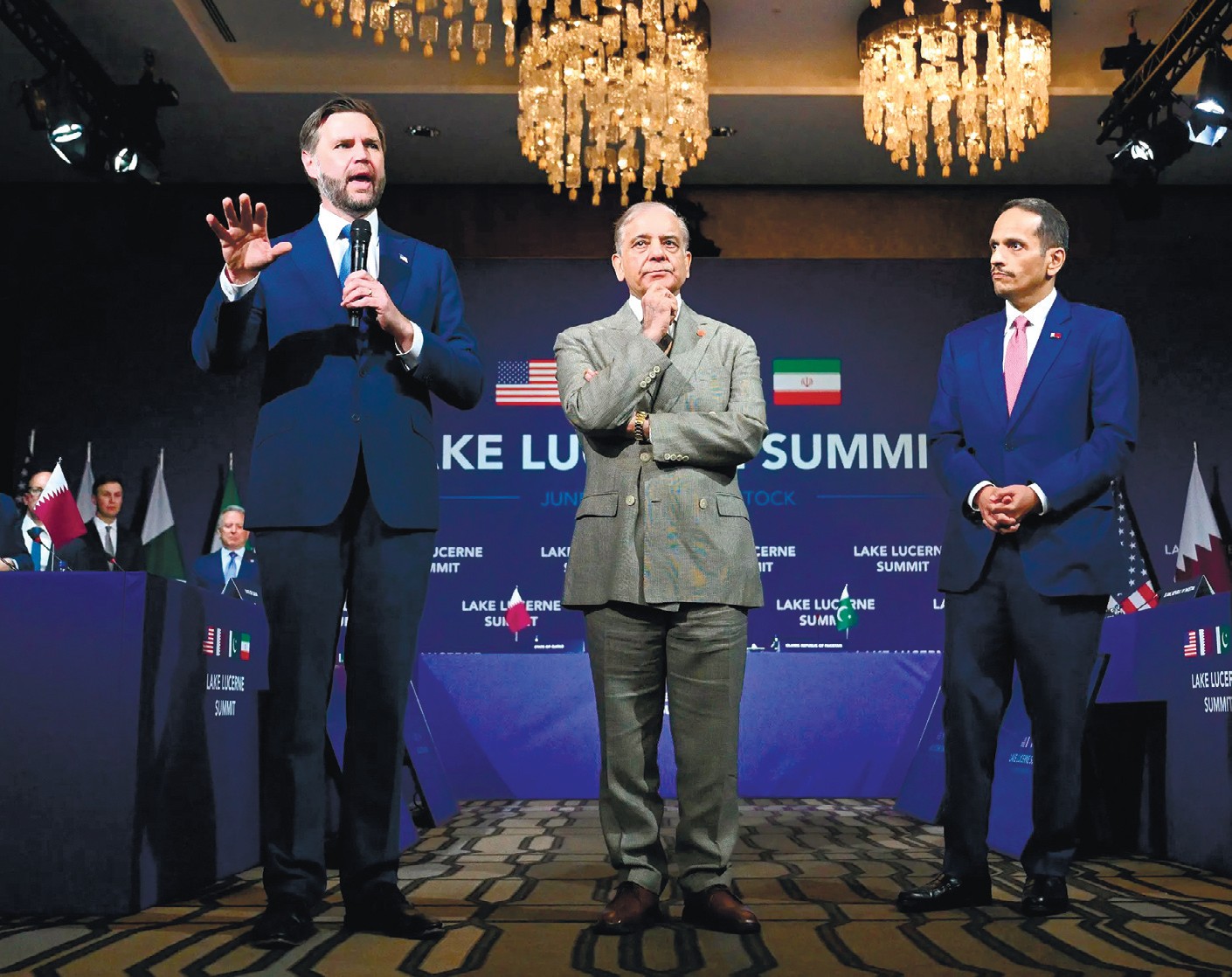
It is clear that divisions within the US administration itself have become increasingly apparent of late. As US Vice-President J.D. Vance acknowledged, elements of the American establishment and some of the White House's allies advocated expanding the objectives of the military operation against Iran. However, Donald Trump was clear in his approach, preferring not to expand beyond the initial objectives to maintain the potential for ongoing negotiations.
Tehran is keeping a close eye on these developments. It is clear that a rift within the US administration is not in Iran's interests. Tehran needs Washington to adopt a unified stance. This stance must be capable of ensuring that the agreements reached are implemented. The ongoing disputes within Trump's inner circle regarding the future strategy towards Iran are creating an additional element of uncertainty for the entire negotiation process.
Donald Trump is adamant: the US is negotiating with Iran 'from a position of strength'. He backs up his claims by pointing to the reopening of the Strait of Hormuz and asserts that the world would be in far greater danger if Iran were to acquire nuclear weapons.
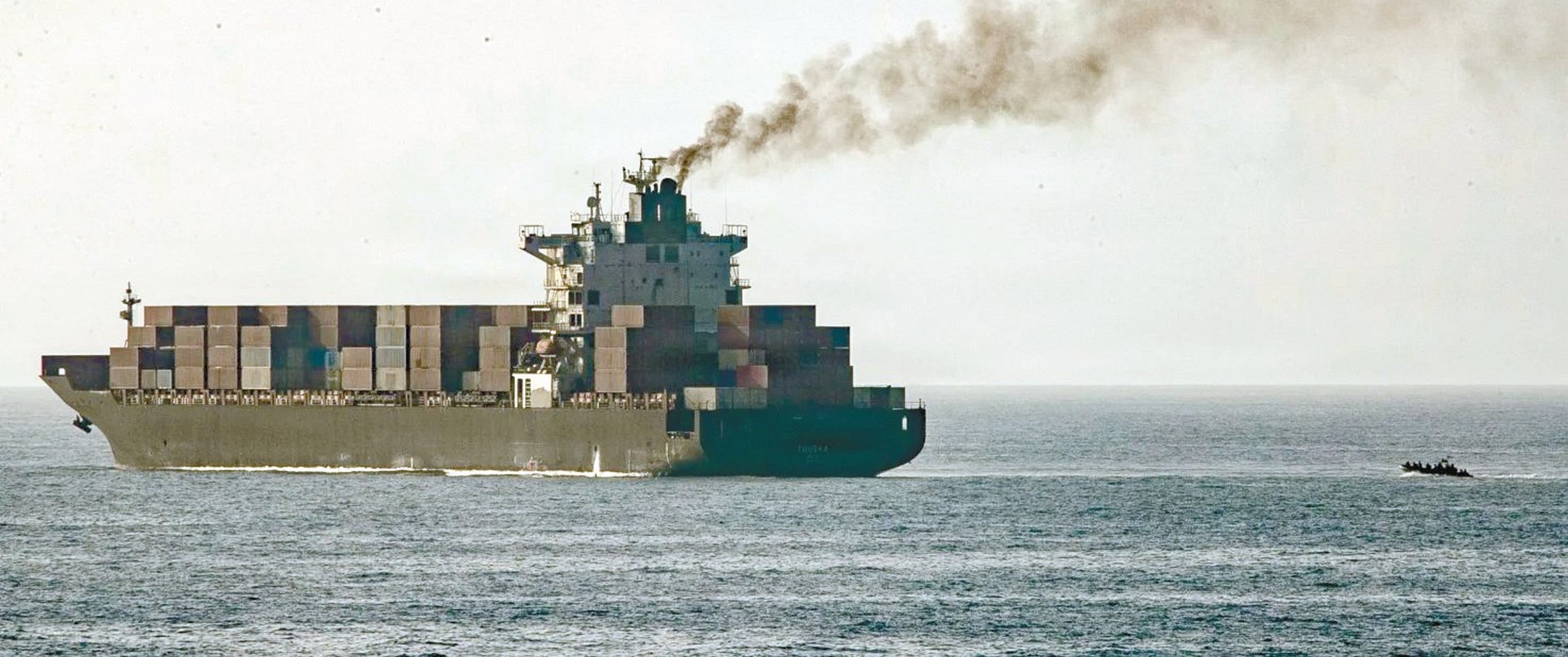
However, it is clear that a full restoration of shipping safety is not yet possible. Vessel traffic has resumed, but remains extremely cautious. Shipping companies and insurers are well aware that any new escalation could once again paralyse the strait within a matter of hours.
For Washington, this is of fundamental importance. A significant proportion of the world's oil and liquefied natural gas exports pass through the Strait of Hormuz. This means that even a brief blockade would have an immediate impact on energy prices, financial markets and the global economy. For Trump, maintaining freedom of navigation is a key indicator of the success of negotiations with Iran.
Tehran is well aware of the value of this lever of pressure. A few days after the memorandum was signed, the IRGC attacked the Singapore-flagged cargo ship Ever Lovely off the coast of Oman. Shortly before that, the Iranian navy had warned foreign vessels not to use routes through the Strait of Hormuz without Tehran's consent. The message is simple and clear: despite the ongoing negotiations, Iran has no intention of relinquishing its main instrument of pressure on the US.
The IRGC steps out of the shadows
This underscores the pivotal role of the IRGC in mediating discussions between the two nations. J.D. Vance, announcing the next round of talks in Doha, stated that representatives of CENTCOM and this Iranian body would hold a meeting via a dedicated communication channel to reduce the risk of further escalation. This demonstrates two key points. Firstly, the security of the Strait of Hormuz has become a central element of US strategy in the Middle East. Secondly, Washington is obliged to engage with the actors who control the situation on land and at sea, rather than merely engaging with those who are politically convenient.
It is particularly ironic that the IRGC has remained on the US list of foreign terrorist organisations since 2019. Nevertheless, the example of crisis diplomacy demonstrates once again that, when it comes to the prevention of major warfare, political labels are of secondary importance. It is imperative that negotiations are conducted with those who hold real leverage.
However, it is premature to discuss a final settlement. The US and Iran have differing interpretations of the implementation of the memorandum and its key provisions. Washington has expressed a desire for guaranteed freedom of navigation through the Strait of Hormuz. For Tehran, however, the Strait of Hormuz remains a key instrument of pressure. Until such time as issues relating to Lebanon, sanctions and security guarantees have been resolved, it is unlikely that Iran will relinquish its most powerful lever.
Lebanon and Israel's war against Hezbollah remain among the most complex issues in the negotiations. For Iran, a cessation of hostilities and the security of Hezbollah form part of the overall deal. However, it should be noted that Israel is not a signatory to the memorandum and therefore does not consider itself bound by its provisions. Consequently, military operations are continuing.
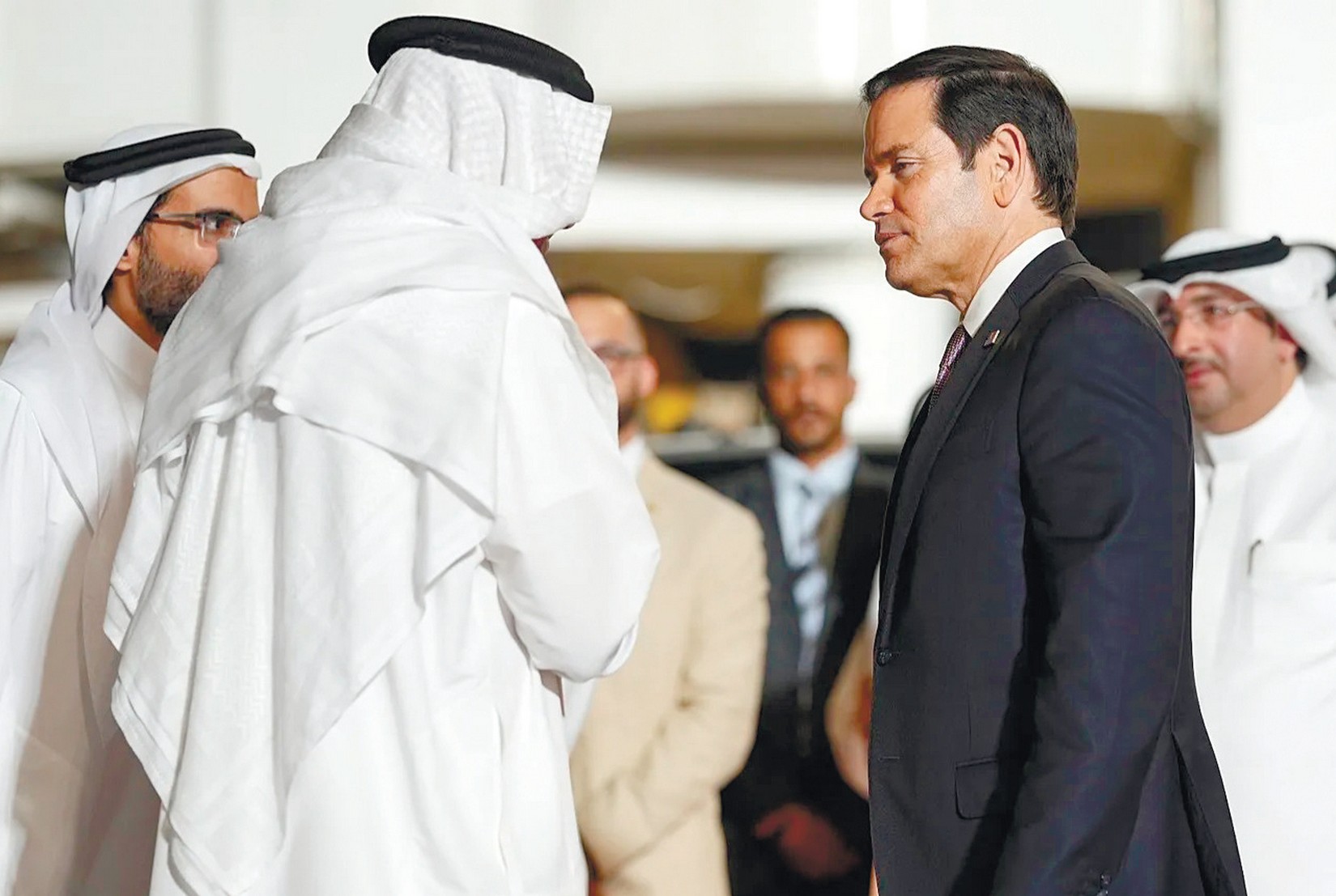
In addition, the issue has a regional dimension. In the context of ongoing US-Iranian consultations, a summit was held in Manama attended by US Secretary of State Marco Rubio, with representatives from Saudi Arabia, the UAE, Qatar, Kuwait, Bahrain and Oman in attendance. In essence, the parties aligned their positions on the interim deal between the US and Iran, primarily regarding the Strait of Hormuz.
For the Gulf states, this is a matter of survival. They are the first to pay the price—economically, militarily and politically—for any escalation between the US, Iran and Israel. Their position is therefore straightforward: de-escalation with Iran is necessary, but it must not amount to legitimising Iran’s previous regional policies.
This is precisely why, in a joint statement, the Gulf states backed Washington’s efforts to prevent Iran from acquiring nuclear weapons and to restore the safety of shipping. At the same time, however, the countries in the region made it clear that long-term stability is impossible without addressing the full range of Iranian threats, from missiles and drones to support for proxy groups.
Above the clash
There is an additional element to this matter. The Speaker of the Iranian Parliament has announced that Iran has achieved a victory over the US, which was achieved in Baku. Today, Ghalibaf is widely regarded as one of the most influential figures in Iranian politics. In the aftermath of the Iran conflict, his position within the decision-making system has strengthened considerably, and he now heads the negotiation process with the US. It is evident that his statements are more indicative of the Iranian leadership's positions on pivotal foreign policy and security matters than of his own personal stance.
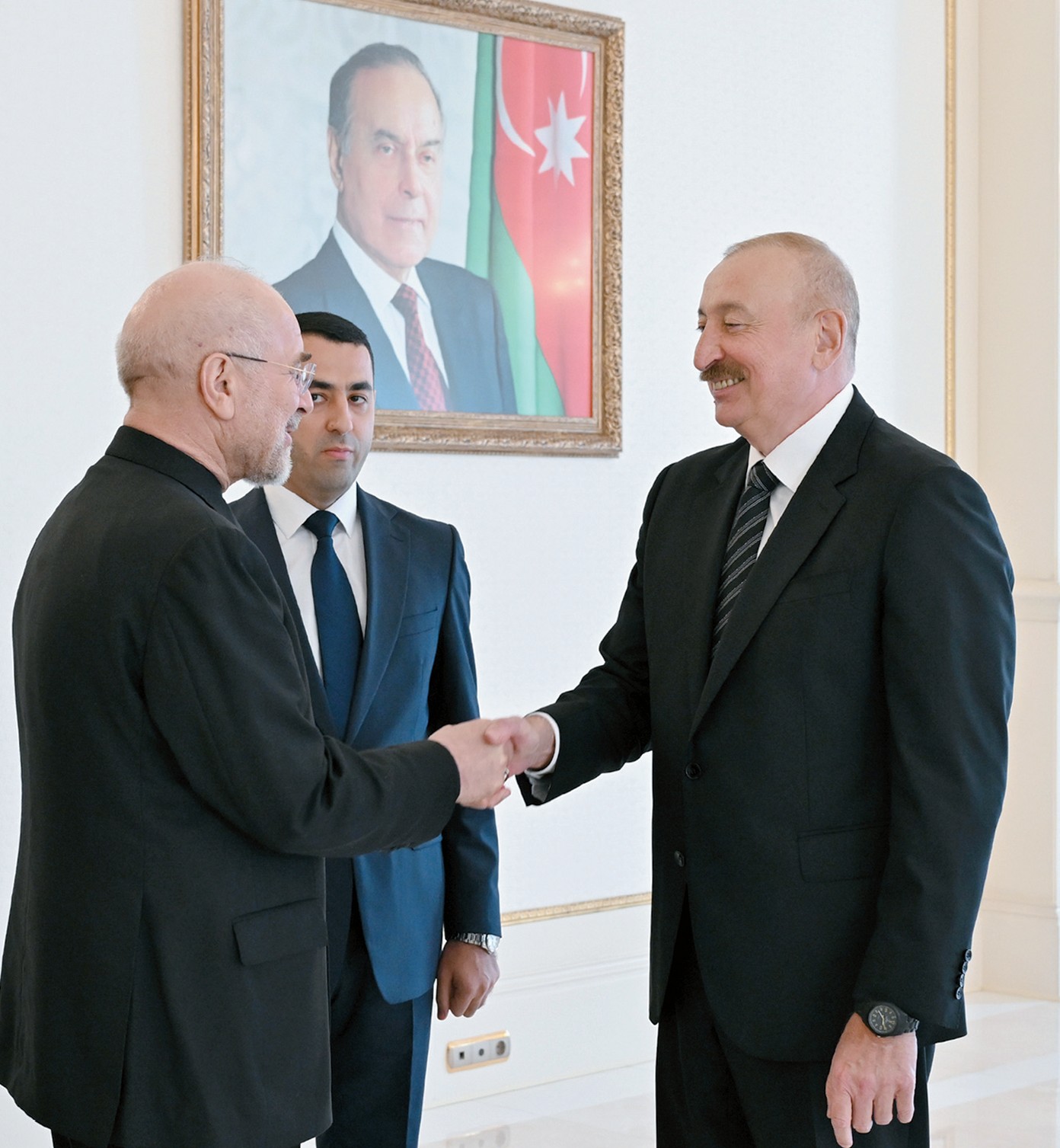
During a meeting with President Ilham Aliyev in Baku, Ghalibaf emphasised Azerbaijan's pivotal role as a reliable neighbour that has consistently avoided involvement in tensions with Tehran.
This is particularly important given that, over recent years, certain radical political, religious and military-political circles in Iran have consistently sought to portray Azerbaijan as a source of threat, exploiting the Israeli factor, the Armenian-Azerbaijani conflict and artificially inflated disputes. These propaganda campaigns were regularly accompanied by accusations that Baku was allegedly acting against Iran's interests.
Recent events have clearly demonstrated the groundlessness of such accusations. During the most challenging period for Iran, Azerbaijan demonstrated its commitment to good neighbourly principles, provided humanitarian aid, and refrained from any actions that could potentially compromise Tehran's interests.
The primary outcome of this story was not so much a positive political assessment of Azerbaijan by the Iranian leadership as a convincing refutation of the long-standing accusations that Baku poses a threat to Iran. It is evident that the actions of states are more compelling than political speculation and propaganda campaigns.
RECOMMEND:
 90
90

