
"BAKU+"
Tourism development strategy focuses on regions
Author: Ilaha MAMMADLI
Azerbaijan's tourism sector is entering a new phase. While in previous years the focus was on restoring tourist flows after the pandemic and raising the country's international profile, the focus is now gradually shifting towards the quality of growth. The focus has shifted from merely counting visitors to assessing their spending habits, duration of stay, preferred destinations, and the economic impact on local entrepreneurs.
These issues formed the basis of the discussion at the event "Unlocking Azerbaijan's tourism potential for economic growth and diversification," organised by the World Bank (WB) in cooperation with the State Tourism Agency.
Transition to the “Baku+” concept
Statistics confirm that tourism already plays a significant role in developing the non-oil sector — over the past three years, tourism revenues have increased by an average of 38%.
"The main drivers of this growth have been expanding air connectivity, simplifying visa procedures, and targeted promotion of tourist destinations," reported Aliyar Mammadyarov, First Deputy Chairman of the Central Bank of Azerbaijan (CBA). According to him, in the first quarter of this year alone, tourism services accounted for 21% of Azerbaijan's non-oil service exports.
He emphasised that the country's geographical location, rich cultural heritage, diverse natural landscapes and developing infrastructure provide a solid foundation for transforming Azerbaijan into a competitive and sustainable tourist destination.
The latest figures indicate that tourism is gradually moving beyond being just a service sector to becoming a full-fledged element of economic policy.
However, according to the World Bank, these achievements represent only an intermediate stage. Rolanda Price, World Bank Regional Director for the South Caucasus, presented a roadmap for further industry development. Azerbaijan needs to shift from a model predominantly focused on Baku and event-based tourism towards a broader system that will unlock the potential of all regions across the country.
She also said that the next phase of Azerbaijan's tourism development requires moving from a model relying mainly on Baku and event tourism to a more diversified one that reveals the economic potential of the regions.
To achieve this, she explained, it is necessary to improve regional transport accessibility, expand the network of hotels and other accommodation facilities, support local entrepreneurs, develop professional training for personnel, and strengthen Azerbaijan's promotion on international markets. “Tourism is important not only in attracting more tourists but also in creating new opportunities for local businesses, boosting investment, increasing employment—particularly among women and youth—and achieving a more balanced distribution of economic growth benefits across regions,” noted the World Bank regional director.
In R. Price’s view, a strong tourism ecosystem can stimulate development in transport, hospitality, agriculture, trade and small business sectors.
“The Azerbaijani government has already identified tourism as a strategic priority. The next major task is translating these plans into concrete investment projects, strengthening cooperation between public and private sectors, and enhancing regional competitiveness in the international tourism market,” she stressed.
One of the most interesting ideas presented at the conference was the “Baku+” concept proposed by Sean Mann, lead private sector specialist at the World Bank.
“Baku has developed as a successful tourist destination. However, the country’s next key challenge is to create competitive tourist destinations beyond the capital,” said the expert.
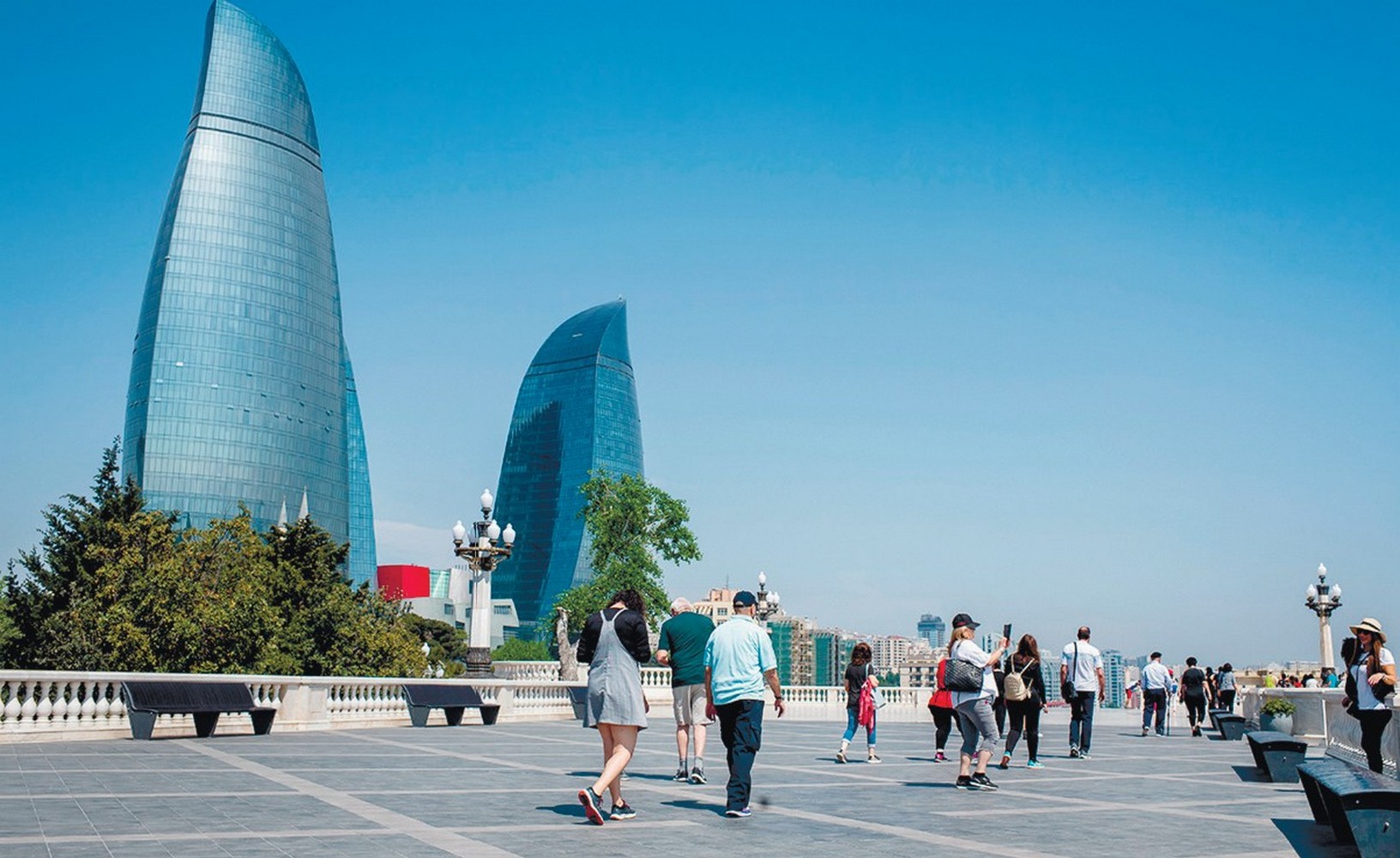
He cited Indonesia and Iceland as examples: “Bali is Indonesia’s main tourist hub, Reykjavik is Iceland’s, yet both countries subsequently developed other destinations. For Azerbaijan, the main challenge is not just to keep tourists in Baku but to offer them a ‘B’ experience,” explained S. Mann.
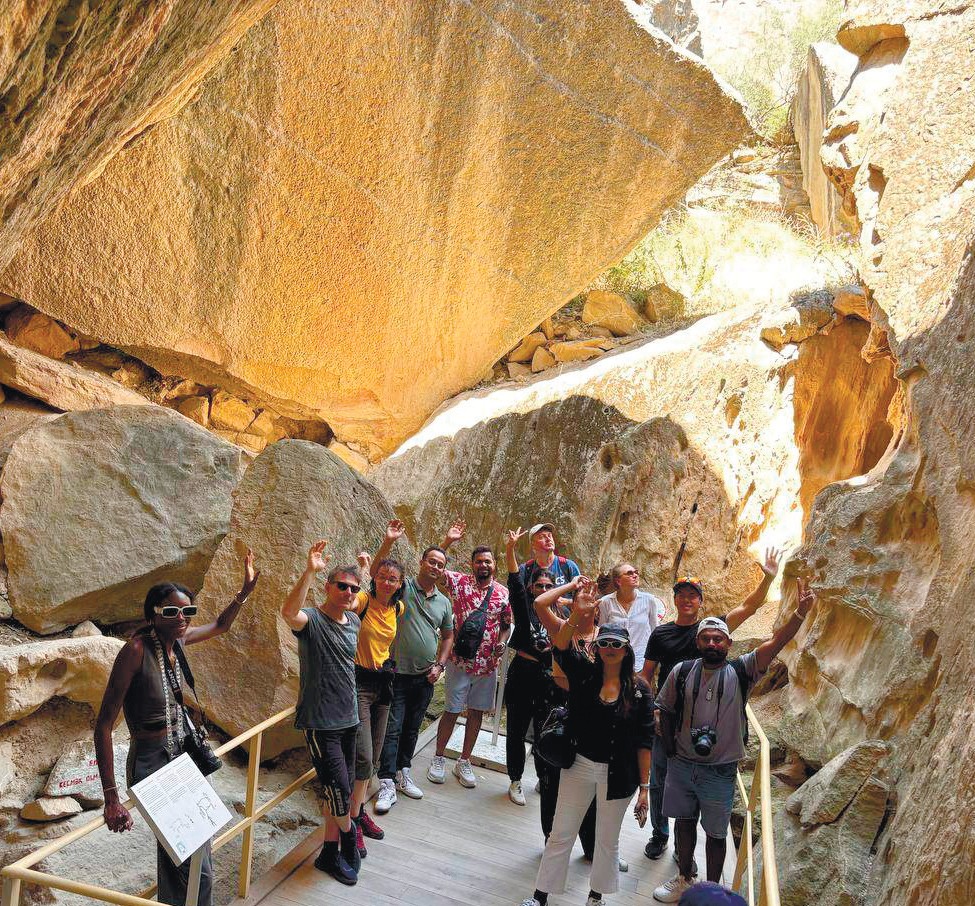
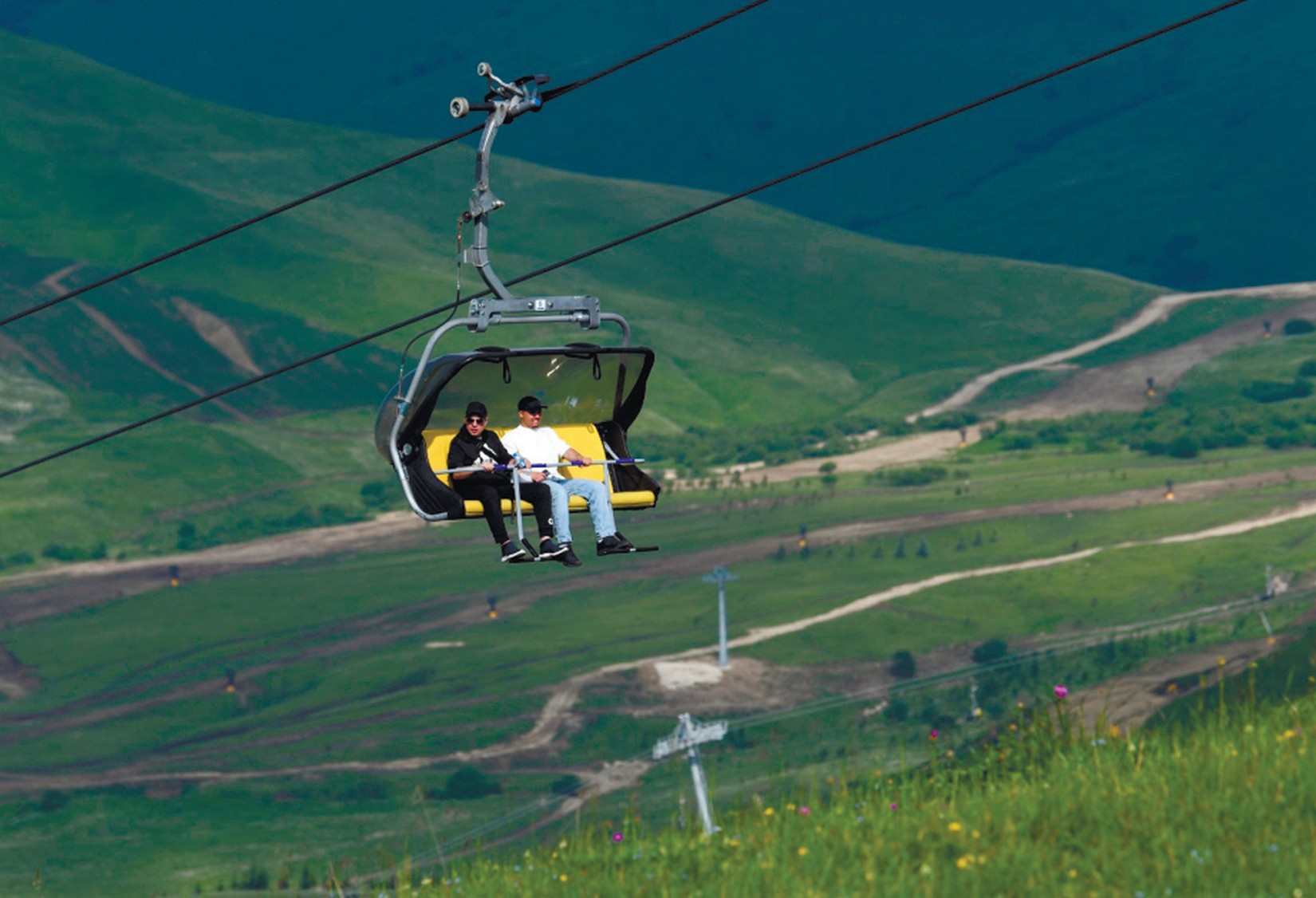
Effectively, this involves a new tourism model whereby travellers, after exploring the capital continue journey to Shaki, Gabala, Guba, Lankaran, Khinalug, Nakhchivan, Garabagh and other regions across the country.
The main challenge
The development of regional tourism is also driven by changes in tourist flow structure. According to official statistics, between January and May, Azerbaijan was visited by 871.7 thousand foreign nationals, representing a decline of 11% compared with the previous year. At the same time, changes continue in the geography of inbound tourism. While tourist numbers from Persian Gulf countries fell by 31.6%, arrivals from European Union countries increased by 13.3%.
In the initial four months of the year, Azerbaijan received 60,300 tourists from Europe, marking an 8% increase compared to the previous year. The highest growth rates were recorded from Hungary, Germany, Poland, Belgium, Ireland and the United Kingdom. This trend signals a gradual diversification of inbound tourism, creating new opportunities to promote regional tourist products.
Another key issue is how tourists spend money during their trips.
Mr. Wael Mansour, Chief Economist for the South Caucasus at the World Bank, is of the opinion that current spending patterns are imbalanced. "Tourists have a certain budget. If the majority of the budget is allocated to hotel and transport expenses, there will be less money available for restaurants, excursions, entertainment and other tourist experiences," he explained.
This has a negative impact on local businesses, which receive significantly less benefit. "It is necessary to create a balance that directs tourists' spending towards a wider range of services," stated W. Mansour.
The World Bank recommends developing cultural, natural, ecological, gastronomic, wellness and MICE tourism (business tourism). "Local businesses must benefit more from tourists' expenditures. To achieve this, the government should create new tourist products, prepare human resources and strengthen marketing campaigns in target markets," he emphasised.
The conclusions drawn by the World Bank are supported by official statistics. Although tourism remains a key driver of the non-oil economy, spending patterns of foreign visitors reveal existing imbalances.
Between January and May 2026 foreigners spent ₼943.9 million in Azerbaijan—a decrease of 22.9% compared with 2025. The largest share—₼430.9 million or almost half—was spent on transport services. Tourists spent ₼171.7 million on accommodation and ₼176.7 million on food services, while expenditure on cultural services amounted to only ₼5.5 million and on sports and entertainment events ₼6.5 million.
This confirms the World Bank’s thesis that a significant portion of tourists’ budgets is consumed by logistics and accommodation costs while entertainment, excursions, culture and local businesses receive substantially smaller income shares.
Not just luxury
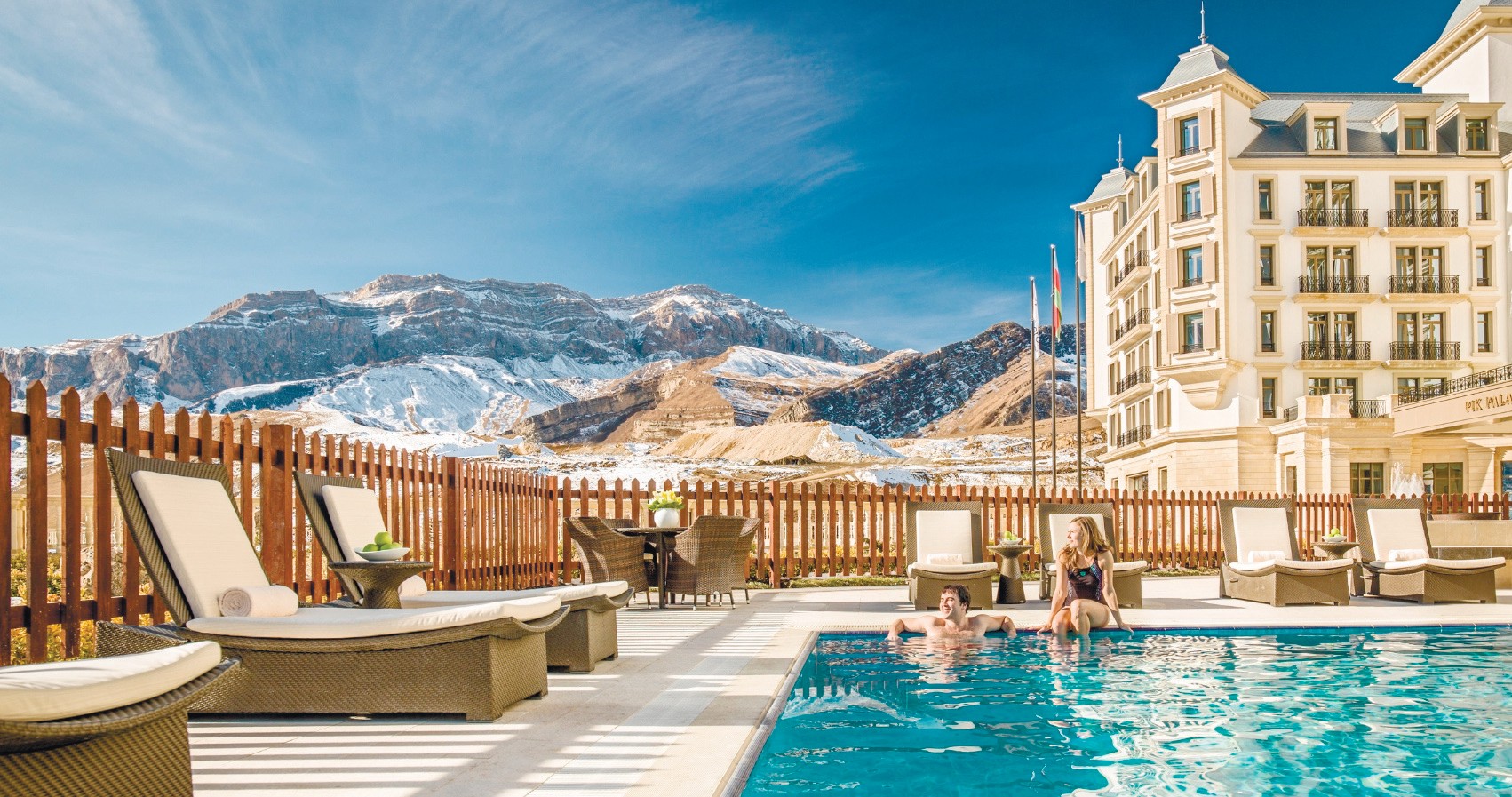
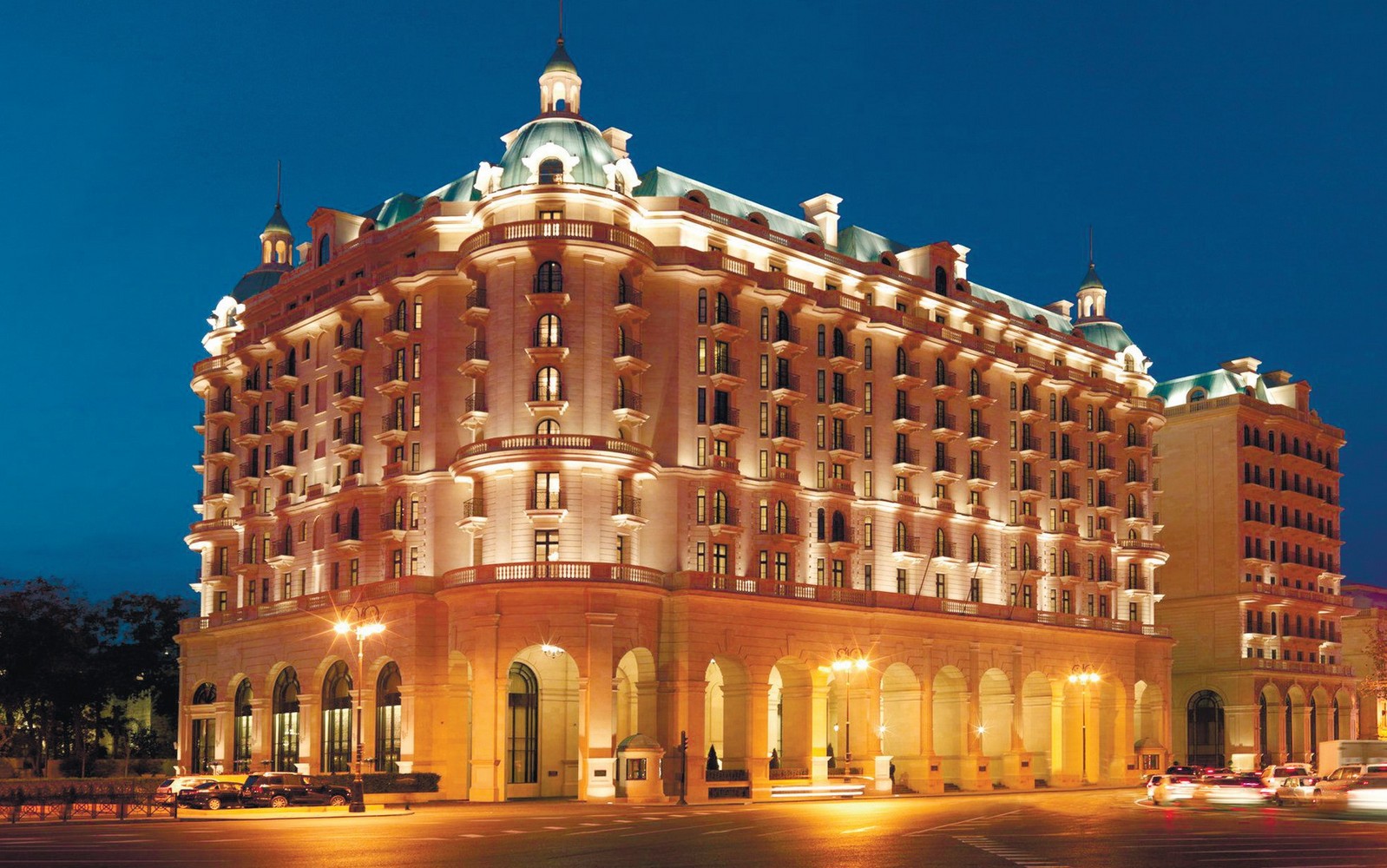
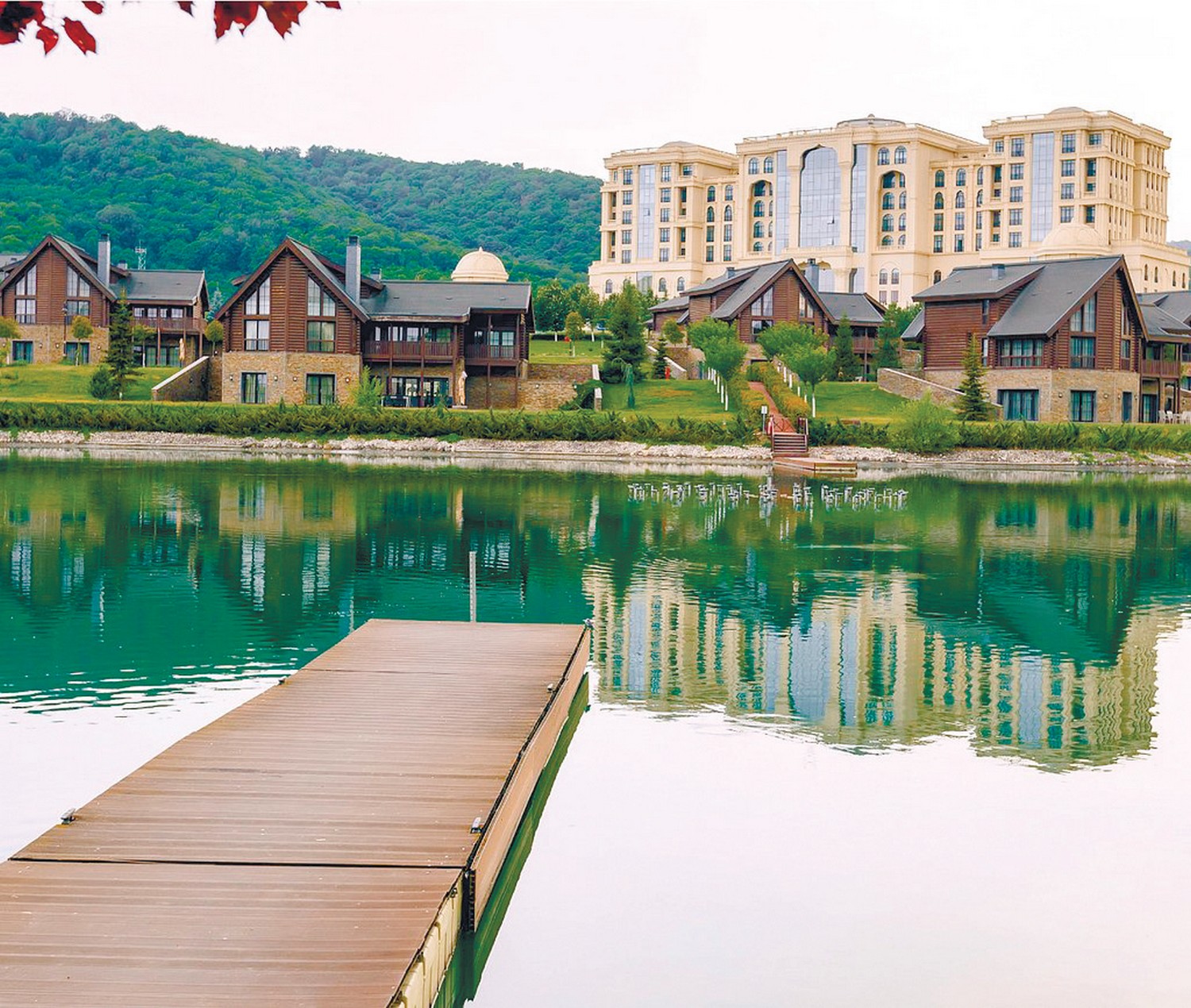
World Bank representatives believe that international hotel brands have played an important role in shaping Azerbaijan’s image; however, this alone is insufficient.
“High-end hotels play an important role in raising Azerbaijan’s profile and building tourists’ trust; however, tourism development should not be limited to this,” said Sean Mann.
Far greater impact will come from developing small hotels, family guesthouses, restaurants, guide services and new tourist routes. “This approach will create conditions for longer stays in the country, increased repeat visits, attraction of new investments and higher incomes for local businesses from tourism,” emphasised the bank economist.
Interestingly, developing small-scale tourist facilities could be especially in demand given current travel patterns. Of 564.2 thousand tourists who visited Azerbaijan from January to May, 16.8 thousand made day trips; 85.6% of these used Azerbaijan primarily as a transit route.
Total spending by such visitors was only ₼7.1 million; over 80% of this was on transport services. Spending on food, entertainment, cultural events and shopping was minimal—again confirming the World Bank’s conclusion regarding the need to create tourist products that encourage travellers to stay longer and spend across a broader range of services.
New markets
Garabagh holds a special place in the new World Bank strategy. According to R. Price, restoring the region opens new opportunities for tourism investment. “If Azerbaijan aims to develop Garabagh as an international tourist destination, real opportunities exist for this. However, phased development of transport, hotel, service and other tourism infrastructure along with incentives for private investment are essential,” she said.
The World Bank regional director believes that Garabagh’s rich nature, historical heritage and large-scale restoration efforts could make it one of South Caucasus’ most attractive tourist destinations.
Meanwhile Florian Zengstschmid, Chairman of Azerbaijan Tourism Bureau’s Board of Directors, reported that a new State Tourism Development Programme is already at approval stage. Alongside reforms in the sector it includes mechanisms for subsidising infrastructure projects: “Tourism development is not limited to one agency’s activities; coordinated work between government bodies and private sector in road construction, energy supply, utilities and communications infrastructure is crucial.”
Another key task is diversifying inbound tourism geography. S. Mann noted that 66% of foreign tourists come from just three or four countries which presents certain risks: “From 2017-2025 there was significant growth in tourists from India, Saudi Arabia, Israel, China, Pakistan and Türkiye while tourist numbers from Russia, Georgia, Iran and UAE declined—reflecting market structure changes,” he said.
He added that Azerbaijan now needs to create tourist products tailored to new market expectations.
Nevertheless, tourist flow structure remains quite concentrated: according to State Statistics Committee data, 27.2% of all foreign arrivals were Russian citizens; 22% Turkish; followed by Iran (8.4%), Georgia (5%), Kazakhstan (4.5%), Uzbekistan (3.2%), India (2.9%), Pakistan (2.7%) and China (2.3%).
Therefore, the World Bank recommends intensifying efforts with new markets to reduce dependence on a limited number of countries. Consequently, several substantial changes lie ahead for Azerbaijan’s tourism sector in coming years.
Mr Zengstschmid also revealed that the process of updating Azerbaijan's tourism brand is nearing completion. The new brand will further enhance promotion on international tourism markets: "Azerbaijan is currently known as a tourist destination by an average of 48% of people across key target markets, with over 90% of people in Türkiye, 75% in Saudi Arabia, 40% in the United Arab Emirates and 30% in Germany being aware of it. Awareness of this issue depends not only on the potential for tourism, but also on economic, political, geopolitical and regional factors. The new branding strategy will strengthen Azerbaijan's position internationally and boost interest in the country," he added.
He noted that in 2019, Azerbaijan was virtually unheard of as a tourist destination on the global stage. A 2019 international study demonstrated that Azerbaijan was effectively uncharted territory in major tourist markets and out of sight for tourists. Therefore, from 2018, an international tourism brand was created with the campaign "Take Another Look".
Concurrently, a novel tourism development strategy is being formulated for Nakhchivan. Digitisation is ongoing, with the implementation of contemporary technologies and artificial intelligence. Following the approval of the state programme, an update to the Tourism Law is scheduled.
Despite a decline in overall tourist numbers, satisfaction levels remain high. According to data from the State Statistics Committee, 90.8% of foreign visitors expressed satisfaction with the services provided. However, over 51,000 reported shortcomings, primarily concerning catering services, bus transportation, guides, and accommodation facilities. The World Bank has identified the enhancement of Azerbaijan's tourism competitiveness as a priority area for improvement.
There was a high level of consensus among the conference participants on this particular issue. Azerbaijan's strategic approach now encompasses not only the growth in foreign visitor numbers, but also the enhancement of visitor experience through extended stays, diversified regional exploration, and the utilisation of a comprehensive range of services. The objective is to ensure that visitors allocate a greater share of their expenditure within the local economy.
Therefore this new phase of sector development focuses less on boosting tourist numbers than on establishing a modern tourism ecosystem where regions develop alongside small business, infrastructure and new products.
If implemented consistently this strategy could make tourism one of Azerbaijan’s most sustainable drivers of non-oil economic growth in coming years.
RECOMMEND:
 72
72