

THE ORMUZ CRISIS
On the reasons of failed June agreements between Washington and Tehran
Author: Samir VELIYEV
On the eve of the NATO summit in Ankara, the US and Iran have once again exchanged blows. This incident once again highlights the fragility of the recently established truce between the two sides.
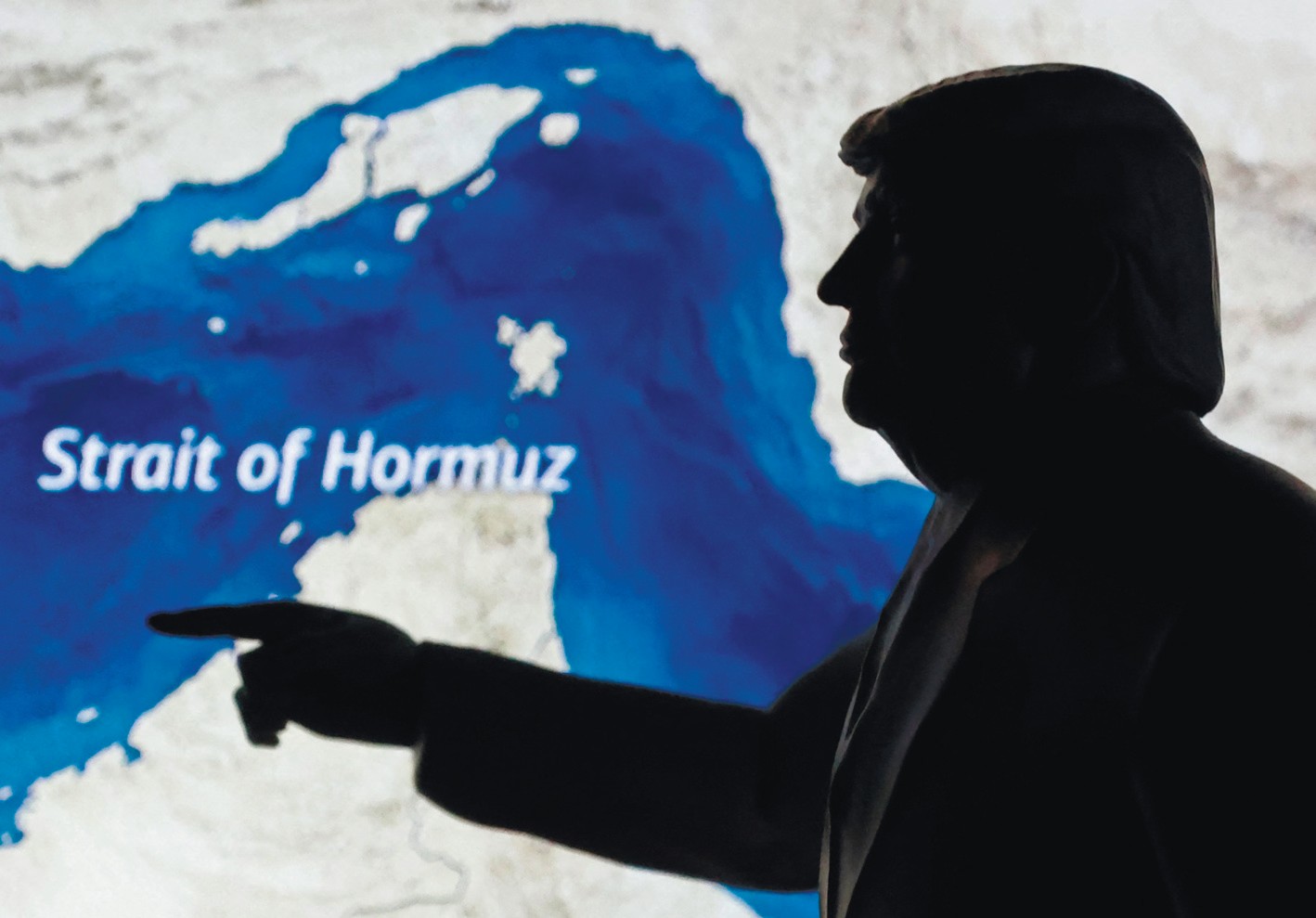
The Strait of Hormuz again
The immediate cause of this new escalation between the countries was the attacks on three commercial vessels passing through the Strait of Hormuz on 7 July. It should be noted that those affected included tankers with links to Qatar and Saudi Arabia. The US has blamed Iran and described the attacks as a 'dangerous and unjustified' breach of the truce.
According to US officials, during private meetings, Tehran explained the attacks as the actions of individual military or security forces undertaken without full coordination with the Iranian political leadership. Washington interpreted this as a possible sign of tensions between the political and security wings of the Iranian leadership.
However, there has been no public confirmation of this version of events. Furthermore, shortly before the attacks, the Iranian military command had officially warned of forceful measures against vessels failing to adhere to the routes established by Tehran. Therefore, it would be prudent to consider the possibility that the attacks may have been authorised.
As early as 7 July, the US Central Command announced that it had carried out a series of strikes on Iranian territory. According to reports from Iranian sources, six missiles have struck the area around the Taherui jetty in Sirik, in the south of the country. Washington stated that the strikes were directed against infrastructure used for attacks on commercial shipping.
In response, Iran attacked US military facilities in the Gulf states. According to the Iranian side, American Patriot missile systems in Kuwait, an early-warning system facility in Qatar and an aviation fuel depot in Bahrain were hit. It should also be noted that strikes were also carried out against US facilities in Jordan. Initially, there was no independent confirmation of the full list of targets struck or the extent of the damage caused.
Following a series of isolated incidents involving merchant ships, the situation escalated into a direct exchange of strikes between the US and Iranian armed forces.
It is noteworthy that, despite the ongoing confrontation with the US, Tehran is seeking to prevent Israel's direct involvement in this new phase of the conflict. According to assessments by Western media and experts, the Iranian leadership assumes that Israel's involvement would inevitably lead to a sharp escalation of the war, increased US military support for Israel, and would significantly narrow the scope for a diplomatic settlement. This is precisely why Iran's retaliatory actions are mainly focused on US military targets in the region. Tehran is exercising caution to avoid any actions that could potentially provide Israel with a formal justification to recommence hostilities. This strategy enables the Iranian leadership to maintain the conflict within relatively manageable limits and prevent the formation of a united US-Israeli military front against Iran.
Combined pressure as a tactical move
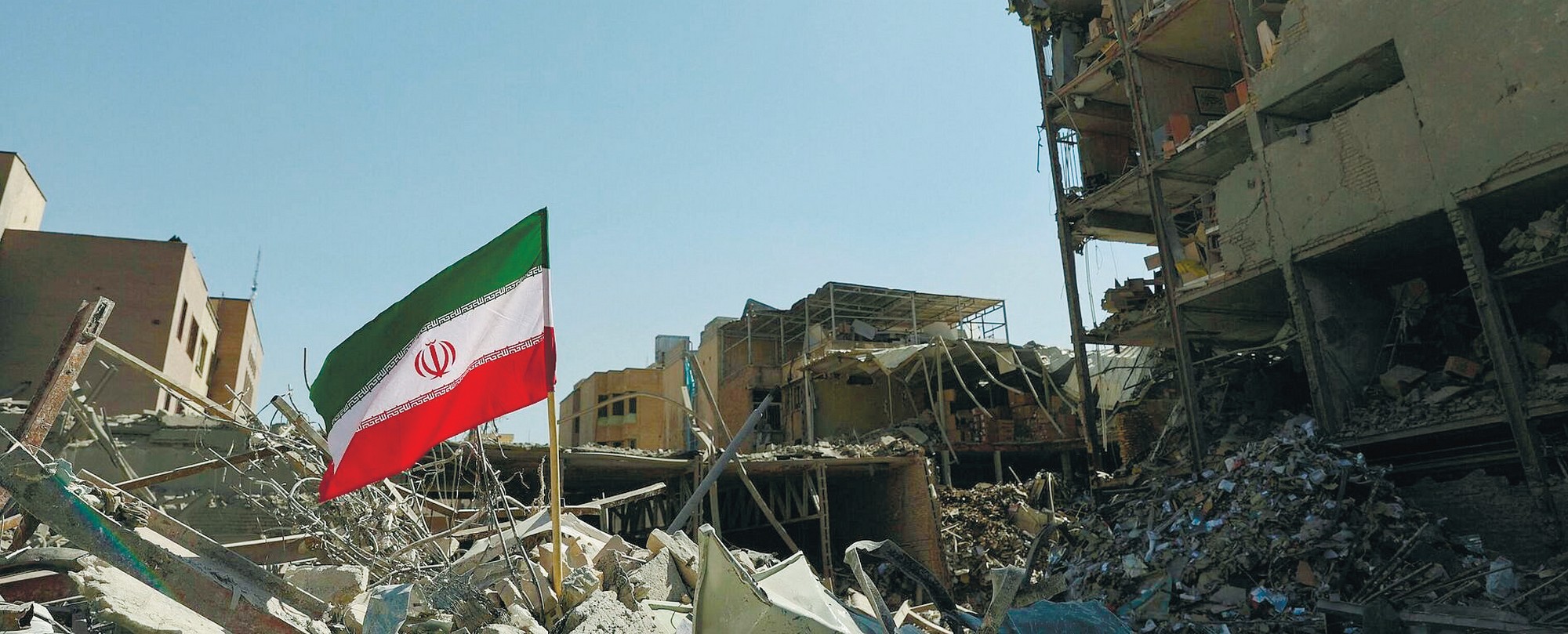
On 8 July, US Central Command initiated the second phase of strikes on Iranian territory. According to official CENTCOM figures, US forces targeted approximately 90 military sites, including air defence systems, coastal surveillance assets, missile and drone storage sites, naval facilities and logistical infrastructure along the Iranian coast. The day before, the US had attacked around 80 targets, including more than 60 small boats belonging to the Islamic Revolutionary Guard Corps. Washington stated that the operation was intended to limit Iran's ability to attack merchant ships in the Strait of Hormuz.
According to the Iranian Ministry of Health, at least 24 people were killed and more than 100 injured as a result of the shelling of six cities during the initial days of the escalation. However, even after the official conclusion of the US operation, reports continued to emerge of further explosions on Iranian territory. No one has claimed responsibility for these, which has fuelled speculation about the possible involvement of Israel or certain Gulf states. However, these theories have yet to be confirmed.
Concurrently, the US has intensified its economic pressure on Iran. On 7 July, the Office of Foreign Assets Control (OFAC) at the US Department of the Treasury revoked the general licence that had previously authorised the production, supply and sale of Iranian oil, petroleum products and petrochemicals. Instead, a licence was introduced to enable the completion of transactions already in progress.
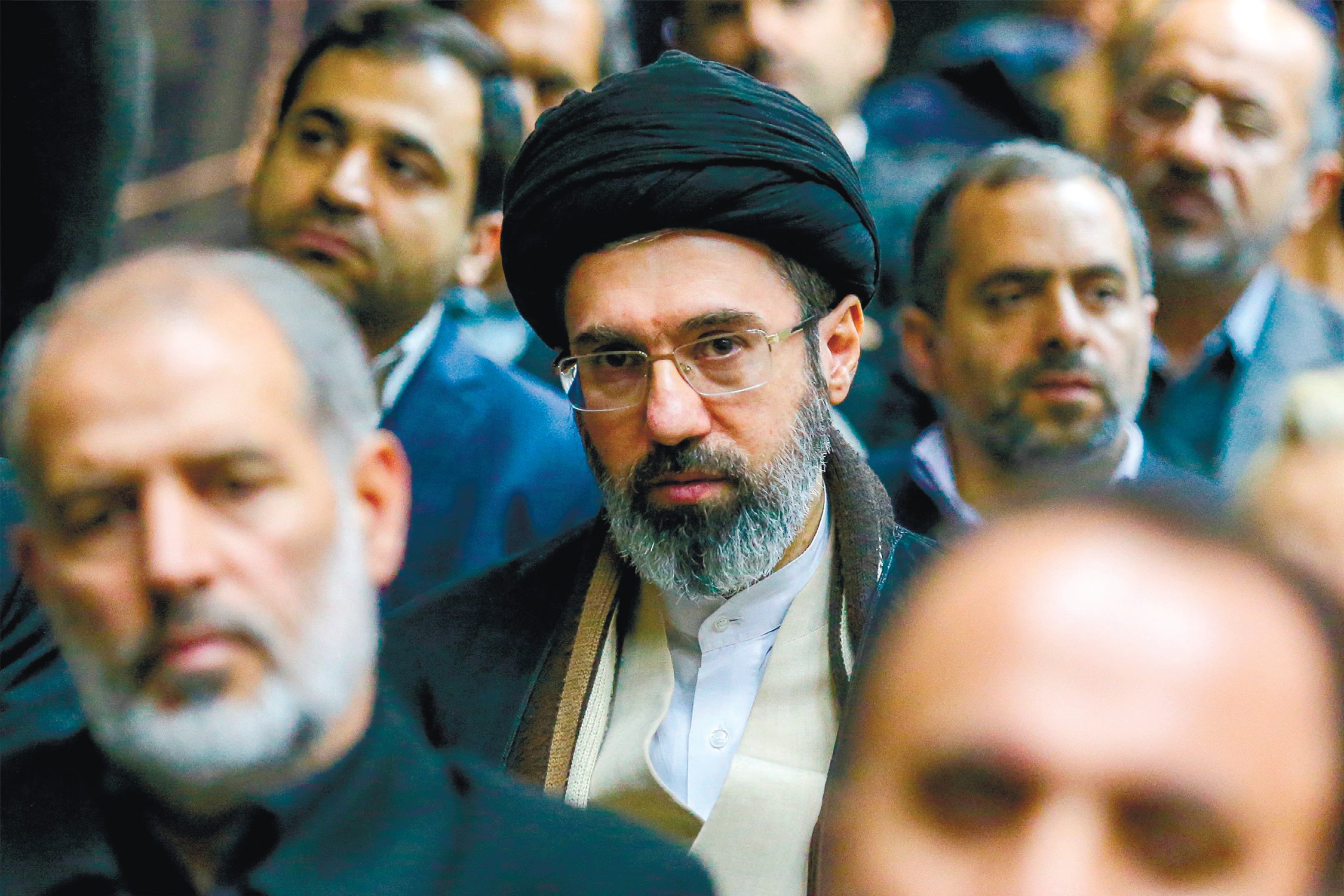
On 10 July, Washington imposed an additional sanctions package on 14 individuals and organisations associated with the financial structures of Iran's new Supreme Leader, Mojtaba Khamenei, and the Islamic Revolutionary Guard Corps (IRGC). The restrictions targeted Iranian currency exchange bureaux, foreign intermediary companies and the banker Ali Ansari, whom the US accuses of managing assets belonging to Iran's ruling elite.
The United States has thus moved to a combined strategy of pressure, combining strikes on military infrastructure, restrictions on oil exports, new financial sanctions and the threat of further tightening of shipping regulations in the Persian Gulf.
A strange war
Meanwhile, at the NATO summit in Ankara, US President Donald Trump stated that he considered the June ceasefire to be over. He accused Iran of systematically violating the agreements and warned that, should the attacks continue, Washington would launch new, even more extensive strikes.
By taking this action, President Trump effectively abandoned the previous approach, under which isolated clashes could be regarded as localised breaches that did not invalidate the entire peace process. In the aftermath of the attacks on tankers and the subsequent direct exchange of strikes, the White House declared the military-political framework of the June agreements to be null and void.
At the same time, Washington did not make an announcement regarding its withdrawal from the negotiations. On 10 July, Trump stated that the US had agreed to continue contacts with Iran, whilst emphasising that the ceasefire was no longer in force. The Tehran government has refuted the assertion by the US President that it was Iranian authorities who initiated the request for the resumption of negotiations.
Despite the cessation of hostilities, diplomatic channels between the US and Iran remain active. Oman, Qatar and Pakistan continue to act as mediators, seeking to prevent further escalation and to preserve the possibility of the parties returning to the negotiating table.
The situation surrounding the Strait of Hormuz remains a key point of discussion. Washington has issued a formal demand to Tehran, requesting the immediate cessation of attacks on commercial vessels and ensuring the unimpeded passage of international shipping. Iran insists on its right to regulate the movement of vessels in waters adjacent to its coastline. The primary obstacle to the restoration of agreements is the lack of compromise on shipping regulations.
Thus, although the parties have not yet returned to full-scale negotiations, they are nevertheless maintaining channels of communication through intermediaries. This helps to reduce the risk of immediate escalation, but does not indicate a restoration of the ceasefire or the reaching of new agreements.
The situation has been further complicated following the funeral of Iran’s former Supreme Leader, Ali Khamenei. The country’s new leader, Mojtaba Khamenei, has stated that Iran intends to avenge his father’s death. In response, Trump announced that he had ordered US forces to prepare for a massive strike should Tehran attempt to assassinate him.
As we can see, on the one hand, negotiations are ongoing, whilst on the other, preparations for further military action remain in place. The diplomatic channel has not been closed, but it now operates outside the framework of the formally existing ceasefire.
In search of a formula for peace
It would be more accurate to characterise the current situation as negotiations taking place amid armed deterrence. The US is attempting to persuade Iran to cease its pressure on shipping and make concessions on its nuclear programme, whilst maintaining the threat of further strikes and sanctions. Tehran is leveraging its strategic position in the Strait of Hormuz and its capacity to attack US targets in the region as key bargaining chips in its negotiations.
The situation demonstrates the vulnerability and fragility of any agreements between the parties in the face of ongoing disagreements on matters of principle. It is fair to say that the recent escalation of hostilities was precipitated by the systematic undermining of the June Memorandum, which had generated a great deal of optimism.
Incidentally, the agreement provided for a cessation of hostilities, the restoration of freedom of navigation in the Strait of Hormuz, a temporary easing of sanctions, and the commencement of negotiations on the most sensitive issues, including Iran's nuclear programme.
However, its implementation was not based on formal compliance with individual provisions, but rather on the ability of Washington and Tehran to control the potential for further escalation of the conflict. Recent events have demonstrated that this ability remains very limited. A single contentious incident was sufficient to trigger a chain reaction of tit-for-tat strikes, reinstate sanctions pressure and call into question all the progress achieved previously.
Consequently, the primary concern at present is not only the content of future agreements, but also the absence of a robust mechanism to prevent every new provocation from undermining the results of months of diplomatic efforts.
RECOMMEND:
 109
109

