

FRONT WITHOUT BREAKTHROUGHS
Russia uses its advantage in the Donbas as a leverage, while Ukraine is responding with counter-attacks and strikes on Russian rear areas
Author: Namig HASANOV
The war has reached a peculiar state in the autumn. On the front line, hostilities are intensifying and casualties are rising; behind the lines, a drone war is escalating; and on the diplomatic front, talks are resuming about a possible resumption of negotiations.
A continuous cycle of fatalities
The month of August did not result in a definitive shift in the conflict on the front line, but it did lead to a substantial change in the nature of the combat. The primary focus of Russian pressure continues to be the north of the Donetsk region, where Moscow is attempting to breach Ukrainian defences along the so-called 'belt of fortresses'—a chain of towns comprising Konstantinovka, Kramatorsk, Druzhkivka and Sloviansk.
The situation in the vicinity of Konstantinovka is of particular concern. Russian units have secured a presence in specific areas of the town, while pressure from neighbouring regions is increasing. Kramatorsk and Sloviansk remain under Ukrainian control for the time being, but Russian forces are regularly striking them, including with high-yield guided aerial bombs. These bombs, which do not meet the definition of 'precision weapons', are causing civilian casualties. According to Ukrainian sources, at least 13 people were killed and more than 150 wounded in Kramatorsk alone in August.
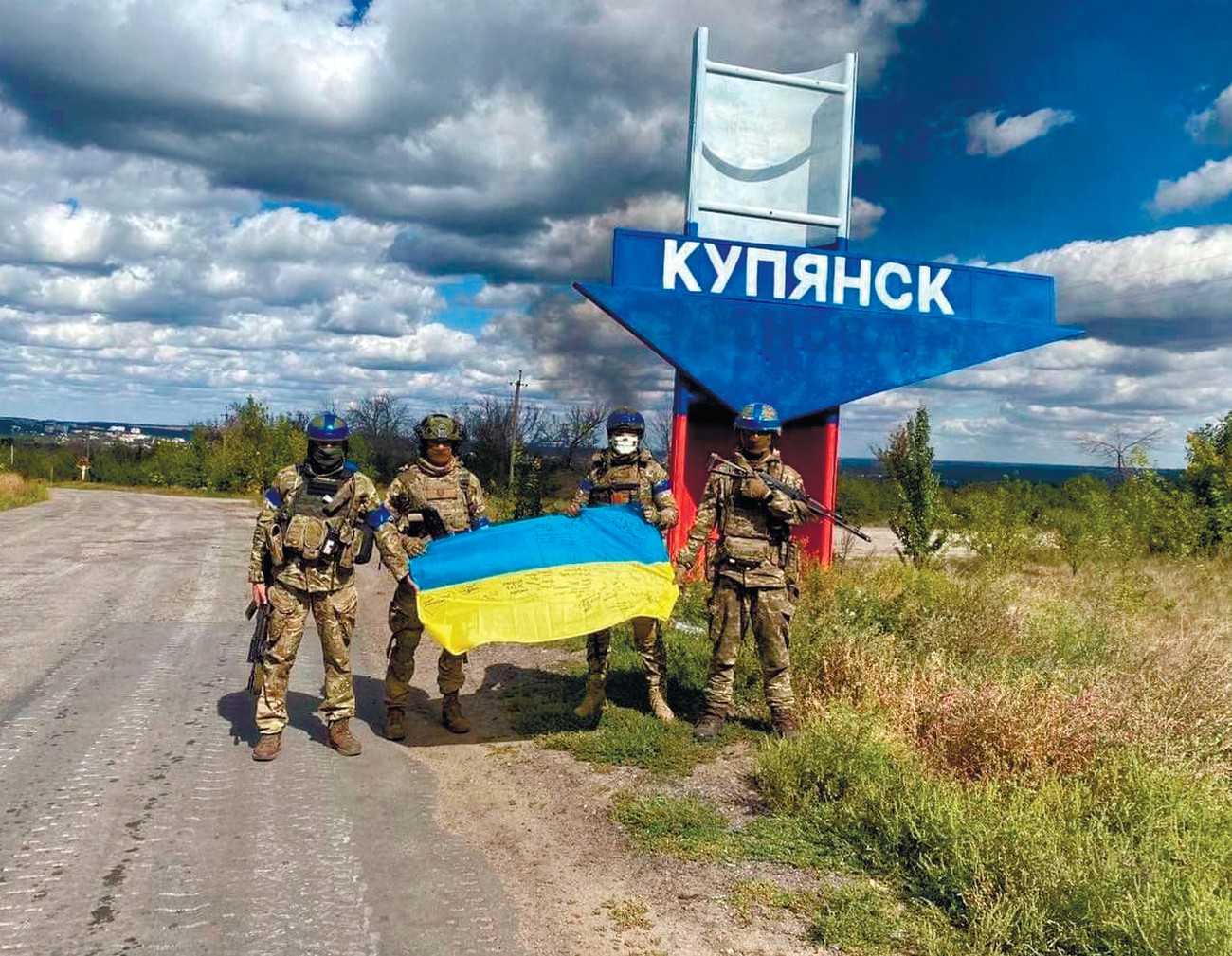
It is important to note that the Russian army's advance cannot be characterised as rapid. In several sectors along the Donetsk front, Russian units are continuing offensive operations without achieving any confirmed advances. Furthermore, in the Alexandrovka sector, the Ukrainian army has successfully launched counter-attacks, recapturing several positions that had been previously lost.
Vladimir Zelensky, President of Ukraine, has announced that the Dnipropetrovsk region has been almost completely liberated. Since the start of 2026, the Ukrainian Armed Forces have taken control of 26 villages in this region. We are aware that Ukrainian counter-attacks are also continuing on the southern section of the front around Orekhovo. These are, however, less successful. The current situation in the Donbas is particularly difficult to assess due to the combination of Russian pressure and Ukrainian counter-attacks. The front line is shifting, but so far neither of the opposing forces has managed to turn local successes into a strategic breakthrough.
However, it should be noted that even local successes achieved through assault operations come at a high cost. In July of this year, the Ukrainian military reported that more than 42,000 Russian servicemen had been neutralised. There is no indication that the figures for August will be any lower.
However, by 2026, it will no longer be possible to view the front solely through the lens of ground combat. Drones are playing an increasingly significant role. These systems are employed for reconnaissance, directing artillery fire, targeting equipment and personnel, and for strikes that extend far beyond the line of contact. The Russian army is attempting to expand its own UAV operator units and restore technological parity, whilst Ukraine is banking on mass deployment and the development of new types of unmanned systems. According to analysts at the Institute for the Study of War, there is a technological race between Russian and Ukrainian drone systems, which is simultaneously expanding the so-called 'area of engagement' around the front line.
This is particularly evident in the nature of long-range strikes. Russia continues to launch missile and drone strikes against Ukrainian cities and infrastructure. On 27 August alone, Russian forces launched a major attack on Ukraine using a large number of drones and missiles, including ballistic and hypersonic ones. The strikes targeted Kiev and a number of other cities, causing damage to energy, industrial, port and civilian infrastructure.
Ukraine is responding by expanding the geographical scope of its own strikes. The primary objectives of this initiative include Russian oil refineries, terminals, warehouses, logistics centres and other facilities associated with the military economy. The consequences are already going beyond isolated fires: Russia has experienced a petrol shortage and has therefore initiated the process of increasing its imports of finished fuel.
Consequently, the conflict is gradually expanding beyond the traditional front lines. Russia is attempting to break through the defences in the Donbas, whilst Ukraine is seeking to raise the cost of this offensive by striking at Russian rear areas and energy infrastructure.
The 'patriotism' of the allies
The war has long since become a conflict involving multiple parties, with the allies now playing a significant role. It has recently become evident that both sides are increasingly reliant on external resources necessary to continue hostilities.
For Ukraine, the main focus is the so-called 'coalition of the willing'—a group of European countries prepared not only to continue providing military and financial support to Kiev, but also to discuss future security guarantees. In August, the coalition's attention once again focused on one of the most vulnerable aspects of Ukraine's defence—air defence. At the coalition's meeting in Kiev on 24 August, European leaders discussed, first and foremost, the strengthening of air defence.
The issue here is not so much the number of Patriot systems, but rather the ammunition required for them. It is precisely these systems that remain one of the few means capable of effectively intercepting Russian ballistic missiles. Ukraine is facing a shortage of such interceptor missiles and is attempting to obtain them from countries with existing stocks. In August, European allies intensified their efforts to identify such opportunities. Concurrently, there is a growing collaborative effort between the European and Ukrainian defence industries.
Russia's system of external support is organised differently. Moscow is becoming increasingly active in terms of military cooperation with Iran and North Korea. Iran continues to be a significant source of technology and unmanned systems, notably the Shahed family, which Russia is utilising extensively to attack Ukrainian infrastructure.
North Korea has taken this a step further. In addition to supplying ammunition and missiles, Pyongyang is sending military personnel to Russia. Reports from Ukrainian and South Korean intelligence sources have revealed that Pyongyang has deployed an entire missile unit comprising six launchers in the Voronezh region. Reports indicate that North Korea is planning to increase its ground forces in Russia, with a view to raising their numbers to 50,000.
Consequently, a peculiar system of mutual reinforcement is taking shape: Ukraine is becoming increasingly integrated into the European defence system, while Russia is collaborating with states willing to compensate for its shortfall in weapons, ammunition and personnel.
A fragile channel of negotiation
In the context of increasing long-range strikes, the negotiation process has become more challenging, although not completely halted. For instance, in August, Russian President Vladimir Putin stated that Moscow was receiving various proposals to resolve the situation through intermediaries. Simultaneously, the Russian president made it clear that the Kremlin is considering these initiatives and is willing to continue the dialogue. Despite the absence of consensus on pivotal issues, the parties involved are not precluding the possibility of exploring avenues for resolving the conflict.
However, it is important to note the significant difference between the possibility of negotiations and the establishment of an actual peace agreement. The primary issues of contention remain unresolved, namely the territorial question, the future status of Ukraine and the assurance of its security. At present, Moscow and Kiev have differing views not only on the conditions for ending the war, but also on the sequence of actions itself: should a ceasefire precede a political settlement or result from it?
It is evident that even in such circumstances, there is potential for the identification of shared objectives, as demonstrated by the existence of individual humanitarian agreements. One such area is the exchange of prisoners of war. At the end of August, another exchange took place under the '10 for 10' formula. At the same time, Moscow and Kiev are continuing to prepare for a larger-scale exchange.
It is precisely the humanitarian track that today remains one of the few areas where negotiations are yielding concrete results. Individuals are returning home even when political agreements remain elusive.
It is important to note that the increase in diplomatic activity does not necessarily result in a decrease in military activity. Conversely, both sides are consolidating their positions on the front line and conducting strikes on each other's territory. Therefore, it would seem that negotiations are not yet an alternative to war, but rather another tool of confrontation—a way to test the enemy's positions, secure the support of mediators and understand what concessions the other side is prepared to make.
Autumn test
Over the past month, it has become clear that the war is no closer to being resolved, and the costs to all parties have increased. To date, no party has yet demonstrated the ability to force the other side to accept their terms. The primary concern is not the timing of the war's conclusion, but the allocation of additional resources to bring it to a closer end.
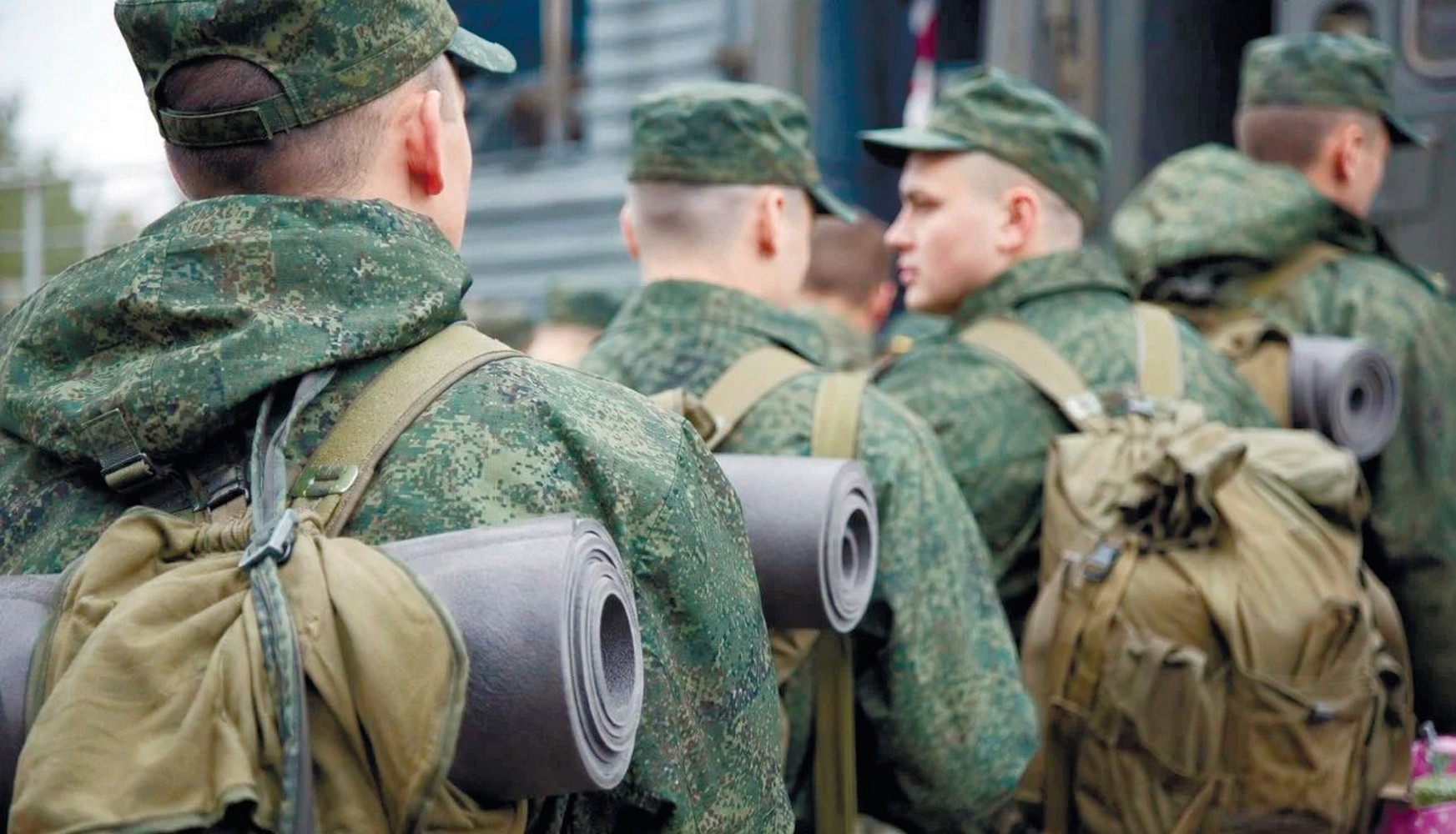
On initial assessment, Russia appears to have sufficient capacity to continue the war. However, a pertinent question arises: will it be capable of achieving this at the current intensity level while avoiding a new large-scale mobilisation?
The Kremlin has thus far succeeded in preventing a recurrence of the 2022 mobilisation. The company is replenishing losses through contract recruitment, high pay and regional programmes. However, as the war continues and intensifies, the need for new recruits to maintain the size of the army increases. In such a scenario, mobilisation becomes less a matter of political decision-making and more a matter of arithmetic.
However, the situation in Ukraine is unique, and the key question is whether Ukraine can continue to thwart Russia's advance, averting a strategic turning point, while its allies increase their arms supplies and production. In other words, will Ukraine have sufficient time to convert external aid into tangible capabilities on the battlefield or in the defence of Ukrainian airspace?
Kiev does not have sufficient resources to change the course of the war on its own, or even to find enough missiles to counter ballistic missiles. It is evident that Ukraine possesses the capacity to implement entire armament programmes and to significantly increase weapons production. Therefore, in the context of Ukraine, the importance of time is on par with that of weapons and personnel.
The ability to maintain the front without a major collapse will allow for more opportunities to re-equip, develop domestic production and obtain new systems from allies.
These two issues will continue to be a priority throughout the coming autumn.
RECOMMEND:
 55
55