

OPERATION ECONOMIC PARIAH
US launches new campaign against Iran
Author: Samir VELIYEV
US Treasury Secretary Scott Bessent has announced the launch of a new campaign of economic pressure on Tehran, named "Economic Pariah". This is an attempt to restrict the system through which Tehran retains access to revenues, technology, foreign trade and international payments to the greatest extent possible.
Washington has announced that countries and companies that continue operations with Iran will be given a certain period to cease them. Should the aforementioned conditions not be met, the US Treasury has indicated that it will be forced to impose secondary sanctions and restrictions on access to the dollar system. The primary objective is to increase oil exports, which represent a significant source of foreign currency revenue for Iran.
China and Hormuz: key links
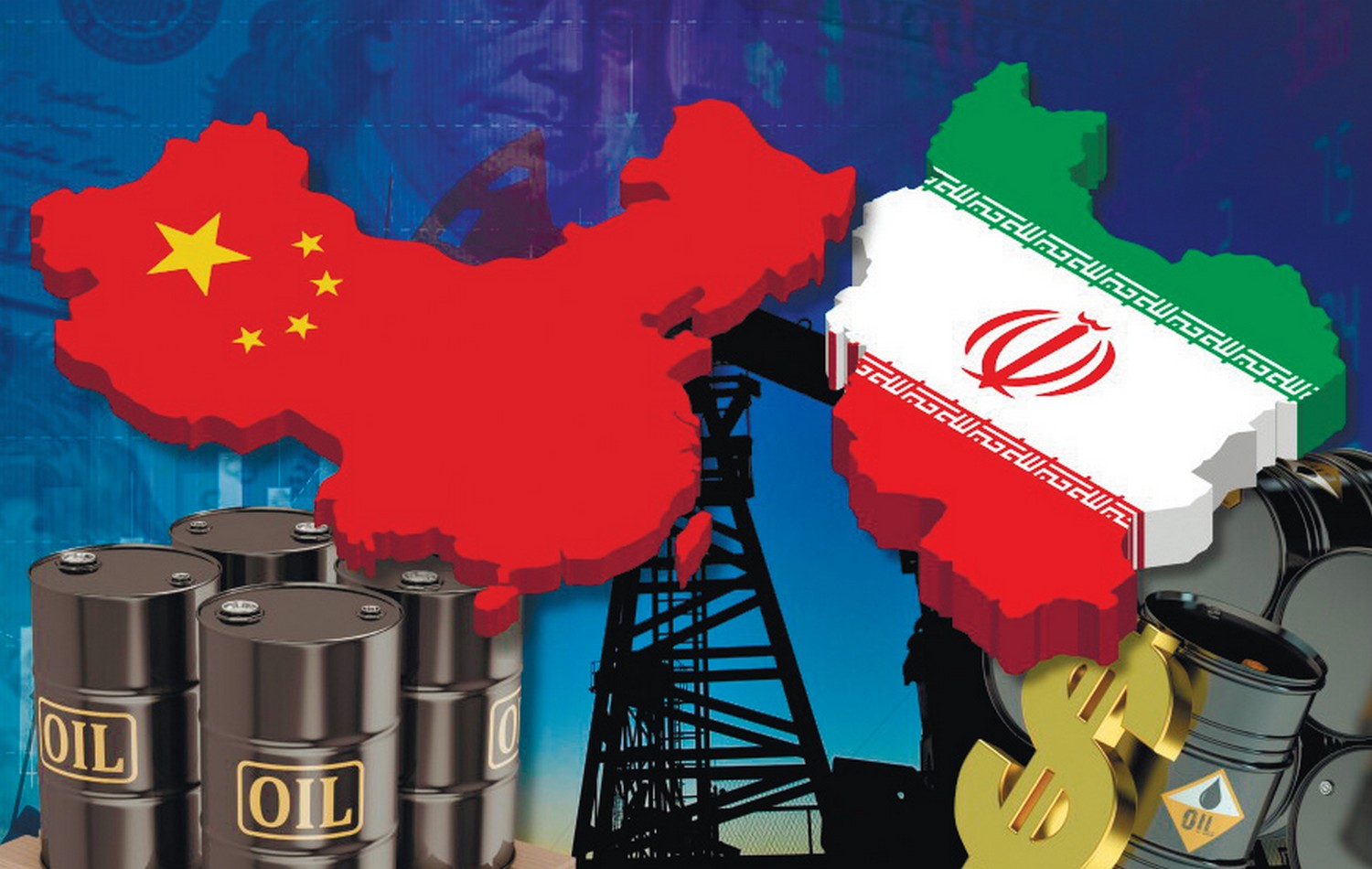
As is widely acknowledged, China continues to be the primary purchaser of Iranian oil, with a 2025 share of more than 80% of its seaborne exports. On average, Beijing imported approximately 1.38 million barrels of Iranian oil per day. By July 2026, supplies had fallen to 823,000 barrels per day, and in August to 534,000 barrels per day. Therefore, when compared with last year's average, exports have decreased by 61%, and when compared with peak levels in early 2026, by almost two-thirds.
This will result in a significant decline in Tehran's oil revenues. Furthermore, the revenues received from foreign currencies are lower than the nominal value of the oil supplied, since operating under sanctions necessitates the use of intermediaries and a shadow fleet, resulting in additional costs for transport, transshipment and insurance. Furthermore, a proportion of the funds received are subject to restrictions on their utilisation within the international market.
The new US campaign is aimed not only at Iran itself, but also at the entire sanctions-evasion infrastructure. The initial package comprised approximately 60 companies, individuals and vessels, including entities based in the UAE, Hong Kong, China, Singapore and European countries.
However, the success of this strategy will depend above all on China. Iran is a key source of relatively inexpensive oil for China, but the economic ties between the two countries are comparatively limited in scope when viewed in contrast to China's broader partnerships in the Persian Gulf region. In 2025, Chinese-Iranian trade amounted to $41 billion, whereas China's trade turnover with Saudi Arabia and the UAE separately reached $108 billion with each country.
This calculation forms the foundation of Washington's strategic approach. The US does not necessarily have to secure Beijing's official rejection of Iranian oil. It is sufficient to raise the risks gradually for companies involved in its purchase, transport and refining. Large Chinese state oil corporations already avoid direct operations with sanctioned oil, so a significant part of the trade goes through independent refineries, small trading entities and intermediaries.
However, this is also where the main limitation of the US strategy lies. Provided Iran is able to export between 500,000 and 700,000 barrels of oil per day, its foreign currency revenues will experience a sharp decline, but will not disappear entirely. In order to bring exports close to zero, Washington will need to move from pressure on small intermediaries to sanctions against larger Chinese banks, insurers, port and industrial entities. This could provoke retaliatory measures from Beijing and turn pressure on Iran into a new source of US-China confrontation.
The consequences of the campaign are not limited to China. The imposition of secondary sanctions will exert pressure on virtually all of Tehran's main trading partners. Restrictions may prove especially sensitive for neighbouring countries, since their relations with Iran include not only ordinary trade but also energy, transit and border ties.
The most vulnerable of these is Iraq, Iran's neighbour, which annually purchased Iranian natural gas worth $4-5 billion for electricity generation. Iran’s trade turnover with Türkiye in recent years has been around $5-6 billion, and for Ankara Iran also matters as an overland route to Central and South Asia. For Pakistan and Afghanistan, border trade is important; if sanctions are tightened, part of it will most likely not disappear but shift into cash payments, barter and informal schemes.
For the South Caucasus, the consequences will be smaller but still tangible. Armenia maintains a gas-for-electricity swap scheme with Iran and uses the Iranian route in foreign trade. For Azerbaijan, Iran matters in certain transport links with Nakhchivan. Therefore, tougher secondary sanctions increase risks for banks, carriers and companies in the region that deal with Iranian counterparties.
A special place is occupied by the UAE, which for a long time served as one of the main intermediaries in Iran’s foreign trade. Re-exports, payments and supplies of goods that Tehran cannot directly purchase on Western markets pass through the Emirates. Restricting this channel could seriously complicate Iran’s access to imports.
On the whole, for the Arab states of the Persian Gulf the problem is that they benefit from high oil prices but at the same time face restricted exports through the Strait of Hormuz and higher transport and insurance costs. Their interest therefore lies in ensuring that US pressure does not provoke further escalation around Hormuz.
When the world pays for conflict
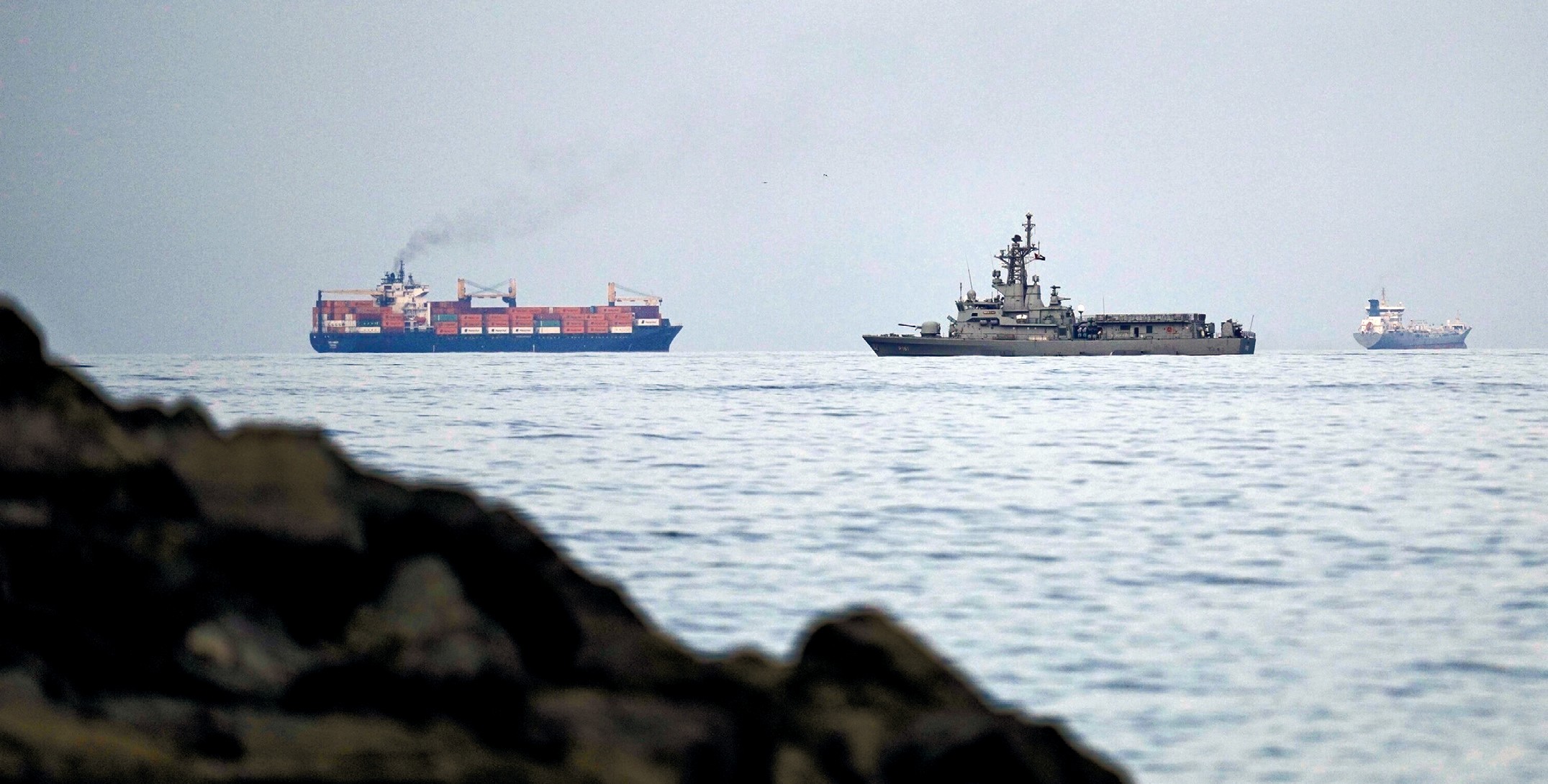
Energy remains the main channel through which the Iranian crisis affects the global economy. In the fourth quarter of 2025, about 21.6 million barrels of oil and petroleum products per day passed through the Strait of Hormuz. In the first quarter of 2026, the volume fell to 14.9 million, and in the second quarter to 4.9 million. Thus, over six months, the flow through one of the world’s most important energy routes fell by 77%. LNG supplies over the same period fell from 10.5 to 0.8 billion cubic feet per day.
Nevertheless, the global market has so far managed to avoid a full-scale energy crisis. Brent is currently trading at around $89 per barrel, while the average price since the start of the year is around $90, against almost $70 in 2025.
The market has adapted thanks to inventories, increased production outside the Persian Gulf and reduced demand. China proved especially important, importing 400 million barrels less oil this year than a year earlier. This partially offset the loss of Middle Eastern supplies.
However, it is too early to speak of normalisation. In August, Asian oil imports stood at 23.1 million barrels per day, against a pre-war level of 26.9 million. Only about 2.3 million barrels per day passed through Hormuz. India’s oil imports from the region halved to 1.45 million barrels.
To summarise, the market has not yet fully recovered from the initial shock; it has instead adapted to a significant decrease in Middle Eastern supplies.
For Washington, this creates a convenient window of opportunity. Provided Brent trades at $90 rather than $150-200 per barrel, the US will be able to increase pressure on Iran's oil revenues without the immediate risk of provoking a global energy crisis. The duration of this window is contingent on the market's capacity to compensate for lost supplies and Tehran's willingness to utilise the Strait of Hormuz as a means of exerting pressure.
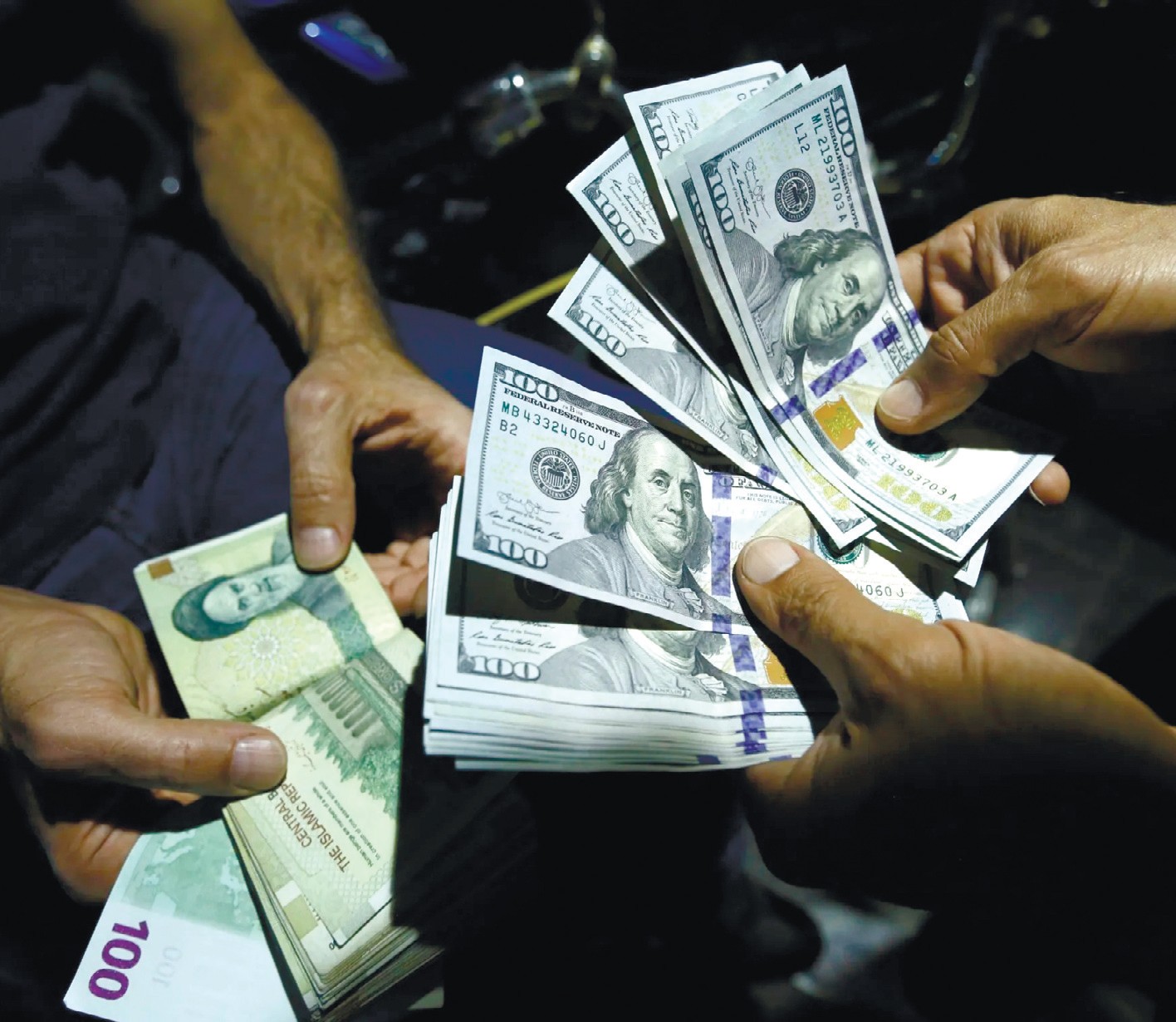
For Iran itself, the consequences of almost six months of war are becoming increasingly severe. For instance, if in March the dollar cost 1.53 million rials on the free market, by August 24-26 the exchange rate had exceeded 2 million. In a matter of months, the Iranian currency experienced a further devaluation of 25%.
Concurrently, inflation is accelerating. In spring, the International Monetary Fund projected its average level in 2026 at 68.9%. However, by August, estimates suggested that actual inflation had already exceeded 80%, while food price growth was reaching around 130%.
The outlook for the economy as a whole has also worsened. Following the outbreak of the war, the IMF revised its forecast for 2026, predicting a GDP contraction of 6.1%. The deterioration was 7.2 percentage points higher than expected.
Economic challenges are already evident in financial statistics and material shortages. Iran consumes approximately 135 million litres of petrol per day. However, the daily shortfall is estimated at 15 million litres, which represents more than 11% of demand. For one of the world's largest oil-producing states, this is particularly noteworthy.
Consequently, the new US pressure is being added to an economy that is already severely weakened by war, reduced oil exports, a falling national currency and disrupted foreign trade.
Economic war instead of a big war?
The new US strategy also has a domestic political rationale. Following nearly half a year of ongoing conflict, approximately 31% of American citizens are in favour of prolonging the war, while Donald Trump's approval rating has decreased to 33%. Rising fuel costs are also gradually becoming a domestic political factor.
In this context, the economic pressure allows Washington to continue weakening Iran with lower immediate military and political costs. Large-scale air operations require costly munitions, carry the risk of losses and deplete US weapons stockpiles needed simultaneously for commitments in Europe and the Indo-Pacific.
The current strategy therefore appears to be a transition to a new phase of confrontation. It appears that the US government has come to the realisation that military force alone will not suffice in dealing with Iran, and is now seeking to utilise the global financial and trading systems to create obstacles for Tehran.
However, economic weakening does not necessarily imply political capitulation.
If the US maintains the option of negotiations and compromise for Tehran, the deteriorating economic situation may indeed encourage Iran to reach an agreement. However, if US demands are perceived as de facto capitulation, the effect may be the opposite – further escalation and an attempt by Tehran to raise the cost of pressure through the Strait of Hormuz and other instruments.
The outcome of the Economic Pariah campaign will therefore be determined not only by the extent of the impact on the Iranian economy. The primary concern is whether they can convert economic pressure into political concessions before the repercussions of war and another shock to the global energy market are triggered.
RECOMMEND:
 43
43

