
MORE THAN THE SCO
Anniversary summit revealed the new geography of Eurasian diplomacy
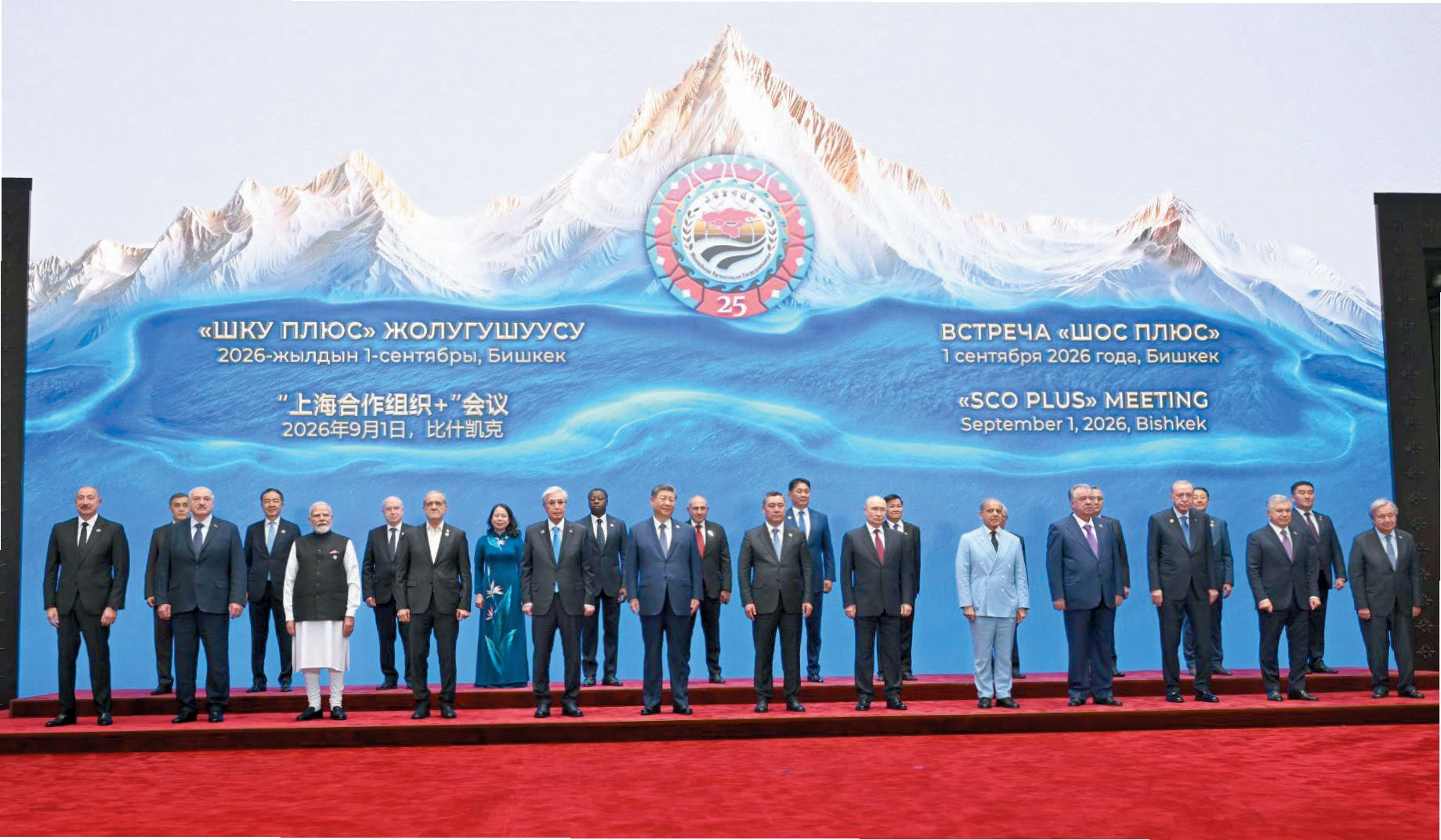
Author: Zaur HASANOV
For several days, Bishkek functioned as one of Eurasia's primary diplomatic hubs. The Shanghai Cooperation Organisation (SCO) summit saw leaders with divergent views on numerous issues convene, yet all sharing a commitment to stability, security and fostering connections across the extensive geographical expanse encompassing East Asia and the South Caucasus. While the summit's official agenda focused on the SCO's future and its role in a changing world, equally important diplomacy was taking place beyond the 'round table'.
In addition, discussions were held on the margins of the meeting that could have implications extending well beyond the organisation itself. Vladimir Putin met Xi Jinping, Narendra Modi and Nikol Pashinyan; the leaders of India and Iran discussed their bilateral agenda; and the President of Azerbaijan, Ilham Aliyev, held a series of meetings with the heads of states participating in the summit. Bishkek thus became a venue for collective dialogue as well as a kind of diplomatic crossroads, where the interests of Russia, China, India, Iran, the countries of Central Asia, the South Caucasus and Türkiye intersected.
The 'SCO Plus' format is of particular interest, taking the summit beyond the organisation itself and demonstrating how wide the circle of states interested in dialogue with it has become. Azerbaijan is part of this broader space. The current gathering was therefore not just a discussion about the SCO's future, but also an opportunity to discern the outlines of a new political geography taking shape across Eurasia.
25 years: from a regional mechanism to a Eurasian platform
The Bishkek summit was both an anniversary event and a landmark for the SCO. In 2026, the organisation celebrated 25 years since its establishment. Over the past 25 years, the organisation, established as a means of enhancing trust and security in Central Asia, has undergone substantial growth in terms of its membership and the range of its activities. The SCO now comprises 10 states: Belarus, India, Iran, Kazakhstan, China, Kyrgyzstan, Pakistan, Russia, Tajikistan and Uzbekistan. The population of more than 3.4 billion people is distributed across approximately 36 million square kilometres of territory, representing over 40 per cent of the world's population. The organisation's members account for approximately 25% of the global economy and more than 15% of world trade. In addition to its ten member states, the SCO includes two observers and 15 dialogue partners, among them Azerbaijan.
The anniversary summit provided a meaningful opportunity to reflect on the SCO's first 25 years and set out its future direction. The primary political document was the Bishkek Declaration, which commemorated the 25th anniversary and saw the states reaffirm their commitment to the principles of the UN Charter and the SCO's fundamental principles, including respect for sovereignty and territorial integrity, non-interference in internal affairs and the non-use of force. At the same time, the participants once again emphasised that the SCO is not a military-political bloc and is not directed against other states or international organisations. The declaration reflected a commitment to strengthening multilateral cooperation and shaping a more representative and just world order, with the UN playing a central role.
Following the meeting, approximately 30 documents were adopted. Their content demonstrates the far-reaching nature of the SCO's agenda. Alongside traditional security issues, the heads of state agreed to establish a Universal Centre for Countering Security Challenges and Threats, strengthen the Anti-Drug Centre and launch new programmes to combat drug addiction and the spread of synthetic drugs through 2030. Other documents addressed international information security, artificial intelligence, the development of ports and logistics centres between 2026 and 2030, energy, climate and biodiversity. In other words, cooperation is no longer concerned solely with security in its traditional sense, but also encompasses its digital, technological, energy and transport dimensions.
Another symbolic outcome of the meeting was the transfer of the chairmanship from Kyrgyzstan to Pakistan, which is to continue work on implementing the agreements reached. Lahore was also declared the SCO’s tourism and cultural capital for 2026–2027.
Behind the outward diversity of the decisions, one central fact can be seen: the SCO is entering a new phase. Created in 2001 by six states, the organisation has grown into one of Eurasia’s largest multilateral platforms. Its present scale explains why interest in its work is growing beyond its formal membership. This is precisely why one of the most important elements of the current summit was not only the discussion within the organisation but also the expanded ‘SCO Plus’ format.
The SCO goes beyond its borders
The 'SCO Plus' format reflects the organisation's next stage of development. A growing number of countries, not affiliated with the SCO, are interested in direct political dialogue with its members. In Bishkek, the format brought together heads of state and representatives of international organisations, turning the anniversary summit into a broader platform for communication.
The distinctive feature of 'SCO Plus' is that the rigid dividing line between the organisation's members and states outside it disappears. The expanded format brings together representatives of different political and geographical spaces, ranging from the South Caucasus and the Middle East to Southeast Asia. Azerbaijan was among the invited countries, with President Ilham Aliyev representing the nation at the event in Bishkek. Baku has previously participated in 'SCO Plus' meetings in Astana in 2024 and Tianjin in 2025, and the current summit confirms Azerbaijan's sustained interest in this format.
In essence, 'SCO Plus' is becoming a space for discussing issues that extend well beyond the organisation's original agenda. Security and countering transnational threats are discussed alongside transport connectivity, trade, energy, digital technologies and humanitarian cooperation. The format's independent political significance is key here; it allows the SCO to engage with a wider circle of states while maintaining its inclusive nature.
For Azerbaijan, the platform is of particular importance. Baku is strategically located at the intersection of several regional directions, including the South Caucasus, Central Asia, the Caspian and the wider Eurasian space. 'SCO Plus' allows Azerbaijan to participate in dialogue with Eurasia's largest powers while developing ties with states that have their own interests in the region. In this sense, the Bishkek summit is significant not only because of what takes place within the SCO, but also because of what happens around it.
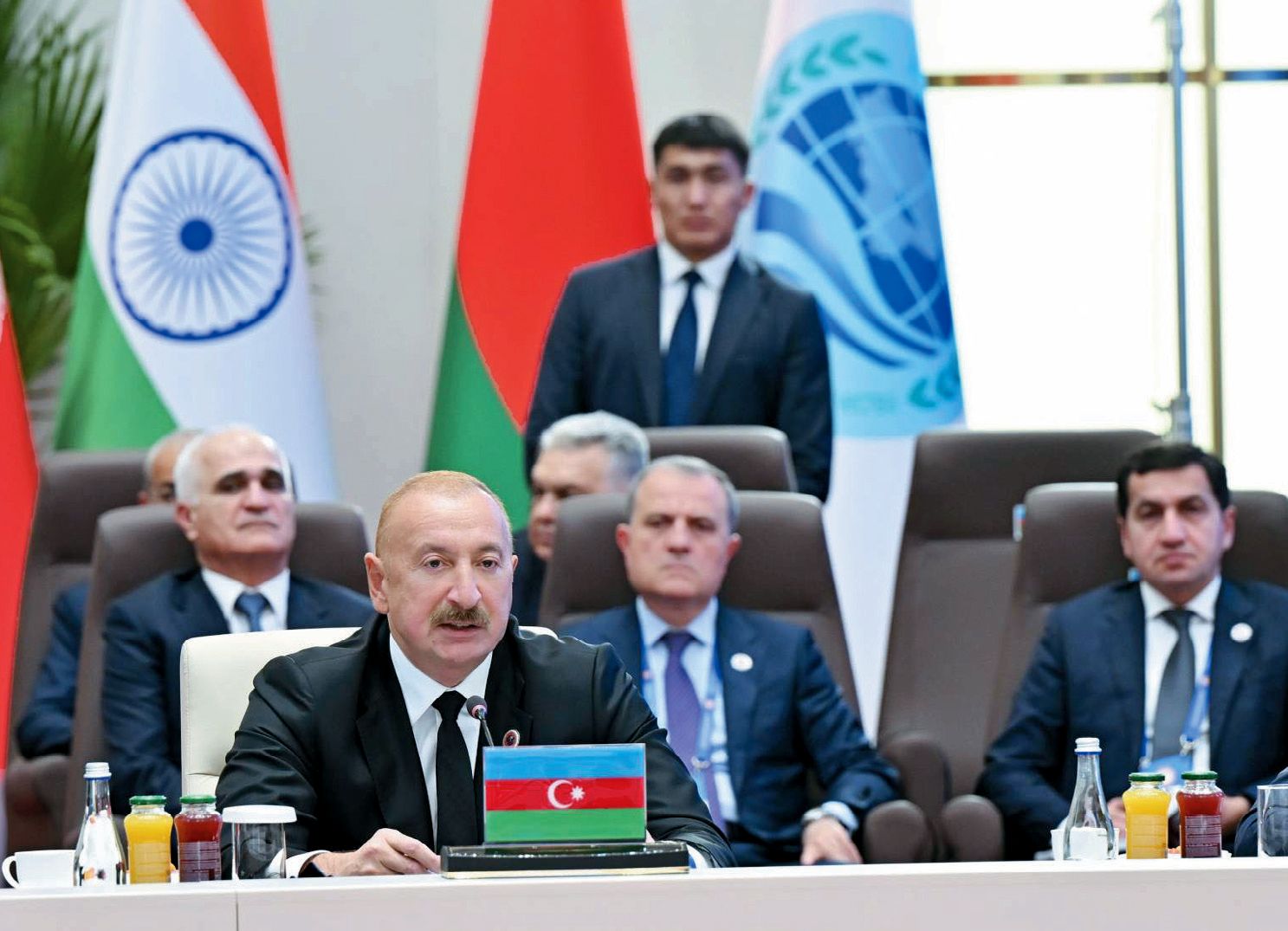
In his address to the ‘SCO Plus’ meeting, the President of Azerbaijan highlighted the end of the conflict between Azerbaijan and Armenia, which had lasted for more than 30 years, and the transformation of the South Caucasus into a zone of peace:
“Four UN Security Council resolutions adopted in 1993 were implemented three years ago, after 30 years. Azerbaijan is already supplying petroleum products to Armenia and facilitating the transit of goods from third countries. Together with Armenia, we are working to increase the volume of bilateral trade, broaden its range and establish new overland transport links.”
At the same time, the head of state criticised the UN’s passivity, noting that it had played no meaningful role in implementing its own resolutions:
“Azerbaijan restored its sovereignty and territorial integrity entirely on its own. The implementation of UN Security Council resolutions within a short timeframe requires the development of appropriate mechanisms. If this is achieved, it will help strengthen the authority of the UN and the organisation’s role in resolving conflicts. Azerbaijan, which until recently chaired the Non-Aligned Movement for four years, will continue contributing to the strengthening of the principles of multilateralism in international affairs,” Ilham Aliyev concluded.
Sideline diplomacy
The SCO has an official agenda. However, it should be noted that every major summit also has another one: diplomacy on the sidelines. In Bishkek, the programme proved to be as intensive as the organisation's own sessions. The leaders used the platform to discuss issues extending far beyond the SCO, including Russian-Chinese strategic cooperation, Moscow's relations with New Delhi, the situation in the Middle East, the war in Ukraine and new political realities in the South Caucasus.
One of the main international themes that was discussed was the matter of Vladimir Putin's contact with Xi Jinping and Narendra Modi. The meeting between Putin and Xi was a key point of interest. This was the second in-person meeting between the leaders since the start of the year. Their conversation demonstrated that Moscow and Beijing are committed to maintaining a high level of strategic cooperation. The issues discussed included bilateral relations, trade and economic ties, and the possibility of introducing a permanent visa-free regime between Russia and China.
Putin's meeting with Modi was of equal significance. Russia and India continue to be key partners in non-Western international cooperation, and their dialogue on the SCO platform facilitates the exchange of perspectives on a wide range of international and bilateral matters. The Russian president's meeting with Masoud Pezeshkian was also of great significance. In the context of ongoing tensions surrounding Iran and the situation in the Middle East, regional security was undoubtedly a central topic of discussion. In his dialogue with Recep Tayyip Erdogan, Putin discussed developments in the Black Sea region, the war in Ukraine and bilateral relations. The Turkish President has proposed new initiatives and proposals from Ankara on resolving the situation around Ukraine and resuming peace dialogue.
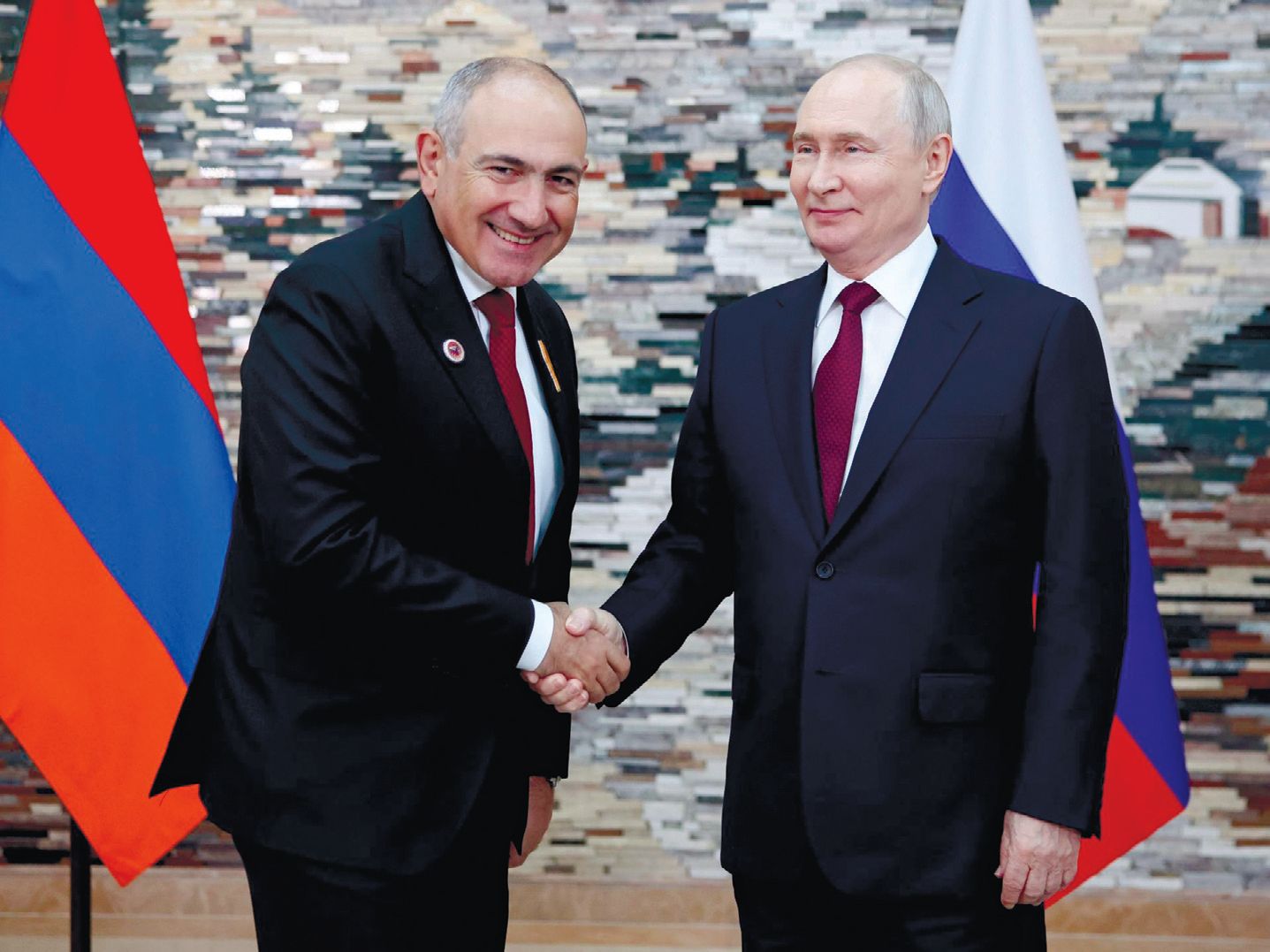
In light of the current stage of Russian-Armenian relations, Putin's meeting with Nikol Pashinyan was of significant importance. The talks focused in detail on Armenia’s foreign-policy course against the backdrop of its plans to apply for membership of the European Union, as well as on accumulated problems and mutual grievances.
Putin acknowledged Armenia’s legitimate right to join the European Union but noted that this “creates difficulties” because of the country’s membership of the Eurasian Economic Union. Putin again urged Yerevan to make a swift decision about its foreign-policy plans.
Pashinyan, for his part, said that Yerevan had not notified the Eurasian Economic Union of its intention to leave, adding that the organisation’s rules contained no mechanism for expelling its members:
“The situation should be viewed from this starting point. It is important for us that our country has alternatives. This is our legitimate right. But that does not mean we are dissatisfied with the Eurasian Economic Union, although there are problems there,” Pashinyan said.
Other participants were also pursuing their own agendas. Modi’s meeting with Pezeshkian attracted attention, while the leaders of the Central Asian states used Bishkek for bilateral talks and to compare positions on regional issues.
Azerbaijan at the crossroads
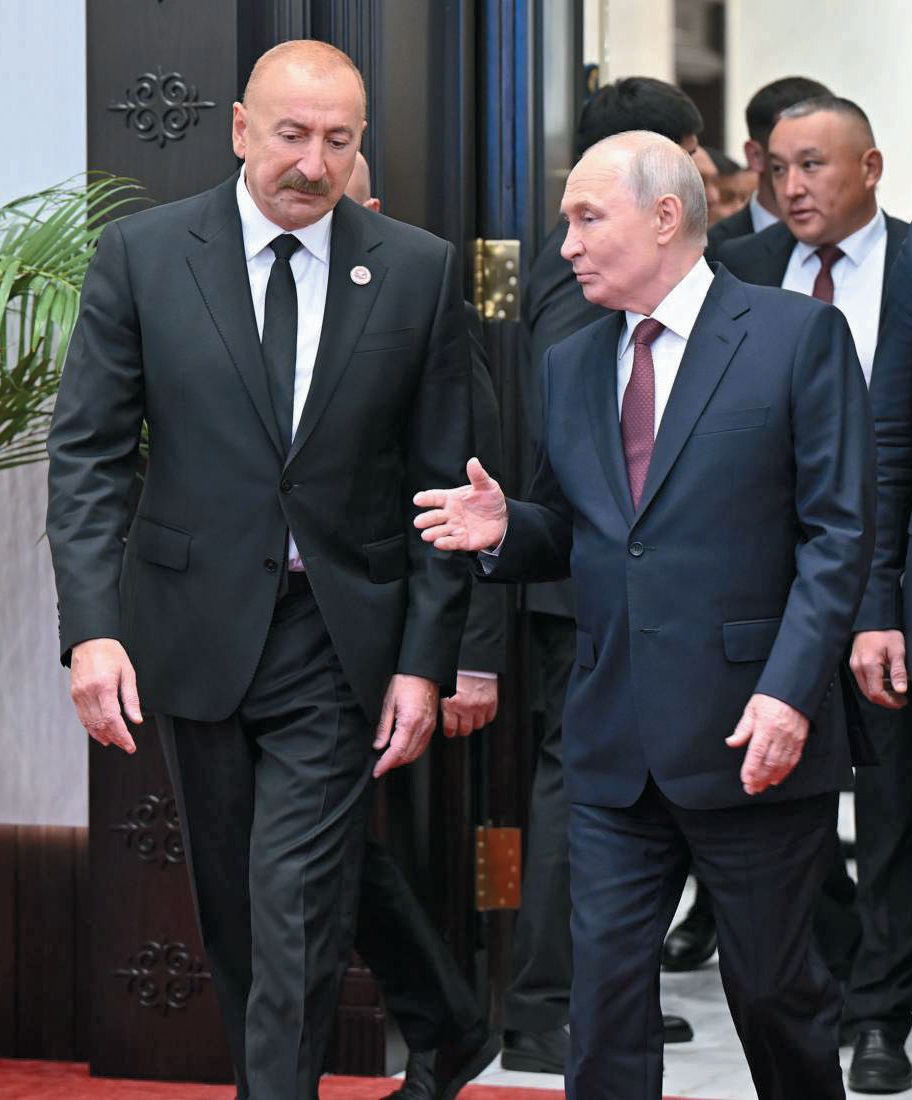
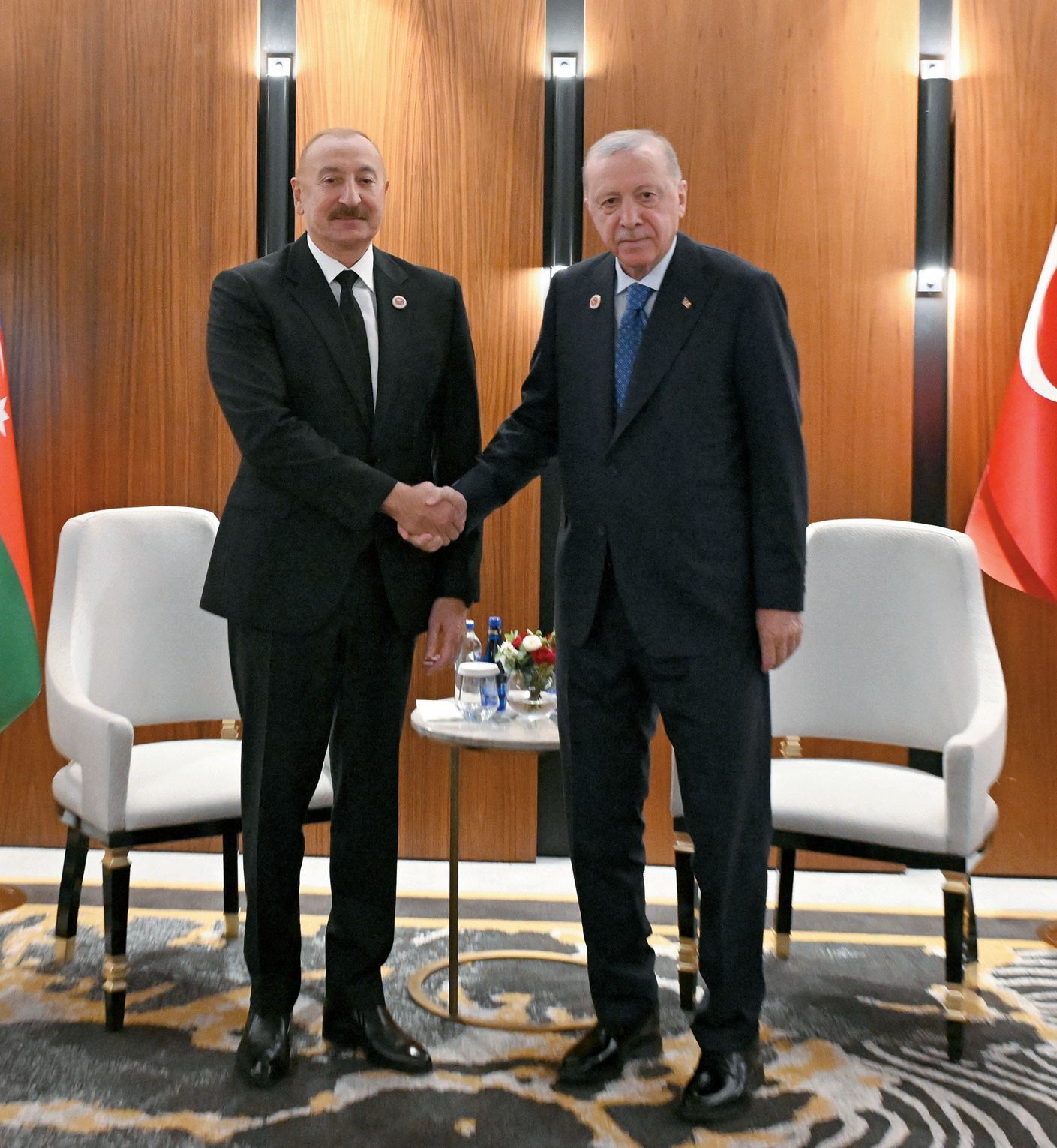
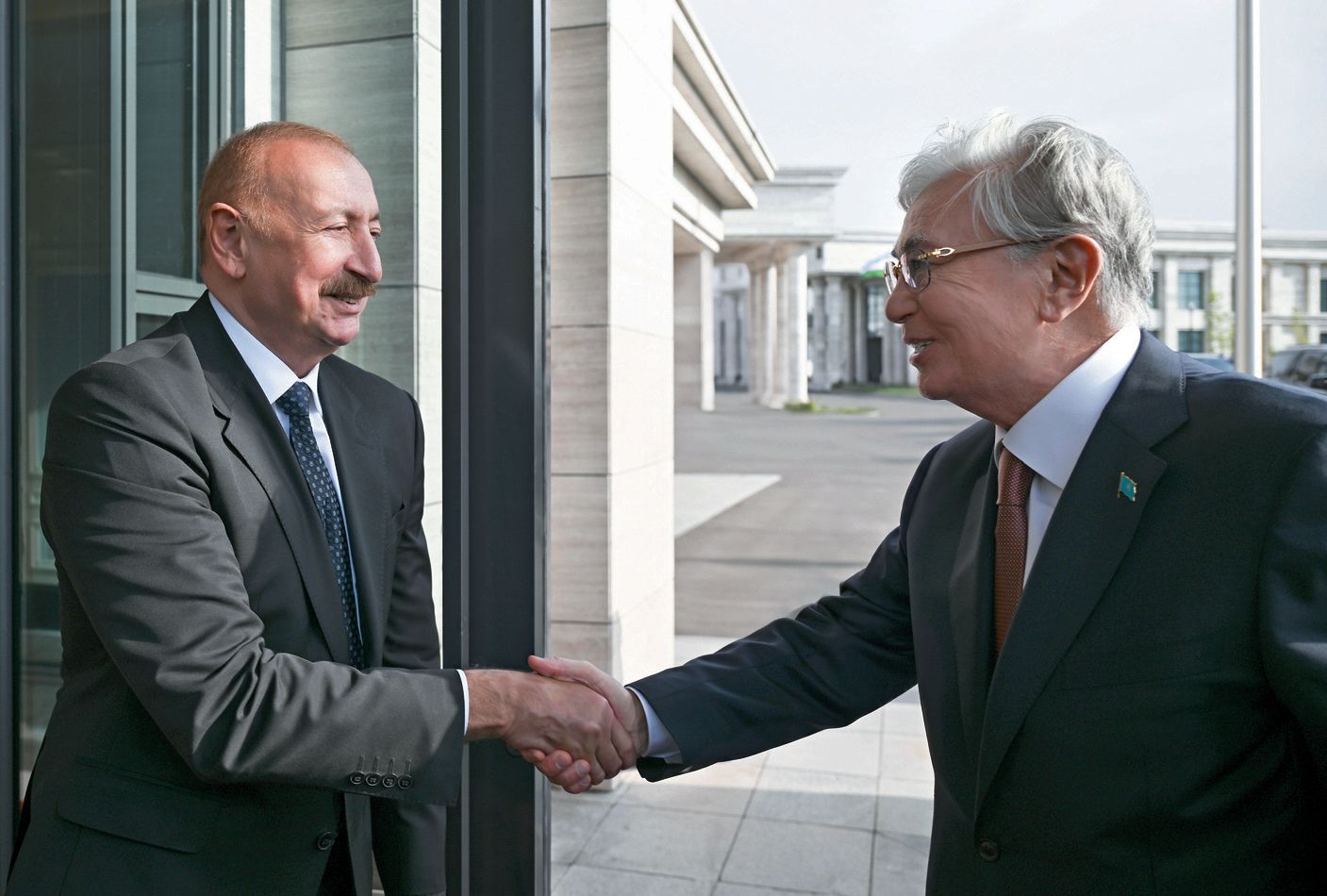
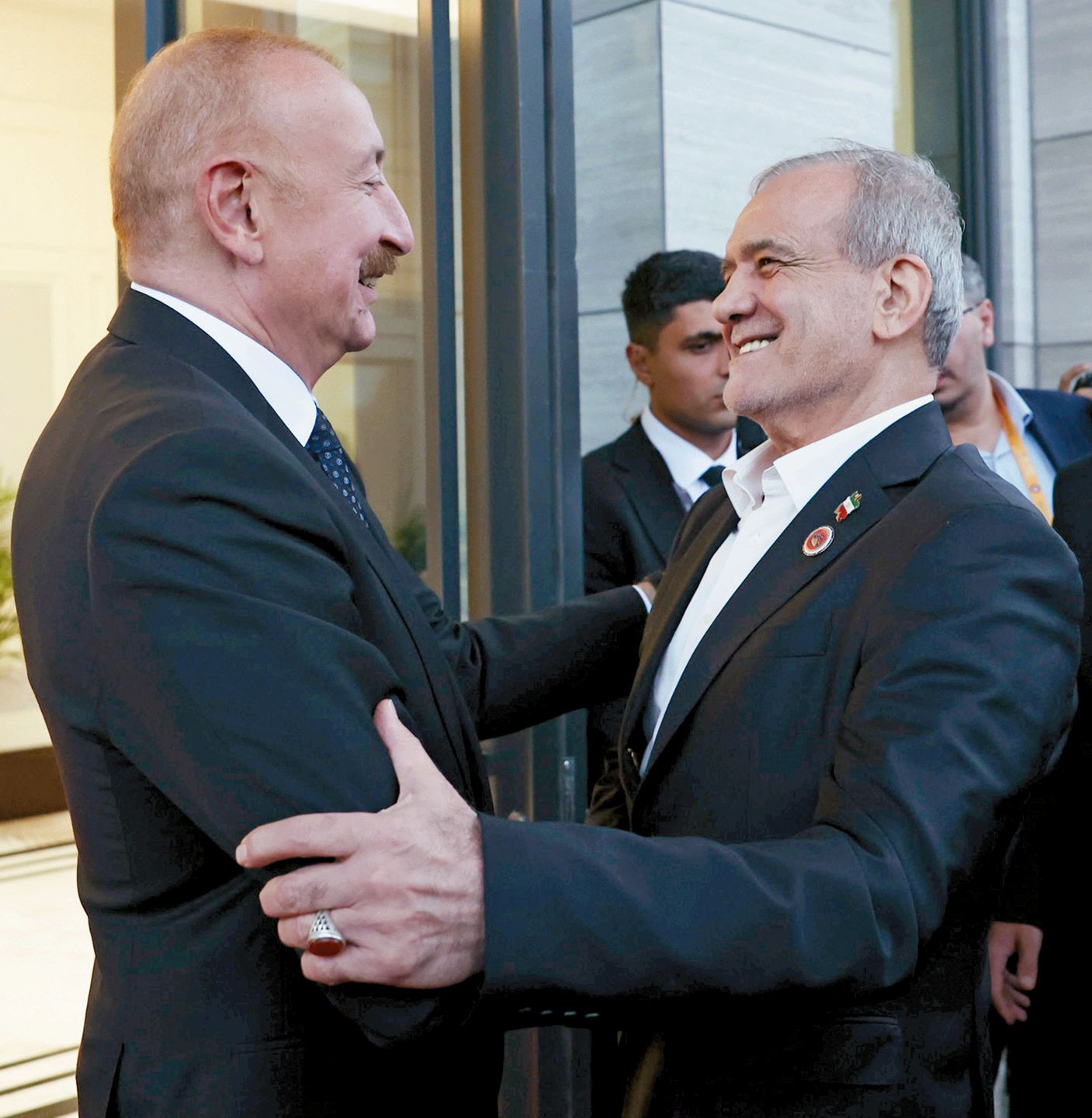
For Azerbaijan, the Bishkek forum was an opportunity to address one of Eurasia's largest platforms and to engage in substantive bilateral contacts. Ilham Aliyev's schedule on the sidelines of the summit was full to capacity. He met with the Armenian Prime Minister, Nikol Pashinyan; the presidents of Kazakhstan, Kassym-Jomart Tokayev, Iran, Masoud Pezeshkian, and Türkiye, Recep Tayyip Erdogan; the Indian Prime Minister, Narendra Modi; and briefly exchanged views with the Russian leader, Vladimir Putin.
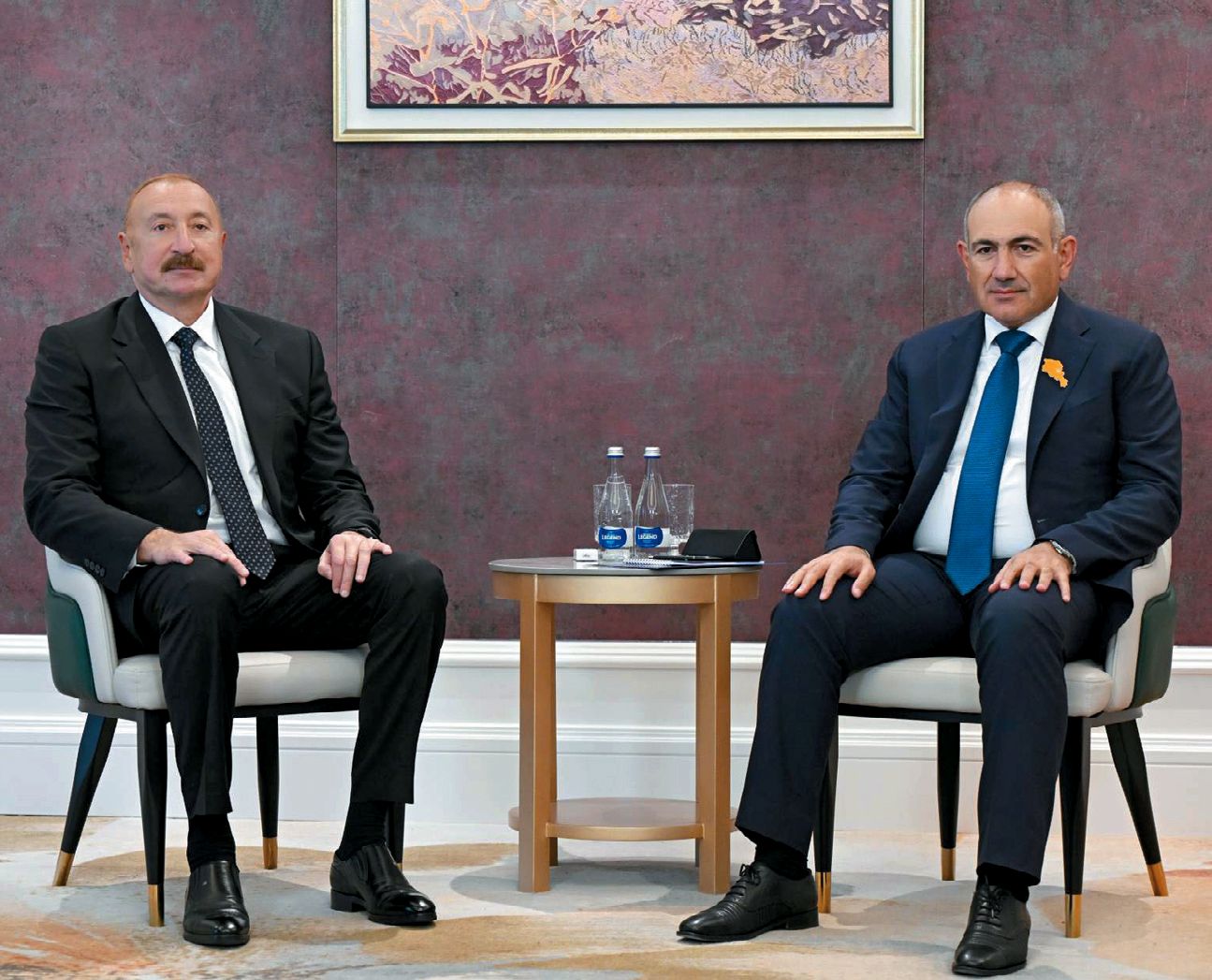
In discussions with Nikol Pashinyan, the focus was on the implementation of the agreements reached during the peace process and on the practical manifestation of the "dividends of peace". These included the export of Azerbaijani petroleum products to Armenia, the transit through Azerbaijan of grain and other goods from third countries, and the development of trade ties between the two countries.
The meeting between Kassym-Jomart Tokayev and his Kazakh counterpart continued the intensive political dialogue between the two countries. The contacts established between Baku and Astana now extend well beyond bilateral relations, and are linked to the broader agenda of cooperation among the states of the Caspian region, Central Asia and the South Caucasus. Ilham Aliyev congratulated his counterpart on the successful holding of the first elections to Kazakhstan's new parliament, the Kurultai, noting that this represented another demonstration of the Kazakh people's support for the large-scale reforms being carried out in the country.
The talks with Masoud Pezeshkian and Recep Tayyip Erdogan were of equal importance. Iran remains one of Azerbaijan's key neighbours, and relations between the two countries have taken on an increasingly practical character in recent years. Pezeshkian drew attention to the significant potential for fostering positive relations between the two countries, emphasising Iran's commitment to strengthening ties with Azerbaijan across various sectors.
The meeting with the President of Türkiye provided another confirmation of the close political cooperation between the two allied states. Following the meeting, Erdogan’s office issued a statement saying that Türkiye would continue to support a peaceful settlement between Baku and Yerevan:
“We will continue contributing to the establishment of peace between Azerbaijan and Armenia. The peace achieved will become a source of vitality for our region,” President Erdogan stressed.
The first-ever meeting between Aliyev and Modi in Bishkek attracted observers’ attention because Baku and New Delhi had previously experienced certain diplomatic disagreements on international platforms. Their personal communication in Bishkek could become an important step towards discussing bilateral relations directly.
Taken together, these contacts clearly demonstrate the distinctive nature of Azerbaijan’s current foreign-policy position. Within a single diplomatic space, Baku is maintaining direct dialogue with Armenia, developing strategic cooperation with Türkiye, strengthening ties with Kazakhstan, and building relations with Iran, India and Russia. This is why Aliyev’s participation in the Bishkek summit should not be viewed as an isolated episode but as part of Azerbaijan’s broader diplomatic activity at the intersection of the South Caucasus, Central Asia and the Eurasian space.
The Bishkek summit shows that the SCO is becoming an increasingly prominent platform for Eurasian diplomacy, bringing together different political and geographical spaces. The ‘SCO Plus’ format and the intensive diplomacy on the sidelines only served to reinforce this effect.
RECOMMEND:
 100
100