

NEW START
On large-scale reforms, digitalisation and staffing changes, their effect on the future of Azerbaijan’s education system

Author: Sabira ALAKBAR
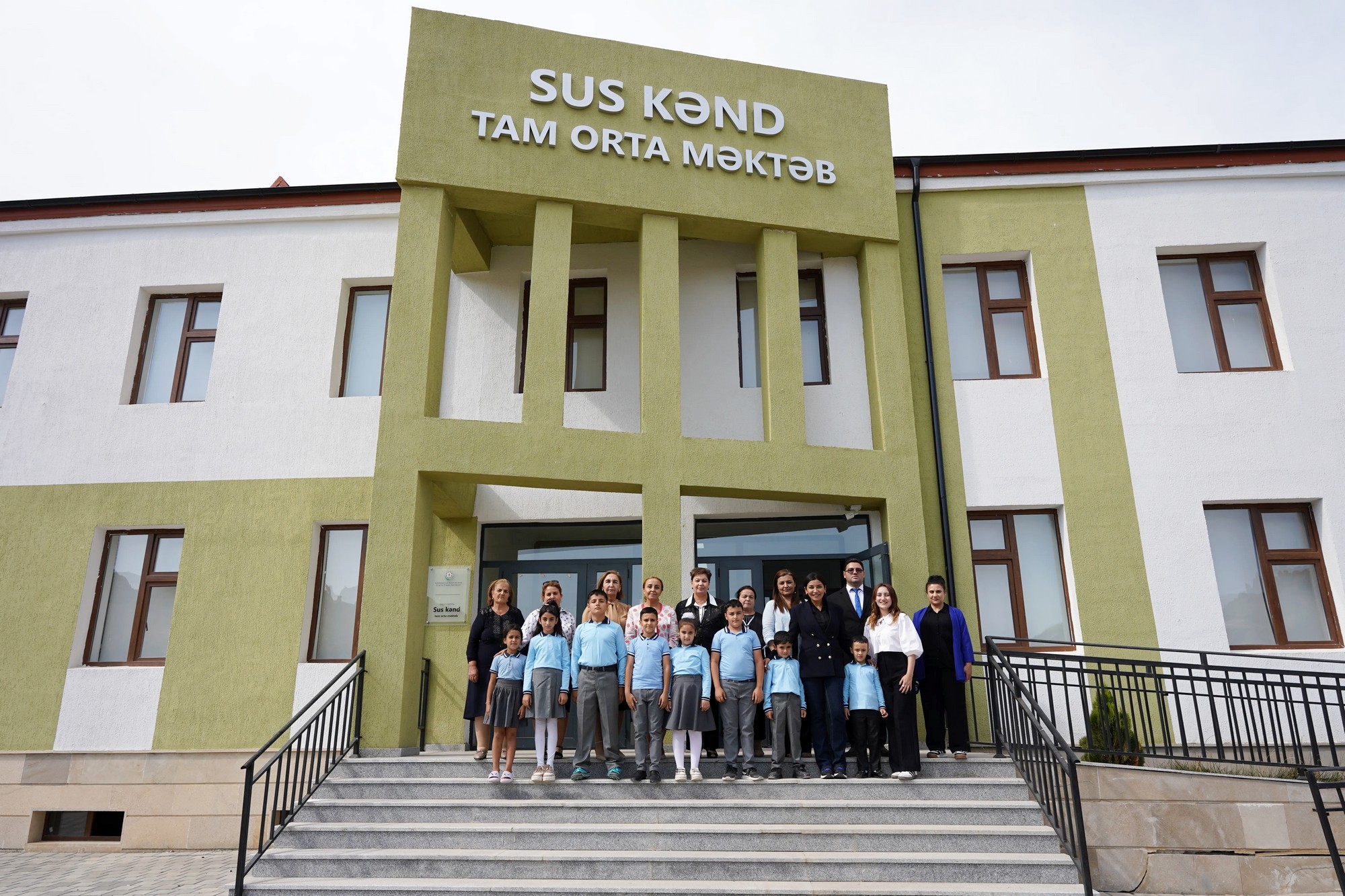
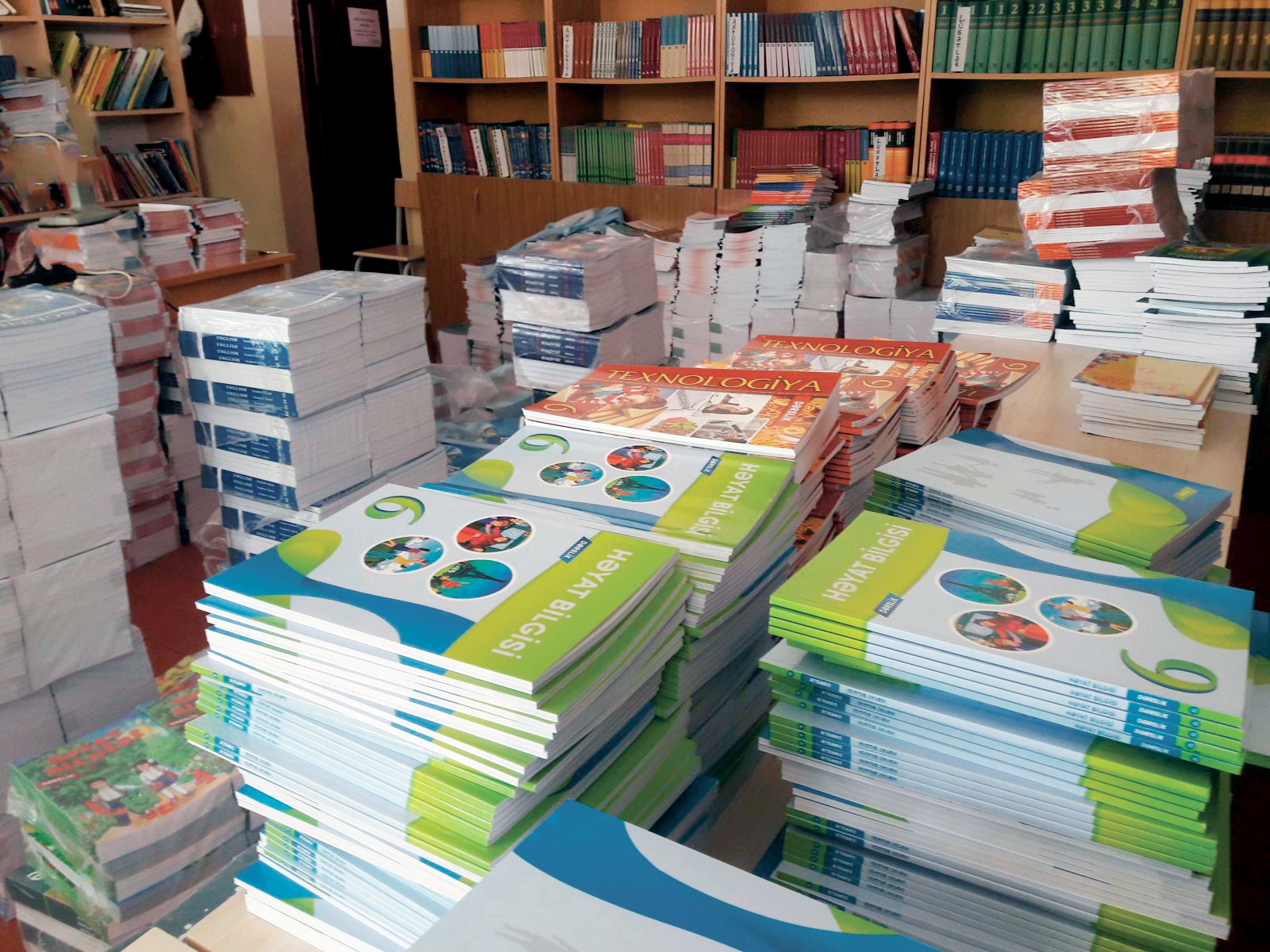
The traditional press conference held by Azerbaijan's Minister of Science and Education, Emin Amrullayev, ahead of the start of the academic year covered key issues relating to the development of the national education system. These included large-scale digital innovations, staffing reforms and a rigorous analysis of systemic problems. He also reported that a further 11 new pre-school and four general education institutions have opened their doors in the liberated territories. In preparation for the new academic year, the ministry has distributed over 7 million textbooks to schools.
Two in one
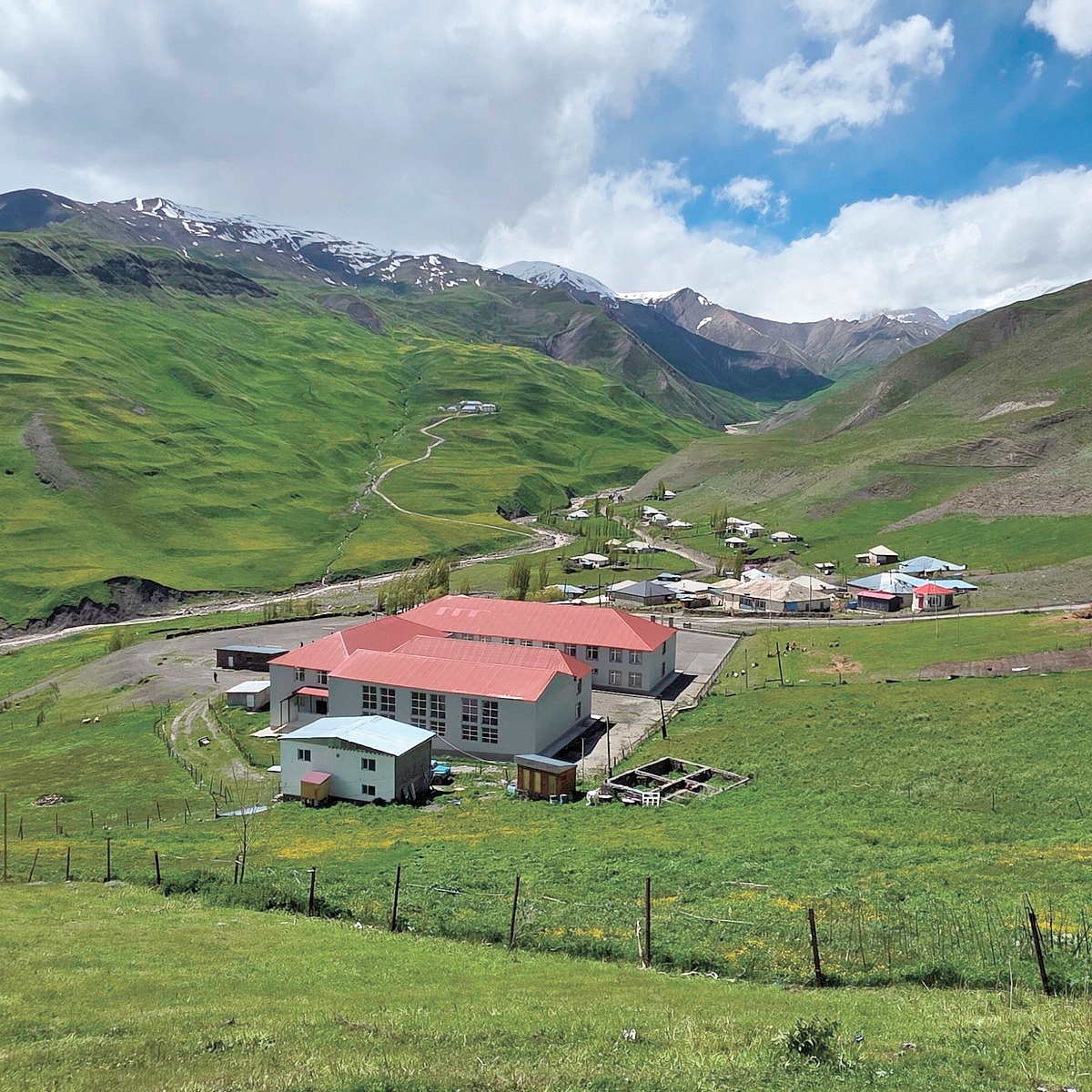
One of the most pressing topics of discussion was the situation in the regions, where the minister highlighted an imbalance between funding and the quality of education. In rural schools with small pupil numbers, budgetary expenditure per child reaches 24,000 manats, which significantly exceeds the figures for the capital. However, academic standards in these schools remain low, and the Ministry is therefore considering the possible closure of under-enrolled schools. The minister provided commentary on class sizes on a national scale, noting that out of approximately 80,000 classes, only around 600 have more than 40 pupils, accounting for less than one per cent of the total. The logistical challenges of a large school network, including the organisation of school bus services and timetable optimisation, are being closely monitored. At the same time, the logistical challenges of a large school network require a comprehensive approach. As the Minister emphasised, the organisation of school bus transport must be considered in conjunction with general urban and rural public transport. This is because any potential changes to timetables to facilitate the transport of children is a complex issue requiring a thorough analysis of the results of ongoing monitoring.
Staff are key
A significant number of changes have affected the content of the educational process and staffing policy. From this academic year onwards, the number of weekly lessons in the subject 'Azerbaijani as the State Language' is being increased in classes taught in other languages. Concurrently, the ministry is undertaking a comprehensive review of its teacher training strategy. This year, the number of places available for admission to teacher training programmes has been significantly reduced, from 11,000 to 7,540. This represents a reduction of 3,690 places compared with the 2022–2023 period. As the minister outlined, this measure aims to raise the pass marks and enhance the profession's competitiveness, particularly for students who previously enrolled with low marks but subsequently failed to meet the minimum threshold in the teacher recruitment exams (MİQ). Simultaneously, endeavours to enhance professional standards among existing personnel persist. As part of the second phase of teacher certification, a novel assessment framework is being initiated, with a particular emphasis on reading and comprehension skills in primary schools. To date, more than 104,000 teachers have already been certified, of whom 73,000 have received salary supplements, and there are plans to reward a further 17,500 education workers in the near future. Furthermore, the Ministry has announced that new requirements regarding teachers' appearance will soon be introduced, emphasising the importance of adhering to professional ethical standards without imposing a single, monotonous uniform.
Digital platform
Digitalisation and the introduction of cutting-edge technologies are permeating all levels of the educational infrastructure. The 'Digital School' online platform, which has proven successful in Baku, is expanding its geographical reach. It is being rolled out in four more major cities – Ganja, Sumgait, Nakhchivan, Mingachevir, as well as the Absheron district – covering around 550 schools and over 900,000 users. It is estimated that more than 44,000 school pupils have already been granted official access to cutting-edge artificial intelligence tools such as Microsoft Copilot, Google Gemini and NotebookLM. In the coming year, the range of such technological initiatives and the requirements for teachers' AI literacy will continue to grow.
Vocational education
Significant reforms are also underway in the field of vocational education. Student intake has doubled in recent years, with female students now accounting for 39 per cent of the student body. Plans up to 2030 include the construction of a further 21 new vocational education institutions and the major refurbishment of existing facilities. This academic year will see the launch of four new specialisms – 'greenhouse operator', 'procurement management', 'surveying' and 'cartography' – as well as food processing technologies, designed to meet the real needs of the agricultural sector, industry and logistics. In response to queries from the press, Emin Amrullaev addressed concerns regarding a potential transition to a twelve-year school system, characterising the notion as non-pertinent. However, he acknowledged the possibility of a targeted evaluation of the duration of study at the initial stage of higher education for specific practical specialisms, with consideration for the Bologna Process. The press conference concluded with a clear signal that the Azerbaijani education system is moving towards an uncompromising focus on quality, technological flexibility and tailored support for every child.
It is therefore accurate to state that the Azerbaijani education system is currently firmly on course for significant modernisation and a technological breakthrough. However, behind the ambitious plans and impressive figures, there are issues that require a highly careful and considered approach. Education experts agree that the drive to optimise expenditure and close under-enrolled rural schools in order to improve the quality of education is logical from an economic perspective. However, in practice, it inevitably comes up against the plight of children from remote villages, for whom the daily journey to education must not become an insurmountable ordeal, particularly given the as yet unresolved issue of school bus routes.
The decision to reduce the number of places on teacher training courses and raise the standards for prospective teachers is a measure that is entirely justified in order to rid the system of unqualified staff. However, it presents the ministry with the challenge of preventing a shortage of teachers in the regions during this transitional phase. The introduction of digital platforms and the integration of artificial intelligence tools present significant opportunities, however, substantial methodological support at a local level is required to ensure that technology does not become a mere formality and that the live teacher remains the primary mentor.
The effectiveness of all the announced reforms will only be evident when the main priority of genuine well-being, mental health and equal opportunities for every child, regardless of whether they attend a grammar school in the capital or a regional school, is clearly visible behind the dry lines of reports and technological innovations.
RECOMMEND:
 32
32

