

OIL TURNAROUND
Agreement with Venezuela reshapes the energy landscape
Author: Natig NAZIMOGHLU
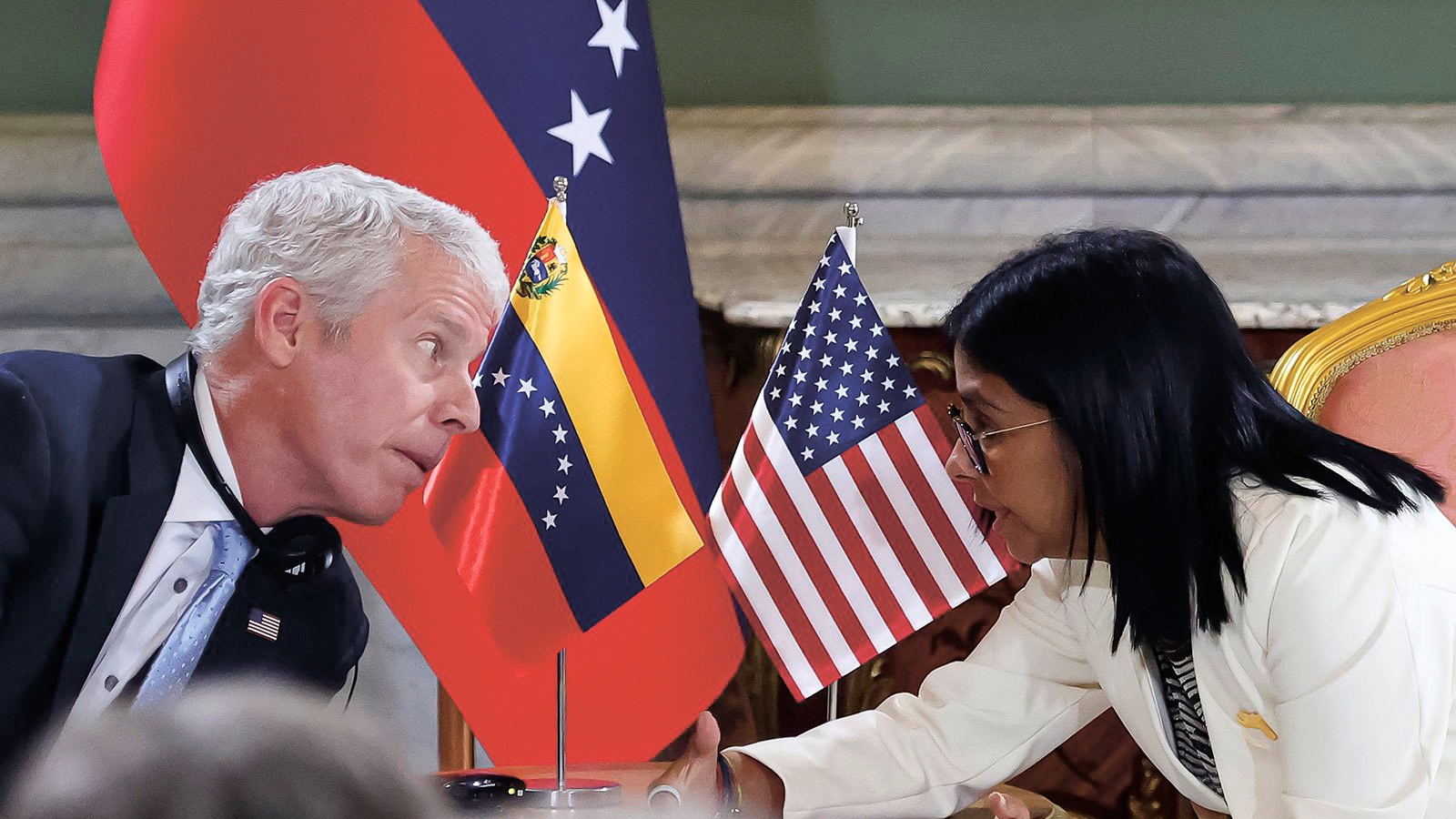
The US and Venezuela have signed an agreement that has caused quite a stir on the international stage. Essentially, this represents a continuation of the narrative initiated in January, following the United States' actions in seizing Venezuelan President Nicolás Maduro. The situation in Venezuela is evolving in a manner that is intended to align the country with the strategic interests of the US. It is important to note that this is not only a matter for the American continent, given that the agreement between Washington and Caracas undermines the global energy positions of China and Russia.
The ‘historic agreement’ and Rodríguez’s criticism
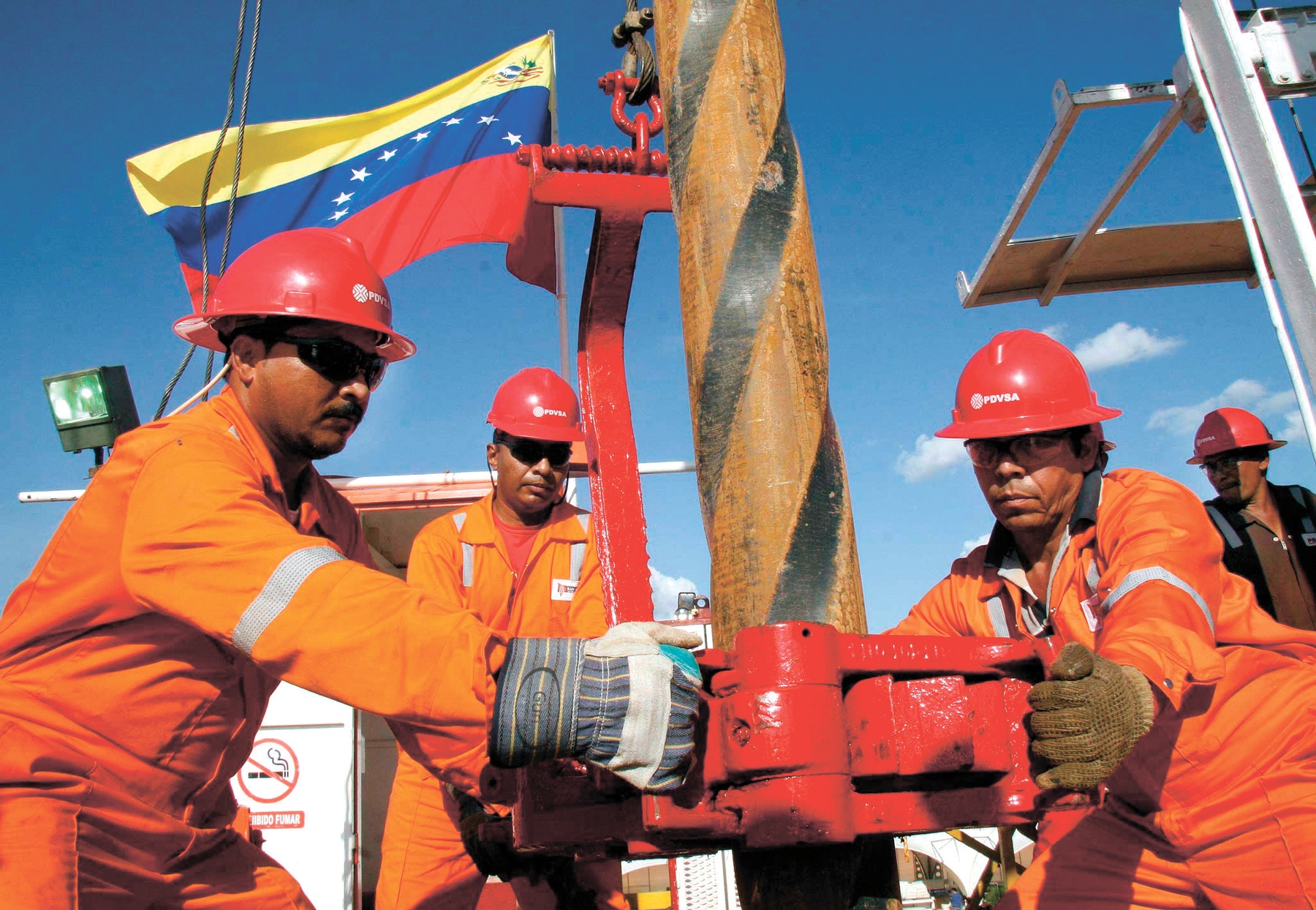
In accordance with the agreement, the US, through its subsidiary North American Blue Energy Partners (NABEP), is acquiring a 100-year concession for 17 Venezuelan oil fields. The total oil reserves of the country are estimated to be 65 billion barrels, which is approximately one-fifth of the total oil resources.
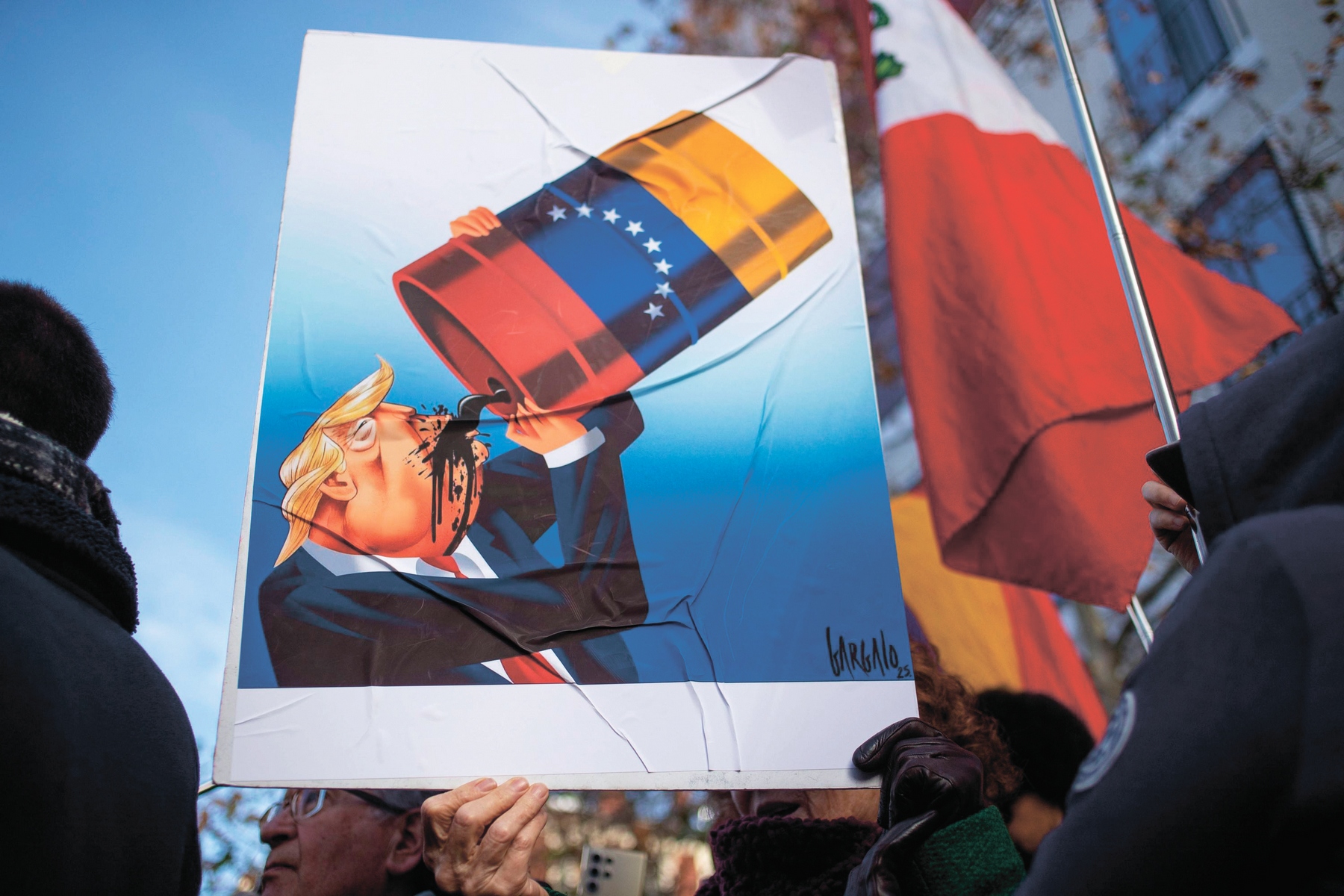
In the aftermath of Nicolás Maduro's removal by US special forces, US President Donald Trump has repeatedly emphasised that his administration's primary objective is to assert control over the oil reserves of this Latin American nation. This plan was formalised in the form of an agreement, which Trump – who has achieved a number of major international deals – described as 'the biggest oil deal in world history'.
For her part, Venezuela's interim president, Delcy Rodríguez, described the agreement as "a historic one which will bring the country $100 billion in investment and more than $200 billion in tax revenue". However, this assessment is not universally shared by Venezuelan politicians. Notably, María Corina Machado, a prominent figure in the pro-American movement, has raised concerns about the legality of the oil deal. She argued that 'the country's resources belong to the Venezuelan people, not to the Rodríguez regime'.
The Venezuelan opposition has openly expressed its discontent with the agreement, as it could potentially lead to increased cooperation between Trump, Rodríguez, and the current Maduro regime, which was established under the leadership of Hugo Chávez, the founder of the Bolivarian Republic of Venezuela. It should also be noted that it was Chávez who brought an end to the exploitation of Venezuelan oil fields by the American company ExxonMobil. However, as circumstances have unfolded, the US has once again assumed a dominant role in controlling Venezuela's resources under the leadership of Rodríguez. Furthermore, the agreement with the United States has been officially endorsed by Venezuela's ruling United Socialist Party of Venezuela. It is also important to note that the National Assembly has approved the project.
A number of Venezuelan socialists have condemned the deal, describing it as 'a capitulation after three decades of struggle against American influence in the region'. Former oil minister Rafael Ramírez, who served under Hugo Chávez, has accused the country's current leadership of 'opening the door to a new form of US colonialism'.
Venezuela's interim government, led by Rodríguez, has also been the subject of criticism from prominent Venezuelan economists such as Ricardo Hausmann and Francisco Rodríguez. In their statements, they emphasised that the oil deal with the US contravenes the Venezuelan Constitution, which defines hydrocarbon resources as an inalienable public asset. Consequently, according to Hausmann and Rodríguez, the current government 'lacks the legitimacy' to conclude such an agreement.
However, it is important to note that the specific actions and stance of the Rodríguez government, as well as the criticism it has received, do not change the fact that the United States and its president are the key players in the current situation between the two countries. At the same time, the intense pressure exerted by Washington on Caracas, which has led to this situation, has both regional and global implications.
American motives
The US's actions are linked to the revival of the 'Monroe Doctrine', a foreign policy concept formulated as far back as the first quarter of the 19th century. During Donald Trump's presidency, it was modified into the 'Donro Doctrine', which, given the current White House occupant's foreign policy style, only serves to confirm its original nature. The objective is for the development of the countries of the American continent to be aligned with US strategic interests. Essentially, this means having to rely entirely on those interests.
This is evident in the Trump administration's attitude towards Venezuela, which possesses the world's largest proven oil reserves (around 303 billion barrels). Trump himself provided commentary on the deal struck with Caracas, emphasising that the US had gained 'majority control' over 65 billion barrels of Venezuelan oil. It is evident that he was referring to the fact that the US government has been granted the right to veto the appointment of any member of the board of directors of NABEP, a company headed, incidentally, by the Venezuelan businessman Alejandro Betancourt López. In accordance with the terms of the agreement, it is a prerequisite for the majority of board members to be US citizens.
The current White House administration's policy towards Venezuela is in full accordance with the modified 'Monroe Doctrine'. The aim of this policy is to 'eliminate the influence of hostile external forces in its own backyard'. In essence, the US is overtly pursuing the establishment of Latin America as its exclusive sphere of influence. Consequently, the significant developments in Venezuela have also had a negative impact on the geopolitical and economic positions of China and Russia.
According to reports from Western media outlets, the Venezuelan oil fields scheduled to be placed under US control via NABEP include five fields previously operated by Chinese companies and one by a Russian company. The latter are compelled to accept this consequence of the US-Venezuelan deal, although the Chinese Foreign Ministry has issued a statement saying that China's interests must be respected when part of Venezuela's oil reserves is transferred to US control.
Among the factors that prompted Washington to push through the deal with Caracas – as they say, 'here and now' – are serious domestic risks for the Trump administration. These are linked to rising petrol prices due to the war with Iran, which is having a negative impact on the US president's approval ratings, which have already been rather unstable in recent months. This is clearly ill-timed for the Republican administration in the run-up to the mid-term congressional elections, scheduled for November 2026. Following the conclusion of an oil contract with Venezuela, Trump has grounds to claim that this historic deal will more than double US oil reserves, significantly expand oil supplies and substantially reduce petrol prices for all Americans.
This argument appears particularly promising for the White House administration due to its inextricable link with Operation 'Absolute Resolve', carried out in January, which resulted in the arrest of Venezuelan President Maduro and was widely regarded as an unqualified foreign policy success for President Trump. The American leader is therefore not denying himself the pleasure of emphasising the Venezuela issue against the backdrop of the extreme difficulties in the Strait of Hormuz.
It is important to note that the current White House administration always attaches far-reaching foreign policy significance to its actions, including those relating to the concerns of American fuel consumers. For instance, Doug Bergum, the US Secretary of the Interior, has stated that the agreement with Venezuela will shift the geopolitical centre of the global energy market away from the bottlenecks of the Middle East and back to the Western Hemisphere. It would appear that US strategists view this as yet another key outcome of ‘the biggest oil deal in world history’.
RECOMMEND:
 60
60

