

THE HOUTHIS AT THE GATES OF BAB EL-MANDEB
The Houthi offensive's shifting the balance of power in the Middle East, threatening one of the world’s most vital trade routes
Author: Natig NAZIMOGHLU
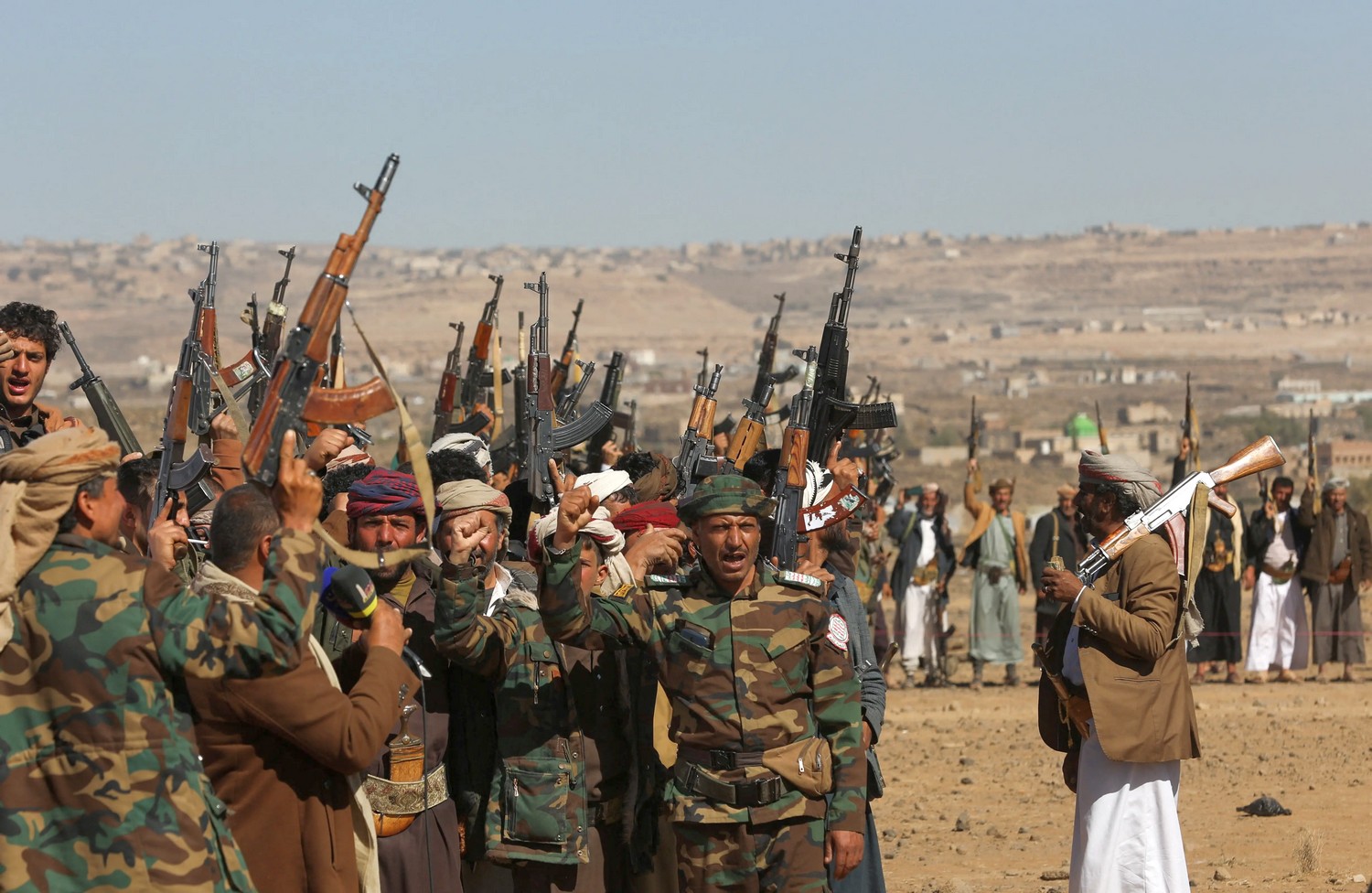
A new geopolitical dynamic is emerging in the Middle East. The epicentre of this crisis is Yemen, where an armed conflict between the Houthi movement and government forces—supported by a coalition of several Arab states—has been ongoing for several years. This new conflict is closely linked to the US war against Iran and events in the Strait of Hormuz.
What lies ahead for Bab el-Mandeb?
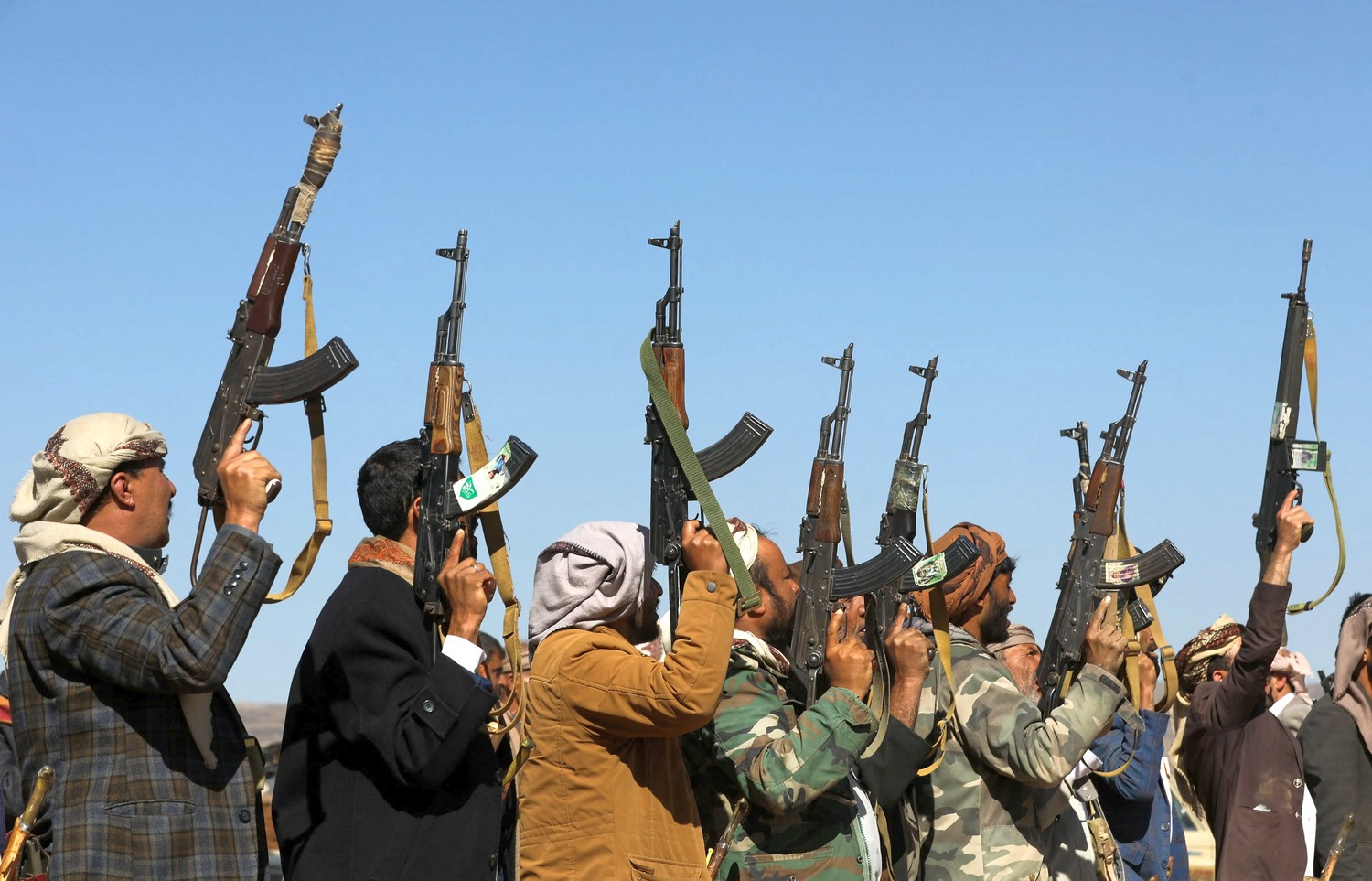
The Yemeni conflict has two aspects. The first is purely internal, linked to the capture in 2014 of the country's capital, Sana'a, by Shia rebels from the 'Ansar Allah' ('Partisans of Allah') movement, also known as the Houthis (named after the movement's founder, Hussein Badruddin al-Houthi). The second is external, as the internationally recognised Yemeni government, based in the port city of Aden and effectively controlling only the southern and eastern provinces of the country, relies on direct military support from Saudi Arabia and other countries in the anti-Houthi inter-Arab coalition (in particular Egypt, Jordan, Bahrain, Kuwait and Sudan). The latest round of conflict between the Houthis and the Saudis, who lead the coalition formed in 2014, is a key factor in the current crisis in Yemen. The 'Prosperity Guardian' coalition, led by the US, is also involved in the conflict in one way or another; it has been operating since late 2023 to patrol the Gulf of Aden and the Red Sea and periodically carries out strikes against Houthi targets.
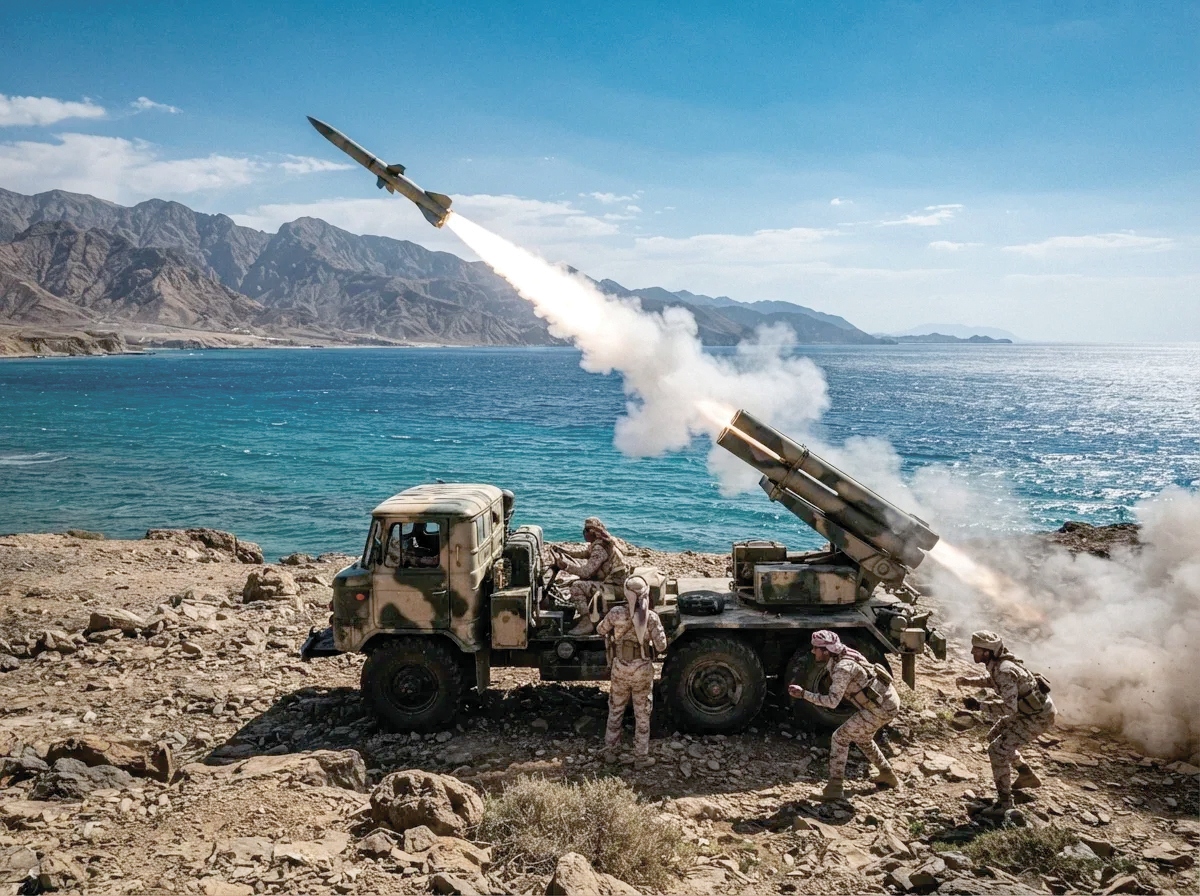
At the end of August, The New York Times reported that Saudi Arabia was preparing to resume a large-scale war against the Houthis. On 7 September, the Houthis accused the Saudis of carrying out air strikes on areas under their control. This was followed by reports of a retaliatory attack using missiles and drones against military and energy facilities in southern Saudi Arabia. On 10 September, a significant event occurred: the Houthis captured the strategically important port of Al-Moha, which is situated on the Yemeni coast of the Bab el-Mandeb Strait, which connects the Red Sea with the Arabian Sea. The following day, they reached Dhubaab on the shore of the strait and subsequently captured Zuqar, Hanish and Mayun (also known as Perim)—key islands in the strait through which the trade route from Asia to Europe passes.
The significance of Bab el-Mandeb, a strategic point where ships from the Indian Ocean navigate towards the Suez Canal and on to the Mediterranean Sea, is underscored by its role as a pivotal transit route for 10–12 per cent of global freight traffic. It plays a pivotal role in the transportation of oil and petroleum products, a significance that has been further underscored by the closure of the Strait of Hormuz due to military operations by the US and Israel against Iran. While the Houthis' capture of Mayun and other islands does not necessarily imply a complete blockade of the Bab el-Mandeb Strait, it is evident that the Yemeni rebels have significantly augmented their capacity to exert pressure on shipping in this region. This has the potential to significantly impact global trade, as the absence of adequate security in the Bab el-Mandeb Strait compels ships travelling between Asia and Europe to take an alternative route via the Cape of Good Hope. A longer route, requiring greater fuel consumption and inevitably resulting in longer delivery times for cargo, will give rise to a whole host of problems. First and foremost, these include higher logistics costs and rising oil prices.
Among the countries that are most at risk from this potential scenario are key members of the anti-Houthi coalition—Egypt and Saudi Arabia. The former will be seriously affected by a decline in revenue from the operation of the Suez Canal, which depends on the volume of traffic through the Red Sea route. The latter, given the problems being experienced not only in the Strait of Hormuz but now also in the Bab el-Mandeb Strait, will face the threat of a significant reduction in the transport of its oil resources to world markets. It is noteworthy that the Houthi leadership has stated that shipping through the Bab el-Mandeb Strait is 'safe for all commercial vessels except those from Saudi Arabia'. Riyadh is concerned about this issue and is urgently seeking effective ways to avert the threat of the Bab el-Mandeb becoming completely undefended.
Riyadh fails to convince Washington
Just a couple of months ago, the Saudis were confident that they could deal with the Yemeni rebels on their own. However, the reality of early September compelled the Saudi Prime Minister, Crown Prince Mohammed bin Salman, to request military assistance from the US. According to US media reports, at least two telephone conversations took place between him and US President Donald Trump. However, these proved disappointing for the Saudi leader. Trump declined to initiate large-scale military operations against the Houthis, as the Saudis had requested.
In Washington, the view is that an operation against the Houthis would require the US to deploy significant naval and air forces, which could lead to a depletion of American stocks of weapons and interceptor missiles. However, it should be noted that there is another factor to consider, which Trump himself has alluded to. This concerns the Houthis' assurances that they do not wish to go to war with the US. The only concession made by the Americans to the Saudis was their agreement to expand intelligence support to Riyadh, with a view to helping identify military targets. It is important to note that the US has once again declined to engage in direct conflict with the Yemeni rebels.
Apparently, the United States' stance is primarily driven by a recognition of the potential risks associated with an extended military engagement with Iran. Another large-scale conflict in the Middle East is not in Washington's current interests, even though it is Iran that is reaping the geopolitical dividends from the de facto blockade and restrictions on shipping in the Straits of Hormuz and Bab el-Mandeb. In addition, Tehran has strengthened its strategic position in the region, particularly in light of the significant military successes of its ally, the Yemeni 'Ansar Allah' movement.
However, according to Reuters, the Iranian side—the Islamic Revolutionary Guard Corps—is behind the Houthis' rapid advance along Yemen's Red Sea coast. Another influential media outlet—The New York Times—even suggests that Iran may be opening a new front in its confrontation with the US.
Notwithstanding, the Houthi offensive has the potential to exert a significant influence on the balance of power in the Middle East, particularly in the Persian Gulf region. As the Houthis' primary target continues to be Saudi Arabia's strategic ambitions and its leadership within the Arab monarchies, the subsequent course of events will be contingent on Riyadh's ability to prevent the Houthis from gaining strength, including the prospect of the Houthis assuming control of the Bab el-Mandeb Strait. In this regard, the significance of the Mecca Agreement, signed on 7 August between Saudi Arabia, Türkiye and Pakistan, cannot be overstated.
A Test for the Mecca Pact
The Mecca Collective Defence Agreement clearly states that an attack on one of the signatory states will be regarded as an act of aggression against all parties to the pact. In this sense, Riyadh's confrontation with the Houthis – even in the absence of a large-scale attack by the latter on Saudi Arabia – represents the first serious test of the trilateral pact's resilience.
Saudi Arabia's allies under the Mecca Agreement have condemned the Houthi strikes on Saudi cities (Abha, Jizan, Najran) and expressed their solidarity with Riyadh. In response to the Houthis' blockade of the Red Sea coast, Ankara demanded that the security and freedom of international shipping in the Bab el-Mandeb Strait be ensured without delay. Both the governments of Türkiye and Pakistan have made it clear that if the Houthis take aggressive action, the Mecca Defence Pact will be activated.
However, it is important to note that official statements from Ankara and Islamabad demonstrate no real willingness to move from diplomatic condemnation to military measures to deter the Houthis. Pakistan is committed to maintaining its role as a mediator between the US and Iran, as well as between Saudi Arabia and Iran. Consequently, it is not prepared for a complete breakdown in relations with the Islamic Republic of Iran, which would be inevitable should Islamabad become directly involved in Riyadh's conflict with the Houthis, who are regarded as a pro-Iranian organisation. Pakistan has issued a formal request to Iran, calling on them to exercise restraint with their Yemeni Houthi allies in light of a escalation in attacks on Saudi Arabia.
It is evident that the issue of a trilateral military strike against the Houthis has not yet been discussed within the framework of the Mecca Pact. Is it the case that such a strike is impossible a priori? I can assure you that this is not the case. In essence, the issue is not so much the prestige of the Mecca Pact, but rather the strategic interests of Türkiye and Pakistan, which have prompted them to enter into an alliance with the Saudis. Ensuring a geopolitical landscape in the Middle and Near East that precludes both US and Israeli dominance and the growth of Iran's geopolitical power is of the utmost importance. It appears that the relatively restrained reaction of Türkiye and Pakistan to the Houthis' advance towards Bab el-Mandeb is due to the fact that the red line, beyond which military aid to Riyadh might be provided, has not yet been crossed.
RECOMMEND:
 64
64

