
THE ALBANIAN CODE
Experts reveal historical facts, expose falsifications and defend Azerbaijan’s cultural heritage
Author: Sabira ALAKBAR
Preserving historical memory and protecting cultural heritage have become particularly urgent tasks in today's world. They are no longer just academic matters, but crucial elements of the international agenda and interstate dialogue. Increasing attention is being paid to the rich yet dramatic heritage of Caucasian Albania, an ancient state that made a major contribution to the region's civilisational development and to the ethnogenesis of the Azerbaijani people. A series of specialised events held in Baku—including seminars organised by the Media and Broadcasting Council, the Forum of Azerbaijani Non-Governmental Organisations (FANO) and initiatives by the Western Azerbaijan Community—clearly demonstrated the consolidation of the academic community and civil society around the need to study this subject in depth, defend it objectively and bring it to wider international attention.
The truth about Albania and Atropatene
The central theme of the expert discussions was the uncompromising exposure of the long-standing practice of falsifying and appropriating Albanian monuments. As Doctor of History Hasan Hasanov emphasised in his speech, erroneous interpretations and stereotypes concerning Caucasian Albania and Atropatene often date back to Soviet historiography, where their simultaneous emergence was presented in a distorted manner.
Drawing on linguistic and historical research, the scholar highlights the Turkic roots of the term "Albania", which he says means "hero" in translation, and argues that for seven centuries before the Common Era, this state formation initially formed part of Atropatene before gaining independence. Another key element of this interpretation is the acknowledgement of ancient Albania's multi-confessional character, where Christianity, Judaism and Tengrism coexisted peacefully.
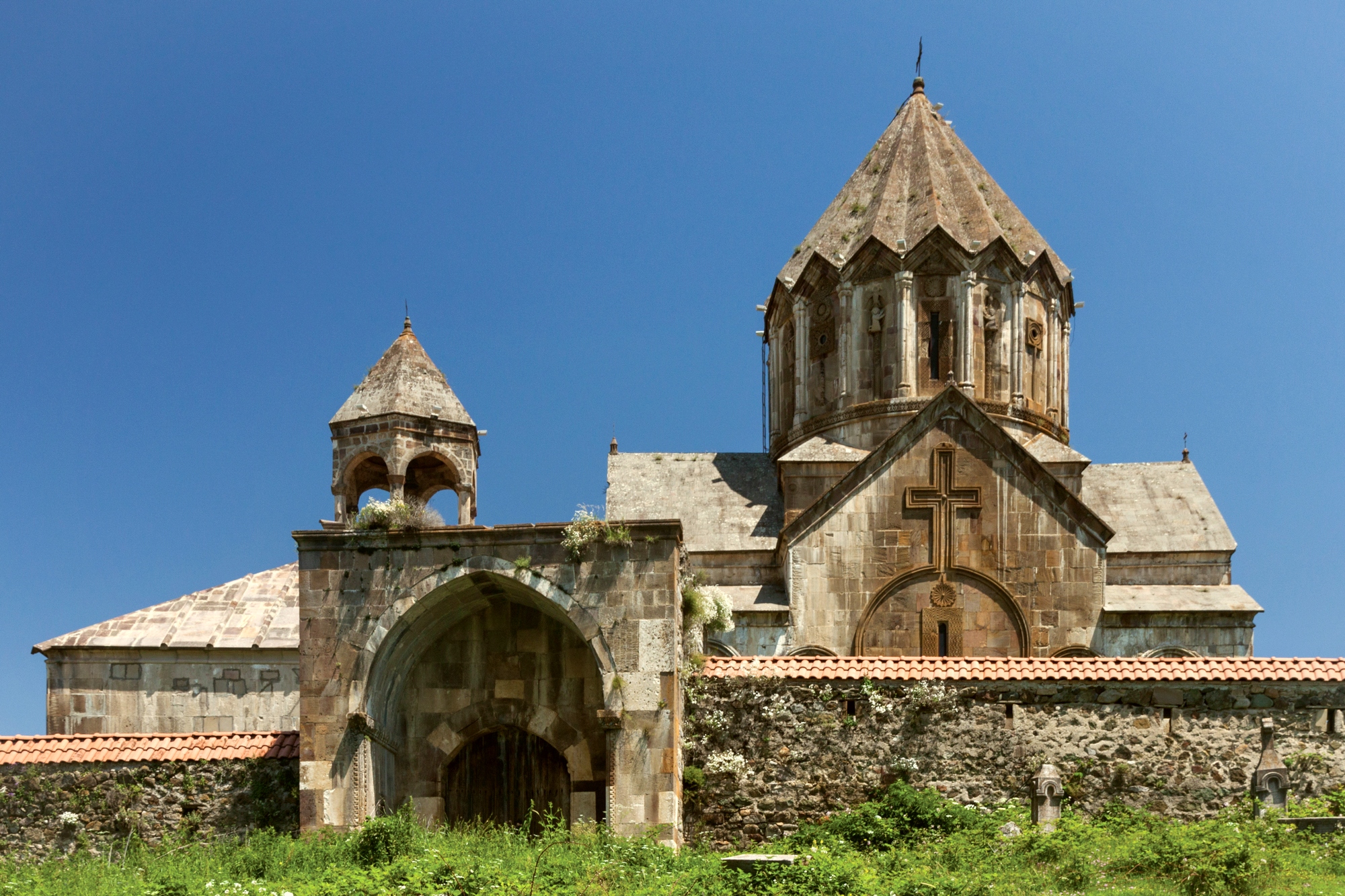
Islam, which arrived later, was adopted by followers of the Tengrism tradition and by some Christians, while the remaining Christian population was divided between the Armenian and Georgian communities. The fundamental works of the prominent Azerbaijani architect and historian Davud Akhundov also demonstrate the complete lack of foundation in the Armenian side's claims to Albanian monuments such as Ganjasar and Khudaveng. His studies of their architectural features clearly link these sanctuaries to Albanian civilisation and deep-rooted Turkic traditions.
A policy of erasing identity
The scale of the problem goes far beyond theoretical disputes, since historical falsifications were accompanied in practice by the deliberate destruction of authentic traces of the past. As Zaur Ibrahimli, a board member of the Forum of Azerbaijani Non-Governmental Organisations, noted, a decisive and tragic moment in the history of this heritage came in 1836, when tsarist Russia abolished the independent Albanian Apostolic Church and placed it under the Armenian Gregorian Church.
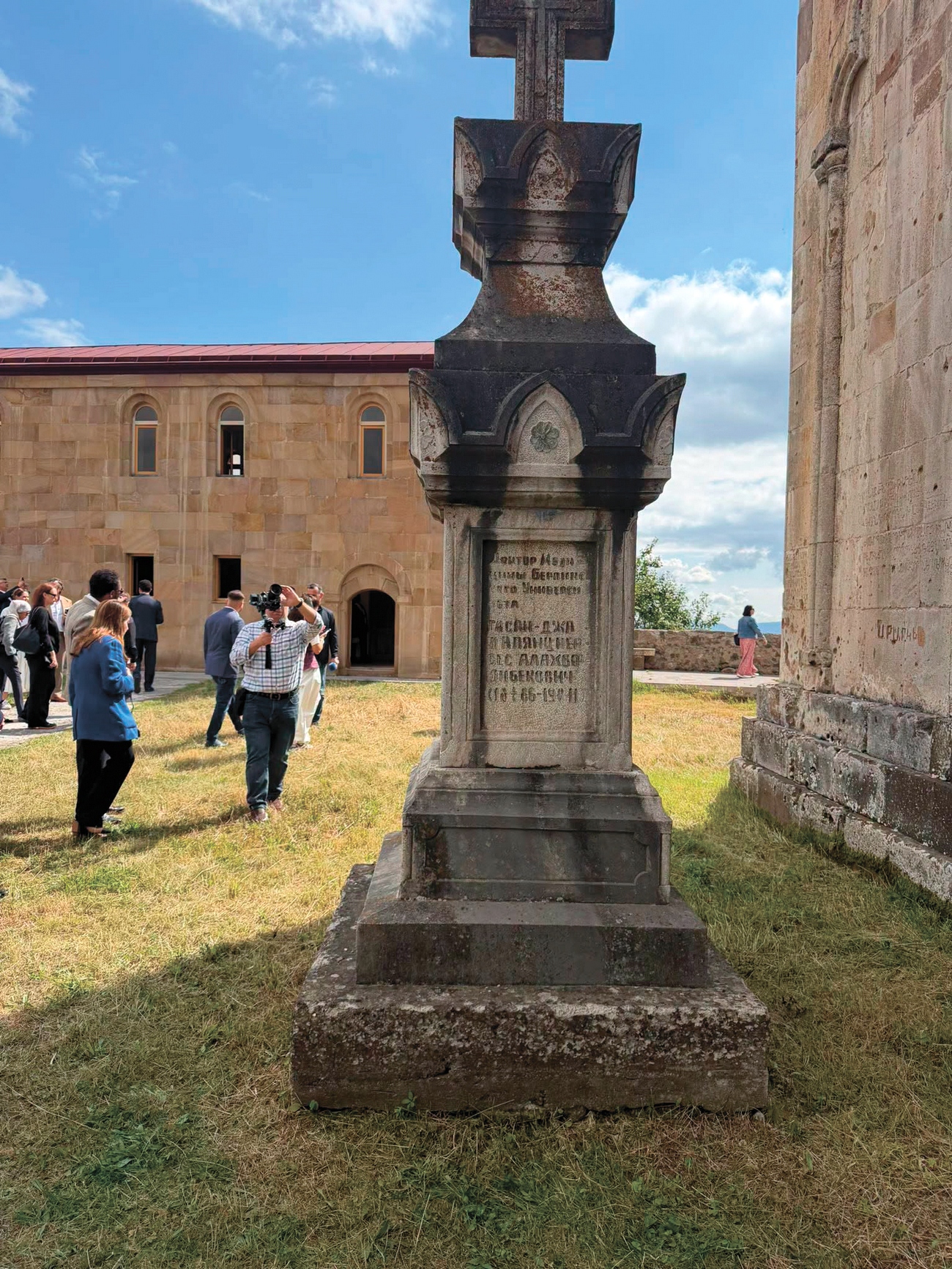
From that period onwards, a systematic policy of erasing Albanian identity began in historical lands, including Goycha, Zangezur, Daralayaz and other regions. Ancient epigraphic inscriptions were destroyed, the architecture of churches was altered, and the monuments themselves were presented as part of Armenian religious heritage. Professor Mahabbat Pashayeva has demonstrated the distinctive nature of Albanian religious architecture, which differs fundamentally from the Armenian canonical tradition. This provides further evidence of the foreign character of later additions and alterations.
New initiatives
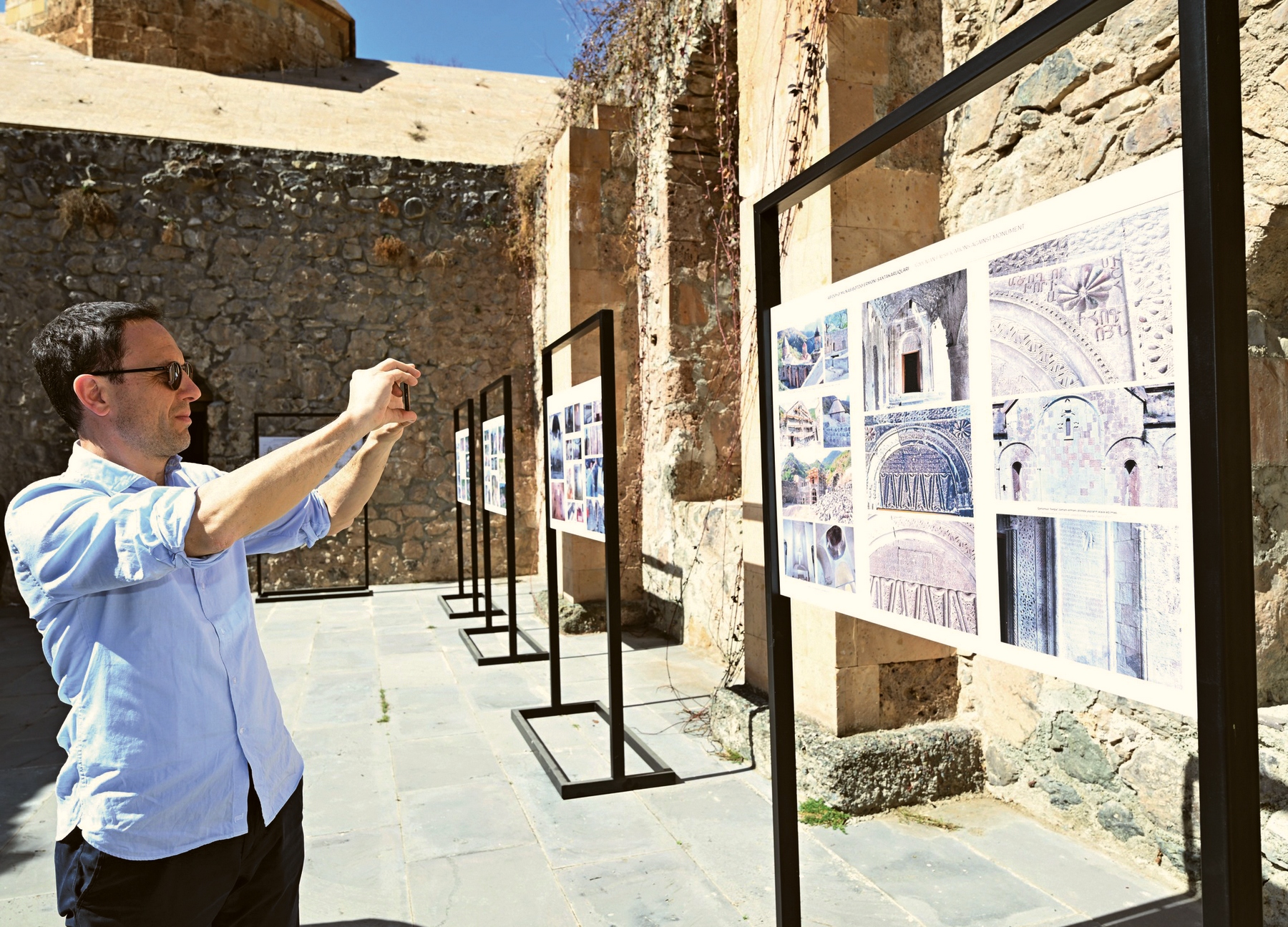
In response to these challenges, the Western Azerbaijan Community has established a specialised working group with the aim of conducting a comprehensive study of Albanian Christian heritage in the territory of present-day Armenia. Researchers have been assigned a challenging task: to challenge the claim that the documents of the Albanian Catholicosate from the sixteenth to the nineteenth centuries have been completely lost and to bring scattered archival primary sources from various international collections together in a single, verifiable academic database.
The community already has hundreds of valuable documents at its disposal. The fact that the issue has reached the diplomatic level, as demonstrated by visits from foreign delegations to the Ganjasar monastic complex, underlines the importance of this work. Azerbaijan's civil society institutions and academic community are in agreement that, when relying exclusively on irrefutable facts, archival sources subject to rigorous verification and open academic research, it is necessary to restore to the international public the truth about the genuine origins and creators of this unique cultural legacy.
This would also provide a firm historical and cultural foundation for the safe and dignified return of the deported population.
Historical affiliation
Caucasian Albania is an integral and inseparable part of Azerbaijan's centuries-old history and cultural heritage. There is compelling evidence from historical, archaeological and linguistic sources which clearly demonstrates this connection in several key areas.
Geographically, much of Caucasian Albania covered what is now Azerbaijan, from the Kura and Araz rivers to the Derbent Pass, including Garabagh, Shirvan and Sheki. The capitals and major centres of the ancient state, such as Gabala and Barda, were located within the country's geographical boundaries.
The Albanian tribes played a key role in the formation of the Azerbaijani people. The indigenous population of Albania, in conjunction with the Turkic tribes that had inhabited the region for centuries and laid a solid foundation for its statehood and culture, became part of a unified Azerbaijani ethnic identity. Processes of ethnocultural continuity have been instrumental in preserving this heritage, with this being evident in the people's traditions, language, geographical names and material culture.
The architectural and spiritual heritage of the Albanians, including distinctive temple complexes, cross-domed structures and stone crosses, is concentrated in Azerbaijani soil. Research by Azerbaijani scholars, including the architect Davud Akhundov, confirms the deep connection between these monuments and local traditions and the region's civilisational development, sharply distinguishing them from Armenian religious architecture.
Azerbaijan's academic community and the general public consider the protection, study and objective presentation of Albanian heritage to be fundamental to historical justice and the preservation of national memory.
RECOMMEND:
 32