

IN SEARCH OF CAPITAL
Azerbaijan expands opportunities for stock market financing of businesses
Author: Nurlana BÖYÜKAGHAGYZY
In Azerbaijan, the banking sector has traditionally been the primary driver of economic financing. However, as the private sector expands, there is an increasing demand for financial instruments that offer an alternative to bank loans. These include the issuance of corporate bonds, the raising of equity capital and the listing of companies on the stock exchange.
Recent trends indicate that this segment of the financial market is gaining momentum. Over the past two years, two IPOs (initial public offerings) have taken place in Azerbaijan, new legislation on the securities market is being drafted, and cooperation between the Baku Stock Exchange and foreign exchanges is expanding. All of the above is gradually creating the conditions for the capital market to play a greater role in business financing and to provide companies with a wider choice of funding sources.
Banks + Stock Exchange
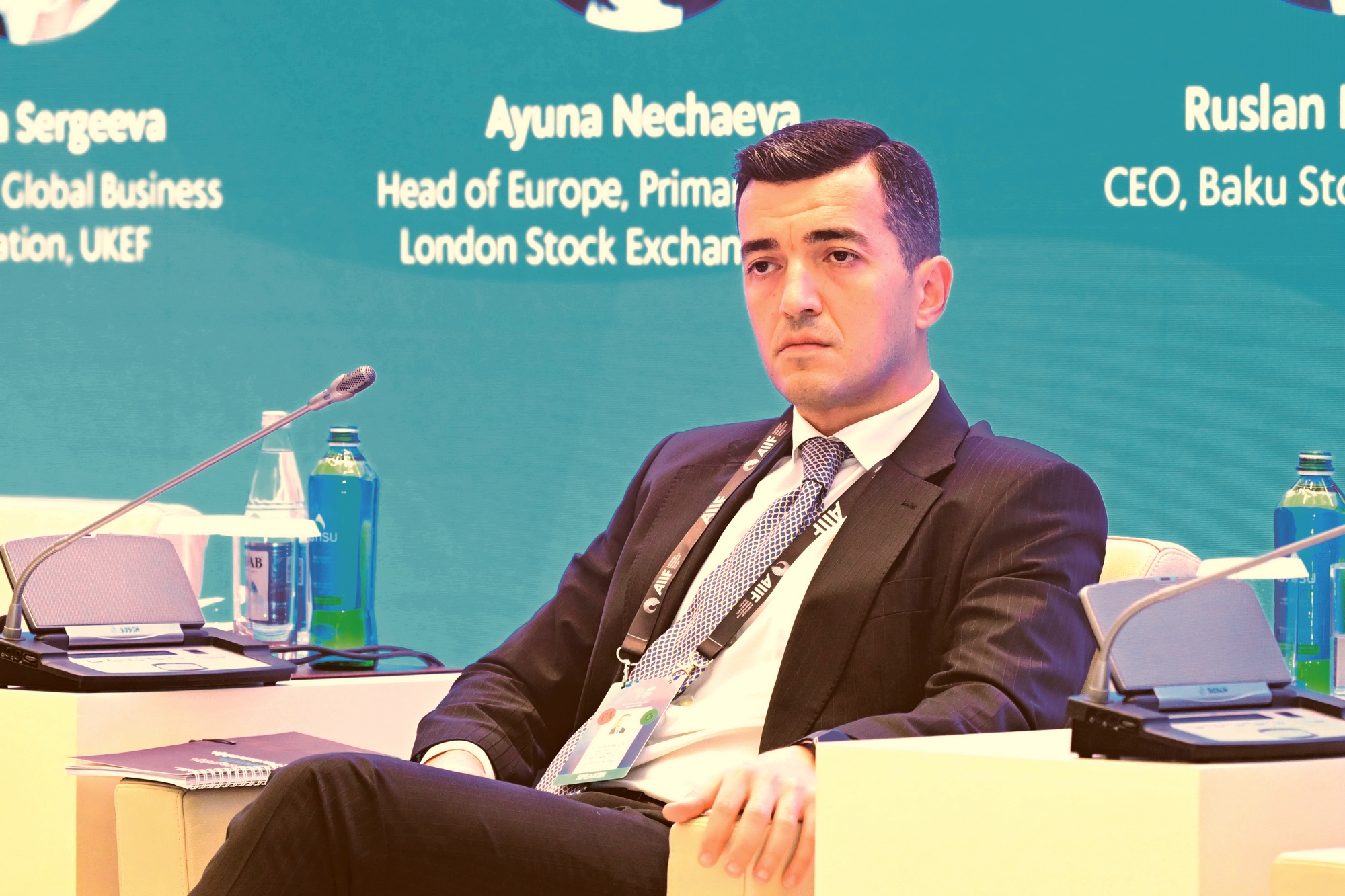
It is clear from the current structure of the financial market that the further development of the capital market requires, first and foremost, the expansion of its own base. Discussions on this topic also took place during the 2nd Azerbaijan International Investment Forum (AIIF 2026), at the panel discussion 'Capital markets as a catalyst for diversification: the UK's perspective on Azerbaijan's path to economic growth'. As Ruslan Khalilov, Chairman of the Board of the Baku Stock Exchange (BSE), noted, in Azerbaijan, as in most countries in the region, the financial sector is dominated by banks. Consequently, businesses are currently making significantly less use of the opportunities to raise funds directly through the securities market.
"Ultimately, the capital market faces certain challenges on both the supply and demand sides. We are therefore faced with the task of developing the foundations of the capital market, which is not limited to Azerbaijan alone but is relevant to all countries in the region," said Khalilov.
The current market structure validates this assessment. According to BSE data, in the first half of 2026, financial institutions accounted for 99 per cent of the market capitalisation of listed companies, with just eight organisations accounting for around 91 per cent of the total market value. There is also a marked difference in the scale of the primary and secondary share markets: in January–June, their turnover stood at ₼51.7 and ₼8.8 million, respectively. To summarise, the issue is no longer only the emergence of new issuers, but also the expansion of the range of companies and investors capable of ensuring more active trading in securities.
At the same time, it is important to note that the banking sector and the capital market should not be viewed as opposing forces in this context. As BSE analyst Narmin Bayramly emphasises, the stock exchange regards them as complementary segments of the financial system. Furthermore, the high liquidity in the banking sector has the potential to generate new opportunities for the development of the securities market, particularly through the issuance of new bonds.
It is noteworthy that the banking sector's structural liquidity surplus, excluding mandatory reserves, reached ₼6.3 billion by the end of August, marking a 2.2-fold increase compared with the end of last year. Concurrently, the securities market is undergoing gradual transformation. According to Khalilov, two IPOs have been carried out in Azerbaijan over the past two years, which he described as an important stage in the development of the local equity and capital market.
However, in order to transform the stock exchange into a source of financing that is more actively utilised by businesses, it is necessary to expand both the range of high-quality instruments on offer and the investor base. It is important to note that the next challenge is not going to be the availability of financial resources. The real issue is going to be the creation of mechanisms that allow the majority of these resources to be channelled into the real sector.
Bringing businesses onto the stock exchange
However, it is important to recognise that market expansion is not possible without the active participation of the business community itself. In this regard, the BSE faces a challenging task: it must not only offer companies new instruments but also demonstrate the advantages of raising funds via the capital market compared with traditional sources of finance.
According to Khalilov, for emerging markets, work must proceed simultaneously along three lines. The first is the creation of technologies and infrastructure to ensure access to the market; the second is increasing transparency and reliability to build trust and attract investors; and the third is improving the financial literacy and awareness of market participants. The ultimate measure of success, however, is the extent to which these changes can bring more companies from the real sector onto the market and make the services of investment firms and underwriting (risk assessment) a standard means of raising finance.
Some work in this direction is already underway. As part of the Listing Advisory programme, the BSE has held meetings with over 80 Azerbaijani companies over the past three years, familiarising them with the opportunities offered by the capital market. The stock exchange has conducted research and provided advisory services to potential issuers. However, as Khalilov acknowledges, such individual work cannot serve as the fundamental model for the market's development. The primary objective is to establish an infrastructure that will enable businesses to make listing on the stock exchange a natural financial decision.
The new draft law 'On the Securities Market', currently being prepared, is set to play a significant role in this. According to the head of the BSE, the legislation is intended to resolve a number of outstanding issues relating to the expansion of investment products, categories of shares, derivatives and trading rules. A key innovation is set to be the possibility of remote membership for international brokers on the BSE. This will allow them to trade on the exchange's platform via technological and custodial links, without the need to open a branch or representative office in Azerbaijan.
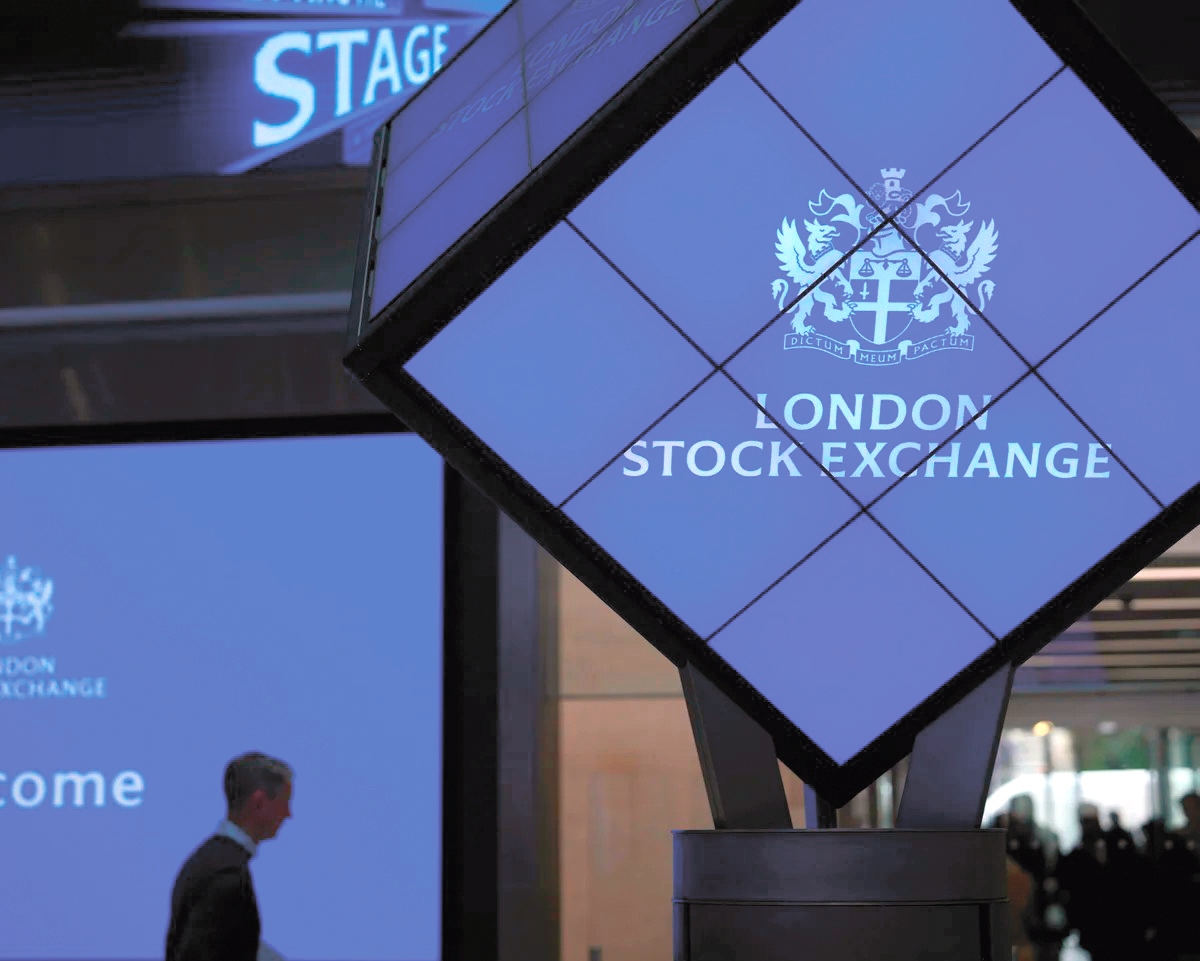
The expansion of the domestic market is becoming increasingly linked to its integration into the international financial infrastructure. The BSE has already established cooperative relationships with foreign exchanges, including those in Abu Dhabi and Astana, and is currently engaged in discussions with the London Stock Exchange (LSE) concerning technology transfer, the exchange of expertise, and the integration of central securities depositories. Such infrastructure is also essential for the development of cross-listing and dual listing.
As Khalilov noted, today leading local companies are turning to UK investment banks for direct financing or the underwriting of Eurobonds. This has resulted in the domestic capital market playing a less significant role. The transfer of international experience, technology and investment banking expertise to Azerbaijan has the potential to gradually change this situation, expanding companies' opportunities to raise funds through the local market.
Access to external capital is a key consideration for any business
Integration with foreign markets is important not only for the development of domestic infrastructure. This development will simultaneously expand the opportunities available to Azerbaijani companies seeking to attract international capital. At AIIF 2026, Ayuna Nechaeva, Head of Europe at the London Stock Exchange, elaborated on this topic, noting the mutual nature of interest between Azerbaijan and the international investment community.
'I believe there is a genuine and sincere interest here. It is important to note that this issue is not only relevant to the potential interest of Azerbaijani companies in entering international capital markets. International investors, including those based in London, are keen to identify fast-growing markets that offer new and high-quality opportunities for diversifying investment portfolios," she noted.
Nechaeva is convinced that collaboration with the LSE will provide domestic companies with access to a broader investor base. The London Stock Exchange's representative emphasised that it could serve as a gateway for Azerbaijani companies to access the international investment community. Concurrently, the London Stock Exchange has also expressed interest, as the arrival of new issuers from fast-growing markets will broaden the range of options available to global investors.
Therefore, the Azerbaijani capital market is effectively confronted with two interrelated challenges. In order to encourage domestic companies to utilise the domestic stock exchange infrastructure more frequently for the purpose of raising funds, it is necessary to ensure that it is attractive enough. Conversely, integration with prominent international platforms should enable access to a more extensive investor base, without compromising the domestic market.
This underscores the importance of cross-listing and dual listing in such cases. The ability to trade a company's securities simultaneously on domestic and foreign platforms allows access to international capital to be combined with the development of liquidity in the domestic market. However, this requires compatible regulations, a depository infrastructure, transparency on the part of issuers and a sufficient level of investor confidence – precisely the conditions that the BSE currently identifies as key areas for market development.
IN BRIEF
The CBA has decided to maintain the policy rate at its current level. Concurrently, the lower bound of the interest rate corridor has been adjusted.
The Board of the Central Bank of Azerbaijan (CBA) has decided to maintain the discount rate at 6.5 per cent. The upper limit of the interest rate corridor remains at 7.5 per cent. The lower limit of the interest rate corridor has been reduced by 0.5 percentage points and set at 5 per cent.
The CBA has announced that the decision regarding the parameters of the interest rate corridor was made taking into account a range of factors. These included trends in both actual and forecast inflation, developments in the foreign exchange market, changes in the banking sector's liquidity position, and the latest trends observed in global monetary conditions.
The reduction in the lower limit of the interest rate corridor is intended to stimulate trading in the interbank money market against a backdrop of excess liquidity in the banking sector.
It is anticipated that the expansion of the corridor, by decreasing the Central Bank's participation in the money market, will motivate banks to engage in more active interbank transactions. Maintaining the upper limit of the interest rate corridor and the discount rate at unchanged levels serves to stabilise inflation expectations.
The CBA notes that annual inflation is within the target range and is moving in line with the forecast trajectory under the baseline scenario. Since the previous meeting, no significant changes in the balance of inflation risks have been observed.
RECOMMEND:
 36