

NOT A CONFLICT, BUT A DEAL
Historic agreement on Greenland strengthens the positions of the US and NATO in the Arctic region
Author: Natig NAZIMOGHLU
The situation surrounding Greenland, which over the past couple of years has become one of the potential flashpoints of global politics, appears to be nearing a long-term resolution. The US, Denmark and Greenland (an autonomous territory belonging to Denmark) have concluded an agreement that promises to play a significant role in the future of the island itself and the entire Euro-Atlantic region.
The three in New York
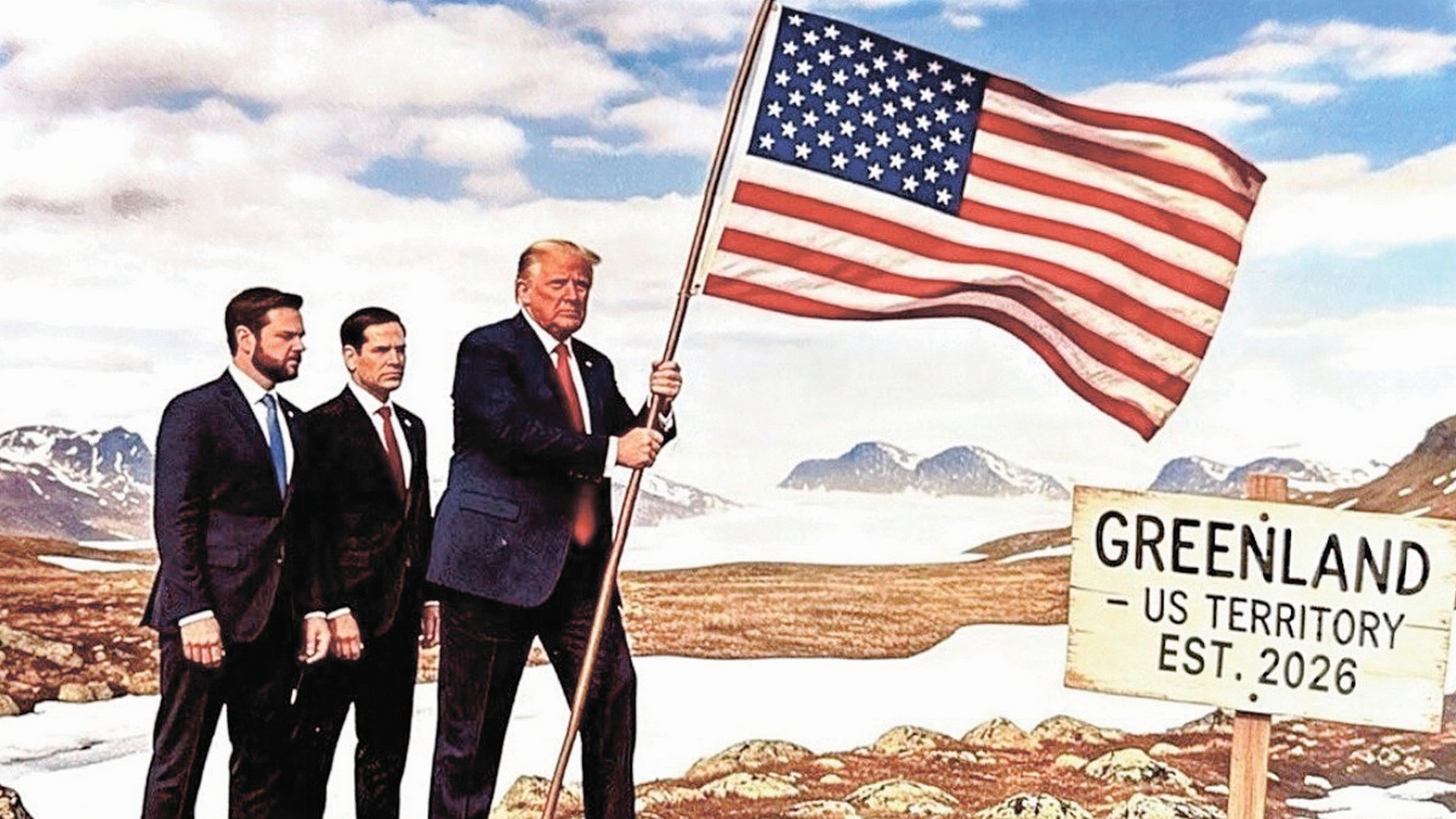
The world's largest island, located off the North American coast but belonging to the Kingdom of Denmark, was on the verge of becoming a point of contention between the US and the European Union—the two pillars of the North Atlantic Alliance. Following his return to the role of President of the United States in early 2025, Donald Trump demanded that Copenhagen transfer Greenland to Washington's control. Even during his first presidential term, Trump had declared his intention to buy Greenland. Upon returning to the leadership of the US, he addressed the issue with unambiguity, even threatening an armed seizure of the island.
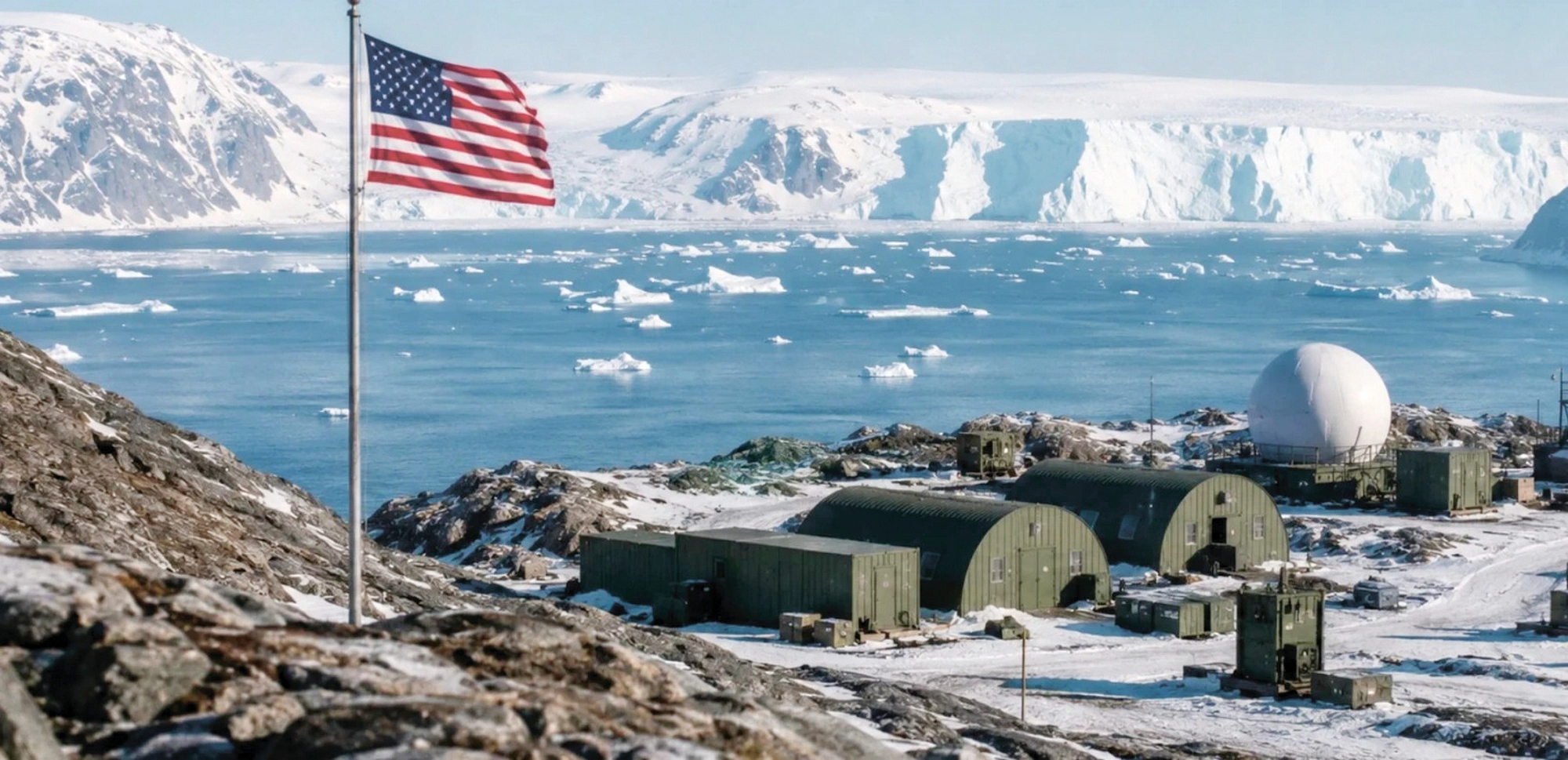
Washington has historically allocated a significant degree of attention to Greenland. During the Cold War, the island housed over a dozen military facilities and approximately 10,000 US military personnel, as stipulated in a 1951 US-Danish agreement on the defence of Greenland. By the early 1990s, most of these facilities had closed, influenced by global détente, the collapse of the USSR and the end of the Cold War. The only US facility remaining in Greenland is the Pituffik Space Station (formerly known as Thule Strategic Air Base), which is used for early-warning systems against missile attacks, missile defence and space surveillance.
However, President Trump has come to regard Greenland as one of the priorities of US strategy, a central pillar in ensuring US national security across the Arctic. It is evident that the world's largest island holds significant interest for Washington, particularly in regard to its substantial natural resources, which include rare-earth metals.
The US's actions towards Denmark have led to a significant disagreement within the Euro-Atlantic community. Brussels' decision to align with Copenhagen has only served to further strain the already evident discord between the EU's neoliberal elite and the Trump administration. However, the key factors in the Greenland crisis were the island's own authorities' unwillingness to bow to American demands, as well as the Danish government's categorical refusal to transfer Greenland to US control (even through the sale proposed by Washington).
However, on 22 September in New York, on the sidelines of the 81st session of the UN General Assembly, a trilateral agreement was concluded with the aim of resolving the Greenland crisis. The document was signed by US President Donald Trump, Danish Prime Minister Mette Frederiksen and Greenlandic Prime Minister Jens-Frederik Nielsen. It grants the US the right to expand its military presence in Greenland by modernising and expanding the existing Pituffik space base, as well as establishing new defence zones—in the settlement of Narsarsuaq and at the Mestersvig military outpost. The stated aim is to protect NATO's area of responsibility, Greenland itself and the American continent, including as part of the 'Golden Dome' missile defence system being rolled out by the Trump administration. Furthermore, US aircraft are permitted to fly over the entire territory of Greenland, including its territorial waters, whilst US government vessels are permitted to enter Greenland's territorial waters underwater and move within them without any restrictions.
The Greenland Agreement is open-ended and may only be amended by mutual consent of the parties. In the event of Greenland gaining independence in the future, the document obliges the governments of Denmark and Greenland to ensure that the island agrees to retain or acquire NATO membership and will fulfil all the obligations undertaken by Denmark upon signing the current agreement.
As is apparent, the provisions of the agreement do not fully align with the US's initial ambitions or President Trump's statements regarding 'permanent control over security and other matters in Greenland'. Furthermore, the content of the document does not correspond to the White House occupant's repeatedly expressed desire to secure the transfer of the island to US sovereignty.
In her assessment of the agreement, Danish Prime Minister Mette Frederiksen emphasised that it recognises "the sovereignty and territorial integrity of the Kingdom, as well as the right of the people of Greenland to self-determination". The Danish media have been openly pleased with the agreement signed in New York, which they see as a defeat for Trump, who had previously pursued the goal of 'seizing Greenland' and 'making the island American'. It is also noteworthy to mention the statement by Greenland's Minister for Foreign Affairs, Múte B. Egede: "The agreement reflects the positions that Greenland and Denmark have been advocating throughout the negotiations with the US from the outset." This refers to Greenland's right to self-determination—in this case, its refusal to accede to the US.
However, it is important to note that the current agreement, while not contradicting Denmark's sovereignty over Greenland or Greenland's right to self-determination, is, in essence, a significant foreign policy success for the US. Trump has expanded the practical scope of the 1951 agreement to include 'new defence zones' and the deployment of elements of the 'Golden Dome' missile defence system.
The key point, however, is that the United States has established a security regime in Greenland that acts as a barrier to the potential or actual ambitions of rival global powers regarding the Arctic. It is no coincidence that Trump made the following statement: "From this moment on, no adversary of the US will ever be able to establish a base in Greenland, maintain a military presence there or make sensitive investments without our direct written approval."
By ‘adversaries’, he means, first and foremost, Russia and China. But, in addition, the New York Agreement also rejects European ‘unilateral action’ regarding Greenland, which manifested itself in attempts by the EU and individual European states to hinder the strengthening of American influence on the island. Judging by the provisions of the trilateral agreement, this strengthening has indeed taken place. Moreover, it has taken a form that does not strategically conflict with the interests of the Europeans themselves, as it brings the factor of Euro-Atlantic security to the fore.
‘Security of the northern regions’
Prior to the signing of the New York Agreement, the disagreements between the US and the EU over Greenland had escalated to a point that led to widespread speculation about an inevitable rift within NATO. However, the signing of the agreement has fostered a well-founded view that it was precisely the recognition of shared Euro-Atlantic interests that played a key role in the event itself. Furthermore, the role played by the Alliance's Secretary-General, Mark Rutte, who had previously urged Trump to reach a compromise in negotiations with the Europeans over Greenland, is also worthy of note.
Following the signing of the trilateral agreement, Rutte welcomed it and emphasised that it, "along with NATO's growing role in ensuring the security of this important region, enhances our collective security and helps to create a safer and more stable future for us all". The Secretary-General expressed confidence that the agreement concluded between the US, Denmark and Greenland would "strengthen NATO's collective defence in the northern regions".
Rutte's comments at the 'The Future of NATO' event, organised by the Chicago Council on Global Affairs, were noteworthy. He highlighted the need to consider the Greenland agreement and the Arctic Sentry initiative, launched by the Alliance "to ensure the security of the northern regions," together as a single package. This was in response to the increased Russian and Chinese activity in the Arctic.
The trilateral agreement and its signatories were assessed from a similar perspective. The Prime Minister of Denmark addressed the US President, saying: "It is important to avoid adversaries getting too close. I am in full agreement with that assessment." The leader of Greenland stated that NATO must play a key role in ensuring security in the Arctic region. He emphasised: "Our commitment to this Alliance and to the security we have built together is beyond question. We are, have always been, and will remain, a loyal friend of the United States and part of the Western Alliance. We are committed to ensuring the security of your assets, and we view this as a shared responsibility. We are genuinely pleased with the outcome, which has strengthened our collective security and deepened our relationship as close allies."
With regard to the trilateral agreement, Trump described it as "a significant event for Europe, the United States and all other parties involved. For Greenland, this will be a truly remarkable occurrence."
Does it mean the Greenland crisis has now been resolved? There is a high probability that this will be the case. Should future tensions arise between the US and Denmark regarding the issue of Greenland (as was the case during the Cold War), it is evident that a serious confrontation is highly improbable.
All parties involved stand to gain from the deal struck in New York. Despite the US's withdrawal of territorial ambitions regarding Greenland, the country has strengthened its geopolitical position in the strategically important Arctic region. Denmark has successfully navigated the potential risks of American aggression while maintaining its territorial integrity. The European Union can be satisfied that it has upheld the sovereignty of one of its member states and kept Greenland within its pan-European jurisdiction. Greenland has firmly established itself as a pivotal element in the Euro-Atlantic security chain. This final factor is of particular significance, as NATO itself arose from the Greenland crisis with substantial advantages. The initiative successfully averted a major conflict within the organisation, while also consolidating its influence, security and strategic interests in the north. Overall, this is a commendable outcome, especially in light of the escalating global competition.
RECOMMEND:
 42