

SHIFT TO THE RIGHT
On Europe’s traditional parties losing voters, whilst right-wing parties gaining ever more influence
Author: Ilgar VELIZADE
The ongoing decline in popularity of traditional parties has been a key topic in European politics for some time. The recent regional elections in Germany, held in September, are a clear indication of the progress made in this regard.
Germany as a barometer of public sentiment
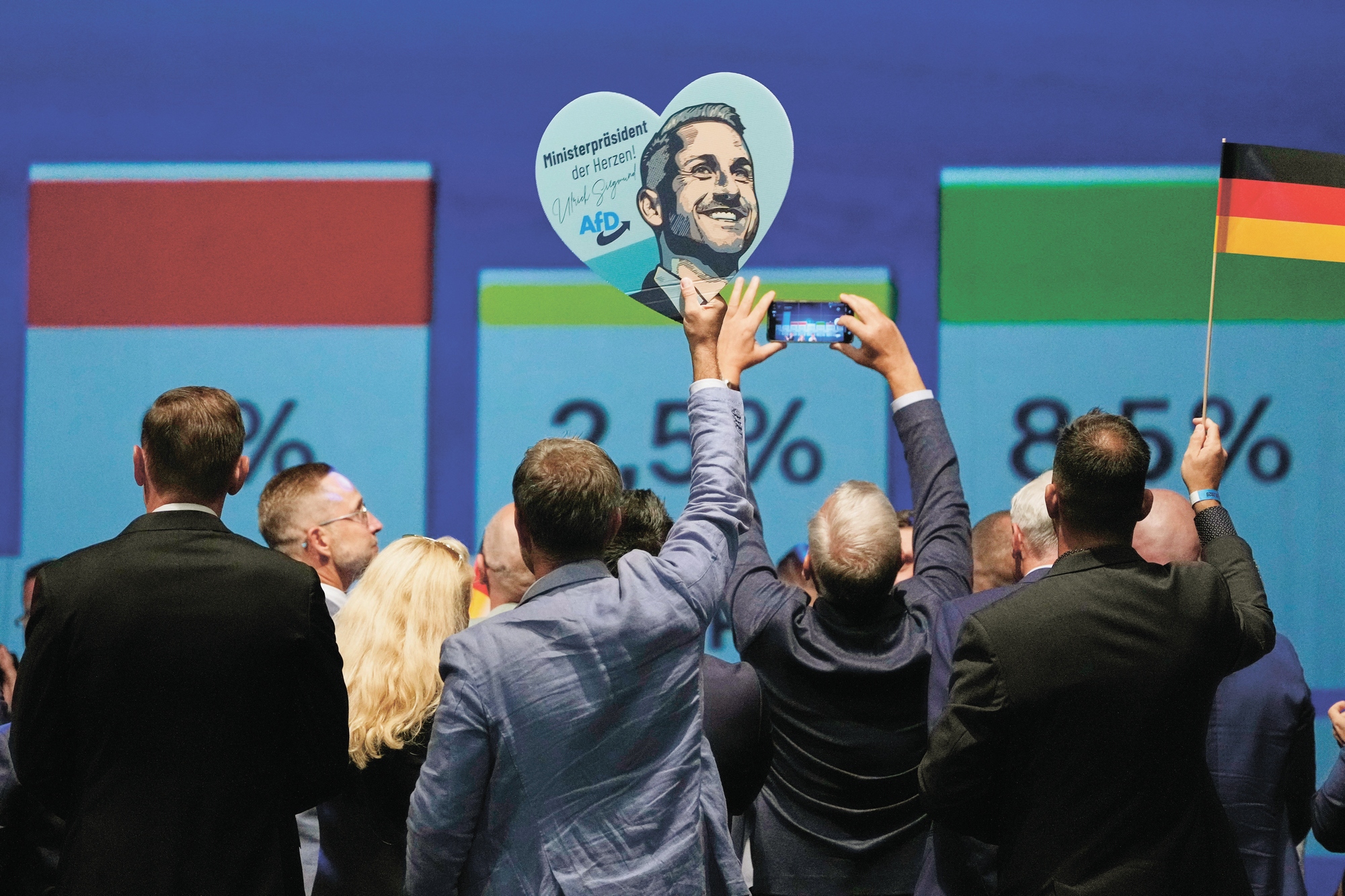
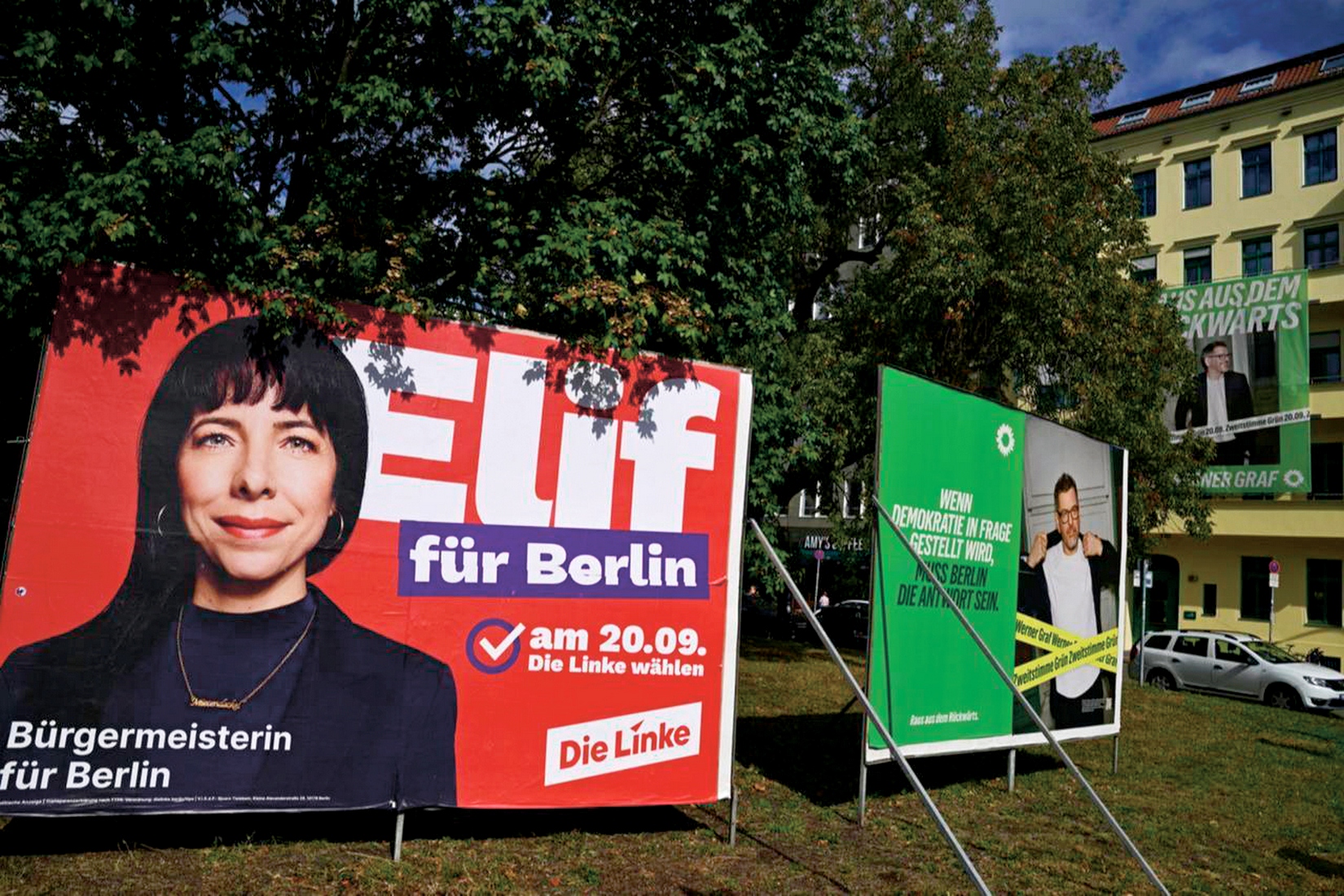
On 20 September, Chancellor Friedrich Merz's Christian Democratic Union (CDU) suffered defeats in two federal states. In Mecklenburg-Western Pomerania, the CDU received 4.9% of the vote and failed to win any seats in the state parliament, whilst the radical opposition party 'Alternative for Germany' (AfD) received 38.2%. In Berlin, the Left Party emerged victorious, securing 25.7% of the vote. In contrast, the CDU received less than 19% of the total.
Two weeks earlier, the AfD had achieved an even more impressive result in the state of Saxony-Anhalt—43.8 per cent compared with 17.2 per cent for the CDU. Following the elections, a nationwide poll put support for the AfD at 29 per cent, and for the CDU/CSU bloc at 18 per cent. Consequently, this issue has evolved into a matter of broader significance, extending beyond the scope of protest voting in specific eastern states. The party, which its competitors are keen to keep out of power, is now vying for first place on a national scale as well.
In this context, economic challenges are being felt more acutely. Following two years of economic downturn, the German economy expanded by a mere 0.2 per cent in 2025. In Q2 of 2026, growth remained consistent with the previous quarter at 0.2 per cent. Industrial output fell by 1.1 per cent in July, whilst the number of unemployed reached 3.061 million in August. This is not an economic collapse, but for a country that has long regarded industry as the foundation of its prosperity, a protracted period of weak growth is becoming a serious political challenge.
The changes are most keenly felt in the automotive sector. By mid-2026, the sector had seen a net loss of 42,300 jobs compared to the previous year. The number of people in employment has fallen to its lowest level since 2005. These figures are underpinned by the efforts of not only car manufacturers, but also numerous companies that produce parts and equipment for them. When a major manufacturer reduces orders, the consequences quickly extend beyond the confines of a single factory.
One of the factors that impacted the previous economic model was the significant decrease in Russian gas supplies that followed the commencement of the war in Ukraine. As recently as 2021, Russia accounted for 52 per cent of Germany's gas imports. Germany was able to source alternative suppliers, however, the restructuring of the energy system would inevitably have a negative impact on industry. It would be inaccurate to attribute the current difficulties solely to the rift with Moscow. German companies are currently facing two major challenges: they must compete in global markets and adapt to technological changes, particularly in the automotive sector.
The ADG has repeatedly voiced concerns to the authorities about the perceived lack of protection for the national economy. In addition to energy and industrial challenges, there are now disputes over migration, public spending and the future of the social welfare system. As previously outlined, these issues have now converged at a single point: an increasing number of voters do not believe that the parties which have governed the country for decades have the capacity to restore sustainable growth.
This is particularly evident in eastern Germany, where the AfD won a majority of the vote in Saxony-Anhalt and Vorpommern. The Left Party's success in Berlin demonstrates that this discontent is not solely a reflection of support for the right. While voters hold divergent views on the solutions required, there is growing consensus that the status quo is no longer acceptable. This is precisely the issue with which Merz and his party will have to deal after the September elections.
The AfD adheres to a radical agenda, and other parties continue to refuse to form a coalition with it. But the more seats the AfD wins, the harder it is for its rivals to form a majority. They are forced to negotiate with parties whose positions on key issues differ, and then seek compromise within the government itself. Consequently, the previous system of politically isolating the AfD is beginning to backfire on the traditional parties themselves. In Germany and beyond, people are increasingly asking whether the September elections might herald a deeper political crisis.
The French far right unwilling to back down
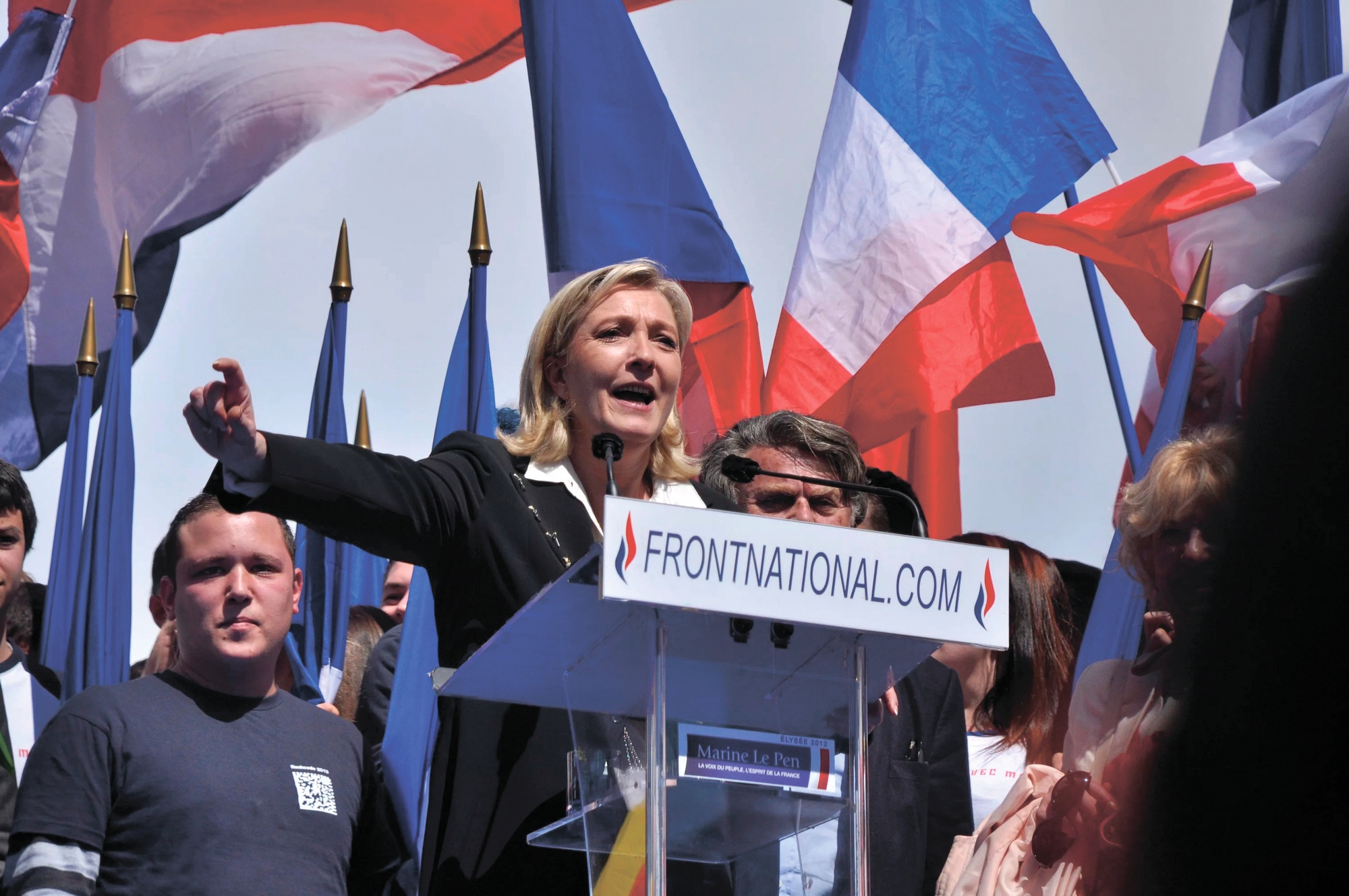
These developments extend far beyond Germany's borders. In France, the National Rally (RN), a leading right-wing populist party, is poised to compete in the 2027 presidential election as a significant contender for victory. According to the July polls, the leader of the party, Marine Le Pen, received approximately 36 per cent of the vote in the first round of voting and was seen to be in a position of strength against several potential rivals in the second round. A survey conducted in September estimated her support in the first round at 33–36 per cent, depending on the field of candidates. At this stage, these are merely opinion polls, but they illustrate why the party's foreign policy positions are now being scrutinised much more closely.
Her stance on Russia is attracting particular attention. The National Rally has a long history of advocating closer ties between Paris and Moscow.
The party had previously voiced its concerns about the sanctions, and its reputation had been tarnished by a loan received from a Russian bank in 2014 and Le Pen's previous statements on Crimea. Following the outbreak of the war in Ukraine, there has been a shift in this stance. The party condemned the invasion and recognised Ukraine's right to defend itself, but opposed sending French troops or supplying Kiev with weapons capable of striking Russian territory. In the event of her electoral success, Le Pen has confirmed her intention to withdraw France from NATO's integrated military command.
In September, the rift between the party and Moscow became even more pronounced. Le Pen and Jordan Bardella (the official chairman of the National Rally) have stated that they will not tolerate any attempts by Russia to intimidate France or interfere in its affairs. The Kremlin has formally denied the accusations. For a party that its opponents have for years accused of being dependent on Moscow, such a statement is of particular significance in the run-up to the presidential campaign.
However, the harsh rhetoric does not suggest that the National Rally has definitively abandoned the idea of future dialogue with Russia. For now, Le Pen and Bardella condemn the pressure on France and the Russian invasion, but are not prepared to support measures which, in their view, could drag the country into a direct confrontation. It is reasonable to assume that, once hostilities have ceased, the party will once again raise the issue of relations with Moscow. The timing, conditions and possible easing of sanctions remain a matter of speculation rather than an officially announced party programme.
This caution is also explained by the struggle for power. The ‘National Rally’ needs to convince voters, officials and the military that the party is capable of independently determining France’s foreign policy. Therefore, it will most likely justify any potential dialogue with Moscow on the basis of Paris’s interests and a desire for autonomy, rather than its previous sympathies towards Russia.
Liberal model in crisis?
The emergence of right-wing parties in Europe is frequently characterised as a crisis for the liberal model. However, from the perspective of the voter, this crisis appears to be much more perceptible. The issues that concern them are energy bills, job cuts, the rising cost of living and debates over migration. Promises have been made to support Ukraine, revitalise industry and implement environmental reforms, but there is growing concern about who will pay for these measures and when they will deliver results. These debates are exacerbating existing divisions; however, without economic stagnation and a decline in trust in traditional parties, they would scarcely have such political clout.
Concurrently, Europe is not moving towards a unified victory for the right. In Germany, both the AfD and the Left Party are gaining ground; in France, the 'National Rally' is vying for power but is still forced to prove its readiness for it. However, it is becoming increasingly evident that former centrist parties are encountering significant challenges in maintaining their voter base and establishing a stable majority.
It is evident that this situation presents certain opportunities for Russia. However, it would be imprudent to assume the presence of a single, favourable alliance. The European right-wing parties assess relations with Moscow in different ways. The AfD is advocating for the restoration of economic ties, while France's 'National Rally' is seeking to preserve the possibility of future dialogue while emphasising France's independence. In contrast, many right-wing forces in Poland and the Baltic states perceive Russia as a threat.
The response of Brussels to these changes demonstrates the difficulty for European leaders to move beyond their usual, overly ideologised explanations. The rise of right-wing parties in the region is associated with concerns regarding threats to democracy and foreign influence. Such threats are a real concern, and recent reports of planned contacts between AfD representatives and a Russian economic adviser provide grounds for closely monitoring the party's external ties. However, reducing the reasons for its success to these factors would be a simplistic approach that fails to acknowledge the situation in Germany itself. German voters who are dissatisfied with their own government's decisions are voting for the AfD.
This underscores the potential repercussions of characterising opponents of the current political course as exclusively aligned with Putin's interests. It enables them to assert that their competitors are willing to engage in discourse on any topic, with the exception of the reasons behind their own failure. This argument is particularly relevant in areas where businesses are making staff redundancies and where the promised easing of business conditions has yet to have a tangible impact on people's everyday lives. Brussels is already discussing the need to reduce administrative costs, but whether these promises will be met will depend on whether companies and their employees actually experience the changes.
The EU is also facing a difficult debate on priorities. The European Commission is proposing to allocate up to €100 billion to Ukraine in the next seven-year budget. Many European countries consider support for Kiev to be of fundamental importance, but the associated costs are becoming increasingly politicised at the domestic level. Until the authorities provide a convincing explanation of how they will simultaneously support Ukraine, restore industry competitiveness and protect citizens' incomes, the right wing will continue to find new arguments against Brussels. The accusations made against them regarding this issue remain unresolved.
Therefore, the most probable cause of the present political shift is not a general shift in European voters' sympathies towards Moscow, but rather the deepening of divisions within Europe itself. It is clear that support for Ukraine, sanctions, defence spending and energy policy will become the subject of tough negotiations. Even if we assume that most countries will not change their previous course, it will become more difficult for them to reach agreed decisions.
RECOMMEND:
 58