
SENSITIVITY, TONE PRODUCTION, INTELLECT
Javad MAMMADSADYKH: “Being a pianist means exhausting daily work that requires strict discipline and hours of practice”
Author: Sabira ALAKBAR
Music is a universal language that transcends cultural and temporal boundaries, fostering unity among generations and offering a bridge to the future. In the current context, it is imperative to address those who are entrusted with this delicate spiritual legacy. The future of national culture and the international classical music scene is being shaped in conservatoire classrooms, during rehearsals and on the stages of youth festivals. In today's business environment, it is crucial to support such talent, acknowledge their sincere dedication and commitment to the profession, and disseminate these stories.
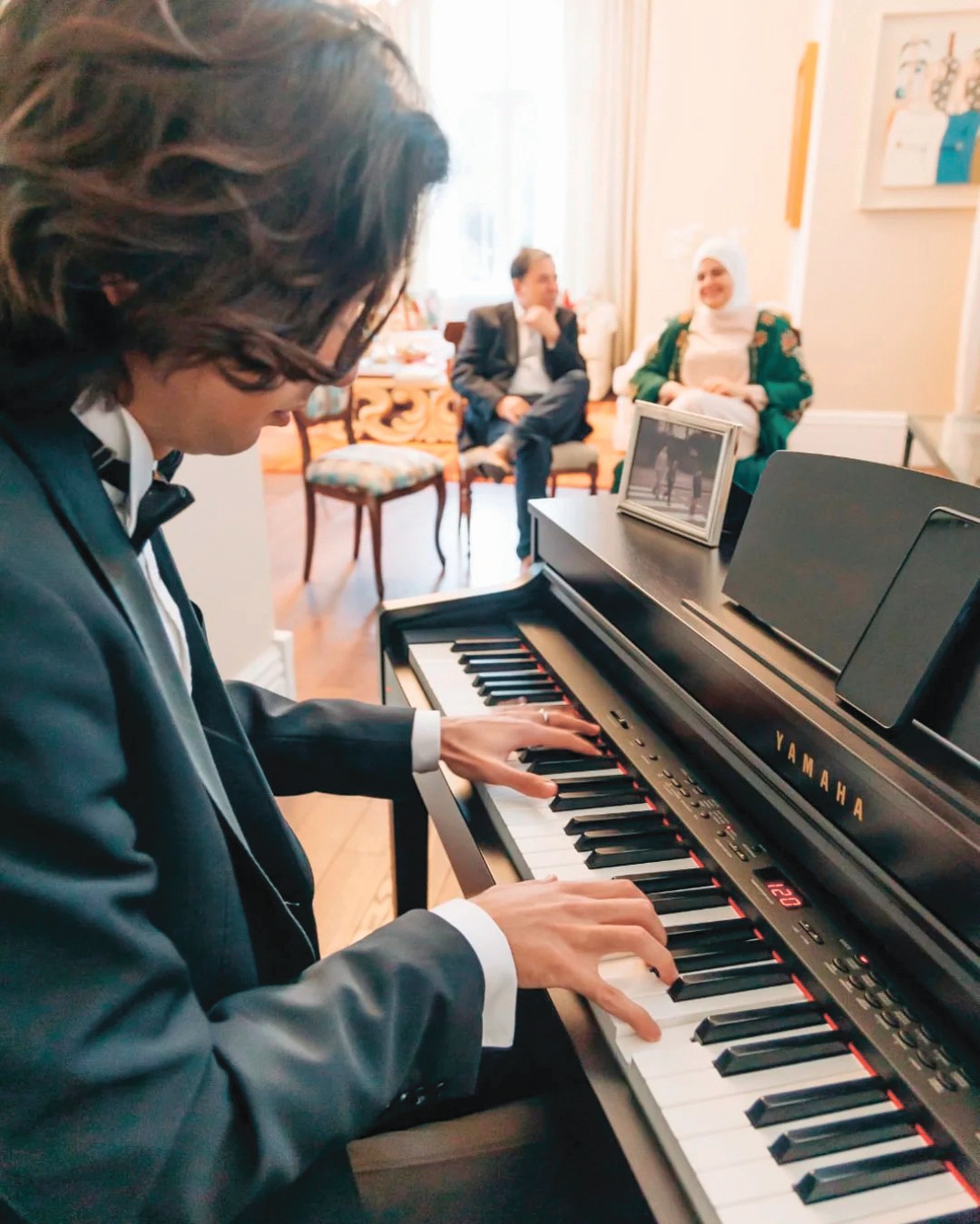
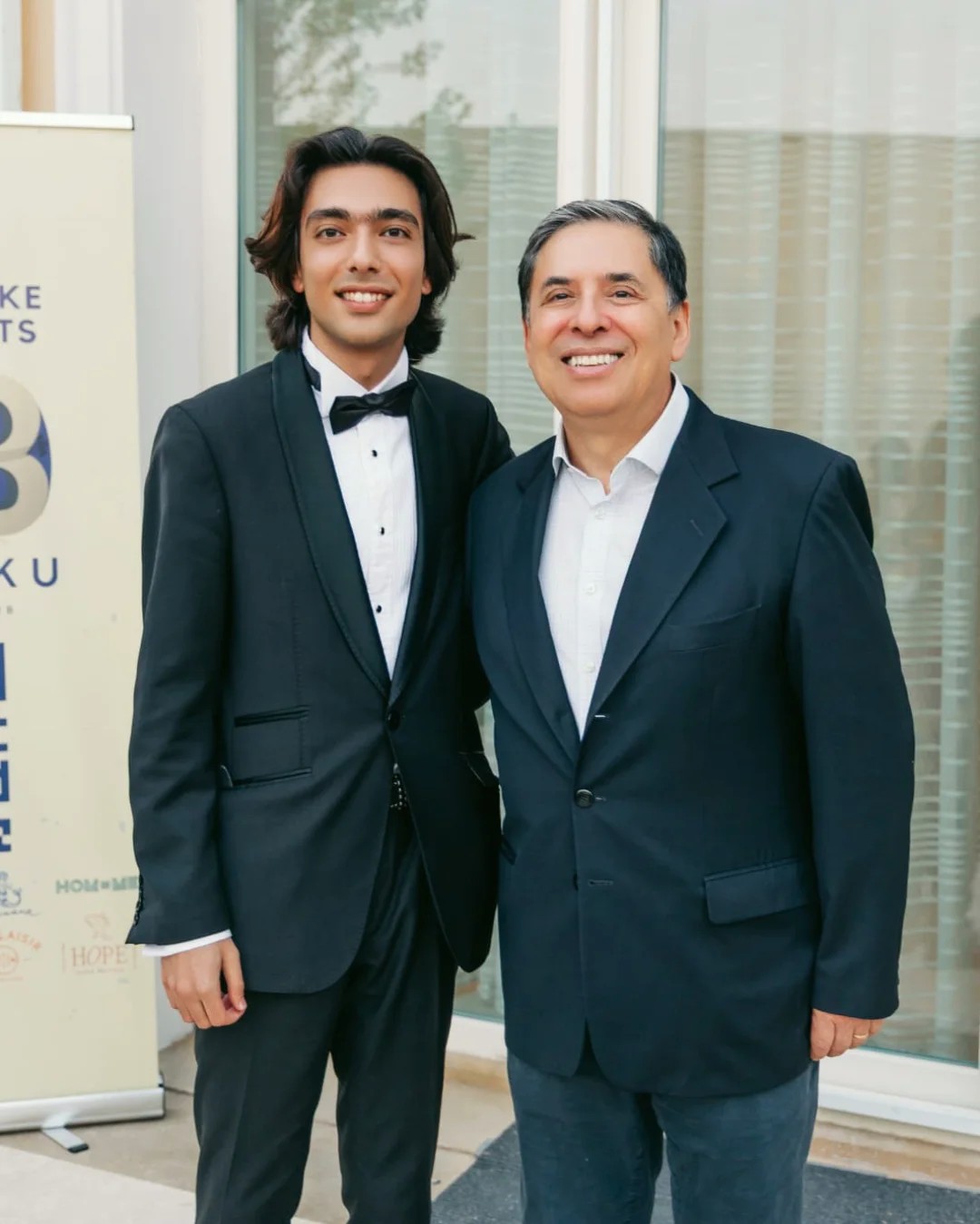
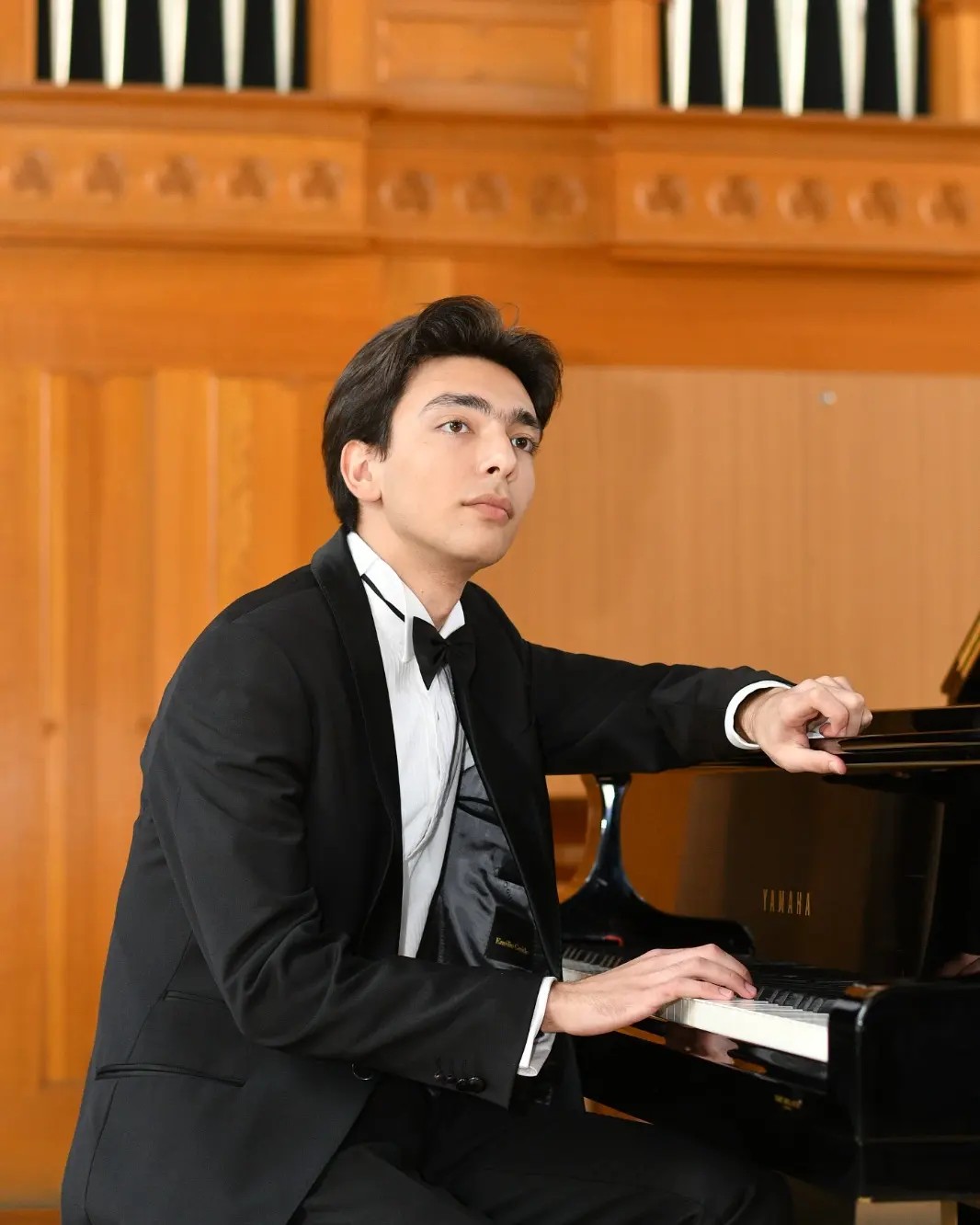
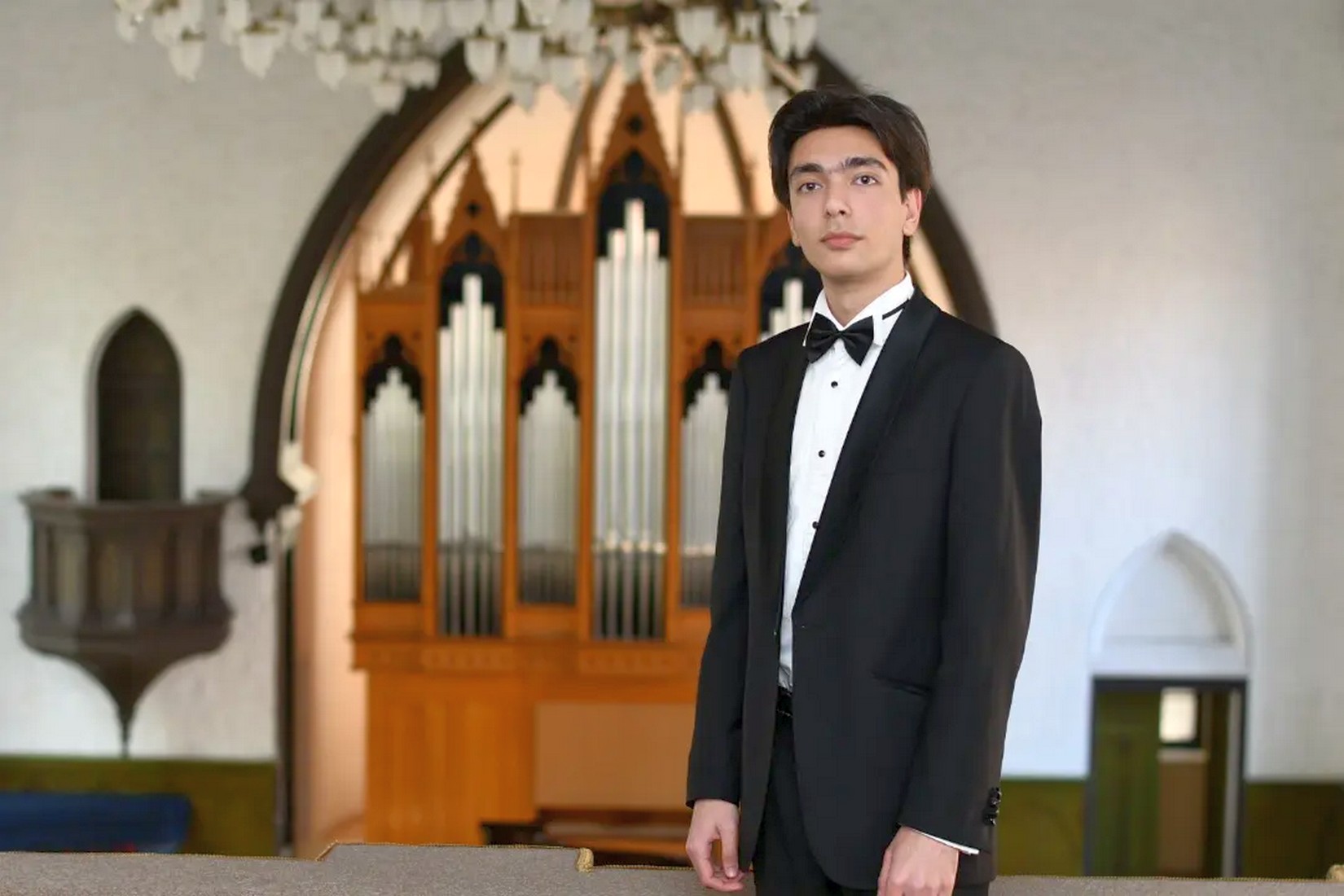
The subject of this R+ interview is the young pianist Javad Mammadsadykh, a vivid, profound and distinctive representative of the present-day Azerbaijani piano school. He is currently in his fourth year of study at the Uzeyir Hajibeyov Baku Music Academy. His name is already familiar to discerning music lovers through his striking performances at the country's leading cultural venues.
In this conversation, the young musician discusses the continuity of tradition, his classical training and the freedom of jazz, as well as how he has developed as an artist and the aspects of his work that are not visible to the audience.
"Music has been a part of your life since a very early age. Do you recall the pivotal moment when you came to understand that the piano represented more than just an extracurricular pursuit or a academic subject but your true vocation?"
"Reflecting on my journey, it becomes evident that my musical aptitude first manifested in early childhood. My mother, Natavan Dovlatova, was the first to notice them. A pianist by profession, she was my first teacher and taught me the fundamentals of music. Subsequently, I enrolled at the Bülbül Special Music School for Gifted Children, an institution that seamlessly integrates general education with advanced musical training.
"Although I have always had a passion for music and have been studying it since childhood, it was not until later in life that I truly recognised its significance in my life. When I was a seventh-grade student, I contemplated withdrawing from music to pursue fencing, a field which had captured my interest at the time. However, at my mother's insistence, I continued my studies at the special school. In light of recent events, it has become evident that her intervention was of pivotal importance. I am extremely grateful to her for her firmness, because I can no longer imagine my life without the piano."
"Every musician has a principal teacher or mentor. Who was responsible for your professional training, and what was the most important lesson they taught you?"
"As I have just mentioned, I sincerely thankful to my mother for encouraging me to follow this path. Yet I would like to emphasise that Gulara Namazova, the Honoured Teacher of Azerbaijan, had a significant impact on my artistic vision, musical taste and development as a pianist. She has trained a whole generation of brilliant pianists who have gained recognition around the world. Gulara-khanum's role in my musical education extended beyond mere instruction. She facilitated my discovery of my artistic voice and a profound understanding of its intricacies. In doing so, she played a pivotal role in my professional development and in shaping my personal growth."
"What is it like to be a young pianist today, in the age of digital technology and rapid-fire content? What is the secret to your ability to focus on your instrument for extended periods of time?"
"In essence, to establish oneself as a musician, one must genuinely love the creative process itself. Studying music has been shown to engender a profound and incomparable sense of fulfilment. For musicians and athletes alike, the final result is of paramount importance, and new technologies and digital platforms are merely tools to help achieve this goal. For me, art is paramount, as it stems from an intrinsic need to convey emotions and reflections. Technology, on the other hand, is of secondary importance, as it merely expands the boundaries of what is achievable."
"The Azerbaijani piano school has a great tradition and international recognition. Could you please elaborate on whether you feel this continuity, and how you combine a classical academic foundation with your own artistic vision?"
"Firstly, any original artistic vision in our profession can only be expressed through a strong classical education. The foundation and a musician's personal style are therefore inseparable from the outset. I am acutely aware of the uninterrupted lineage of our piano school. It is a coincidence that I am now continuing my studies in the fourth year at the Uzeyir Hajibeyov Baku Music Academy under Professor Murad Huseynov, who is himself a direct student of Gulara Namazova, Elmira Safarova and Farhad Badalbeyli. This unbroken chain of continuity is a source of genuine pride for Azerbaijani performing arts."
"If you were to provide a description of your musical style in three words to someone who had not yet had the opportunity to hear you play, what words would you use?"
"Sensitivity, tone production, intellect."
"Are there works or composers that you find yourself returning to repeatedly, as they reflect your inner state more profoundly than any words can?"
"Absolutely. These include the likes of Bach, Rachmaninoff and Debussy. Given my longstanding passion for jazz, I must also mention my principal idol, Bill Evans, whose work is an inexhaustible source of inspiration for me."
"Can you describe your experience of participating in international competitions and festivals. Which of these roles proved to be significant milestones in your professional development, or the most memorable challenges you encountered?"
"Frankly, I do not consider participation in a continuous series of competitions to be an accurate gauge of talent or authentic professional advancement. My teachers have always focused on painstaking work on mastery, with my main competitor being my former self—the person I was yesterday, striving to surpass who I am today. The most challenging aspect for a musician is to strive for daily inner improvement."
"In which countries have you had the opportunity to represent Azerbaijan? "Do you feel a particular sense of responsibility when representing your country on the global stage?"
"To date, I have not had the opportunity to represent Azerbaijan as a soloist on foreign stages, because I understand the full extent of my responsibility to my country and believe that I still need to strengthen my professional skills further. I will accept this honourable mission and the right opportunity when the time is right, and I will do so with immense pride.
"Nevertheless, I would like to mention the major international festivals held in our country every year, both in the capital and in the regions. I was invited to these events, which provided me and other young performers with a unique opportunity to meet foreign masters, learn from their experience and expand our horizons. I firmly believe that such events have a positive impact on the artistic development of young people. I have participated in the Baku Piano Festival, the Baku Jazz Festival in 2022 and 2026, jazz camps in Gakh and Mingachevir, where I achieved an honourable second place, as well as the Shahin Novrasli Festival and other respected projects.
"At the conclusion of such forums, it is customary to hold jam sessions, thereby erasing the boundaries between emerging artists and legendary foreign guests and allowing them to perform on the same stage. I would like to take this opportunity to express my profound gratitude to the organisers—Leyla Efendiyeva, Rain Sultanov and Shahin Novrasli—for their trust, invitations and strong support for the younger generation of musicians."
"What does it mean to you to represent our culture and piano school as an ambassador? Have you perhaps heard reactions from foreign audiences to your performing skills?"
"As I have previously stated, it is premature for me to assume the role of a fully-fledged ambassador. However, within the context of our multinational homeland, I believe I fulfil this role reasonably well. I recall an occasion when, after one important performance, Manuel Montenegro, who was then Brazil's ambassador to Azerbaijan, personally invited me to the embassy and praised my sensitive understanding of Latin American music.
"Well, I am very much in tune with the musical spirit of different peoples, which is why I consider myself a cosmopolitan musician. I am passionate about Georgian folk music and traditional dances, particularly Adjarian dances, which have long held my interest, even during my childhood. Georgia's distinctive jazz school, with its many prominent names, also has an enduring appeal for me. I am pleased to have had the opportunity to meet many of these musicians, participate in joint jam sessions and share the stage with world-class artists such as Eric Jaco and Isak Jamba. When communicating with musicians of this calibre, I always aim to promote Azerbaijani folk music and introduce them to our mugham and the masterpieces of our national composers."
"How do you go about creating your own music or an interpretation?" When working on a challenging piece, do you start by analysing the score, improvising or searching for the right mood?"
"Composing one's own music and interpreting an existing work are entirely different processes. Interpretation is a performer's personal interpretation of a work that has already been created, and it excludes spontaneous improvisation. A comprehensive and meticulous examination of the written score is the foundation for comprehending another composer's ideas. This process enables me to discern the composer's intention and subsequently transcribe it onto the keyboard. Improvisation, on the other hand, is an immediate expression of the living pulse of time and a fluid succession of emotions – in a word, an intimate monologue."
"What are the most unexpected difficulties or barriers a young musician encounters at the beginning of their journey? What does the audience usually not see behind the scenes of a concert stage?"
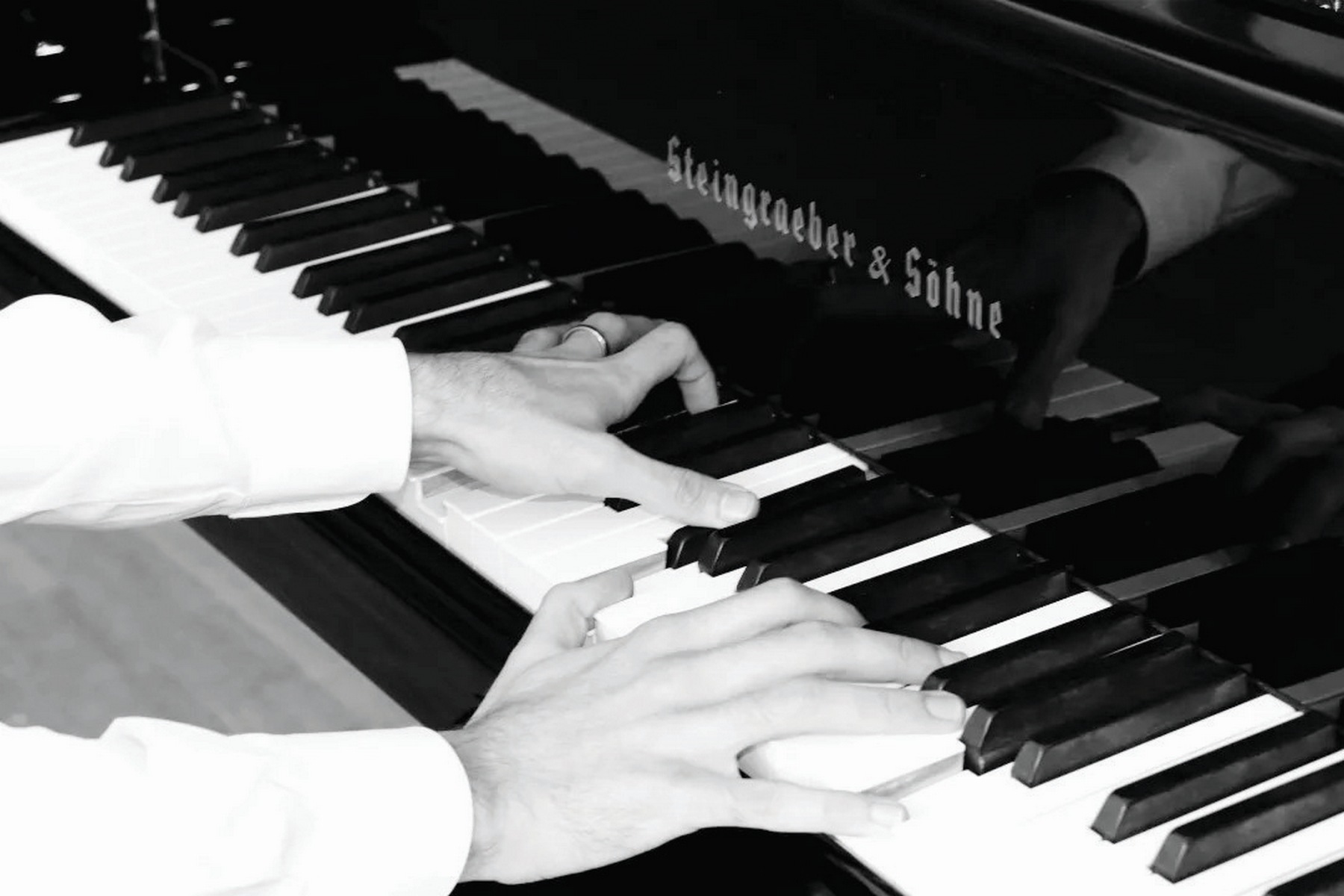
"The role of a pianist demands a high level of commitment, requiring rigorous daily practice and the cultivation of iron discipline. While this routine may become familiar from childhood, it must be re-established daily, with the challenges of fatigue and personal vulnerabilities to be overcome. This backstage drama remains permanently invisible to the audience, dazzled as it is by the ceremonial brilliance of the concert stage."
"How do you manage to overcome periods of creative burnout, and what strategies do you have in place to ensure you can continue working productively?"
"We are taught from an early age how to deal with so-called creative burnout and find inner resources. For professional musicians, such challenges are an integral part of their daily practice."
"What genres of music do you listen to outside of classical academic music and traditional genres? What aspects of the contemporary world inspire you?"
"I am not interested in being perceived as a traditional conservative. However, I must admit that I rarely find contemporary music inspiring. In today's market, there is a paucity of truly exceptional and high-quality works. Consequently, I continue to favour classical music, jazz and, selectively, superior pop. My playlist most often features recordings by Quincy Jones, George Benson and the legendary British jazz group Incognito."
"Which stage, concert hall or joint project do you dream of most? What is your main artistic ambition for the coming years?"
"The Carnegie Hall stage is widely regarded as one of the most prestigious venues in the concert world. Performing in that hall is a great honour, a joy and a source of professional pride for any pianist. I will not be original in this respect – it is a cherished ambition shared by all musicians, including myself."
"If one of our readers were to listen to a recording of your playing for the first time after reading this interview, what mood or thought would you like to convey to them above all?"
"The primary objective of my performance is not to convey my personal sentiments, but rather to accurately convey the composer's original vision. In the realm of improvisation, my primary concern lies in providing listeners with the opportunity to explore and identify with the music on a personal level. In terms of classical music, I feel that Rachmaninoff's Piano Concerto No. 2 most accurately reflects my current state of mind."
RECOMMEND:
 50