

BUSINESS ROUTE
Meetings in Baku outlined future areas of economic cooperation with Germany, the UK, Czechia and Cambodia
Author: Nurlana BÖYÜKAGHAGYZY
Attracting investment and technology, developing transport links and accessing new markets are becoming key areas of Azerbaijan’s economic cooperation with foreign partners.
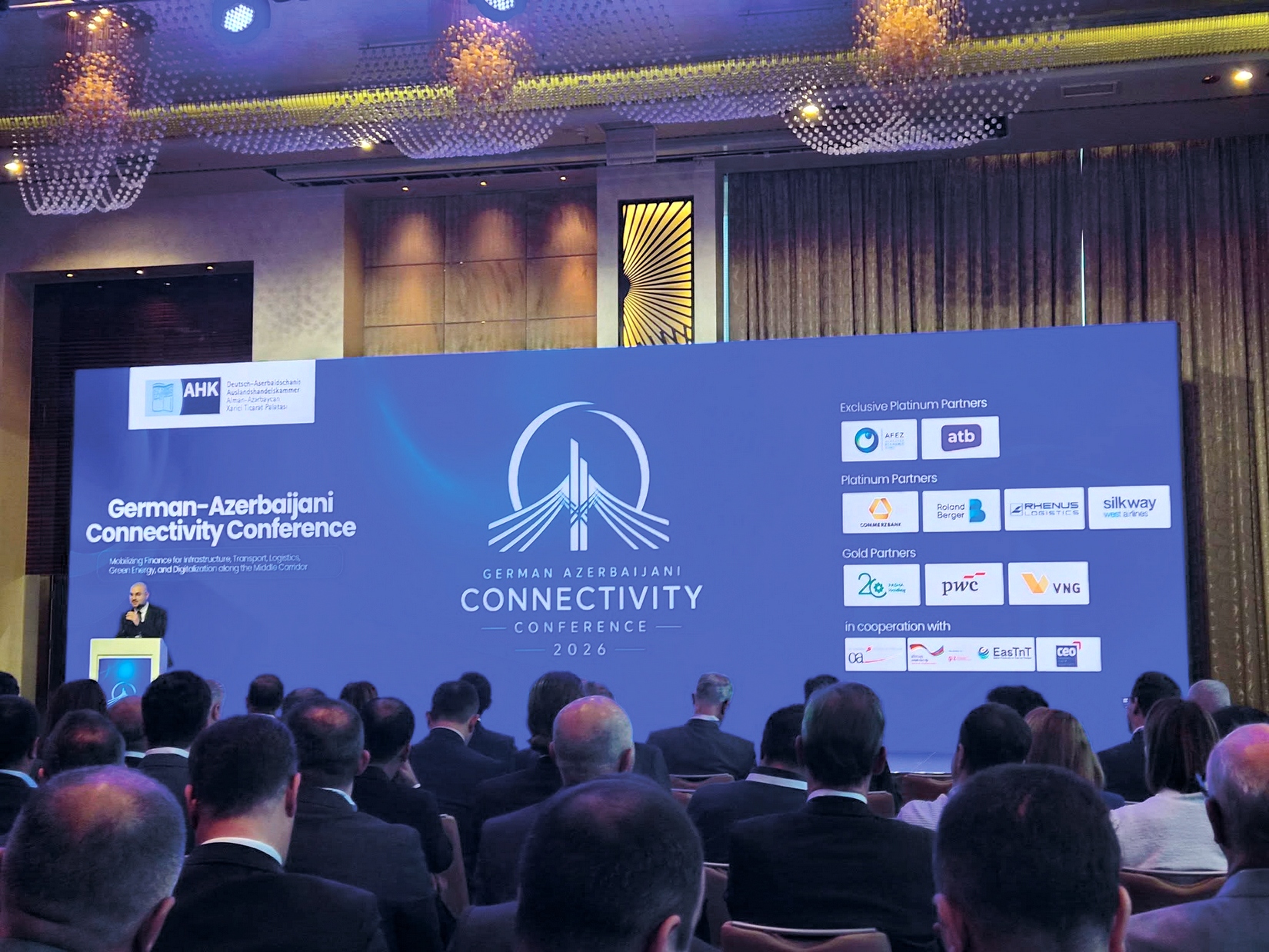
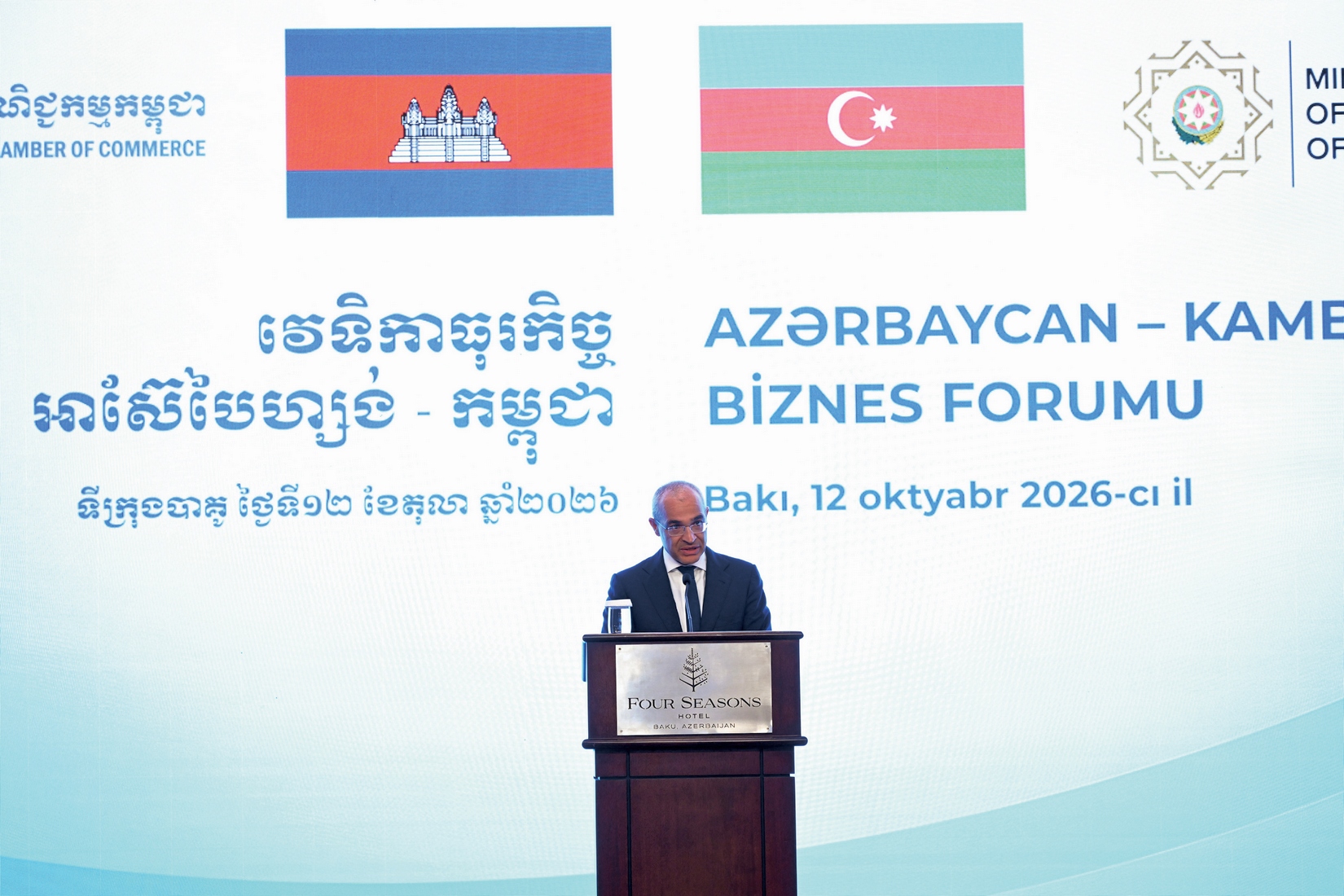
This agenda was reflected in four events held in Baku: the German-Azerbaijani Conference on Connectivity, a meeting of the intergovernmental commission with the United Kingdom, and business forums with Czechia and Cambodia.
Despite differences in the scale and experience of their partnerships, the parties discussed opportunities for joint work in energy, logistics, industry and the digital sector. The documents signed and cooperation mechanisms proposed outlined ways to transform these opportunities into concrete business projects.
Partnership infrastructure
The Conference on Connectivity, entitled "Mobilising financing for infrastructure, transport, logistics, green energy and digitalisation along the Middle Corridor", focused on German businesses' participation in the development of transport, energy and digital infrastructure. For Azerbaijan, such a partnership means attracting not only investment but also the expertise needed to transform the transit route into a regional economic platform.
Rashad Hasanov, Deputy Minister of Digital Development and Transport, has stated that transit through Azerbaijan has increased by approximately 100% over the past five years. "We expect to conclude this year with a figure of around 16 million tonnes, and plan to increase it to 30 million tonnes by 2030," he said.
At the same time, Fariz Aliyev, head of the ministry's transport policy department, has stated that 5.5 million tonnes are expected to pass through the Middle Corridor this year. The Port of Baku is scheduled to increase its capacity from 15 million to 25 million tonnes by 2030. During the second stage of its development, its container-handling capacity is expected to reach 500,000 TEU.
However, it should be noted that expanding infrastructure alone will not ensure uninterrupted transportation. As Aliyev explained, over the next five years it will be necessary to transition from a collection of national transport systems to a unified international route. In order to achieve this, it will be necessary to harmonise customs procedures, reduce border formalities and establish interoperable digital platforms. The "single window" concept being implemented in Azerbaijan should be expanded through collaboration with the systems of other countries along the corridor.
German companies have expressed interest in participating directly in this work. Nargiz Vik, the Executive Director of the German-Azerbaijani Chamber of Commerce, has confirmed that two multimodal terminal projects at the Port of Alat are currently under discussion. They are still at the negotiation stage, but reflect the business community’s interest in investing in the route’s infrastructure. Heinrich Kerstgens of Rhenus Group also links the prospects for increased freight traffic to the development of the economies of Central Asia and the South Caucasus, which is driving demand for goods and logistics services.
Energy cooperation combines current needs with long-term transformation. Oliver Hill, senior vice-president of VNG AG, said that the company already imports Azerbaijani gas and is ready to sign agreements lasting 15–20 years. In his assessment, developing renewable energy sources within Azerbaijan could free up gas for export and create additional resources for investment. The German Energy Agency is ready to support the Green Energy Corridor, while its managing director, Christina Haverkamp, highlighted grid digitalisation, infrastructure maintenance and workforce training. Frederick Doye of Siemens Energy also pointed to the prospects for digital energy systems.
As can be seen, the transport and energy agendas converge around a shared task: complementing physical infrastructure with the technology and expertise needed to use it effectively.
Capital and technology
In its relations with the United Kingdom, Azerbaijan draws on more than 30 years of energy cooperation, although today’s agenda is becoming considerably broader. The eighth meeting of the Joint Intergovernmental Commission on Trade and Economic Cooperation, held in Baku, addressed infrastructure financing, the development of the Middle Corridor, clean energy and digital technologies. Accumulated investment and business ties provide a basis for projects extending beyond the traditional oil and gas partnership.
According to Energy Minister Parviz Shahbazov, British investment in Azerbaijan has exceeded $39 billion. Bilateral trade increased by 67% last year and rose approximately sixfold in the first half of this year, reaching $3.6 billion. “During this period, Azerbaijan’s exports to the United Kingdom increased 24-fold,” the minister said.
Accessible financial instruments are important for further expanding cooperation. The UK’s export credit agency, UK Export Finance, expressed its readiness to assume market risks for projects in Azerbaijan worth at least £5 billion ($6.6 billion). This could support projects primarily in infrastructure, clean energy and the Middle Corridor. “We also want to expand investment flows in the opposite direction,” the British representative said.
Azerbaijan, for its part, is interested in more active participation by British companies in developing the transport route. According to Shahbazov, transit freight traffic between the two countries increased by 14% in 2025. Further increases in the corridor’s capacity and its digitalisation will create opportunities for cooperation with British logistics operators, technology companies and financial institutions.
Energy cooperation is also taking on new directions. Alongside BP’s projects in the oil and gas sector, the minister highlighted the Shafag solar power plant and the decarbonisation of the Sangachal terminal through the use of clean energy. Further prospects are linked to green energy corridors intended to connect the Caspian basin and Central Asia with Europe. The involvement of the British company Xlinks in this work broadens the circle of participants in energy cooperation.
Digital transformation is becoming a separate area of cooperation. “We see significant potential for joint initiatives in artificial intelligence, cybersecurity, data centres and human-capital development,” Shahbazov said. A separate roadmap is expected to be prepared, while joint academic programmes with leading British universities will be developed. The British side indicated that the University of Warwick could participate in establishing the research and training base, while technology and infrastructure companies could contribute to the practical implementation of digital projects.
The results of the meeting reflect this multifaceted agenda. Four documents were signed: an agreement between PMD Group and Chapman Taylor on developing the Northern Gates of Baku mixed-use residential and business complex; a framework agreement between InterOcean Energy Services and Green Lines Shipping on cooperation without equity participation or the creation of a joint venture; and memoranda between Xlinks and Green Lines Shipping, and between Xlinks and the Green Corridor Alliance. A separate Action Plan for 2026–2027 was also adopted, covering more than 60 activities across 10 areas.
The parties now have a shared programme linking financial opportunities with sector-specific initiatives and concrete agreements between companies. “Our main task is to turn our agreements into tangible results and our shared potential into new projects,” Shahbazov said.
Industrial cooperation
At the Azerbaijani-Czech Business Forum in Baku, the discussion centred on the potential for Czech engineering expertise and technology to modernise the railways and expand industrial ties. According to Shahin Babayev, executive director of the Azerbaijan Transport and Communications Holding, the prospects include railway equipment, digitalisation and improved transport efficiency.
The partnership already has an investment foundation. Yusif Abdullayev, the Executive Director of the Export and Investment Promotion Agency of the Republic of Azerbaijan, has stated that from 1995 to the end of the first half of 2026, Czech direct investment in Azerbaijan amounted to almost $74 million, of which approximately $70 million went to the non-oil and gas sector. During the same period, Azerbaijani investment in the Czech Republic reached $70 million. Thirty-four Czech companies are currently operating in Azerbaijan, while transit freight between the two countries increased by 47% in 2025, reaching 32,000 tonnes.
Abdullayev also noted his work with the Škoda Group and his cooperation with the Agrotech Group in the context of the Aghdam poultry project.
At the same time, it should be noted that the interest of Czech businesses extends beyond individual contracts. Radek Špicar, vice-president of the Confederation of Industry and Transport of the Czech Republic, views Azerbaijan as a potential base for expanding their regional presence. The proposal is to establish an Azerbaijani hub in the Czech Republic, with a view to facilitating access to the EU market. He identifies the potential for such cooperation in heavy engineering, transport, IT, and the automotive and chemical industries.
The issue, therefore, is how to combine production expertise with access to markets, which could provide a more sustainable foundation for bilateral ties. Czech Transport Minister Ivan Bednarik stated that the objective of the initiative is to facilitate closer market integration, enhance supply chain resilience, and generate new opportunities for businesses and individuals in both countries, ultimately benefiting their citizens.
New horizons in the East
While cooperation with European partners is based on accumulated investment and established projects, the Cambodian direction is still taking shape. At the business forum in Baku, the parties discussed how to turn the complementary strengths of their economies into business ties. According to Cambodian Prime Minister Hun Manet, this will require broadening the range of traded goods, developing direct contacts between companies and identifying new investment opportunities.
Neak Oknha Kith Meng, president of the Cambodia Chamber of Commerce, proposed focusing on the agro-industrial complex and food security, energy and industrial infrastructure, the energy transition and modern infrastructure solutions. Azerbaijan's experience in energy, petrochemicals and logistics could be combined with the development of Cambodia's agricultural and manufacturing sectors.
Mutual access to regional markets is becoming an important component of the partnership. Economy Minister Mikayil Jabbarov has stated that Azerbaijan has the potential to serve as a production and distribution base for Cambodian companies. Cambodia, as a member of the Association of Southeast Asian Nations and the Regional Comprehensive Economic Partnership, could create new opportunities for Azerbaijani businesses in Southeast Asia. "Our logistics operators should collaborate to identify commercially viable routes," the minister stated.
This approach also facilitates a valuable exchange of investment experience among participants. Jabbarov emphasised the opportunities offered by industrial parks and the special legal and tax conditions of the Alat Free Economic Zone for export-oriented production. Other potential areas for exploration include digital technologies, AI, data centres and paperless trade.
In a move towards practical cooperation, the parties reached a preliminary agreement to establish a working group and develop a roadmap. According to Cambodian Trade Minister Cham Nimul, cooperation between government agencies and chambers of commerce should facilitate business contacts, provide access to market information and help resolve emerging issues.
The four meetings held in Baku outlined different but interconnected areas of economic partnership, including attracting capital and technology, industrial cooperation and accessing new markets. The practical impact of these measures will depend on the extent to which the proposed financial instruments, agreements and roadmaps meet the needs of companies. For Azerbaijan, the implementation of these initiatives has the potential to expand opportunities in production and services, while strengthening the country's role in international supply chains.
RECOMMEND:
 50